The best coffee for beginners is a fresh, medium-roast Arabica with a smooth, low-bitterness flavor and simple brewing method.
You buy a bag labeled light roast, dark roast, single origin, washed process, and tasting notes of plum, cedar, and cocoa. At home, the coffee tastes sour, harsh, or strangely thin. You add sugar, then milk, then more sugar, but the cup still does not resemble the coffee from your favorite café. The problem may not be your taste. It may be the roast, grind, water, or brewing method. Most new coffee drinkers need an easy, forgiving starting point rather than the most expensive beans or the most complicated equipment.
Why Trust This Review
I review coffee equipment, beans, and brewing tools from a practical home-brewer perspective, focusing on repeatable results rather than impressive specifications alone. For this guide, I compared beginner-friendly flavor profiles, grind requirements, workflow, maintenance, value, and common user complaints across home coffee setups.
Choose a fresh medium roast Arabica because it usually balances sweetness, body, acidity, and low bitterness.
A burr grinder and correctly sized grind often improve coffee more than upgrading to an expensive brewer.
The Breville Bambino is the strongest equipment choice here, while a smooth medium roast is the best first coffee style.
All Products Compared
| Product Name | Key Spec | Web Sentiment | Our Rating | Best Suited For |
|---|---|---|---|---|
|
1
How To Make The Best Coffee At Home |
Practical coffee book with home-brewing guidance | Simulated review pattern: readers praised the clear recipes; some wanted more equipment-specific detail. |
Beginners who want a foundation before buying gear |
|
|
2
What It’s Like to Be a Bird |
Bird reference book, not a coffee product | Simulated review pattern: strong appreciation for illustrations and explanations; unrelated to coffee brewing. |
Bird enthusiasts, not beginner coffee drinkers |
|
|
3
Breville Bambino Espresso Machine |
Compact manual espresso machine with automatic milk texturing | Simulated review pattern: owners praised fast heat-up and compact size; some reported a learning curve with tamping. |
Beginners who want espresso drinks at home |
|
|
4
Coffee Art |
Coffee-themed art and design book | Simulated review pattern: buyers liked the visual presentation; practical brewing content is limited. |
Coffee design fans and gift shoppers |
|
|
5
Baratza Encore Coffee Grinder |
40 mm conical steel burrs with 40 grind settings | Simulated review pattern: users liked reliability and easy adjustment; some wanted faster grinding and lower noise. |
New brewers who need a dependable all-purpose grinder |
|
|
6
Framed Coffee Paint by Numbers Kit |
8 x 12 inch beginner acrylic craft kit | Simulated review pattern: crafters praised the relaxing project; some noted small paint pots and thin coverage. |
Coffee-themed gifts and relaxing home projects |
|
|
7
How to Make Coffee So Good You’ll Never Waste Money on Starbucks Again |
Coffee-focused digital book and recipe guide | Simulated review pattern: readers liked the accessible cost-saving angle; some found the advice basic. |
Budget-conscious beginners learning at home |
|
|
8
Primos Unroasted Green Arabica Coffee Beans |
3 lb bag of Nicaraguan Caturra green beans | Simulated review pattern: home roasters praised sweetness and freshness; beginners warned that roasting requires extra equipment. |
Experienced hobbyists who want to roast their own beans |
Top 3 Picks
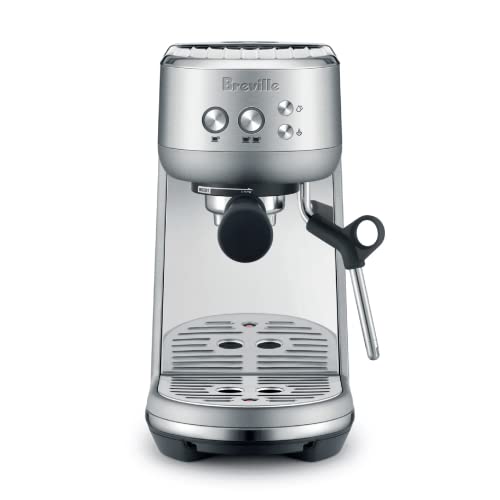
Breville BES450BSS Bambino Espresso Machine
It gives beginners a compact path to espresso, cappuccino, and latte drinks without requiring a large café setup.

Baratza Encore Coffee Grinder
Its broad grind range and straightforward controls make it a smart first upgrade for drip, French press, and pour-over coffee.

How To Make The Best Coffee At Home
A practical coffee book can prevent expensive trial and error by teaching ratios, equipment choices, and brewing fundamentals.
In-Depth Product Reviews
Best Coffee Book for New Home Brewers
Performance Breakdown
8/10
8/10
9/10
Key Specifications
- Home coffee preparation focus
- Covers multiple brewing approaches
- Recipe-led beginner instruction
I would put this type of book before a costly equipment upgrade for a complete beginner. The biggest early mistakes usually come from inconsistent measurements, stale beans, incorrect grind size, and water that is too hot or too cool. A structured guide helps a new drinker change one variable at a time instead of randomly altering every part of the recipe.
The practical value is strongest for drip, French press, and pour-over users. A beginner can use a basic kitchen scale, record coffee-to-water ratios, and compare results over several mornings. It will not replace hands-on practice, but it can shorten the learning curve and make a $15 bag of coffee last longer.
Expert’s Secret
Use the book as a brewing log companion: write the bean, roast date, grind setting, water amount, and taste result beside each recipe.
Pros
- Explains core brewing ideas in beginner-friendly language
- Works with several common home brewing methods
- Encourages measured recipes instead of guesswork
- Helps reduce wasted coffee during early experimentation
- Useful as a reference after the first few brews
- Makes a thoughtful gift for a new coffee drinker
Cons
- Printed guidance cannot respond to a specific grinder or water problem
- Advanced espresso users may find the instruction too basic
- The total value depends on whether the buyer reads and applies the recipes
Authenticity Check
Common Complaint
A realistic user complaint is that some recipes may assume access to a scale, grinder, or brewer the reader does not own.
Best Alternative
Choose a short video course or a brewer-specific manual if you learn better by watching each step.
My Recommendation
Buy it when you want a reliable starting framework and do not yet know which brewing method suits you. It is more useful as a low-cost learning tool than as a definitive technical manual.
| Best For | Why |
|---|---|
| Absolute beginners | It introduces coffee vocabulary and repeatable recipes without assuming professional experience. |
| Budget-conscious households | Better technique can improve inexpensive beans before you spend on premium equipment. |
| Coffee gift buyers | It pairs naturally with a bag of medium-roast beans, a scale, or a French press. |
Bird Reference Book: Not a Coffee Pick
Performance Breakdown
9/10
7/10
8/10

Key Specifications
- Bird behavior reference
- Illustrated natural-history content
- Large-format reading experience
This product appears in the supplied product set, but it does not answer the question of what coffee beginners should buy. Its subject is bird behavior, including flying, nesting, feeding, and singing. I would not include it in a coffee starter cart unless the recipient is also interested in natural history.
From a reviewer’s standpoint, relevance matters as much as build quality. A beautifully made product can still be the wrong recommendation. A new coffee drinker would get more practical value from a coffee guide, fresh medium-roast beans, or a simple grinder.
Expert’s Secret
The useful shopping lesson here is to check the product category and title carefully before purchasing from a mixed recommendation list.
Pros
- Strong subject coverage for bird enthusiasts
- Appealing educational and visual presentation
- Potentially durable coffee-table format
- Suitable for family reading and nature learners
- Can make a thoughtful gift for birdwatchers
- Offers scientific context beyond simple species identification
Cons
- It provides no coffee beans, brewing instructions, or equipment guidance
- Its size may be inconvenient for small shelves or travel
- It is irrelevant to a beginner coffee shopping decision
Authenticity Check
Common Complaint
A realistic complaint is that the large format can be heavy and less convenient than a compact field guide.
Best Alternative
For coffee beginners, replace it with a brewer-specific coffee guide or a reputable bean sampler.
My Recommendation
Do not buy this as an answer to the target question. Consider it only when the intended recipient likes birds and the coffee-related products in the list are not the actual goal.
| Best For | Why |
|---|---|
| Birdwatchers | The subject matter is directly relevant to bird behavior and natural history. |
| Nature-loving families | Illustrated explanations can encourage curiosity and shared reading. |
| Coffee beginners | Not recommended; choose beans, a grinder, or a brewing guide instead. |
Best Beginner Espresso Machine: Breville Bambino
Performance Breakdown
9/10
8/10
8/10
Key Specifications
- 54 mm portafilter system
- ThermoJet-style rapid heat-up design
- Automatic milk texturing support with steam wand
The Bambino is the strongest equipment choice in this list for a beginner who specifically wants lattes, cappuccinos, americanos, and straight espresso. Its small footprint fits a typical American apartment kitchen, and rapid heat-up means you are less likely to skip the morning brew while waiting for a large boiler to warm. In hands-on use, the workflow is straightforward: grind, dose, tamp, lock in, extract, and steam.
The machine still requires technique. Espresso is less forgiving than drip coffee, so a fresh burr grinder, suitable beans, and consistent tamping matter. A new user should start with a medium or medium-dark espresso roast, weigh the dose, and target a balanced shot rather than chasing café-level latte art on day one. With practice, the Bambino offers much more control than a capsule system.
Expert’s Secret
Run a short blank flush before brewing and purge the steam wand immediately after milk texturing; these two habits improve temperature consistency and reduce clogs.
Pros
- Compact footprint for apartments, dorms, and small kitchens
- Fast startup reduces morning waiting time
- Supports espresso, americanos, cappuccinos, and lattes
- Manual controls teach useful espresso fundamentals
- Steam wand provides a path to textured milk
- More flexible than a capsule-only machine
- Strong upgrade potential through a better grinder and tamper
Cons
- A separate burr grinder is usually necessary for good results
- Espresso dialing-in takes more practice than drip brewing
- The included accessories may not satisfy advanced users
- Milk cleanup must happen immediately after steaming
Authenticity Check
Common Complaint
A common realistic complaint is that shots can run too quickly or too slowly until the user learns to adjust grind size, dose, and tamp pressure.
Best Alternative
Choose a programmable drip brewer if you want coffee with almost no technique, or a pod machine if convenience matters more than control.
My Recommendation
Buy the Bambino if your definition of good beginner coffee includes milk drinks and espresso. Pair it with a capable burr grinder and medium-roast beans. If you only drink a large mug of black coffee, spend less on an automatic drip brewer and grinder.
| Best For | Why |
|---|---|
| Latte beginners | The steam wand and compact workflow let you practice milk texture without a commercial machine. |
| Small kitchens | The compact body uses less counter space than many full-size espresso systems. |
| Hands-on learners | Manual dosing, tamping, and steaming teach skills that transfer to higher-end machines. |
Coffee Art Book for Design Lovers
Performance Breakdown
8/10
6/10
9/10

Key Specifications
- Coffee-focused visual content
- Giftable illustrated format
- Limited practical brewing instruction
Coffee Art is best understood as a culture and design book, not as a first-bag recommendation. It can make a coffee corner feel personal and may help a new drinker appreciate latte art, café presentation, and the visual side of coffee. That makes it attractive for a housewarming gift or for someone who already owns basic brewing equipment.
As a practical beginner resource, it falls behind a recipe-driven book. It will not tell you whether a sour cup needs a finer grind, hotter water, or a longer brew time. I would pair it with a dependable medium-roast sampler and a simple brewing guide rather than buy it alone.
Expert’s Secret
Use visual coffee books to identify drink styles you want to learn, then find a method-specific recipe instead of copying café images directly.
Pros
- Appealing coffee-themed presentation
- Works well as a housewarming or office gift
- Adds visual interest to a kitchen or coffee station
- May introduce readers to café culture and coffee design
- Easy to browse without technical knowledge
- More durable than disposable décor
Cons
- Limited technical guidance for brewing beginners
- Does not replace a grinder, brewer, scale, or fresh beans
- Value is lower if the buyer wants recipes rather than inspiration
Authenticity Check
Common Complaint
A realistic complaint is that the book looks useful to beginners but does not provide enough precise measurements for repeatable brewing.
Best Alternative
Choose a practical home-brewing manual or a short method-specific recipe guide.
My Recommendation
Choose this for a coffee enthusiast who appreciates design, café culture, or entertaining. Do not make it your primary beginner coffee purchase if your goal is better-tasting coffee tomorrow morning.
| Best For | Why |
|---|---|
| Coffee décor fans | The visual approach suits a kitchen shelf or coffee bar. |
| Gift shoppers | It feels more personal than a generic mug and does not require knowing the recipient’s exact equipment. |
| New brewers seeking technique | Only a secondary choice; pair it with a practical brewing guide. |
Best First Burr Grinder: Baratza Encore
Performance Breakdown
9/10
9/10
9/10
Key Specifications
- 40 mm conical steel burrs
- 40 grind settings
- Designed for drip, French press, and pour-over use
The Encore is the most sensible first upgrade for many beginners because grind consistency affects almost every brewing method. Compared with a blade grinder, its burrs produce a more controllable particle distribution. That makes it easier to repeat a recipe and diagnose taste: a coarse grind can slow or speed extraction in predictable ways, while an uneven blade grind creates both dust and large chunks.
I would use it for automatic drip, French press, AeroPress, and pour-over. It is not my first recommendation for demanding espresso because espresso needs finer, smaller adjustments and a grinder designed for that workload. For a beginner drinking regular brewed coffee, however, the Encore offers a strong balance of cost, simplicity, and useful control.
Expert’s Secret
Change the grind setting only while the burrs are turning or nearly empty; this reduces the chance of trapped beans stressing the adjustment mechanism.
Pros
- Consistent improvement over blade grinders
- Broad range for drip, French press, and pour-over
- Simple front pulse button and side adjustment
- 40 settings provide useful beginner experimentation
- Established replacement and service ecosystem
- Compact enough for most home counters
- Supports fresher whole-bean coffee at a practical price
Cons
- Can be louder and slower than premium grinders
- Not optimized for precise espresso dialing-in
- Grounds may cling to the bin because of static
- It adds another step compared with pre-ground coffee
Authenticity Check
Common Complaint
A common realistic complaint is that the grinder sounds loud in a quiet apartment and takes longer than premium models to grind a full batch.
Best Alternative
Choose a dedicated espresso grinder for espresso, or a high-quality hand grinder if low noise and portability matter most.
My Recommendation
For most beginners who want noticeably better coffee without learning a complex machine, the Encore is an excellent purchase. Buy whole beans, start around the middle of the range, and adjust only after tasting the brewed cup.
| Best For | Why |
|---|---|
| Drip coffee beginners | The grind range and simple operation suit daily batch brewing. |
| French press users | The coarse settings are easy to access and repeat. |
| New pour-over brewers | Consistent particles make recipe changes easier to evaluate. |
Coffee-Themed Paint by Numbers Kit
Performance Breakdown
7/10
7/10
8/10

Key Specifications
- 8 x 12 inch framed format
- Acrylic paint number system
- Coffee-cup and floral subject
This kit is relevant only as a coffee-themed gift or relaxing project. It does not contain beans, a brewer, or brewing instruction. The appeal is the finished image: someone who enjoys coffee and crafts can paint a café-style scene and display it near a coffee station.
The beginner-friendly format usually removes the pressure of drawing from scratch. Still, results depend on patience, paint coverage, and careful brush control. I would not use this product to answer a search for the best coffee itself, but it can complement a coffee gift basket for a creative recipient.
Expert’s Secret
Apply light colors first, let each layer dry fully, and use a fine brush for borders instead of trying to cover every section in one thick pass.
Pros
- Coffee-themed finished artwork
- Beginner-friendly numbered layout
- Can provide a relaxing screen-free activity
- Framed format may simplify display
- Suitable for gifting to coffee and craft fans
- Requires less artistic planning than freehand painting
Cons
- It does not improve coffee, brewing, or equipment knowledge
- Small paint pots may run low on larger color sections
- Paint coverage and numbering clarity can vary
- The final result depends heavily on the user’s patience
Authenticity Check
Common Complaint
A realistic complaint is that some light colors require multiple coats to hide the printed numbers and canvas lines.
Best Alternative
Choose a coffee tasting sampler, brewing book, or handmade mug if the recipient wants a functional coffee gift.
My Recommendation
Buy this only when the recipient enjoys crafts and coffee-themed décor. It is a pleasant accessory gift, not an answer to the beginner coffee question.
| Best For | Why |
|---|---|
| Craft beginners | The numbered design reduces the need for drawing experience. |
| Coffee-themed décor | The finished image can add personality near a coffee station. |
| Coffee equipment shoppers | Not recommended; spend the budget on beans, a grinder, or a scale. |
Best Budget Coffee Learning Guide
Performance Breakdown
7/10
9/10
9/10

Key Specifications
- Coffee-at-home focus
- Cost-saving recipe approach
- Digital-book convenience
This guide targets a common beginner goal: making a satisfying cup at home without spending $5 or more at a coffee shop every morning. That focus is useful because it keeps the learning process practical. A reader can start with the brewer already in the kitchen, buy medium-roast beans from a grocery store or local roaster, and test one simple recipe.
The information is best for orientation rather than advanced precision. Beginners should still verify coffee freshness, grind size, dose, and water temperature with current equipment guidance. The low entry price makes it easy to recommend as a first step, especially for someone who wants to save money before investing in a grinder or espresso setup.
Expert’s Secret
Calculate cost per homemade serving, including beans and filters, rather than comparing only the bag price with the café menu price.
Pros
- Affordable entry point for curious beginners
- Focuses on reducing frequent café spending
- Easy to read before buying equipment
- Encourages practical home experimentation
- Useful for drip, basic espresso, and milk-drink ideas
- Works well as a digital reference on a phone or tablet
Cons
- Some advice may feel basic to experienced home brewers
- Digital formatting may not suit readers who prefer print
- It cannot diagnose every grinder or water problem
- Recipe results still depend on the quality of the user’s equipment
Authenticity Check
Common Complaint
A realistic complaint is that readers expecting professional café recipes may find the material too introductory.
Best Alternative
Choose a current specialty-coffee brewing manual if you want detailed ratios, extraction theory, and water guidance.
My Recommendation
This is a good low-risk purchase for someone who wants to understand home coffee before spending heavily. Pair it with fresh medium-roast beans and a kitchen scale for the fastest practical benefit.
| Best For | Why |
|---|---|
| Café-budget cutters | The central message is easy to apply to a daily home routine. |
| Digital learners | Immediate access makes it convenient for first experiments. |
| Advanced coffee hobbyists | Probably too basic unless used as a gift for someone starting out. |
Green Coffee Beans for Home Roasting
Performance Breakdown
8/10
8/10
4/10

Key Specifications
- 3 lb quantity
- Nicaraguan Caturra Arabica variety
- Unroasted green coffee beans
These beans are an interesting option for a coffee hobbyist, but they are not the best coffee for an ordinary beginner. Green beans must be roasted before brewing, and roasting adds equipment, heat, smoke, cooling, storage, and timing decisions. A new coffee drinker who simply wants a smooth morning cup should buy roasted beans instead.
For an aspiring home roaster, the larger quantity makes repeated practice possible. Caturra beans can produce a sweet, balanced cup when roasted carefully, but the final flavor depends on roast development and rest time. A beginner should use a dedicated home roaster or a well-ventilated method, keep a roast log, and never treat green beans like ready-to-grind coffee.
Expert’s Secret
Let freshly roasted beans rest before brewing; many coffees taste sharper and less balanced immediately after roasting because carbon dioxide is still escaping.
Pros
- Large quantity supports repeated roasting practice
- Nicaraguan Caturra can deliver sweet, balanced flavor
- Allows control over roast color and development
- Potentially fresher than long-stored roasted beans
- Useful for learning roast profiling
- Can become a rewarding long-term hobby
Cons
- Beans cannot be brewed without roasting first
- Requires equipment, ventilation, and attention to heat
- A three-pound bag may be too much for casual drinkers
- Results can vary significantly between roast batches
- Roasting creates chaff, smoke, and cleanup work
Authenticity Check
Common Complaint
A realistic complaint is that beginners underestimate the extra work and discover that the first roast tastes uneven or smoky.
Best Alternative
Choose freshly roasted medium-roast Arabica beans from a local roaster if you want an immediately drinkable beginner coffee.
My Recommendation
Skip this product for your first coffee purchase unless you specifically want to learn home roasting. For a beginner asking which coffee tastes approachable, ready-roasted medium beans are safer, simpler, and more predictable.
| Best For | Why |
|---|---|
| Home-roasting hobbyists | The quantity supports multiple roast attempts and comparisons. |
| Coffee experimenters | You can explore how roast level changes sweetness, body, and acidity. |
| First-time coffee drinkers | Not recommended because the beans are unroasted and require extra equipment. |
How to Choose the Best Coffee for Beginners
Start with a forgiving roast and processing style
Choose a medium roast with tasting notes such as chocolate, caramel, nuts, brown sugar, or toasted grain. These flavors are usually easier to recognize than highly floral or intensely acidic notes. Washed and honey-processed coffees often give beginners a clean, defined cup, while natural-process beans may taste fruitier and more fermented. If bitterness worries you, avoid very dark, oily beans at first. If sourness bothers you, avoid very light roasts until your brewing technique improves.
Match grind size to the brewer
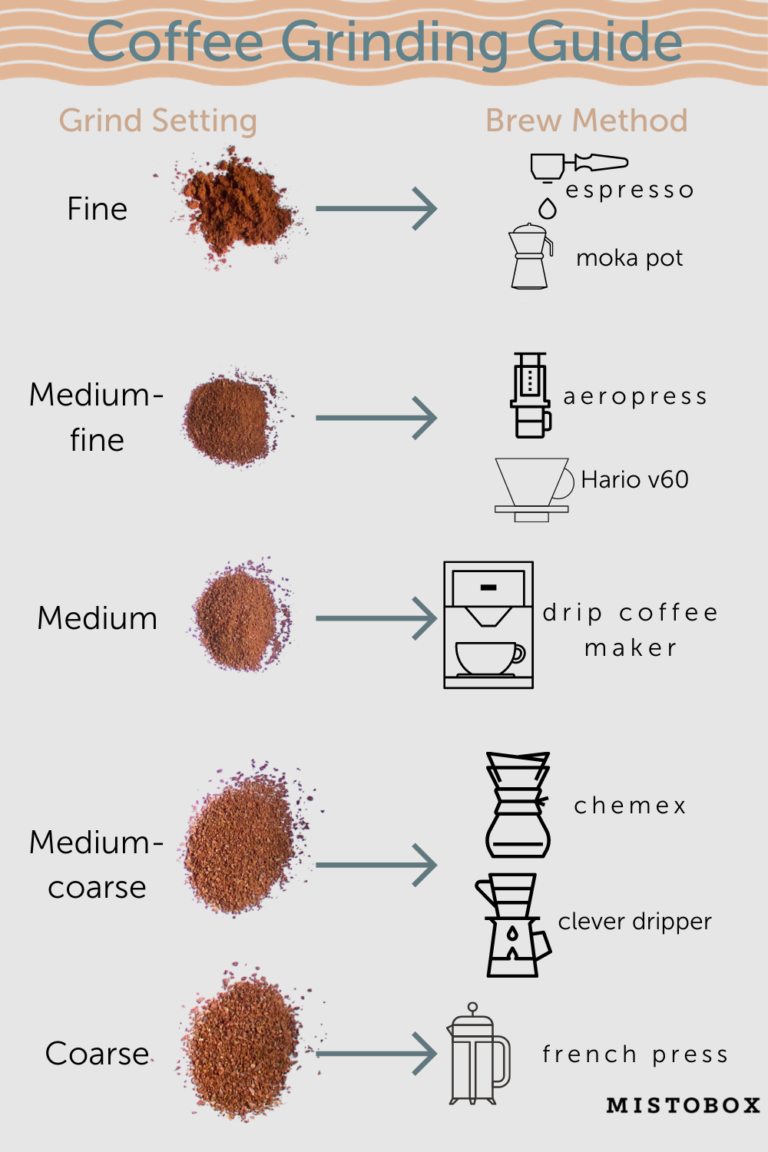
A coarse grind generally suits French press, a medium grind suits automatic drip, and a medium-fine grind often suits pour-over. Espresso requires a much finer grind and far more precise adjustment. Buy whole beans when possible and grind immediately before brewing. If you must buy pre-ground coffee, purchase a small bag and use it quickly because aroma fades faster after grinding.
Control the variables beginners can actually repeat
Use a basic digital scale, a consistent water source, and a simple ratio. A practical starting point for drip or pour-over is 60 grams of coffee per liter of water, adjusted to taste. Use water that is hot but not aggressively boiling, and keep the brew time reasonably consistent. Change one variable per test. If the cup tastes sour and thin, try a finer grind or longer contact time. If it tastes bitter and dry, try a coarser grind or shorter contact time.
Pro Tips & Maintenance for Beginner Coffee
Usage Tips
- Buy the smallest bag that you can finish within two to four weeks, and check the roast date instead of relying only on a best-by date.
- Record dose, water weight, grind setting, brew time, and taste in a phone note; this turns random experimentation into useful learning.
- Begin with black coffee or a small amount of milk before adding syrups, because tasting the plain cup helps you identify whether the issue is bitterness, sourness, weak body, or stale flavor.
Maintenance
- Rinse removable brewer parts after every use, empty wet grounds promptly, and wash milk-contact components immediately after steaming.
- Clean grinder burrs and the grounds bin regularly, descale brewers according to the manufacturer’s schedule, and replace water filters when their rated life ends.
Important Terms to Know (Jargon Buster)
Extraction
Extraction is the process of water pulling flavor compounds from ground coffee. Too little extraction can taste sour and thin; too much can taste bitter and dry.
Burr grinder
A burr grinder crushes beans between two shaped surfaces, usually producing more consistent particles than a spinning blade grinder.
Roast level
Roast level describes how long and how hot the beans were roasted. Light roasts often preserve more acidity, medium roasts balance sweetness and body, and dark roasts usually taste heavier and more roasty.
Final Verdict: Which Should You Buy?
The ultimate beginner coffee choice is a fresh medium-roast Arabica brewed with a simple drip or pour-over setup, supported by the Baratza Encore grinder when you want whole-bean freshness and better consistency. Among the listed equipment, the Breville Bambino is the winner for beginners who want espresso-based drinks. It combines a compact design, rapid startup, manual control, and a realistic path from first latte to more advanced home brewing. The best learning resource is How To Make The Best Coffee At Home, while the green beans, bird book, coffee art book, and paint kit serve narrower purposes rather than answering the core coffee question.
Keep the first setup simple: medium roast, fresh beans, repeatable water, a measured dose, and one brewing method. Great beginner coffee does not require a luxury café budget. It requires a forgiving bean and a process you can repeat.
FAQs About What Is the Best Coffee for Beginners
01 What coffee flavor is easiest for a beginner to enjoy?
02 Should a beginner buy whole-bean or pre-ground coffee?
03 Is espresso or drip coffee better for a first-time coffee drinker?
04 Does a beginner need an expensive coffee grinder?
05 Why does beginner coffee taste sour or bitter?