
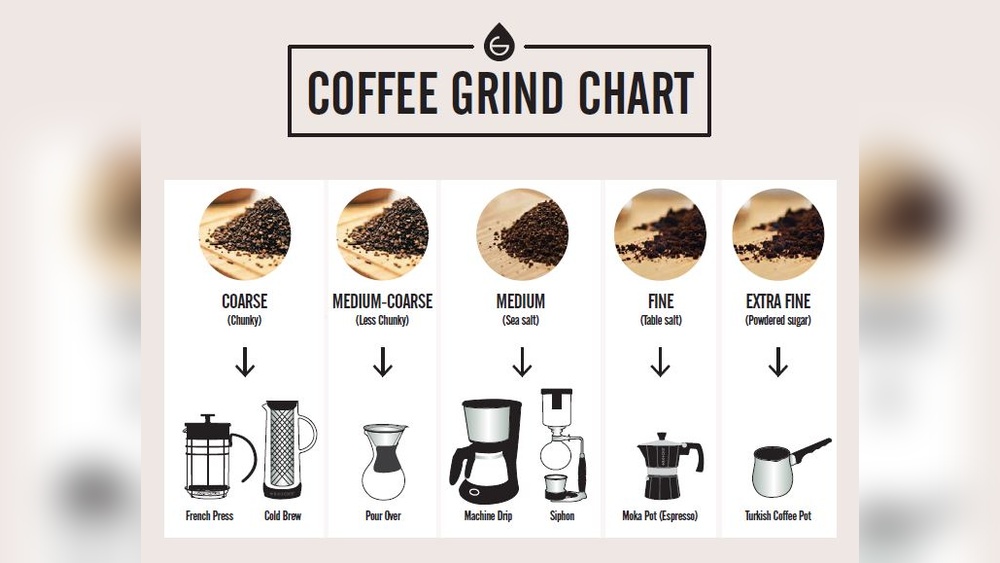
For most coffee brewed in a typical U.S. automatic drip coffee maker, use a medium grind—similar in texture to regular table salt or sand. A medium grind allows water to pass through the coffee bed at a controlled rate, extracting enough flavor without making the coffee overly bitter or weak.
The exact setting may need a small adjustment. Use a slightly finer grind if the coffee tastes thin or sour, and a slightly coarser grind if it tastes bitter, harsh, or takes too long to brew.
The Best Grind Size for Drip Coffee
A medium grind is the best starting point for most drip coffee makers, including common 8- to 12-cup brewers used in U.S. homes and offices.
Grind size affects how quickly water extracts soluble compounds from ground coffee:
- Finer grounds expose more surface area to water and extract faster.
- Coarser grounds expose less surface area and extract more slowly.
- Medium grounds provide a practical balance for the typical contact time and paper filter used by drip brewers.
A medium drip-coffee grind should feel finer than coarse sea salt but not as powdery as flour. It should also be noticeably coarser than espresso grounds.
Drip coffee grind size by brewer type
| Drip brewing method | Recommended starting grind | Why |
|---|---|---|
| Automatic flat-bottom brewer | Medium | Works well with the wider, shallower coffee bed |
| Automatic cone brewer | Medium to medium-fine | The deeper coffee bed may benefit from slightly finer grounds |
| Pour-over with a cone dripper | Medium to medium-fine | Supports controlled flow through the deeper bed |
| Pour-over with a flat-bottom dripper | Medium | Suits the shallower, more even coffee bed |
| Reusable metal filter | Medium to medium-coarse | Helps reduce sediment and slows extraction less than very fine grounds |
| Cold brew served over ice | Coarse | Uses a much longer steeping time |
| French press | Coarse | Limits sediment and reduces over-extraction during immersion |
| Espresso machine | Fine | Designed for pressure brewing, not drip brewing |
These descriptions are starting points rather than universal grinder settings. A “medium” setting on one grinder may produce noticeably different particles from a medium setting on another.

How Coffee Grind Size Changes Flavor
Grind size changes the balance between extraction, brew time, and water flow. Extraction is the process in which water dissolves flavor compounds from roasted coffee.
If the grind is too fine
Coffee grounds that are too fine can slow the flow of water through the filter. The result may be:
- Bitter or harsh flavor
- Dry, astringent mouthfeel
- Burnt or overly intense notes
- A muddy coffee bed
- A brew basket that drains unusually slowly
- More sediment, especially with a reusable filter
Very fine particles can also clog some paper or reusable filters. This may cause water to pool in the basket and increase contact time.
If the grind is too coarse
Coffee grounds that are too coarse may allow water to pass through too quickly. The coffee may taste:
- Thin or watery
- Sour or sharp
- Flat
- underdeveloped
– Weak even when you use enough coffee
Coarse grounds can also produce uneven extraction because water may find channels through the coffee bed instead of contacting all of the particles evenly.
Grind size is not the same as coffee strength
Coffee strength refers mainly to how concentrated the brewed coffee is. You can change strength by adjusting the amount of coffee or water.
Grind size primarily affects extraction. For example:
- If coffee tastes weak but balanced, use more coffee or less water.
- If coffee tastes weak and sour, the grind may be too coarse, the water may be too cool, or the brew may be too short.
- If coffee tastes strong but bitter, use less coffee or a coarser grind, depending on the flavor and brewing conditions.
Changing only the grind is not always the right solution.

How to Choose the Right Grind for Your Drip Coffee Maker
Start with a medium grind, then adjust based on the brewer design and the flavor in the cup.
Flat-bottom automatic drip brewers
Use a medium grind for most flat-bottom machines. These brewers distribute water over a relatively wide coffee bed, so a medium grind usually provides an appropriate flow rate.
If the coffee tastes watery or sour, move one or two grinder steps finer. If the coffee tastes bitter or the basket drains slowly, move slightly coarser.
Cone-shaped drip brewers
Cone-shaped filter baskets create a deeper coffee bed. They often work well with a medium to medium-fine grind, although the correct setting depends on the brewer’s water flow and showerhead design.
Do not automatically grind very fine for a cone filter. Excessively fine grounds may restrict flow and create bitterness.
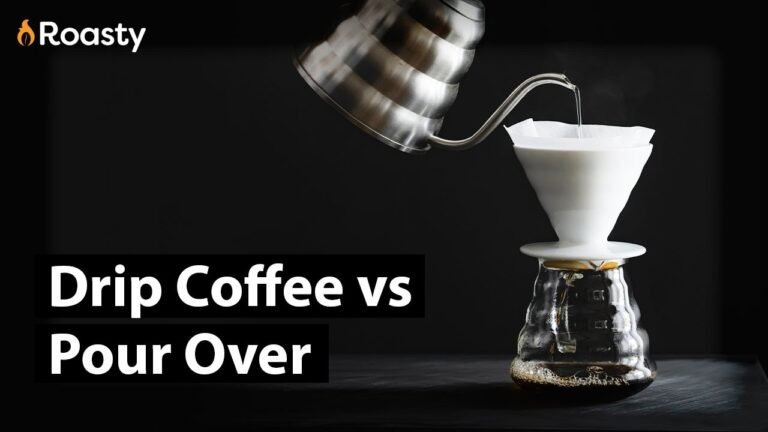
Pour-over coffee
For pour-over coffee, start with a medium grind for a flat-bottom dripper or a medium to medium-fine grind for a cone-shaped dripper.
Pour-over brewing is more sensitive to grind size because the user controls the pouring pattern, flow rate, and total brew time. A slower pour or a more restricted filter may require a slightly coarser grind.
Reusable metal filters
Reusable metal filters allow more oils and fine particles into the cup than paper filters. Start with a medium to medium-coarse grind to reduce sediment and prevent a slow drain.
If the coffee tastes thin, adjust slightly finer. If the cup becomes muddy or bitter, return to a coarser setting and clean the filter thoroughly.

How to Dial In Drip Coffee Grind Size
Use a repeatable process rather than changing several variables at once.
1. Start with a medium grind
Use fresh coffee beans and grind them immediately before brewing when possible. Begin with the grinder’s medium range rather than relying on a generic number, because grinder calibration varies.
2. Keep the coffee-to-water ratio consistent
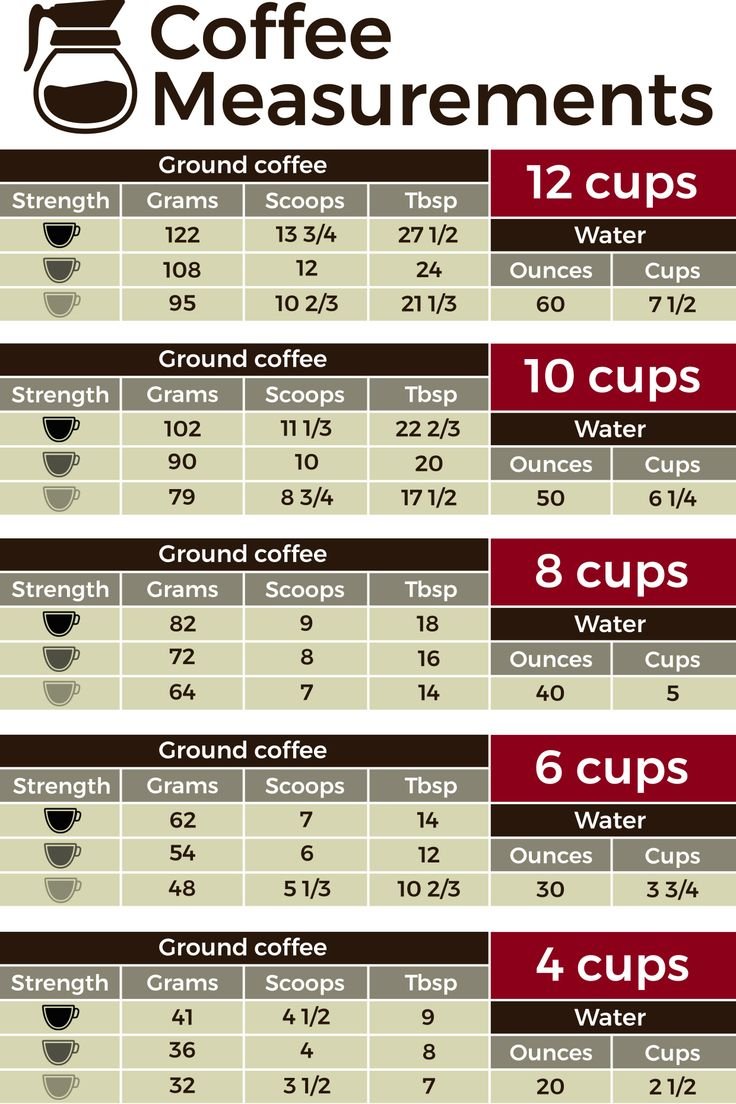
A useful starting point is approximately 55 grams of coffee per liter of water, which equals about 1 gram of coffee for every 18 grams of water. The Specialty Coffee Association’s brewing guidance places the commonly used ratio near this range, with some flexibility based on preference.
For a smaller batch, a hypothetical starting point would be:
- 500 grams of water
- About 27 to 28 grams of coffee
Use the brewer’s water markings carefully. On many U.S. coffee makers, one “cup” is smaller than an 8-ounce U.S. measuring cup, so the machine’s labeled capacity may not correspond directly to standard kitchen cups.
3. Brew and taste the coffee
Taste the coffee after it has cooled enough to evaluate comfortably. Very hot coffee can hide acidity, bitterness, and other flavor differences.
Pay attention to both flavor and brew behavior:
- Did the basket drain unusually fast?
- Did the grounds remain flooded?
- Did the coffee taste sour, hollow, bitter, or dry?
- Was the cup balanced but simply too strong or weak?
4. Change only one variable
If the coffee tastes sour, sharp, or thin and the brew finishes quickly, grind slightly finer.
If the coffee tastes bitter, harsh, or dry and the brew finishes slowly, grind slightly coarser.
Make small changes rather than moving from medium directly to espresso-fine or French-press coarse.
5. Repeat with the same dose and water amount
Brew again using the same coffee and water quantities. This makes it easier to identify whether the grind adjustment helped.
Drip Coffee Grind Troubleshooting Chart
Use the symptom, likely cause, and adjustment together. Flavor alone does not prove that grind size is the problem.
| What you notice | Possible cause | First adjustment |
|---|---|---|
| Sour, sharp, or underdeveloped coffee | Grind too coarse, water too cool, or brew too fast | Grind slightly finer |
| Bitter, harsh, or drying coffee | Grind too fine, brew too slowly, or water too hot | Grind slightly coarser |
| Watery but not sour coffee | Too little coffee or too much water | Increase the coffee dose slightly |
| Strong but balanced coffee | Brew is concentrated | Use more water or less coffee |
| Muddy cup with a metal filter | Too many fine particles or grind too fine | Grind slightly coarser and clean the filter |
| Basket overflows or drains slowly | Fine grounds, clogged filter, or excessive agitation | Grind coarser and check the filter |
| Coffee tastes flat | Stale beans, poor storage, or water quality | Use fresher beans and filtered water |
| Coffee tastes inconsistent | Uneven grinder particles or changing technique | Use a burr grinder and standardize the dose |
A sour flavor does not always mean the grind is too coarse. Low water temperature, insufficient brewing time, stale equipment, or an unsuitable coffee-to-water ratio can produce similar results.
Likewise, bitterness does not always mean the grind is too fine. Overheating, holding coffee on a hot plate for too long, or using dark-roasted coffee with a high dose can also contribute.

Other Variables That Affect Drip Coffee
Grind size is important, but it works together with coffee dose, water, temperature, filter shape, and brewer performance.
Water temperature
The Specialty Coffee Association and other coffee-brewing references commonly place the preferred brewing range around 195° to 205°F, or approximately 91° to 96°C, for many brewing methods.
A household drip brewer may not maintain the same temperature throughout the brewing cycle. If the machine consistently brews too cool, changing the grinder may not fully correct a sour or weak cup.
Coffee freshness
Freshly roasted coffee gradually loses volatile aromas after roasting. Coffee that is too old may taste flat, papery, or dull regardless of grind size.
Store whole beans in an airtight container away from heat, light, and moisture. Avoid freezing and thawing the same coffee repeatedly because condensation can affect quality.
Burr versus blade grinders
A burr grinder generally produces a more consistent particle distribution than a basic blade grinder. More consistent particles can make drip coffee easier to adjust because fewer extremely fine or large pieces interfere with flow.
If you use a blade grinder, short pulses and gentle shaking can distribute the particles more evenly, but the result may still be less consistent than a burr grinder.
Paper filter shape
Flat-bottom and cone-shaped filters create different coffee-bed geometries. The same grind may behave differently in each design.
Paper filters also remove more oils and sediment than metal filters. If you change filter types, you may need to adjust the grind slightly.
Water quality
Coffee is mostly water, so tap water characteristics can affect flavor. Strong chlorine odors, excessive hardness, or very low mineral content may produce an unpleasant cup.
Filtered water that tastes clean is a reasonable starting point. Do not use distilled water as a default for brewing unless the water is remineralized for coffee use; water with very few dissolved minerals may extract flavor poorly.
Brewer cleanliness
Coffee oils and mineral scale can build up in the brew basket, carafe, showerhead, and internal water path. A dirty brewer can make coffee taste rancid or inconsistent and can alter water flow.
Follow the coffee maker manufacturer’s cleaning and descaling instructions. Unplug the appliance before cleaning components that are not designed to remain connected to power, and never immerse the electrical base unless the manufacturer specifically allows it.

Common Mistakes When Grinding Coffee for Drip Brewers
Avoid these mistakes when adjusting your setup:
-
Using espresso-fine coffee in a drip machine
Espresso grounds can restrict flow and produce bitter, over-extracted coffee. -
Using French-press-coarse coffee for a short drip cycle
Very coarse grounds may allow water to pass too quickly, producing thin or sour coffee. -
Changing grind, dose, and water at the same time
You will not know which change affected the result. -
Treating grinder numbers as universal
Grinder settings are not standardized across brands or models. -
Ignoring the coffee basket shape
A cone filter and a flat-bottom filter may need different starting points. -
Grinding all coffee in advance
Ground coffee loses aroma faster than whole beans. Grind close to brewing time when practical. -
Using coffee maker “cups” as standard U.S. cups
Many brewers define a cup using a smaller volume than the 8-ounce cup commonly used in American kitchen measurements. -
Blaming grind size for every flavor problem
Water temperature, coffee freshness, dose, brew time, and equipment cleanliness can matter just as much.
Key Takeaways
- The best starting grind for most drip coffee makers is medium.
- Use medium to medium-fine for many cone-shaped brewers and pour-over drippers.
- Use medium to medium-coarse with many reusable metal filters.
- Grind finer when coffee is fast, sour, or thin.
- Grind coarser when coffee is slow, bitter, or drying.
- Adjust one variable at a time and keep the coffee-to-water ratio consistent.
- A grind setting is only a starting point; the correct result is a balanced cup with a normal brew flow.
FAQs About Drip Coffee Grind Size
Is drip coffee grind medium or coarse?
Drip coffee is usually medium, not coarse. Coarse grounds are more suitable for long immersion methods such as French press or cold brew. Some cone-shaped drip brewers may work better with a medium-fine grind.
Can I use pre-ground coffee for a drip coffee maker?
Yes. Choose coffee labeled for drip or automatic brewing, which is generally medium ground. Pre-ground coffee is convenient, but grinding whole beans immediately before brewing usually preserves more aroma.
Why does my drip coffee taste bitter?
Bitterness can result from grounds that are too fine, a slow brew, excessive heat, over-extraction, very dark coffee, or coffee sitting on a hot warming plate. Start by grinding slightly coarser and checking the brewer’s cleanliness and brew time.
Why does my drip coffee taste sour?
Sourness often indicates under-extraction. The coffee may be too coarse, the water may be too cool, or the brew may be passing through too quickly. Try a slightly finer grind while keeping the dose and water amount unchanged.
What grind should I use for a reusable coffee filter?
Start with a medium to medium-coarse grind. A metal filter allows more oils and fine particles through, so an overly fine grind can create a muddy cup or slow drainage.
Do I need a burr grinder for drip coffee?
You can make drip coffee with a blade grinder, but a burr grinder typically gives you more consistent particles and finer control. Consistency is especially helpful when troubleshooting sour, bitter, or uneven coffee.
Conclusion
Use a medium grind for most drip coffee makers in the United States. Then adjust slightly finer or coarser based on taste, brew speed, filter shape, and the coffee maker’s design. For the most reliable results, keep the coffee dose and water amount steady, use clean water and equipment, and change only one brewing variable at a time.


One Comment