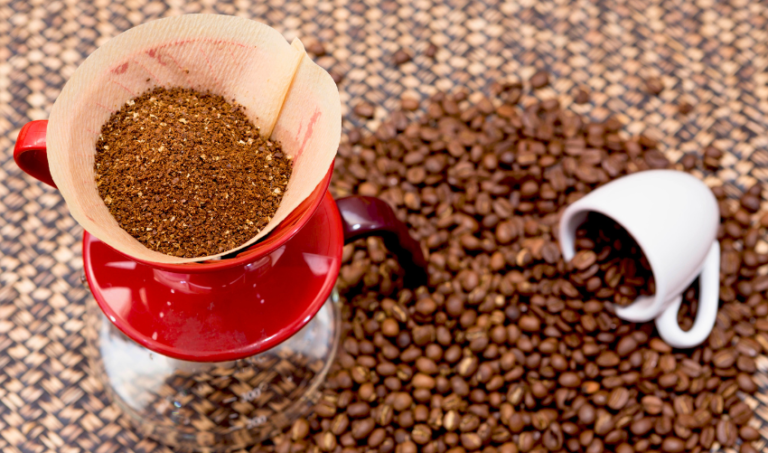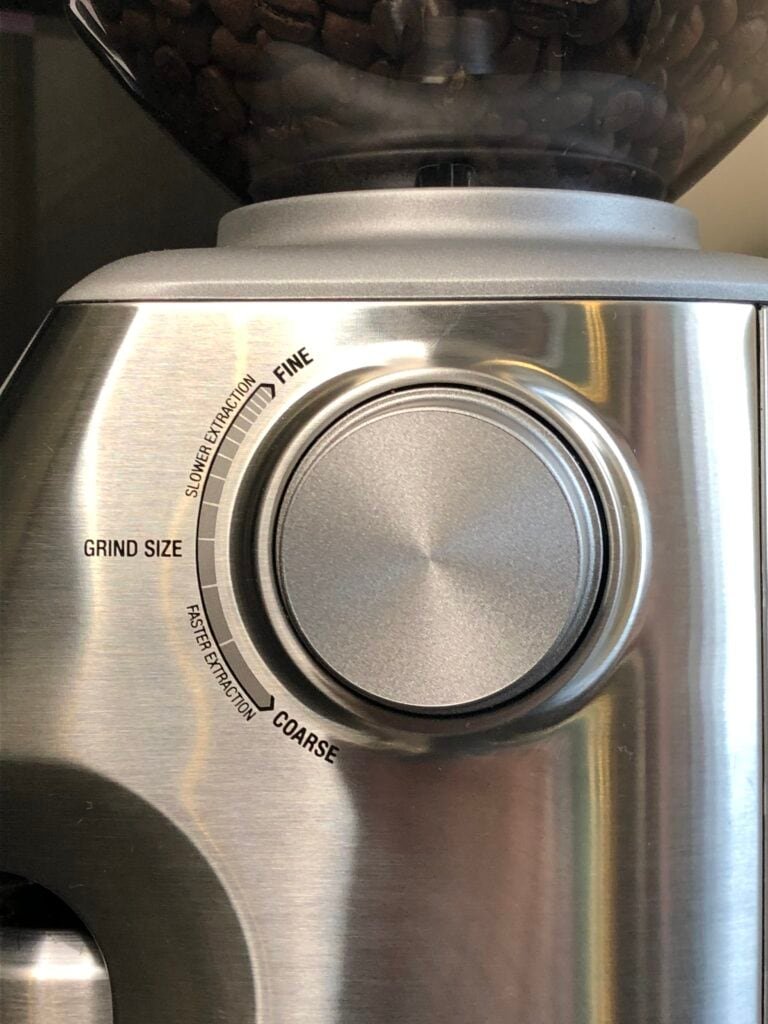
Use a medium to medium-fine grind and a measured dose (about 9–12 g) per reusable K-Cup; avoid tamping and keep the bed loose so water flows through the pod at normal Keurig-style brew speed.
Introduction — USA context
If you use a Keurig or other single-serve brewer in the United States, you can grind your own beans for K-Cups to get fresher flavor and lower waste. Most U.S. homes use 6–12 oz cup sizes on these brewers. A home grinder and a reusable K-Cup let you control roast, freshness, and strength while still using your machine. This guide shows safe, practical steps and small tests so you get good results fast.

What a K-Cup is and why grind size matters
A K-Cup is a single-serve pod built for Keurig-style drip-brew machines.
Inside is a small coffee bed and a filter. The brewer forces hot water through the pod and out a needle. That flow path is short and low-pressure compared with espresso machines.
Why grind size matters
- Too fine: water moves very slowly or clogs the pod. The cup tastes bitter or burnt.
- Too coarse: water rushes through and the coffee tastes weak and sour.
- Right size: water passes at the brewer’s normal rate and the cup tastes balanced.
Quick practical rule
Aim for a grind between filter drip (medium) and espresso (fine). Think "salt-to-table-sugar" texture. That gives good flow in most K-Cup setups without clogging or under-extraction.

How to grind coffee for K-Cups — prerequisites and step-by-step
Use a medium to medium-fine grind. Measure dose and do not press the coffee tightly.
Prerequisites (what you need)
- Fresh whole beans. Buy roast dates when possible.
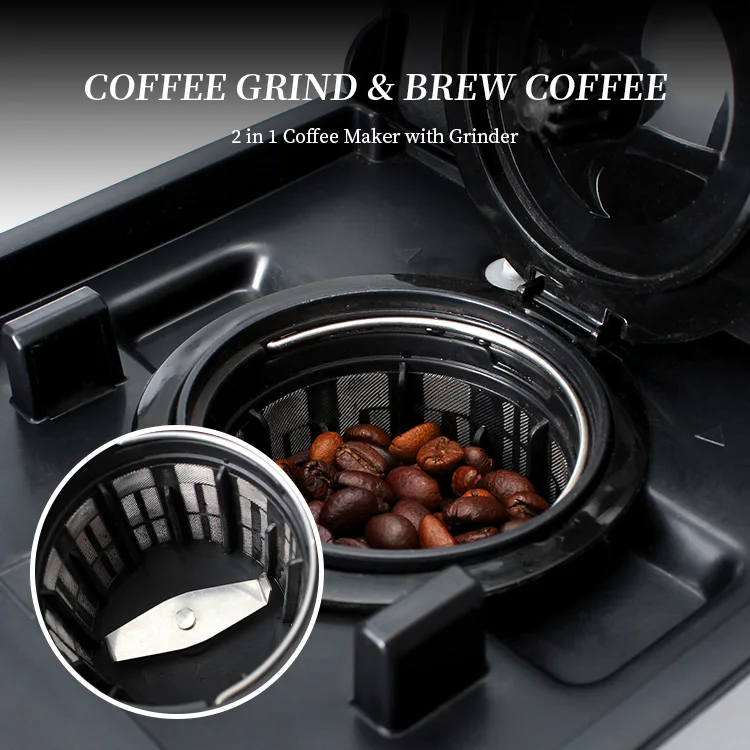
- A burr grinder. Burrs give consistent particle size. Blade grinders vary too much.
- A scale (digital, 0.1 g accuracy) or measuring spoon.
- A reusable K-Cup that fits your brewer. Check capacity and instructions.
- A small funnel or scoop (optional) to avoid spills.
Step-by-step method
- Pick the cup size you will brew (6, 8, 10, or 12 oz). Smaller cup = stronger brew for the same dose.
- Weigh coffee. Start with about 9–12 grams per reusable K-Cup. Use 9 g for 6–8 oz, 10–12 g for 8–12 oz as a starting point.
- Set your burr grinder to medium to medium-fine. If the grinder uses numbers, choose a setting near the middle.
- Grind only what you will brew within a few days. Grind small batches for best flavor.
- Fill the reusable K-Cup. Pour the ground coffee into the basket. Leave a small gap at the top—do not overfill.
- Level the grounds gently. Do not tamp or press firmly. Light leveling (finger swipe) is enough. Tamping can block flow.
- Clean the rim so the lid seals correctly. Close the pod and place it in the machine.
- Brew with the cup-size you chose. If brew settings include "strong," avoid it on the first test; stronger mode can increase extraction and highlight grind issues.
Signs of success
- Normal brew flow without sputtering.
- Cup fills to the expected volume.
- Flavor is balanced: not thin or overly bitter.
If the process fails, try these quick checks
- Slow or sputtering flow: grind coarser or reduce dose.
- Weak cup: grind finer slightly or reduce cup size on the brewer.
- Bitter cup: grind coarser, reduce dose, or choose a lighter roast.
Grind settings, dose examples, and decision table
Match grind and dose to the cup size and your strength goal.
Practical dose and grind examples
- Small (6–8 oz): 8–10 g, medium-fine grind. Use smaller cup setting to boost strength.
- Medium (8–10 oz): 9–12 g, medium grind. This is the most common balance.
- Large (10–12 oz): 10–14 g, medium to medium-coarse grind. Expect a milder cup unless you increase dose.
Decision table (simple)
| Cup size (US oz) | Start dose (g) | Grind feel |
|---|---|---|
| 6–8 | 8–10 g | Medium-fine (like fine salt) |
| 8–10 | 9–12 g | Medium (table salt to sugar) |
| 10–12 | 10–14 g | Medium to medium-coarse |
Notes on strength and brew ratio
- Typical coffee brew ratios for pour-over are 1:15–1:18 (coffee:water). K-Cups usually carry less coffee than those ratios suggest for a strong cup.
- Example: an 8 oz cup at 1:16 ratio would use ~15 g coffee. A reusable K-Cup that holds 10–12 g will make a milder cup unless you select a smaller cup size or run a double-dose (if the pod fits).
How to tune by test
- Brew using your starting dose and grind.
- Taste and classify: weak, balanced, or bitter.
- Adjust one variable at a time: dose ±1–2 g, or grind one notch coarser/finer.
- Repeat until satisfied.

Troubleshooting: common problems, causes, and fixes
Slow flow (machine sputters or takes too long)
- Cause: grind too fine or coffee overpacked. Also check machine needles for blockages.
- Fix: grind coarser by one or two steps. Lighten packing. Clean the needles per the brewer manual.
Weak, watery cup
- Cause: grind too coarse, low dose, or brew size too large for the dose.
- Fix: grind a bit finer, add 1–2 g more coffee, or select a smaller brew size.
Bitter, harsh cup
- Cause: over-extraction from too-fine grind, too long contact time, or too-hot water.
- Fix: grind coarser, reduce dose, or avoid “strong” settings until dialed in.
Clogged pod or overflow
- Cause: very fine grounds, oily beans, or overfilling the pod.
- Fix: use coarser grind, wipe rim clean before closing, do not overfill. Consider a reusable pod with larger holes if clogging continues.
Off flavors (papery, stale, or chemical)
- Cause: stale beans, dirty pod, or a plastic taste from the reusable capsule.
- Fix: use fresher beans, clean the reusable K-Cup, and rinse the brewer. Try a different reusable pod if plastic taste persists.
Machine safety checks
- If water leaks from the pod area or the machine makes unusual noises, stop and unplug. Inspect for obstructions and follow manufacturer repair guidance.

Limitations, safety, and compatibility
Grinding for K-Cups improves freshness but has limits and safety points.
Limitations
- Pod capacity: most reusable K-Cups hold about 9–14 g. That caps how strong your cup can be without changing cup size.
- Extraction style: Keurig-style machines use short contact time and moderate pressure. You cannot get espresso-like extraction from these machines.
- Consistency: blade grinders and uneven grinds make clogging or weak cups more likely. Burr grinders reduce that risk.
Safety and compatibility
- Use only reusable K-Cups designed for your brewer. Poor fits can leak or jam the machine.
- Do not overfill or tightly tamp. Excess pressure can cause leaks or odd brew behavior.
- Clean needles and pod bays per your brewer manual. Unplug the machine before deep cleaning.
- Avoid very oily flavored beans in reusable metal filters; oils can accumulate and clog filters faster.
When to get professional help
- If the machine sprays water from places other than the cup spout.
- If internal seals leak after normal cleaning.
- If service is needed, contact the machine maker or an authorized service center.

Final notes, key takeaways, and next action
Summary (short)
Grind between medium-fine and medium. Use about 9–12 g per reusable K-Cup. Keep grounds loose and avoid tamping. Tune by adjusting one thing at a time.
Key takeaways
- Use a burr grinder for even particles.
- Start with 9–12 g per pod and adjust by cup size and taste.
- No heavy tamping; level only.
- If the brew is slow: coarsen grind or reduce dose. If weak: fine grind or add a gram or two.
- Keep your brewer and reusable pods clean.
Next action (what to do now)
- Buy or borrow a small burr grinder.
- Grind 10 g at a medium setting and test an 8 oz brew.
- Taste and adjust grind ±1 step or dose ±1–2 g.
- Record settings that work for your beans and cup size.
Research, evidence limits, and why this guide is reliable
This guide uses established coffee-brewing principles (grind affects extraction and flow), common reusable K-Cup capacities, and typical Keurig-style machine behavior. I could not fetch new web pages while writing. If you need manufacturer-specific limits or exact pod capacity for your reusable cup, check the product manual or the reusable pod packaging for the model and date. For machine repairs or warranty questions, contact the brewer manufacturer.
FAQs
Q: Can I tamp grounds in a reusable K-Cup to get stronger coffee?
A: No. Tamping restricts flow in single-serve pods. It makes extraction slow and often bitter. Level the grounds lightly instead.
Q: My brewer uses “strong” mode. Should I use it with my homemade pod?
A: Try a normal mode first. Strong mode increases contact and can make grind issues worse. Use strong only after you tune grind and dose.
Q: How long before brewing should I grind the beans?
A: Grind right before brewing for best aroma. If not possible, grind within 1–3 days and store in an airtight container.
Q: What if my reusable K-Cup overflows or the machine spits?
A: Stop the brew, remove the pod, and check for very fine grounds or overfill. Clean needle ports and try a coarser grind and lighter fill.
Q: Can I use dark, oily beans?
A: You can, but oily beans may clog metal filters or increase residue. Roast oils can also speed filter clogging. Clean the pod more often.
If you want, I can make a one-page quick cheat sheet with a short checklist for grind dial-in and a printable table for your most used cup sizes.