A coffee grinder breaks whole beans into controlled particles so water can extract their flavor evenly.
Understanding what does a coffee grinder do can change the way you brew coffee at home. Grind size affects taste, aroma, strength, and even brewing time. Whether you use a drip machine, French press, espresso maker, or pour-over setup, the grinder is one of the most important tools in your coffee routine.
A good grinder does more than crush beans. It helps you control the size and consistency of each coffee particle, giving you a better chance of making a balanced cup.
What Does a Coffee Grinder Do?
A coffee grinder turns roasted coffee beans into smaller pieces called coffee grounds. These grounds expose more surface area to water, allowing the water to remove flavor compounds during brewing.
What does a coffee grinder do beyond crushing beans? It controls the size, shape, and consistency of the grounds. Those details affect how quickly water moves through the coffee and how much flavor it extracts.
For example:
• Coarse grounds work well for French press coffee.
• Medium grounds suit many drip coffee makers.
• Fine grounds are common for espresso.
• Extra-fine grounds are often used for Turkish coffee.
Coffee beans are naturally dense. If you put a whole bean into a coffee maker, water can only reach a small part of its surface. Grinding opens the bean and makes brewing possible.
Think of a coffee grinder like a kitchen knife. A sharp, controlled knife gives you clean, even cuts. A poor grinder creates a mix of powder, chunks, and uneven pieces. That mix can lead to coffee that tastes both bitter and weak at the same time.

Why Grind Size Matters
Grind size controls the speed of extraction. Extraction happens when water pulls soluble compounds from coffee grounds. The goal is to remove enough flavor for a sweet, balanced cup without pulling too much or too little.
A smaller particle has more surface area compared with its volume. Water can reach it quickly. This makes fine grounds extract faster than coarse grounds.
What does a coffee grinder do when you change the setting? It changes the contact between water and coffee. This helps you adjust the brewing process to match your method and taste.
Coarse coffee grounds
Coarse grounds look similar to rough sea salt. They allow water to pass more slowly through the larger particles.
They are often used for:
• French press
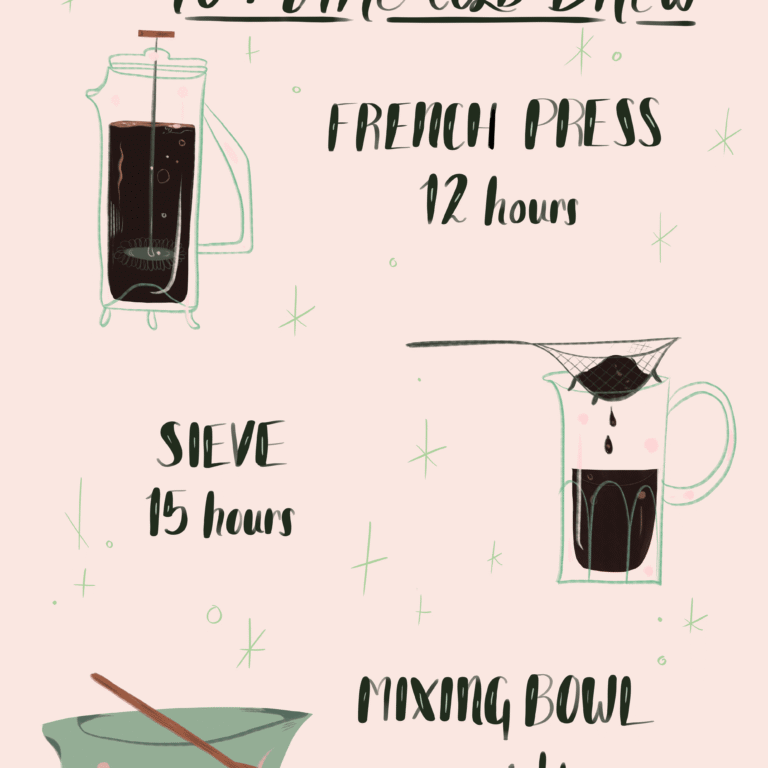
• Cold brew
• Percolators
• Some cupping methods
If coarse grounds are used in a fast brewing method, the coffee may taste sour, thin, or sharp. The water may pass through before it extracts enough flavor.
Medium coffee grounds
Medium grounds have a texture close to sand. They are a common starting point for:
• Automatic drip coffee makers
• Some pour-over brewers
• Flat-bottom brewers
Medium grind settings are useful because they offer a balance between water flow and extraction. You may still need to adjust the setting based on the coffee bean, filter, and brewing time.
Fine coffee grounds
Fine grounds feel closer to table salt or flour. They slow water flow and increase extraction speed.
They are commonly used for:
• Espresso
• Moka pots
• AeroPress recipes that use short brew times
If fine grounds are too compact or too powdery for the method, water may move too slowly. The result can taste bitter, dry, or harsh.
How a Coffee Grinder Affects Flavor
Coffee flavor comes from many compounds. Some taste sweet and fruity, while others taste bitter, smoky, or dry. Brewing removes these compounds at different rates.
What does a coffee grinder do to flavor? It helps decide which compounds water can reach and how quickly that happens. A consistent grind gives water a more predictable path through the coffee.
Under-extracted coffee often tastes:
• Sour
• Sharp
• Thin
• Salty
• Lacking sweetness
Over-extracted coffee may taste:
• Bitter
• Dry
• Harsh
• Burnt
• Hollow
A balanced cup usually has sweetness, clarity, pleasant acidity, and a smooth finish. The right grind size does not fix every coffee problem, but it gives you better control.
The effect of uneven grounds
A grinder can create two main particle types:
• Boulders, which are larger pieces that extract slowly
• Fines, which are very small particles that extract quickly
A large amount of both can make brewing difficult. The fines may become bitter, while the larger pieces remain sour or weak. This is why grind consistency matters as much as the average grind size.
In practical testing, one of the clearest lessons is that a small grind adjustment can change a cup more than adding expensive brewing equipment. When coffee tastes sour, moving slightly finer often helps. When it tastes bitter or dry, moving slightly coarser may help.
Change only one thing at a time. If you change the grind, water temperature, dose, and brew time together, you will not know which adjustment made the difference.
Burr Grinders vs. Blade Grinders
The two main grinder types are burr grinders and blade grinders. Both can reduce whole beans to smaller pieces, but they do it in different ways.
How a burr grinder works
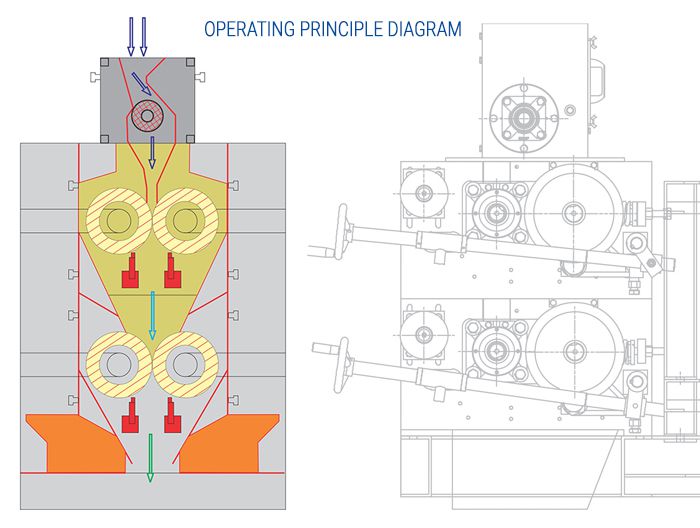
A burr grinder uses two abrasive surfaces called burrs. The beans pass between the burrs and break into pieces as the burrs rotate.
The distance between the burrs controls the grind size. Many burr grinders offer several settings, from coarse to fine.
Burr grinders are popular because they usually provide:
• Better grind consistency
• More control over particle size
• Easier repeatability
• Better results for espresso and pour-over coffee
Burrs may be made from stainless steel, ceramic, or other hard materials. The burr shape and alignment also affect performance.
How a blade grinder works
A blade grinder uses a fast spinning blade to chop coffee beans. The longer it runs, the smaller the average pieces become.
Blade grinders are often less expensive and easy to find. However, they do not offer the same level of control as burr grinders. The beans can bounce around the chamber, creating a mix of fine dust and large chunks.
If you use a blade grinder, short pulses can help reduce heat and improve control. Shaking the grinder gently between pulses may also spread the beans more evenly.
Still, a blade grinder has a clear limit. It is difficult to create a precise espresso grind or a highly consistent pour-over grind with one.
Which grinder should you choose?
A blade grinder may be suitable if you:
• Brew coffee casually
• Have a small budget
• Use a French press or basic drip machine
• Do not need exact grind control
A burr grinder is a better choice if you:
• Brew several coffee styles
• Drink espresso
• Want repeatable results
• Enjoy adjusting recipes
• Care about flavor clarity

What Does a Coffee Grinder Do for Different Brewing Methods?
Every brewing method uses a different relationship between grind size, water, pressure, and time. What does a coffee grinder do in each case? It prepares the coffee so the brewing method can work as intended.
Drip coffee
Drip coffee makers usually need a medium grind. The water passes through the grounds and filter at a steady rate.
If the grounds are too fine, the filter may drain slowly. The coffee may taste bitter or heavy. If the grounds are too coarse, the water may pass too quickly, creating a weak cup.
French press
French press coffee usually works best with a coarse grind. The large particles help reduce sediment and make it easier to press the filter.
Very fine grounds can pass through the mesh screen. They may also produce a muddy cup with more bitterness.
Pour-over coffee
Pour-over brewers often use a medium to medium-fine grind. The best setting depends on the brewer, filter, pouring style, and brew time.
If water drains too fast, try a finer grind. If the water drains too slowly, try a coarser grind.
Espresso
Espresso requires a fine and consistent grind. Water is pushed through the coffee under pressure, so small changes can have a noticeable effect.
A grind that is too coarse may cause fast flow and weak espresso. A grind that is too fine may slow the shot and create bitter flavors.
Espresso also needs a grinder with precise adjustment. Small changes can affect the shot time, crema, strength, and balance.
Cold brew
Cold brew often uses a coarse grind because the coffee sits in water for many hours. A coarse setting can make filtering easier and reduce excess bitterness.
Very fine grounds may create a cloudy drink and make the filter clog.

How to Use a Coffee Grinder Correctly
Knowing what does a coffee grinder do is useful, but correct use matters just as much. Small habits can improve consistency and reduce waste.
Follow these steps:
-
Weigh your coffee beans if possible. A scale gives you better control than using a scoop alone.
-
Select a starting grind size that matches your brewing method.
-
Grind only the amount you need. Freshly ground coffee loses aroma faster than whole beans.
-
Keep the grinder level while it runs.
-
Use short pulses if you have a blade grinder.
-
Brew the coffee and taste it.
-
Adjust the grind slightly for the next brew.
Do not rely only on brew time. Taste is the best guide. A coffee may finish at the expected time and still taste unbalanced because of the bean, water, or dose.
A simple adjustment guide
Use these changes as a starting point:
• Sour or weak coffee: grind slightly finer.
• Bitter or dry coffee: grind slightly coarser.
• Slow dripping: use a coarser grind or reduce the dose.
• Fast, watery brewing: use a finer grind or increase the dose.
• Uneven espresso shots: check the grind, distribution, and tamping.
Make small changes. A single step on a grinder can make a meaningful difference, especially with espresso.

Does a Coffee Grinder Improve Freshness?
A coffee grinder does not make old beans fresh again. It helps preserve more aroma by allowing you to grind beans just before brewing.
Whole beans protect many volatile compounds inside their structure. Once ground, the larger surface area allows aroma to escape more quickly. Oxygen, moisture, heat, and light also reduce coffee quality over time.
For the best results:
• Store beans in an airtight, opaque container.
• Keep the container in a cool, dry place.
• Avoid storing coffee in a humid area.
• Grind close to brewing time.
• Buy an amount you can use while the beans still smell and taste lively.
A grinder also helps you avoid pre-ground coffee that may sit in an open bag for weeks. Fresh grinding will not turn poor beans into excellent coffee, but it can help good beans show more of their aroma and flavor.
There is one limitation. Freshness is not the only factor. Roast age, bean quality, storage, water chemistry, and brewing technique all matter. A fresh grind is a strong starting point, not a guarantee.
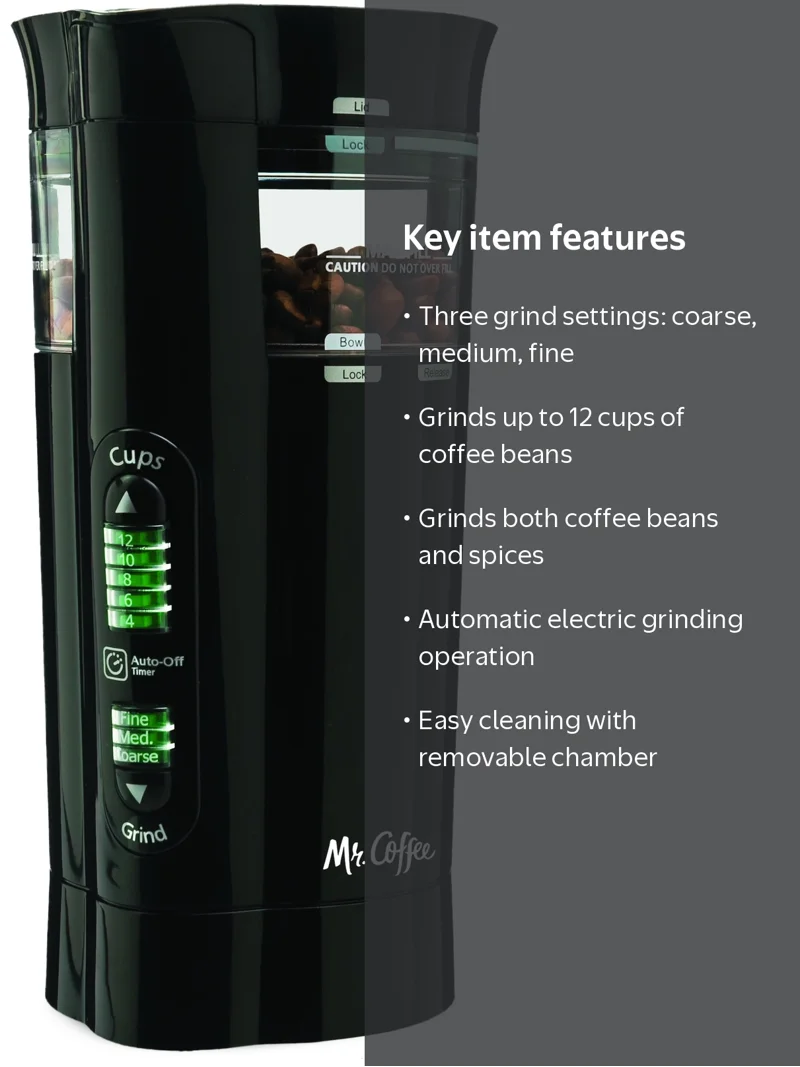
How to Clean and Maintain a Coffee Grinder
Coffee oils and small particles build up inside a grinder. Over time, this residue can become rancid and affect the taste of fresh coffee.
What does a coffee grinder do when it is dirty? It may produce stale flavors, clog more easily, and grind less consistently. Regular cleaning helps protect both flavor and performance.
Basic grinder cleaning
Use this general routine:
-
Unplug the grinder before cleaning it.
-
Remove the hopper and any loose coffee.
-
Brush grounds from the burrs or blade area.
-
Wipe the inside with a dry, soft cloth.
-
Empty and clean the catch cup.
-
Reassemble the grinder when all parts are dry.
Do not use water inside an electric grinder unless the manual says a part is washable. Moisture can damage the motor and encourage mold.
Burr grinders may need deeper cleaning from time to time. Follow the manufacturer’s instructions before removing burrs or changing their position.
Signs that cleaning is needed
Clean the grinder if you notice:
• A stale or oily smell
• Coffee that tastes dull
• Slower grinding
• More clumping
• Unusual noise
• Grounds stuck around the burrs
The correct cleaning schedule depends on use. A person who makes one cup a day may clean less often than someone who makes several espresso drinks each day.
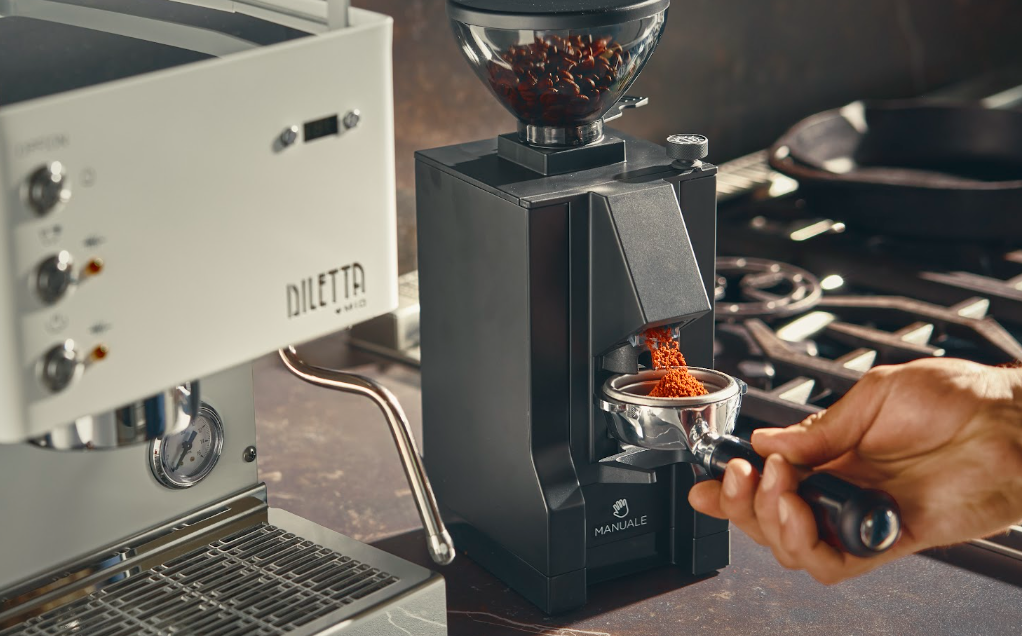
Common Coffee Grinder Mistakes to Avoid
Even a quality grinder cannot fully solve poor technique. These common mistakes can make coffee taste worse.
Using the wrong grind size
The most common mistake is using one setting for every brewing method. Espresso, French press, and drip coffee need different particle sizes.
Start with the recommended range, then adjust based on taste and flow.
Grinding too much coffee
Grinding a large batch may seem convenient, but unused grounds lose aroma faster. Grind the amount needed for each brew when possible.
Ignoring dose and water
What does a coffee grinder do if the coffee-to-water ratio is wrong? It cannot correct an unbalanced recipe. Use a consistent dose and water amount before making grind adjustments.
Changing several variables at once
Change one factor at a time. A careful process helps you learn how your grinder behaves.
Not checking the grinder’s retention
Retention means coffee remains inside the grinder after grinding. This can cause old grounds to mix with fresh ones.
Some retention is normal. You can reduce it by brushing the exit area and using the grinder regularly. Espresso users may need to pay extra attention because small changes affect each shot.
Using oily beans without checking compatibility
Very oily beans can leave heavy residue inside some grinders. This does not mean oily coffee is always bad, but the grinder may need more frequent cleaning.
How to Choose the Right Coffee Grinder
The best coffee grinder depends on your brewing method, budget, and desire for control.
Consider these features:
• Grind consistency: Important for balanced extraction.
• Adjustment range: Useful if you make more than one coffee style.
• Dose control: Helpful for repeatable brewing.
• Burr size and material: These affect speed, durability, and heat management.
• Ease of cleaning: A simple design is easier to maintain.
• Noise level: Important in shared homes or early mornings.
• Retention: Less retained coffee makes switching beans easier.
• Build quality: A stable grinder can last longer and feel easier to use.
For a basic drip setup, an entry-level burr grinder may offer a clear improvement over a blade grinder. Espresso usually requires a more precise grinder with smaller adjustment steps.
Do not assume the most expensive model is automatically the best choice. A grinder that is easy to adjust, clean, and use every day may serve you better than a complex model that stays in a cabinet.
My practical advice is to match the grinder to your real habits. If you only make one simple brew each morning, you may not need advanced features. If you enjoy testing beans and recipes, better control can make the process much more rewarding.
Frequently Asked Questions About What Does a Coffee Grinder Do
What does a coffee grinder do to coffee beans?
A coffee grinder breaks whole roasted beans into smaller particles called grounds. These grounds expose more surface area to water, allowing coffee flavor compounds to dissolve during brewing.
Is a coffee grinder really necessary?
A grinder is not required if you buy pre-ground coffee, but it is useful for freshness and control. Grinding just before brewing usually preserves more aroma and lets you choose the correct size for your brewing method.
Is a burr grinder better than a blade grinder?
A burr grinder usually creates more consistent grounds and offers better control. A blade grinder can work on a budget, but it often produces a mix of fine and large particles.
What grind size should I use for drip coffee?
Medium grounds are a common starting point for drip coffee makers. Adjust finer if the coffee tastes weak and sour, or coarser if it tastes bitter and dry.
Can I use one grind setting for every coffee method?
You can, but the results may not be ideal. Different methods need different grind sizes because they use different brew times, water flow, and pressure.
How often should I clean my coffee grinder?
Clean loose grounds often and perform a deeper cleaning based on how frequently you use the grinder. Heavy users, especially espresso drinkers, may need to clean more often because coffee oils build up quickly.
Why does my coffee taste bitter after grinding?
The grind may be too fine, the coffee may be over-extracted, or the beans may be stale or darkly roasted. Try grinding slightly coarser and change only one part of the recipe at a time.
Conclusion
A coffee grinder turns whole beans into usable grounds and gives you control over extraction. What does a coffee grinder do in practical terms? It shapes the speed, consistency, freshness, and flavor of your brew.
Burr grinders generally offer better control than blade grinders, while the right grind size depends on your brewing method. Fresh grinding, careful adjustment, proper storage, and regular cleaning can make a noticeable difference in your daily cup.
Start with your current brewing method, make one small grind adjustment, and taste the result. Once you learn how your grinder affects flavor, better coffee becomes less about guesswork and more about simple, repeatable choices.