
Use 1½ to 2 level tablespoons of ground coffee for each 8-ounce cup of water.
Knowing how many tablespoons of coffee per cup of water gives you a simple starting point for better coffee. The best amount depends on your coffee type, grind, brewing method, and taste, so this guide explains the ideal coffee-to-water ratio, easy measurements, common mistakes, and ways to adjust each brew with confidence.
The Best Coffee-to-Water Ratio
For most drip coffee makers, pour-over brewers, and automatic brewers, use 1½ to 2 tablespoons of ground coffee for 8 fluid ounces of water. This range creates a balanced cup that is neither too weak nor too strong.
A useful starting chart is:
| Water | Ground coffee |
|---|---|
| 6 ounces | 1 to 1½ tablespoons |
| 8 ounces | 1½ to 2 tablespoons |
| 10 ounces | 2 to 2½ tablespoons |
| 12 ounces | 2¼ to 3 tablespoons |
| 16 ounces | 3 to 4 tablespoons |
| 32 ounces | 6 to 8 tablespoons |
These amounts use level tablespoons of medium-ground coffee. A heaping spoon adds much more coffee than it may seem, which can make the brew bitter or overly strong.
The common coffee ratio used by many brewing experts is about 1 gram of coffee for every 15 to 18 grams of water. Since one level tablespoon of ground coffee often weighs about 5 grams, 1½ to 2 tablespoons works well for an 8-ounce cup.

Why “One Cup” Can Mean Different Amounts
The word “cup” causes much of the confusion around coffee measurements. In most American recipes, 1 cup means 8 fluid ounces. However, many coffee makers count a cup as only 5 or 6 fluid ounces.
For example, a coffee maker marked “12 cups” may hold only 60 to 72 fluid ounces of water. It may not produce twelve standard 8-ounce mugs.
Before deciding how many tablespoons of coffee per cup of water, check what your brewer calls a cup. Use this guide:
• Standard kitchen cup: 8 fluid ounces
• Typical coffee maker cup: 5 to 6 fluid ounces
• Small diner-style cup: 6 ounces
• Large home mug: 10 to 12 ounces
If your coffee maker uses 5-ounce cups, 1 tablespoon per machine cup may be enough. If you fill a large 12-ounce travel mug, you may need about 2½ to 3 tablespoons.

How Many Tablespoons of Coffee Per 8 Ounces of Water?
For 8 ounces of water, start with 1½ tablespoons of medium-ground coffee. Use 2 tablespoons if you prefer a fuller, stronger flavor.
This amount works well for:
• Drip coffee makers
• Pour-over coffee
• French press coffee
• AeroPress recipes with a larger serving
• Cold brew concentrate, with later dilution
A level tablespoon usually holds less coffee than a rounded spoon. For more consistent results, weigh the grounds. A good target for 8 ounces of water is about 14 to 16 grams of coffee.
When people ask how many tablespoons of coffee per cup of water, they often mean an 8-ounce cup. In that case, 1½ tablespoons is a mild-to-medium starting point, while 2 tablespoons gives a richer cup.

How Many Tablespoons of Coffee Per 6 Ounces of Water?
For 6 ounces of water, use 1 to 1½ tablespoons of ground coffee. Choose 1 tablespoon for a lighter cup and 1½ tablespoons for a stronger cup.
Many coffee brewing charts use 6 ounces as one serving. This is why some instructions recommend 1 tablespoon per cup even though the result may seem weak in a large 8-ounce mug.
If your coffee maker counts 6-ounce cups, multiply the number of machine cups by 1 to 1½ tablespoons. For example, six 6-ounce cups require about 6 to 9 tablespoons of coffee.
The correct answer to how many tablespoons of coffee per cup of water changes when the “cup” changes. Always match the coffee amount to the actual water volume.
Coffee Tablespoons Per Mug Size
Mugs vary widely, so measuring by mug size can make brewing easier. Start with these amounts:
• 8-ounce mug: 1½ to 2 tablespoons
• 10-ounce mug: 2 to 2½ tablespoons
• 12-ounce mug: 2¼ to 3 tablespoons
• 16-ounce travel mug: 3 to 4 tablespoons
These numbers assume standard drip or pour-over coffee. A dark roast may taste stronger than a light roast at the same weight because roasting changes its flavor and density.
In my own kitchen, I usually begin with 2 tablespoons for a 12-ounce mug. If the coffee tastes thin, I add more grounds next time. If it tastes harsh, I reduce the amount slightly or use a coarser grind.

Tablespoons for Different Brewing Methods
The right answer to how many tablespoons of coffee per cup of water depends on the brewing method. Each method extracts coffee in a different way.
Drip Coffee
Use 1½ to 2 tablespoons per 8 ounces of water. Medium-ground coffee works best for most automatic drip machines.
Pour-Over Coffee
Use about 1½ to 2 tablespoons per 8 ounces of water. A medium-fine grind and a slow, steady pour help extract the coffee evenly.
French Press
Use 2 tablespoons per 8 ounces of water. French press coffee usually needs a coarse grind and a steep time of about 4 minutes.
Cold Brew
Cold brew often uses a much stronger mixture. Try 1 cup of coarse coffee grounds for 4 cups of water when making concentrate, then dilute it with water or milk.
AeroPress
AeroPress recipes vary. Many use 1½ to 2 tablespoons for a strong 8-ounce serving, but the shorter brew time and pressure can change the taste.
Moka Pot
Moka pots are filled by basket size rather than by a simple tablespoon ratio. Fill the filter basket with finely ground coffee without pressing it down, then use the water level recommended for the pot.

Tablespoons Versus Grams
Tablespoons are convenient, but grams are more accurate. Coffee grounds vary in size, roast level, and density, so one tablespoon may weigh anywhere from about 4 to 7 grams.
A kitchen scale removes much of this guesswork. For a standard 8-ounce cup, try 14 to 16 grams of coffee with about 240 grams of water.
Here is a simple comparison:
| Coffee amount | Approximate weight |
|---|---|
| 1 level tablespoon | 4 to 6 grams |
| 1½ tablespoons | 6 to 9 grams |
| 2 tablespoons | 8 to 12 grams |
| 3 tablespoons | 12 to 18 grams |
The exact weight depends on the beans and grind. If you want repeatable results, use weight first and tablespoons when you need a quick estimate.
How to Adjust Coffee Strength
The number of tablespoons is only one part of coffee strength. Water temperature, grind size, brew time, and bean freshness also affect the final cup.
If your coffee tastes weak:
• Add ¼ to ½ tablespoon more coffee next time.
• Grind the beans slightly finer.
• Check that your brewer reaches about 195°F to 205°F.
• Use fresh coffee and clean water.
If your coffee tastes too strong:
• Reduce the coffee by ¼ to ½ tablespoon.
• Use a slightly coarser grind.
• Add a small amount of hot water after brewing.
• Check whether your coffee maker uses a small 5-ounce cup measurement.
Coffee that tastes bitter is not always caused by too much coffee. Over-extraction, very hot water, a fine grind, or a long brew time can also create bitterness.

Common Mistakes to Avoid
Even with the right answer to how many tablespoons of coffee per cup of water, a few small mistakes can affect the taste.
Using a Large Spoon
A serving spoon is not the same as a tablespoon. Use a standard measuring tablespoon when possible.
Packing the Grounds
Do not press coffee into a tablespoon unless a recipe tells you to. Packed grounds can add too much coffee and produce a harsh brew.
Ignoring Water Volume
Measure the water before brewing. A full mug may hold 12 ounces, while the coffee maker may label only 6 ounces as one cup.
Using Stale Coffee
Ground coffee loses aroma quickly after grinding. Store it in an airtight container away from heat, light, and moisture.
Forgetting Water Quality
Fresh, filtered water often makes coffee taste cleaner. Strong odors or mineral-heavy water can affect the flavor.
Changing Several Things at Once
Adjust one factor at a time. Start by changing the amount of coffee, then test the grind or brew time if needed.

How Freshness and Grind Affect the Result
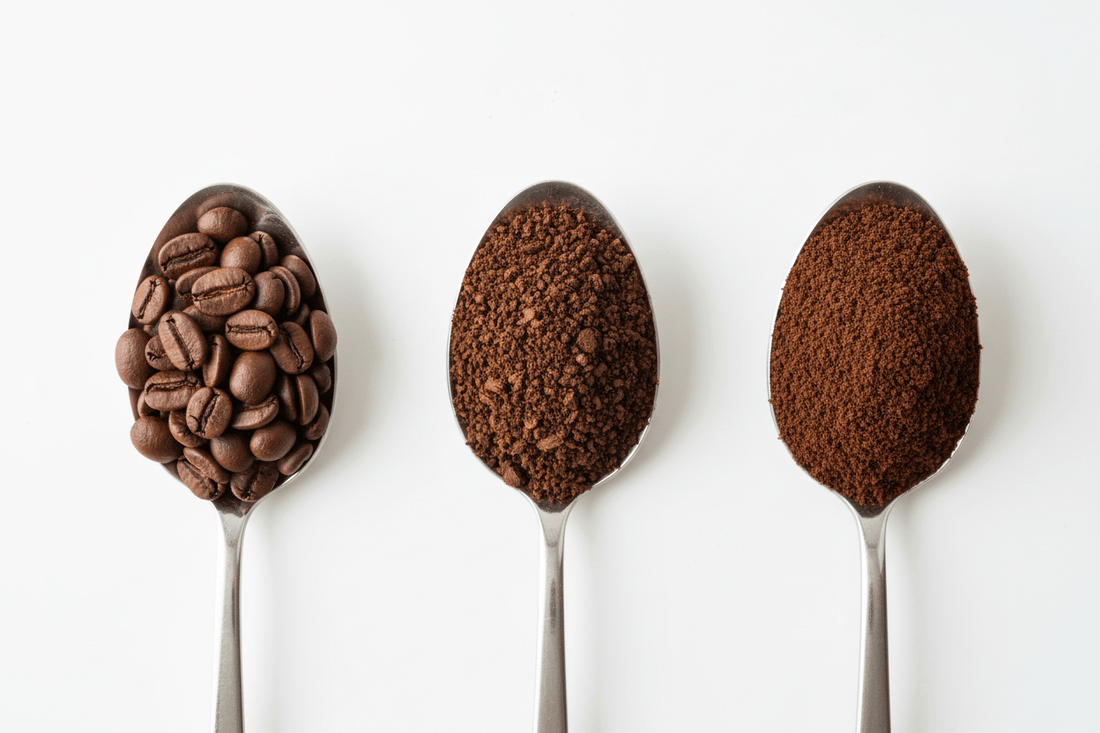
Freshly roasted beans usually offer better aroma and flavor than old, exposed grounds. For the best taste, buy whole beans and grind them shortly before brewing.
The grind should match the brewing method:
• Coarse grind: French press and cold brew
• Medium grind: Drip coffee
• Medium-fine grind: Pour-over
• Fine grind: Espresso and some moka pots
A grind that is too fine can slow water flow and make coffee bitter. A grind that is too coarse may let water pass too quickly, creating a weak or sour cup.
This is why how many tablespoons of coffee per cup of water is a starting point, not a strict rule. The same amount can taste different when the grind or brewing time changes.
A Simple Brewing Formula
Use this formula for an easy starting point:
-
Measure 8 ounces of water.
-
Add 1½ tablespoons of ground coffee.
-
Brew using the method’s normal time and temperature.
-
Taste the coffee after it cools for a minute.
-
Add ¼ tablespoon more coffee next time if it tastes weak.
-
Reduce the amount by ¼ tablespoon if it tastes too strong.
For a larger batch, multiply the amount. For example, 32 ounces of water needs about 6 to 8 tablespoons of coffee.
When teaching friends how many tablespoons of coffee per cup of water, I suggest starting low and adjusting slowly. It is easier to strengthen a mild cup than to rescue an over-extracted, bitter one.
Is More Coffee Always Stronger?
Adding more coffee usually makes the brew more concentrated, but it does not always make it taste better. If the water cannot extract the grounds evenly, extra coffee may create a muddy or bitter flavor.
You can also make coffee taste stronger by changing the grind, extending the brew time, or choosing a darker roast. Each choice affects flavor in a different way.
Coffee strength means how much dissolved coffee is in the drink. Coffee extraction means how much flavor the water pulls from the grounds. These are related, but they are not the same.
A balanced cup has enough flavor to taste rich without hiding the coffee’s natural notes. Start with the basic ratio, then adjust based on taste.
Health and Caffeine Considerations
The amount of coffee grounds affects caffeine, but the final caffeine level also depends on the bean type, roast, serving size, and brewing method. Arabica and Robusta beans do not contain the same amount of caffeine.
For healthy adults, many health authorities commonly cite up to 400 milligrams of caffeine per day as an amount that is not generally linked with negative effects. Individual tolerance varies, and pregnancy, certain medicines, anxiety, heart conditions, and sleep problems may require a lower amount.
Watch for signs that your coffee is too strong for you:
• Jitters
• Fast heartbeat
• Trouble sleeping
• Stomach discomfort
• Headaches after the caffeine wears off
If these symptoms occur, reduce the serving size or choose lower-caffeine coffee. Personal health advice should come from a qualified medical professional.
Frequently Asked Questions About How Many Tablespoons of Coffee Per Cup of Water
How many tablespoons of coffee should I use for one cup?
Use 1½ to 2 level tablespoons of ground coffee for an 8-ounce cup of water. Start with 1½ tablespoons, then adjust based on your preferred strength.
Is one tablespoon of coffee enough for one cup of water?
One tablespoon may be enough for a light cup, especially when the coffee maker defines a cup as 5 or 6 ounces. For a standard 8-ounce cup, 1½ to 2 tablespoons usually gives better flavor.
How many tablespoons of coffee do I need for 12 cups?
If each cup means 6 ounces, use about 12 to 18 tablespoons. If you are brewing twelve 8-ounce cups, use about 18 to 24 tablespoons.
Should I use more coffee for a French press?
Yes, French press coffee often uses about 2 tablespoons per 8 ounces of water. Use a coarse grind and steep the coffee for about 4 minutes before pressing.
Can I use tablespoons instead of a coffee scoop?
Yes. A standard coffee scoop often holds about 2 tablespoons, but scoop sizes vary. A measuring tablespoon gives you more control.
Why does my coffee taste bitter when I use the right amount?
Bitterness can come from a fine grind, long brewing time, water that is too hot, or stale coffee. Try a slightly coarser grind, shorter brew time, or fresher beans.
Conclusion
For most brewers, the best starting point is 1½ to 2 level tablespoons of ground coffee for every 8 ounces of water. Use less for a lighter cup, more for a stronger cup, and remember that coffee maker cups may hold only 5 or 6 ounces.
The answer to how many tablespoons of coffee per cup of water becomes easier when you measure your water, use a consistent spoon, and adjust one variable at a time. Try the basic ratio today, note what you taste, and fine-tune your next brew. Share your favorite coffee ratio or explore more brewing guides for better coffee at home.



3 Comments