
Light Roast vs Dark Roast Coffee comes down to flavor, acidity, body, caffeine, and how the beans are roasted.
Choosing between Light Roast vs Dark Roast Coffee can feel confusing when every bag uses different tasting notes. As a coffee enthusiast, I have learned that roast level changes the bean’s flavor more than many people expect. This guide explains the real differences, brewing tips, health facts, caffeine myths, and simple ways to find the roast that fits your cup.
What Is Light Roast Coffee?
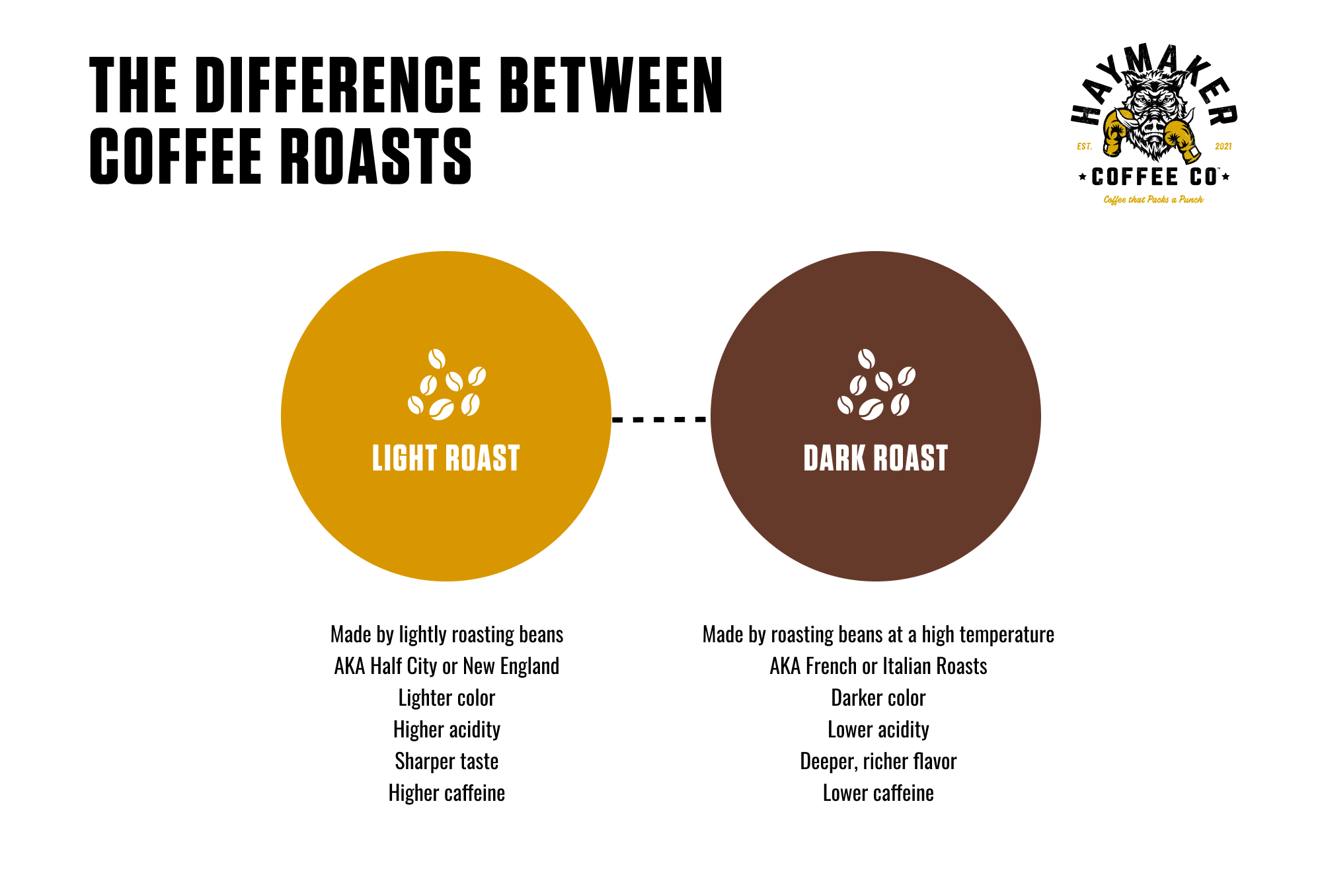
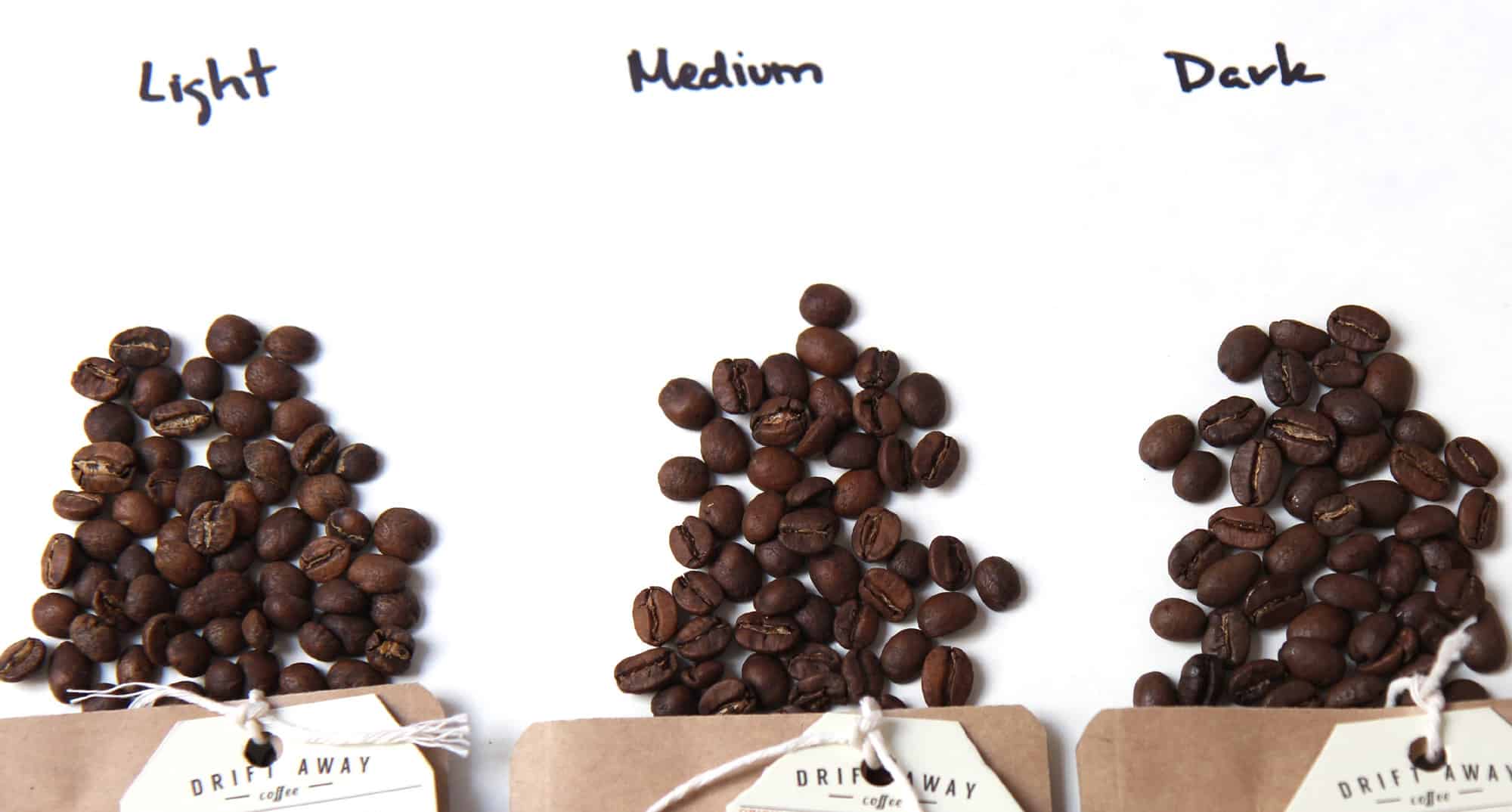
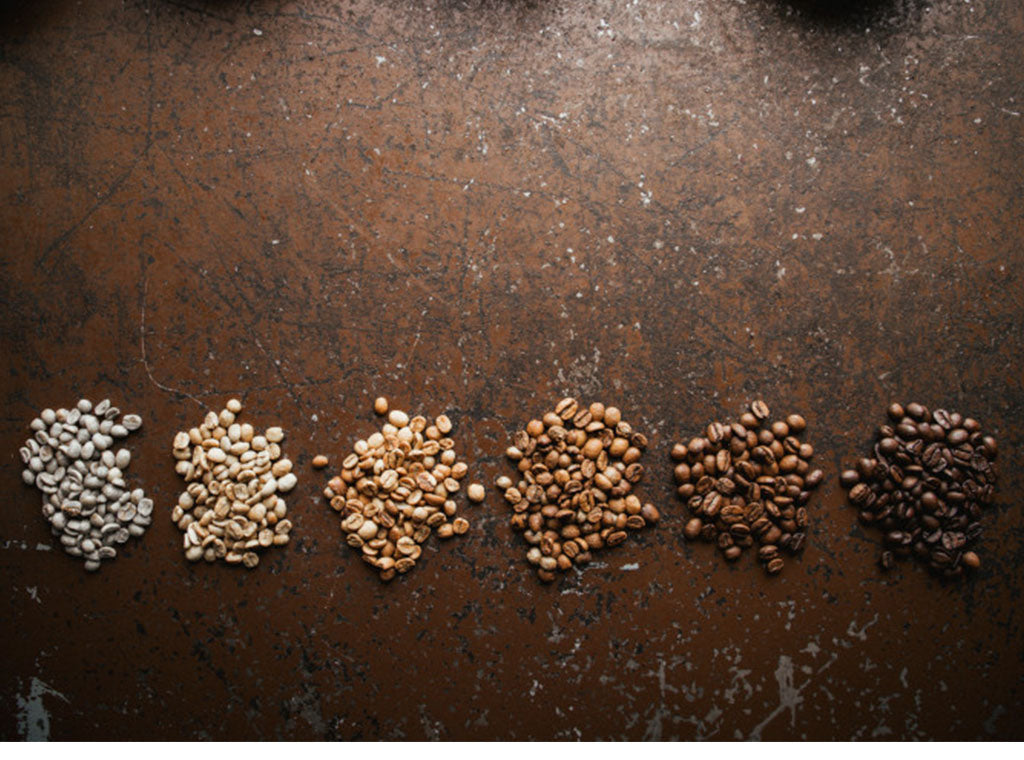
Light roast coffee is heated for less time than medium or dark roast coffee. The beans usually reach an internal temperature of about 350°F to 400°F before they are cooled. They often have a light brown color and little or no oil on the surface.
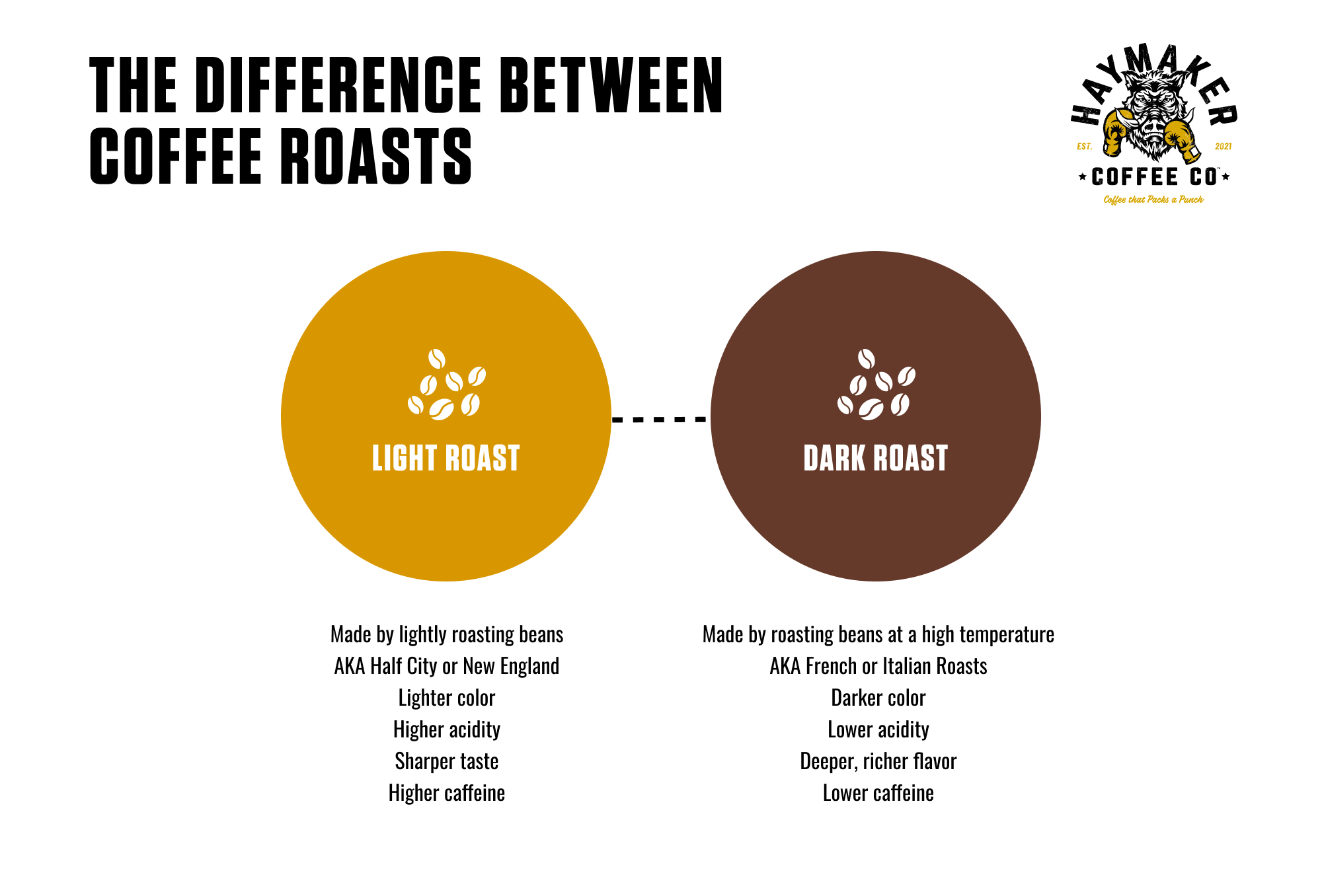
Light roasting keeps more of the bean’s original character. That means you may taste fruit, flowers, citrus, berries, nuts, or gentle sweetness. The final flavor depends on the coffee’s origin, variety, processing method, and growing conditions.
Light roast coffee also tends to have a brighter acidity. In coffee, acidity does not mean the drink is spoiled or sour. It creates a lively, crisp feeling, much like the freshness of an orange or a green apple.
Common features of light roast coffee include:
• Bright, crisp acidity
• Fruity, floral, or tea-like flavors
• A lighter body
• More noticeable origin character
• A longer, more complex finish
• A firm texture when brewed with the wrong method
Light roast beans are often used in pour-over brewing. This method can highlight delicate flavors and clean notes. They can also taste excellent in a French press, AeroPress, or batch brewer when the recipe is adjusted properly.
What Is Dark Roast Coffee?
Dark roast coffee stays in the roaster longer and reaches a higher temperature. The beans often reach about 430°F to 460°F, depending on the roasting style. They become dark brown, and their surface may show oil after a few days.
Dark roasting creates strong flavors through caramelization and chemical reactions inside the bean. These reactions produce notes that remind many people of chocolate, toasted nuts, caramel, smoke, or spices.
Unlike light roast coffee, dark roast coffee shows fewer delicate origin flavors. The roasting process becomes the main part of the taste. This can be helpful for people who prefer a rich, bold, and familiar cup.
Common features of dark roast coffee include:
• Lower perceived acidity
• A fuller, heavier body
• Bold roasted flavor
• Notes of dark chocolate, toast, or smoke
• A shorter and more intense finish
Dark roast coffee works well in espresso, moka pots, and automatic drip machines. It can also pair nicely with milk. The roast’s strong flavor can stand up to cream, sugar, and flavored syrups.
Light Roast vs Dark Roast Coffee: Main Differences
The clearest way to understand Light Roast vs Dark Roast Coffee is to compare flavor, texture, caffeine, acidity, and brewing needs. Roast level affects all of these areas, but not always in the way people assume.
| Feature | Light Roast Coffee | Dark Roast Coffee |
|---|---|---|
| Color | Light brown | Dark brown |
| Surface | Usually dry | May look oily |
| Flavor | Fruity, floral, bright | Bold, smoky, chocolate-like |
| Acidity | More noticeable | Less noticeable |
| Body | Light to medium | Medium to full |
| Origin character | Easier to taste | Less noticeable |
| Roast character | Mild | Strong |
| Best known for | Complex flavors | Rich, bold comfort |
Light roast coffee is like listening to a full band where each instrument is clear. Dark roast coffee is more like hearing a powerful bass line. Neither is automatically better. They simply create different experiences.
One important detail is that color alone does not tell the whole story. Some roasters label beans differently, and a “medium-dark” roast from one company may taste similar to a dark roast from another. Tasting the coffee is more reliable than trusting the label alone.

Flavor and Aroma
Light roast coffee usually offers more distinct flavor notes. A high-quality Ethiopian light roast, for example, may taste like berries, jasmine, lemon, or black tea. A Colombian light roast may show notes of red fruit, caramel, or citrus.
Dark roast coffee usually delivers deeper and more familiar flavors. You may notice cocoa, toasted bread, walnut, molasses, or smoke. These notes can be comforting, especially if you enjoy classic diner-style coffee.
The difference comes from the balance between bean character and roast character. Light roasting preserves more of the bean’s natural flavor. Dark roasting changes more of those flavors into roast-driven notes.
Still, roast level is not the only factor. A poorly grown light roast can taste flat or grassy. A carefully roasted dark coffee can taste sweet, smooth, and balanced. Freshness, storage, water quality, and brewing skill also matter.
Acidity, Body, and Mouthfeel
Acidity is one of the biggest differences in Light Roast vs Dark Roast Coffee. Light roasts often taste brighter because their natural acids remain more noticeable. This can create a clean and lively cup.
Dark roasts usually have lower perceived acidity. Longer roasting breaks down some acids and creates more bitter, roasted, and caramelized flavors. This can make dark coffee feel smoother to someone who dislikes sharp or citrus-like notes.
Body describes how heavy the coffee feels in your mouth. Light roast coffee often feels light or silky. Dark roast coffee tends to feel thicker, heavier, and more coating.
Your brewing method also changes body. A French press leaves more natural oils in the cup, while a paper filter removes many of them. This means a filtered dark roast may feel lighter than an unfiltered light roast.

Which Roast Has More Caffeine?
Many people believe dark roast coffee has more caffeine because it tastes stronger. That is usually not true. Caffeine changes very little during roasting, although the amount per scoop or per gram can differ.
Dark roasted beans lose more moisture and become less dense. If you measure coffee by weight, light and dark roasts contain fairly similar caffeine amounts. If you measure by volume, such as one tablespoon, you may use more dark roasted beans because they are less dense.
The most important caffeine factors are:
• The amount of coffee used
• The bean variety
• The brewing method
• The serving size
• The brewing time
• The natural caffeine level of the coffee
For a consistent caffeine amount, measure your coffee by weight. A kitchen scale is inexpensive and removes much of the guesswork. Also remember that caffeine content can vary widely between coffees, even when the roast level is the same.

Is Light Roast or Dark Roast Healthier?
Neither light roast nor dark roast is automatically the healthiest choice for everyone. Both can fit into a balanced diet when consumed in reasonable amounts. Your personal response matters more than the roast label.
Coffee contains antioxidants and other natural compounds. Research has linked moderate coffee consumption with several possible health benefits, but studies do not prove that one roast is best for every person.
Dark roasting may reduce some compounds while increasing others. Light roasting may preserve more of certain plant compounds, but it can also taste more acidic. These differences are complex, and coffee’s health effects depend on the whole diet and lifestyle.
People who are sensitive to acidity may prefer dark roast coffee. However, stomach discomfort can also come from drinking coffee on an empty stomach, using too much coffee, or drinking it too quickly. Anyone with a medical condition should follow advice from a qualified health professional.

How Roast Level Changes Brewing
Light roast coffee often needs more help during brewing. The beans are denser and less porous, so water may extract their flavors more slowly. A slightly higher water temperature, a finer grind, or a longer brew time can help.
Dark roast coffee extracts more easily because the beans are more fragile and porous. A lower water temperature, coarser grind, or shorter brew time may reduce bitterness.
Try these basic starting points:
For light roast coffee
• Use water around 200°F to 205°F
• Start with a medium-fine grind
• Try a longer brew time
• Use a pour-over or AeroPress
• Add a little more water if the cup tastes harsh
For dark roast coffee
• Use water around 195°F to 200°F
• Start with a medium or medium-coarse grind
• Try a shorter brew time
• Use a drip machine, French press, or espresso maker
• Reduce the dose if the cup tastes bitter
These are starting points, not strict laws. I have found that many brewing mistakes come from changing too many things at once. Adjust one variable, taste the result, and then make another small change.
Best Brewing Methods for Each Roast
Light Roast vs Dark Roast Coffee can both work with nearly any brewing method. The key is matching the recipe to the bean and the flavor you want.
Pour-over
Pour-over brewing is ideal for light roast coffee. Paper filters create a clean cup and help show fruit, floral notes, and gentle sweetness. It can also make dark coffee taste bright and less heavy.
French press
A French press gives coffee more body and texture. It works well with dark roasts and can create a rich, full cup. Light roasts may taste flavorful but can become muddy if the grind is too fine.
Espresso
Dark roast espresso is popular because it produces a heavy body and intense flavor. Light roast espresso can be excellent too, but it often needs careful control of grind size, water temperature, and extraction time.
AeroPress
An AeroPress is flexible and useful for both roast levels. For light coffee, use hotter water and a longer steep. For dark coffee, use slightly cooler water and a shorter steep.
Cold brew
Cold brew often works well with medium and dark roasts because the long, cool extraction creates a smooth drink. A light roast can make a bright cold brew, but it may need a longer steep or a different coffee-to-water ratio.

Common Mistakes to Avoid
Understanding Light Roast vs Dark Roast Coffee is helpful, but brewing mistakes can hide the differences. Many people blame the beans when the real issue is the recipe.
Avoid these common problems:
• Using water that is too cool for light roast coffee
• Using a grind that is too fine for dark roast coffee
• Measuring by volume instead of weight
• Using stale beans
• Ignoring water quality
• Brewing with a dirty machine
• Changing grind size, dose, and water temperature at the same time
Freshness matters. Coffee tastes best when stored in an airtight container away from heat, light, and moisture. Whole beans usually stay flavorful longer than pre-ground coffee because grinding exposes more surface area to air.
A simple tasting test can help. Brew the same amount of light roast and dark roast coffee with the same method. Use equal coffee weights and water amounts. Taste them side by side, and write down the flavor, body, sweetness, and finish.
My Practical Tasting Lessons
When comparing Light Roast vs Dark Roast Coffee, one lesson stands out: “strong” does not always mean more flavorful. Dark coffee can taste stronger because of roast bitterness, while light coffee may have more distinct flavor layers.
Another common mistake is judging light roast coffee after one poorly brewed cup. Early in my coffee experiments, I used the same recipe for every roast. The light coffee tasted sour, and I assumed I disliked it. After raising the water temperature and grinding finer, the cup became sweeter and much easier to enjoy.
I have also learned that personal preference changes with the moment. A bright light roast can feel refreshing in the morning. A dark roast with milk can feel comforting on a cold afternoon. Your ideal coffee does not need to stay the same all year.
If you are unsure, buy small bags instead of committing to a large one. Taste the coffee black first, then add milk or sugar. This helps you understand whether you prefer the bean’s natural flavor or the balance created by dairy and sweeteners.
How to Choose the Right Roast
The best roast depends on your taste, routine, and brewing equipment. Start by thinking about the flavors you already enjoy.
Choose light roast coffee if you like:
• Fruit, citrus, tea, or floral flavors
• Bright and lively drinks
• A clean finish
• Pour-over or manual brewing
• Exploring coffee origins
Choose dark roast coffee if you like:
• Chocolate, caramel, toast, or smoky notes
• A full and heavy body
• Lower perceived acidity
• Espresso or coffee with milk
• A bold, familiar flavor
If you enjoy both, try a medium roast. It can provide some origin character while keeping a richer body. Medium roast is often a useful bridge for people moving from dark coffee to lighter styles.
Do not choose only by the roast name. Read the tasting notes, roast date, origin, and processing method. A fresh light roast from a skilled roaster may taste completely different from a mass-produced light roast.
Light Roast vs Dark Roast Coffee for Espresso
Dark roast coffee has long been linked with traditional espresso. Its bold flavor, low brightness, and rich body work well in small servings. It also blends smoothly with milk in drinks such as lattes and cappuccinos.
Light roast espresso can taste more complex. It may show fruit, citrus, or floral notes that are easy to notice in a short shot. However, it often needs a more precise recipe.
For light roast espresso, you may need:
• A finer grind
• Higher water temperature
• A longer extraction
• Careful control of dose and yield
• Fresh, high-quality beans
For dark roast espresso, you may need:
• A slightly coarser grind
• Lower water temperature
• A shorter extraction
• A lower dose if bitterness is strong
The right choice depends on whether you want a traditional, chocolate-rich espresso or a bright, modern cup with more complexity.
Frequently Asked Questions About Light Roast vs Dark Roast Coffee
Is light roast coffee stronger than dark roast coffee?
Light roast coffee may taste more intense because it has brighter acidity and clearer flavor notes. Dark roast coffee often tastes bolder, but bold flavor does not necessarily mean more caffeine.
Does dark roast coffee have less caffeine?
Dark roast coffee does not always have less caffeine. When measured by weight, the difference is usually small, but serving size, bean type, and brewing method can change the final caffeine amount.
Which roast is less bitter?
Light roast coffee is often less bitter when brewed correctly, but it can taste sour if it is under-extracted. Dark roast coffee may taste more bitter because longer roasting creates stronger roasted flavors.
Is light roast coffee more acidic?
Light roast coffee usually has more noticeable acidity. The actual acidity depends on the bean, origin, processing method, freshness, and brewing recipe.
Which coffee roast is best for beginners?
Dark or medium roast coffee is often easier for beginners because it offers familiar chocolate and toasted flavors. Light roast coffee is a good choice for people who enjoy fruit, tea, and bright flavors.
Can you use light roast coffee in a French press?
Yes, you can use light roast coffee in a French press. Use a proper coarse grind, hot water, and enough steep time to help extract its dense, complex flavors.
Is dark roast coffee better for espresso?
Dark roast coffee is a classic choice for espresso because it can produce a rich body and bold flavor. Light roast coffee also works well, but it may require more precise dialing in.
Conclusion
Light Roast vs Dark Roast Coffee is not a contest with one universal winner. Light roast coffee highlights origin flavors, bright acidity, and delicate detail, while dark roast coffee offers heavier body, bold roast character, and familiar chocolate or smoky notes.
Your best choice depends on what you enjoy and how you brew. Try both roasts, adjust your recipe, and judge the coffee by taste rather than color or caffeine myths. Explore fresh beans from different origins, keep notes, and share your favorite Light Roast vs Dark Roast Coffee experience in the comments.
One Comment