Introduction
Cold brew coffee is coffee made by steeping ground coffee in cool or room-temperature water for many hours. Unlike iced coffee, it is not brewed hot and then chilled. This slow method creates a smooth drink with low bitterness and a rich coffee taste.
In the United States, cold brew is common in coffee shops, grocery stores, offices, and home kitchens. You can buy it ready to drink or make it with a jar, pitcher, French press, or cold brew maker.
Quick answer: Cold brew is coffee extracted with cold water over a long period, often 12 to 24 hours. It is usually served over ice and may be made as a ready-to-drink coffee or a strong concentrate.

How Is Cold Brew Coffee Made?
Cold brew is made by combining coarse coffee grounds with cold or room-temperature water, steeping the mix, and filtering out the grounds. The coffee then goes into the refrigerator or is served over ice.
A simple home method needs only four things:
- Coarsely ground coffee
- Cold or room-temperature water
- A large jar or pitcher
- A fine filter, paper filter, or clean cloth
Basic cold brew recipe
Use this starting ratio:
- 1 cup coarse coffee grounds
- 4 cups water
This makes a strong brew. You can dilute it later with water, milk, or ice.
- Add the coffee grounds to a jar or pitcher.
- Pour in the water.
- Stir gently so all the grounds get wet.
- Cover the container.
- Steep for 12 to 18 hours in the refrigerator or at room temperature.
- Strain the coffee through a fine filter.
- Serve over ice, or dilute it to taste.
- Store the finished coffee in the refrigerator.
For a lighter ready-to-drink batch, use about 1 part coffee to 8 parts water. For concentrate, use about 1 part coffee to 2 to 4 parts water, then dilute before drinking.
The best steep time depends on the grind, coffee amount, water, and temperature. A longer steep can produce a stronger drink, but it does not always produce a better one. If the coffee tastes dry, harsh, or woody, reduce the steep time or use fewer grounds.

Cold Brew vs. Iced Coffee
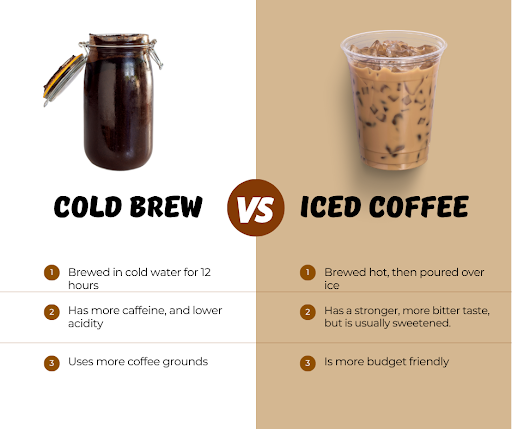
Cold brew and iced coffee are different because they use different brewing methods.
| Feature | Cold brew | Iced coffee |
|---|---|---|
| Water temperature | Cold or room temperature | Hot |
| Brew time | About 12–24 hours | A few minutes |
| Cooling method | Brewed cold from the start | Hot coffee is cooled over ice |
| Typical taste | Smooth, mellow, rich | brighter, more aromatic, sharper |
| Strength | Often made as concentrate | Usually ready to drink |
| Best for | Low-effort batches and smooth flavor | Fast brewing and fresh hot-coffee notes |
Iced coffee may be made by brewing regular coffee over ice. It keeps many of the bright flavors that hot water pulls from coffee. Cold brew extracts coffee more slowly, which changes the balance of flavor.
Neither method is automatically better. Choose cold brew if you want a smooth drink that you can prepare in advance. Choose iced coffee if you want a fast cup with a brighter taste.
Is cold brew stronger than iced coffee?
Cold brew can be stronger, but the answer depends on the recipe. Many cafés make cold brew as a concentrate and dilute it before serving. Some ready-to-drink cold brews are similar in strength to regular coffee.
The word “strong” can mean two things:
- Flavor strength: how bold the coffee tastes
- Caffeine strength: how much caffeine the drink contains
A bold taste does not always mean more caffeine. Check the serving size and the label when caffeine matters.
What Does Cold Brew Coffee Taste Like?
Cold brew often tastes smooth, sweet, and less bitter than hot-brewed coffee. Many people notice chocolate, nut, caramel, or brown-sugar notes. The final taste depends on the coffee bean, roast, grind, water, steep time, and dilution.
Cold water extracts coffee compounds more slowly than hot water. It also changes which compounds enter the drink and how much of each compound is extracted. Research published in Scientific Reports found that brewing temperature affects the levels of caffeine, chlorogenic acids, and other coffee compounds. The study did not prove that every cold brew tastes the same or has less caffeine.
Cold brew may seem less acidic because it often has a softer taste. That does not mean it is acid-free. Coffee still contains acids, and its measured acidity can vary with the coffee and brewing method.
If your cold brew tastes:
- Too bitter: Use a coarser grind, less steep time, or a lower coffee ratio.
- Too weak: Add more coffee or steep a little longer.
- Too sour or sharp: Check that the coffee is fully extracted and avoid an overly coarse grind.
- Muddy: Use a better filter or let the grounds settle before pouring.
- Dry or woody: Shorten the steep time or reduce the coffee dose.
Does Cold Brew Have More Caffeine?
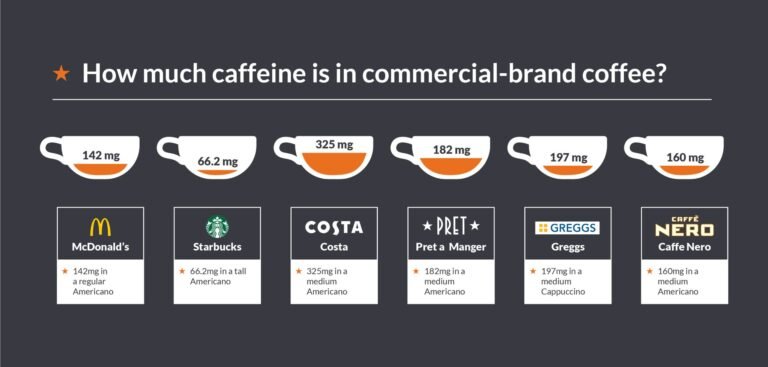
Cold brew does not always have more caffeine, but it can contain a high amount when served as a concentrate or in a large cup.
Caffeine depends on several factors:
- The amount of coffee grounds
- The coffee-to-water ratio
- The type of coffee bean
- The grind size
- The steep time
- The serving size
- How much the drink is diluted
A concentrate may have more caffeine per ounce than regular coffee. Once diluted with water or milk, the caffeine per serving may be similar to or higher than regular brewed coffee.
Do not judge caffeine by taste alone. A smooth cold brew can still be highly caffeinated.
The U.S. Food and Drug Administration says that up to 400 milligrams of caffeine per day is an amount not generally linked with dangerous, negative effects for most healthy adults. Individual limits vary. People who are pregnant, sensitive to caffeine, taking certain medicines, or managing a health condition should ask a health professional about their own limit.
Caffeine may cause:
- Trouble sleeping
- Nervousness
- Fast heartbeat
- Shaking
- Headache
- Stomach upset
For a lower-caffeine drink, dilute cold brew more, choose decaffeinated coffee, or drink a smaller serving. Caffeine can vary widely between brands, so use the product label when one is available.

Is Cold Brew Less Acidic?
Cold brew is often described as less acidic, but that phrase needs care. It may taste less sharp or bitter than hot coffee, yet it is not free of acids and may not have a dramatically different pH.
A 2018 study in Scientific Reports compared hot and cold coffee brewing. It found that brewing temperature changed the chemical profile of the coffee. The result supports a more careful statement: cold brewing can change perceived acidity and chemical extraction, but it is not a guaranteed solution for acid-related discomfort.
If coffee causes heartburn, reflux, or stomach pain, cold brew may or may not help. The problem could relate to caffeine, total coffee intake, additives, meal timing, or a personal response to coffee.
Try a small serving first. Stop if it causes symptoms, and speak with a qualified health professional if symptoms are frequent, severe, or unexplained.

How to Make Better Cold Brew at Home
Good cold brew starts with a steady process. You do not need expensive gear, but you do need the right grind, ratio, filter, and storage.
1. Use coarse coffee grounds
A coarse grind helps water move through the grounds during filtration. Fine grounds can make the drink muddy and may lead to over-extraction.
If you buy whole beans, use a burr grinder when possible. A blade grinder can create a mix of fine dust and large pieces, which makes the brew less even.
2. Use fresh, good-tasting water
Water makes up most of the drink. Filtered water can help if your tap water has a strong taste or odor.
Avoid very hot water. Cold brew relies on cold or room-temperature extraction. Hot water changes the method and the flavor.
3. Measure coffee and water
A kitchen scale gives more consistent results than measuring by volume. Coffee beans and grounds can vary in density, so one scoop may not always weigh the same.
A useful starting point is:
- 100 grams of coffee
- 800 grams of water
This is an approximately 1:8 ratio for a ready-to-drink brew. Adjust it after tasting.
4. Steep for 12 to 18 hours
Start with 12 hours if you want a lighter flavor. Try 16 to 18 hours for a fuller brew. Very long steep times can make the coffee harsh, dry, or overly heavy.
Room-temperature steeping may extract coffee faster than refrigerator steeping. If you steep at room temperature, move the finished coffee to the refrigerator as soon as you filter it.
5. Filter slowly
Pour the coffee through a fine filter. A paper filter can remove more small particles than a metal filter. This often creates a cleaner drink, though it may take longer.
Do not press the grounds hard. Pressing can force fine particles into the drink and make it bitter or cloudy.
6. Dilute and taste
If you made concentrate, start with equal parts concentrate and water. Add more water or milk if needed.
Taste the coffee before adding sugar. Cold brew often tastes naturally sweet because bitterness is lower. If you use sweetener, liquid syrup mixes more easily than granulated sugar.

How Long Does Cold Brew Last?
Homemade cold brew should be kept in a clean, covered container in the refrigerator. For a conservative home-use rule, drink it within 3 to 4 days.
There is no single shelf-life rule for every cold brew. Storage time depends on cleanliness, water quality, filtration, temperature control, and whether milk or other ingredients were added.
Use a shorter window when:
- The coffee was left out for several hours.
- The container was not clean.
- Milk, cream, or sweetener was added.
- The coffee smells sour, fermented, or unusual.
- The coffee has visible mold or floating growth.
When in doubt, throw it out. Do not taste questionable coffee to decide whether it is safe.
Cold brew can look and smell normal while its quality declines. Refrigeration slows microbial growth but does not stop it. Store coffee at 40°F or below, keep it covered, and avoid repeatedly leaving the pitcher on the counter.

Common Cold Brew Mistakes
The most common cold brew problems come from an uneven grind, an unbalanced recipe, or poor storage.
Using finely ground coffee
Fine grounds can over-extract and make filtering difficult. They may also leave sediment at the bottom of the container.
Fix: Use a coarse grind and filter the coffee slowly.
Steeping for too long
More time is not always better. A 24-hour steep may taste heavy or dry, especially with a strong coffee ratio.
Fix: Begin with 12 to 16 hours, then adjust in small steps.
Making concentrate without labeling it
Concentrate can look like normal coffee but contain much more coffee per ounce.
Fix: Label the container “concentrate” and write down the dilution ratio.
Assuming smooth means low caffeine
Cold brew can taste gentle while still delivering substantial caffeine.
Fix: Check the package label or use a smaller serving.
Leaving cold brew at room temperature
A large batch can warm slowly, especially in a kitchen or office.
Fix: Refrigerate the finished coffee promptly and serve only the amount you plan to drink.
Adding ice without considering dilution
Ice melts and changes the drink’s strength.
Fix: Make the coffee slightly stronger if you plan to use a full glass of ice, or use coffee ice cubes to reduce dilution.

Is Cold Brew Healthier Than Regular Coffee?
Cold brew is not automatically healthier than regular coffee. It is still coffee, and its effects depend on caffeine, serving size, added sugar, cream, and the person drinking it.
Plain cold brew is low in calories. A bottled version may contain sugar, milk, cream, syrups, or flavorings. Read the Nutrition Facts label, especially when buying a large serving.
Cold brew can fit into a balanced diet when you tolerate caffeine and keep added ingredients modest. It should not replace water, food, sleep, or medical care.
People who should use extra care with caffeine include:
- Pregnant or breastfeeding people
- Children and teenagers
- People with caffeine sensitivity
- People with heart rhythm concerns
- People with anxiety or sleep problems
- People who take medicines affected by caffeine
This is general information, not personal medical advice. A health professional can help you set a safe limit if caffeine affects your symptoms or treatment.

Cold Brew Coffee: Key Takeaways
- Cold brew is coffee steeped in cold or room-temperature water for many hours.
- It differs from iced coffee, which is brewed hot and then chilled.
- A 12- to 18-hour steep is a useful starting point at home.
- Coarse grounds help create a cleaner, less muddy drink.
- Cold brew can be high in caffeine when made as concentrate or served in a large portion.
- A smooth taste does not prove that the coffee is low in caffeine or acid.
- Keep homemade cold brew covered and refrigerated.
- For a cautious home-storage rule, use it within 3 to 4 days.
- Adjust the coffee ratio, grind, steep time, and dilution to change the flavor.
Frequently Asked Questions About Cold Brew
Is cold brew coffee served hot?
Usually, cold brew is served cold over ice or mixed with cold milk. You can warm it, but heating changes the drink and makes it closer to reheated brewed coffee.
Can I make cold brew with instant coffee?
Instant coffee is already brewed and dried, so it does not need a long steep. Mix it with cold water for a quick iced coffee instead of using a cold brew method.
What coffee beans are best for cold brew?
There is no single best bean. Medium and dark roasts often create chocolate, nut, and caramel notes. Light roasts can produce brighter fruit notes. Choose beans you already enjoy.
Can I use a French press to make cold brew?
Yes. Add coarse grounds and water, steep, then press the plunger slowly. A second pass through a paper filter can remove more fine sediment.
Does cold brew need sugar?
No. Many people drink it black, with milk, or with a small amount of syrup. Cold brew often tastes naturally smooth, so start with less sweetener than you use in hot coffee.
Why is my cold brew cloudy?
Cloudiness usually comes from fine grounds, coffee oils, or suspended particles. Let the coffee settle, then pour it through a paper filter. Cloudiness alone does not prove that the coffee is spoiled, but unusual odor or mold means you should discard it.
Conclusion
Cold brew coffee is made by steeping coffee grounds in cold or room-temperature water for a long time. The method produces a smooth, bold drink that works well over ice, with milk, or diluted from concentrate.
For a reliable first batch, use coarse grounds, an approximately 1:8 coffee-to-water ratio, and a 12- to 18-hour steep. Refrigerate the filtered coffee, track the caffeine and serving size, and adjust one variable at a time until the flavor suits you.
The simplest next step is to make a small batch with four cups of water and one cup of coarse grounds. Taste it after 12 hours, then change the ratio or steep time in your next batch.