
A moka pot works best with a medium-fine coffee grind. The grounds should be finer than coffee for a standard drip machine, but a little coarser than espresso. In a typical U.S. kitchen, this grind helps the moka pot make a rich, strong cup without making the coffee bitter or slowing the brew too much.
Fill the filter basket to the top, level the grounds, and do not tamp them down. Start with a small amount of coffee, adjust the grind, and use the taste and brew time as your guide.
What Grind Size Is Best for a Moka Pot?
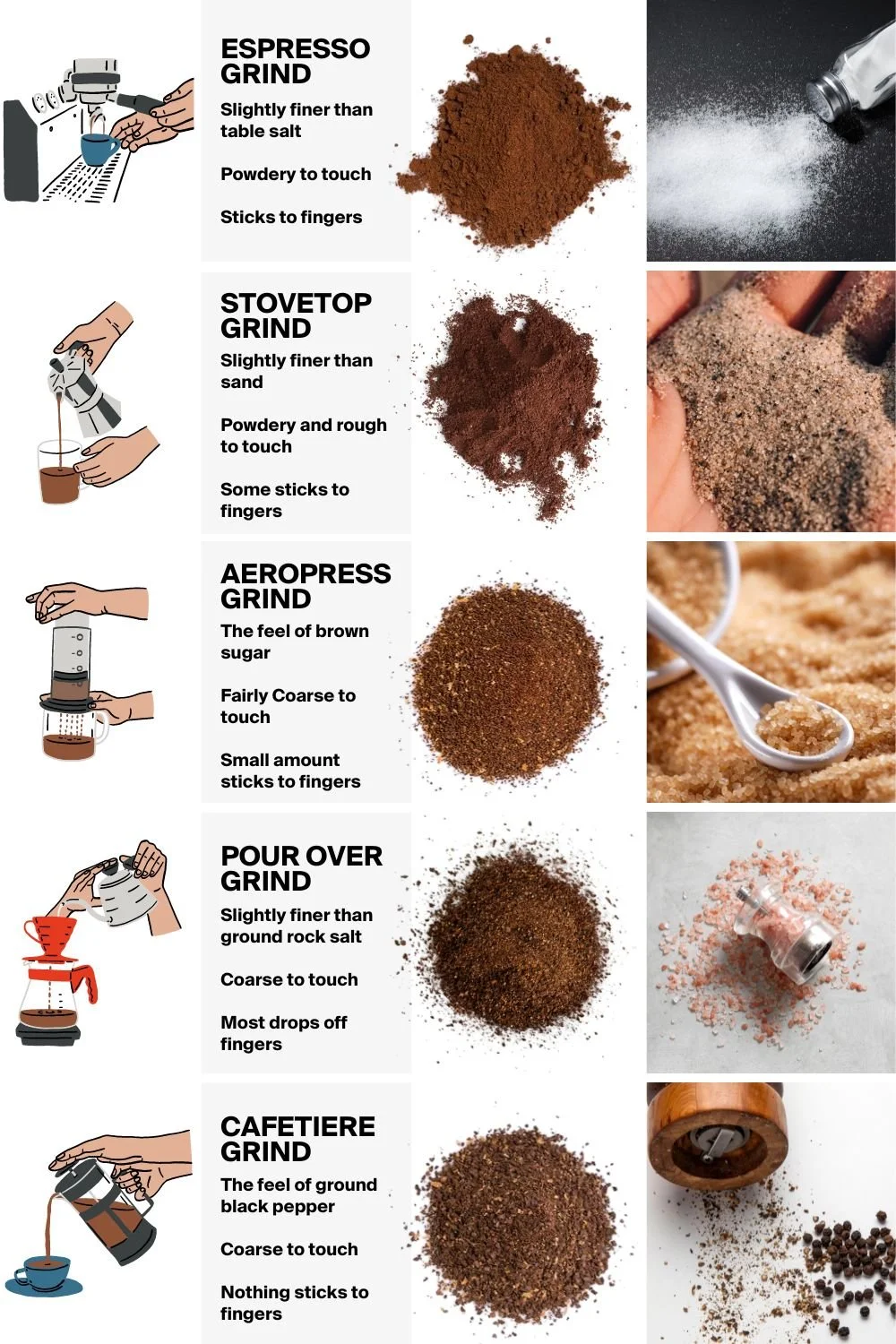
Use a medium-fine grind for a moka pot. The grounds should feel close to fine sand, not powder.
Here is how the grind compares with other common brewing methods:
| Brewing method | Typical grind | Compared with moka pot |
|---|---|---|
| French press | Coarse | Much coarser |
| Cold brew | Extra coarse | Much coarser |
| Drip coffee maker | Medium | Slightly coarser |
| Moka pot | Medium-fine | — |
| Espresso machine | Fine | Slightly finer |
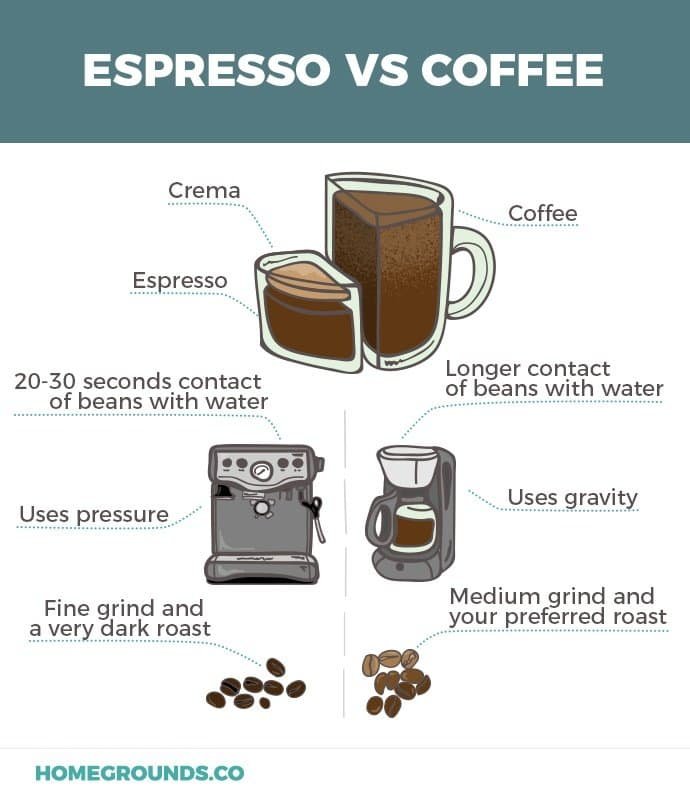
A moka pot uses pressure from heated water. That pressure is higher than a drip brewer but much lower than an espresso machine. The medium-fine grind gives the water enough contact with the coffee to extract flavor without blocking the filter.
A grind that is too coarse may make weak, thin coffee. A grind that is too fine may slow the flow and create harsh, bitter coffee.
Grind size is not perfectly standardized. A “medium-fine” setting on one grinder may look different from the same label on another. Use the label as a starting point, then adjust based on the taste and brew behavior.
Why Grind Size Matters in a Moka Pot
Grind size changes how fast water moves through the coffee bed. It also changes how much flavor the water pulls from the grounds.
A fine grind has small gaps between particles. Water moves through it slowly and touches more coffee. This can increase extraction, but it may also pull out too many bitter flavors.
A coarse grind has larger gaps. Water moves through it quickly. This often leads to under-extraction, which can taste sour, weak, or flat.
The moka pot needs a middle path:
- Fine enough for a full, rich flavor
- Coarse enough to let water pass at a steady rate
- Loose enough to avoid excess pressure in the filter basket
- Even enough to reduce weak and bitter spots
Do not treat a moka pot like a small espresso machine. The coffee may be strong, but it does not use the same pressure or grind size.

How to Grind Coffee for a Moka Pot Step by Step
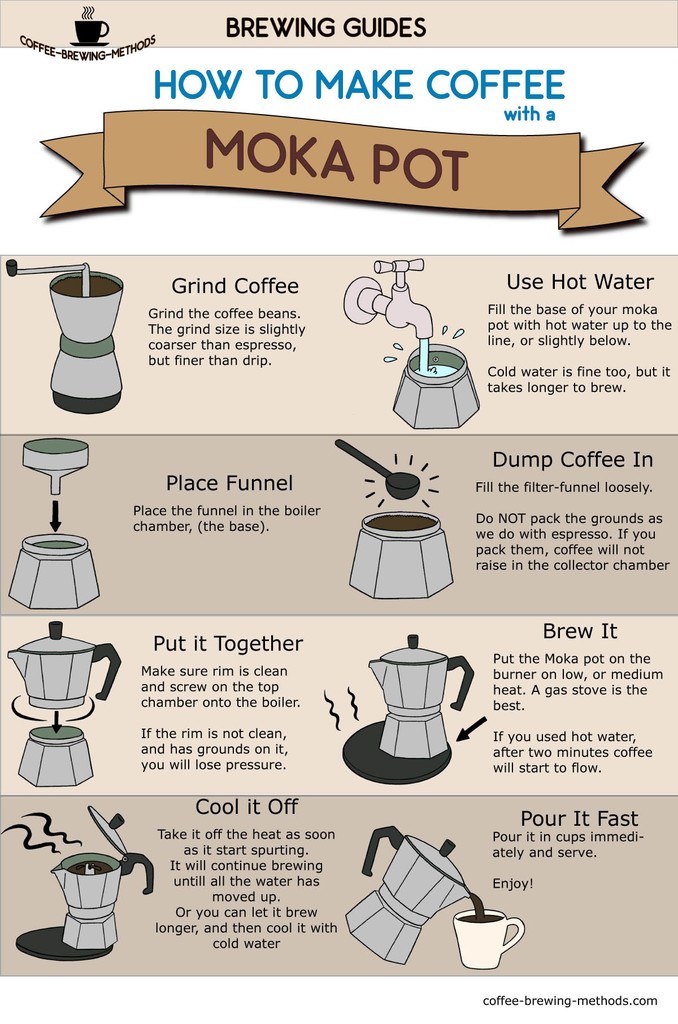
Follow these steps for a consistent moka pot grind and brew.
1. Start with fresh coffee beans
Fresh beans usually give better flavor than stale pre-ground coffee. Look for a roast date when possible. Coffee loses aroma after grinding because more of its surface touches air.
A medium or medium-dark roast works well in a moka pot. Dark roasts can also taste good, but they may become bitter if the grind is too fine or the heat is too high.
Choose beans you enjoy. Grind size affects extraction, but it cannot fix coffee that you dislike.
2. Use a burr grinder if possible
A burr grinder crushes coffee into more even pieces. An even grind helps water move through the coffee in a steady way.
A blade grinder chops coffee unevenly. It may create both powder and large pieces at the same time. This can produce a cup that tastes bitter and weak at once.
If you only have a blade grinder, use short pulses. Shake the grinder gently between pulses to spread the pieces. Stop before the coffee becomes powdery.
3. Select a medium-fine setting
Set the grinder finer than you would for drip coffee, but not as fine as espresso.
The grounds should resemble:
- Fine beach sand
- Table salt with some slightly larger grains
- A texture that clumps only lightly when pressed
The coffee should not look like flour or powdered sugar. Very fine particles can block the filter and make the brew flow poorly.
4. Grind the amount that fits the basket
Use the filter basket as your guide. A moka pot basket is designed for a set amount of coffee.
Fill the basket until the coffee reaches the rim. Then sweep across the top with a finger or straight edge to level it.
Do not press the coffee down. Tamping creates extra resistance and can interfere with the way the moka pot is designed to work.
For reference, common moka pot sizes often use about:
| Moka pot size | Approximate brewed coffee | Approximate coffee dose |
|---|---|---|
| 1 cup | 1 to 2 fl oz | 6–8 g |
| 3 cup | 4 to 5 fl oz | 15–18 g |
| 6 cup | 8 to 10 fl oz | 25–30 g |
| 9 cup | 13 to 15 fl oz | 40–45 g |
These amounts vary by brand and basket shape. The basket itself is the best guide. Do not force extra grounds into it.
5. Use the correct water level
Add water to the lower chamber until it reaches just below the safety valve. Do not cover the valve.
Some brewers use hot water in the lower chamber to shorten the time on the stove. Others start with cool water. Follow the instructions for your moka pot, especially if it has an aluminum body or a special design.
6. Assemble the pot without compacting the coffee
Place the filled basket into the lower chamber. Check that the filter and rubber gasket are clean and seated well.
Screw the upper and lower chambers together firmly by hand. Do not use tools or over-tighten the pot.
7. Brew over low to medium heat
Use low to medium heat on a gas or electric stove. For an induction cooktop, the moka pot must be induction-compatible or used with a suitable adapter.
Coffee should rise into the upper chamber in a steady stream. When the flow becomes pale or you hear a soft gurgling sound, remove the pot from the heat.
Cool the base under a small stream of water or place it on a cool burner. This helps stop extraction.
8. Stir before serving
Coffee from the first and last part of the brew can have different strengths. Stir the coffee in the upper chamber before pouring.
This gives each cup a more even taste.
How to Adjust the Grind for Better Moka Pot Coffee
Make only one change at a time. Start with the medium-fine setting, then change the grind based on taste.
| What you notice | Likely cause | What to try |
|---|---|---|
| Sour, sharp, or thin coffee | Grind is too coarse or brew is too fast | Grind a little finer |
| Bitter, dry, or burnt coffee | Grind is too fine, heat is too high, or brew runs too long | Grind a little coarser and lower the heat |
| Weak coffee with fast flow | Grind is too coarse or basket is not full | Grind finer and fill the basket level |
| Very slow flow | Grind is too fine or coffee is packed | Grind coarser and avoid tamping |
| Coffee tastes harsh but looks strong | Excess heat or over-extraction | Use lower heat and remove the pot sooner |
| Coffee tastes uneven | Inconsistent grind or no mixing | Use a burr grinder and stir before serving |
Change the grind in small steps. Large changes can make it hard to know what helped.
If your grinder has numbered settings, the numbers are not universal. Setting 8 on one grinder may be finer than setting 5 on another. Record the setting that works for your coffee and moka pot.
Moka Pot Grind Settings for Popular Grinders
Grinder settings depend on the model, burr type, calibration, and coffee bean. There is no single setting that works for every grinder.
Use these broad starting points:
- Manual burr grinder: Start near the middle of the moka pot range, between the drip and espresso settings.
- Electric burr grinder: Choose a setting one or two steps finer than drip coffee.
- Blade grinder: Pulse briefly and check often to prevent powder.
- Pre-ground coffee: Choose coffee labeled for moka pot or stovetop brewing. Avoid espresso-fine powder.
The most useful test is the coffee itself. A good setting should produce a steady flow and a cup with body, sweetness, and mild bitterness.
If the coffee tastes good but the flow looks different from another recipe, do not change it just to match a video. Different pots, stoves, water levels, and beans can produce different flow patterns.

Should You Use Espresso Grind in a Moka Pot?
Usually, no. Espresso grind is often too fine for a moka pot.
Very fine coffee can slow the brew. It may also clog the filter or create too much resistance. The result can be bitter coffee, sputtering, or a damaged gasket in extreme cases.
Some commercial coffee labeled “espresso grind” may be slightly coarse and work well. Labels are not always consistent. Look at the grounds and use the brew result as the final guide.
If you want a stronger cup, do not automatically grind finer. Instead, try one of these changes:
- Use a darker roast
- Use a blend with more body
- Reduce the amount of water in the serving cup
- Keep the filter basket full but level
- Serve the coffee as a smaller drink
Never press espresso coffee into a moka pot basket.
Common Mistakes When Grinding Coffee for a Moka Pot
Using coffee that is too fine
Powder-like grounds can restrict water flow. They can also make the coffee taste dry and bitter.
Filling the basket only halfway
Moka pot baskets are built for a set dose. A partly filled basket may not produce an even coffee bed.
Use the correct basket for the size of the pot. Do not use a half dose unless the manufacturer specifically provides a smaller basket.
Tamping the grounds
Tamping is normal for espresso, but it is not part of standard moka pot brewing. Level the grounds without pressing them.
Grinding by appearance alone
Two grinds can look similar but brew at different speeds. Bean density, roast level, grinder design, and humidity all affect the result.
Taste and flow matter more than appearance.
Brewing on high heat
High heat can make coffee taste burnt. It can also cause the moka pot to sputter before the brew is complete.
Use enough heat to maintain a steady brew, not a rapid boil.
Letting the pot keep heating after the coffee rises
Once the upper chamber is nearly full, continued heat can overcook the coffee. Remove the pot when the stream turns pale or the gurgling begins.

How to Tell If Your Moka Pot Grind Is Correct
A good moka pot grind usually has three signs:
- The water flows steadily. It should not sit for a long time or shoot out violently.
- The coffee smells rich and clean. A burnt smell can signal excess heat or over-extraction.
- The taste is balanced. Look for body and sweetness with controlled bitterness.
Timing can help, but it should not be your only measure. The same grind can brew at a different speed with a different stove, dose, water temperature, or coffee bean.
If the coffee tastes good, the grind is doing its job.
Cleaning and Safety After Brewing
Let the moka pot cool before taking it apart. The metal and coffee residue can be very hot.
Separate the upper chamber, filter basket, and gasket. Rinse the parts with warm water and let them dry fully. Coffee oils can build up and create stale flavors.
Check the rubber gasket and filter plate from time to time. Replace them if they look cracked, loose, damaged, or heavily stained.
Do not use a moka pot if the safety valve is blocked. The valve must remain clear so it can release pressure if needed. Follow the care instructions for your specific brand and material.

Frequently Asked Questions
Can I use pre-ground coffee in a moka pot?
Yes. Choose a grind labeled for moka pot or stovetop coffee. If that is not available, use coffee that is finer than drip coffee but coarser than espresso.
Store opened coffee in an airtight container away from heat, light, and moisture.
How fine should moka pot coffee be compared with drip coffee?
Moka pot coffee should be slightly finer than drip coffee. It should not be as fine as espresso.
The exact setting depends on your grinder. Start with a small adjustment and change it only after tasting the brew.
Can I grind coffee too fine for a moka pot?
Yes. A very fine grind can slow the flow, create bitter flavors, and increase resistance in the basket.
If the coffee sputters or takes too long to rise, use a coarser grind and make sure you are not tamping it.
Why does my moka pot coffee taste bitter?
Bitter coffee often comes from a grind that is too fine, high heat, a long brew, or very dark beans.
Try a slightly coarser grind first. Then lower the heat and remove the pot when the coffee begins to gurgle.
How much coffee should I put in a moka pot?
Fill the correct filter basket to the top and level the grounds. Do not pack them down.
The basket size determines the dose. A larger moka pot needs more coffee, and a smaller pot needs less.
Final Recommendation
For most moka pots, begin with a medium-fine grind. Fill the basket fully, level the coffee, and do not tamp. Brew over low to medium heat, then adjust the grind one small step at a time.
If the coffee tastes sour or weak, go finer. If it tastes bitter, dry, or burnt, go coarser and reduce the heat. With a few small tests, your grinder and moka pot can work together like a well-tuned pair.
Sources consulted
- Bialetti, “How to Use the Moka Express”: https://www.bialetti.com
- Specialty Coffee Association, coffee brewing resources: https://sca.coffee
- Coffee and Brewing Control Chart, National Coffee Association: https://www.ncausa.org/About-Coffee/How-to-Brew-Coffee
- U.S. Consumer Product Safety Commission, pressure and appliance safety resources: https://www.cpsc.gov


2 Comments