
Quick answer
Espresso is a small, strong coffee made by forcing hot water through finely ground coffee at high pressure. In the United States, a typical espresso shot is about 1 ounce and may contain roughly 60–65 milligrams of caffeine, though the amount can vary.
Espresso is not a type of coffee bean. It is a brewing method. Any coffee bean can be used to make espresso if it is ground and brewed correctly.

What is espresso coffee?
Espresso coffee is a concentrated drink brewed by pushing hot water through tightly packed, finely ground coffee. An espresso machine uses pressure to move the water through the coffee in a short time.
A traditional shot has three main parts:
- The liquid body: The dark coffee below the top layer.
- The crema: The tan foam that forms on top.
- The aroma: The smell released from the coffee oils and gases.
Espresso has a rich taste because the brewing process extracts flavor quickly. It may taste sweet, nutty, fruity, chocolate-like, bitter, or smoky. The final flavor depends on the coffee bean, roast level, grind size, water, machine, and brewing time.
Is espresso a coffee bean?
No. Espresso is not a special bean.
Coffee companies often sell bags labeled “espresso roast” or “espresso beans.” These labels usually describe a roast style or a blend that the company believes works well in an espresso machine. The beans may be Arabica, Robusta, or a blend of both.
You can use many types of coffee beans for espresso. Light roasts can produce bright, fruity shots. Medium roasts often offer a balance of sweetness and acidity. Dark roasts may taste bold, smoky, or bitter.
The important point is this: espresso describes how the coffee is brewed, not where the bean came from.
What does espresso taste like?
Espresso tastes more concentrated than most drip coffee. It has less water, so its flavor can seem intense.
A well-brewed shot may have:
- A sweet or balanced taste
- A smooth body
- A pleasant aroma
- Some acidity
- Little harsh bitterness
A shot that tastes sour may be under-extracted. A shot that tastes burnt or very bitter may be over-extracted, over-roasted, or brewed with water that is too hot.

How is espresso made?
An espresso machine makes coffee by controlling four main factors: coffee dose, grind size, water temperature, and pressure.
The basic process is:
- The barista grinds coffee very finely.
- The coffee goes into a filter basket.
- The grounds are spread and pressed into an even puck.
- The machine pushes hot water through the puck.
- The brewed espresso flows into a small cup.
Most modern espresso machines use a pump that creates about 9 bars of pressure during brewing. Pressure alone does not make espresso taste good. The coffee must also have the right grind, dose, water temperature, and brew time.
Espresso brewing variables
| Variable | Common starting point | Why it matters |
|---|---|---|
| Coffee dose | 18–20 grams for a double shot | Changes strength and yield |
| Brewed coffee | 36–40 grams for a double shot | Shows how much liquid is produced |
| Brew ratio | About 1:2 | Helps guide extraction |
| Brew time | About 25–35 seconds | Affects balance and flavor |
| Water temperature | About 195–205°F | Changes extraction |
| Grind | Fine | Slows water flow through the coffee |
| Pressure | Around 9 bars | Helps create the espresso flow |
These numbers are starting points, not strict rules. A light roast may need a different recipe from a dark roast. A coffee blend may also perform differently from a single-origin coffee.
What is an espresso brew ratio?
The brew ratio compares the dry coffee dose with the weight of the espresso in the cup.
For example:
- 18 grams of ground coffee
- 36 grams of brewed espresso
- A 1:2 brew ratio
This does not mean every espresso must use this ratio. A shorter ratio, such as 1:1.5, can create a thicker and more concentrated drink. A longer ratio, such as 1:2.5, can produce a larger and sometimes brighter shot.
A digital scale helps home users repeat a recipe. It is more reliable than judging the shot only by volume because crema can make the liquid level look higher than it is.

What is the difference between espresso and regular coffee?
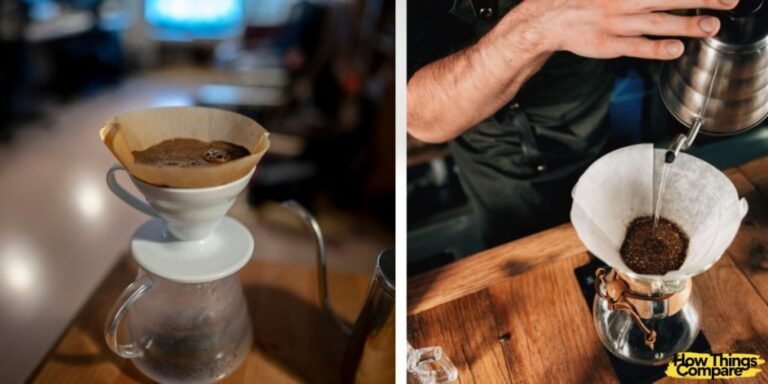
The main difference is the brewing method. Espresso uses finely ground coffee, high pressure, and a short brew time. Regular coffee in the United States often means drip coffee, which uses more water and a longer contact time.
Espresso vs. drip coffee
| Feature | Espresso | Drip coffee |
|---|---|---|
| Brew method | Pressurized water through fine grounds | Water passes through grounds by gravity |
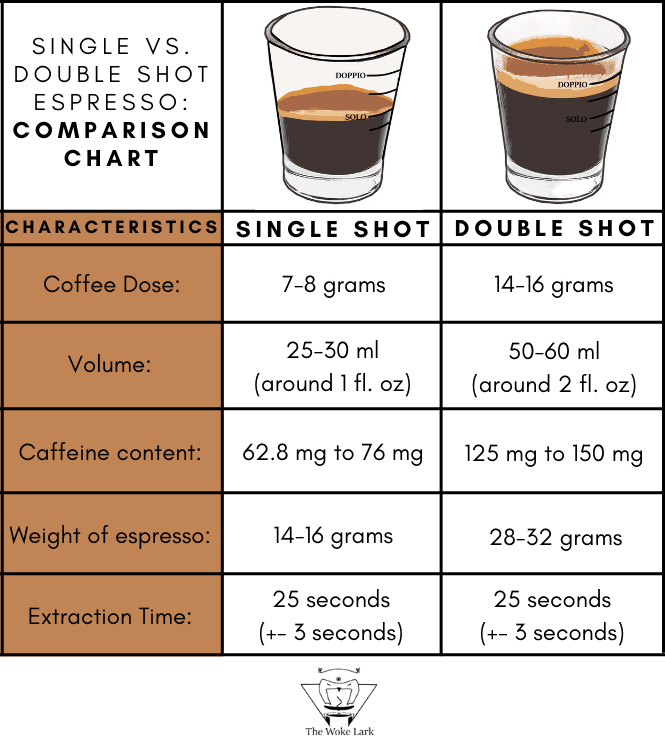
| Typical serving | About 1–2 ounces | About 8–12 ounces |
| Brew time | About 25–35 seconds | Several minutes |
| Texture | Thick and concentrated | Lighter and more diluted |
| Caffeine per ounce | Usually higher | Usually lower |
| Caffeine per serving | Often lower than a large drip coffee | Often higher because the serving is larger |
Espresso has more caffeine per ounce. However, a large cup of drip coffee often contains more total caffeine because it contains much more liquid.
For example, a 1-ounce espresso may contain around 60–65 milligrams of caffeine. An 8-ounce cup of brewed coffee may contain roughly 80–100 milligrams, but the amount varies by bean, recipe, and serving size.
Is espresso stronger than coffee?
“Stronger” can mean two different things.
If you mean more intense flavor per ounce, espresso is usually stronger.
If you mean more caffeine in the entire drink, a large brewed coffee may contain more caffeine than one espresso shot.
Caffeine also varies by serving size. A double espresso can contain about twice the caffeine of a single shot. Coffee shops may use different doses, so the exact amount is not always easy to predict.

What is crema, and does it prove espresso is good?
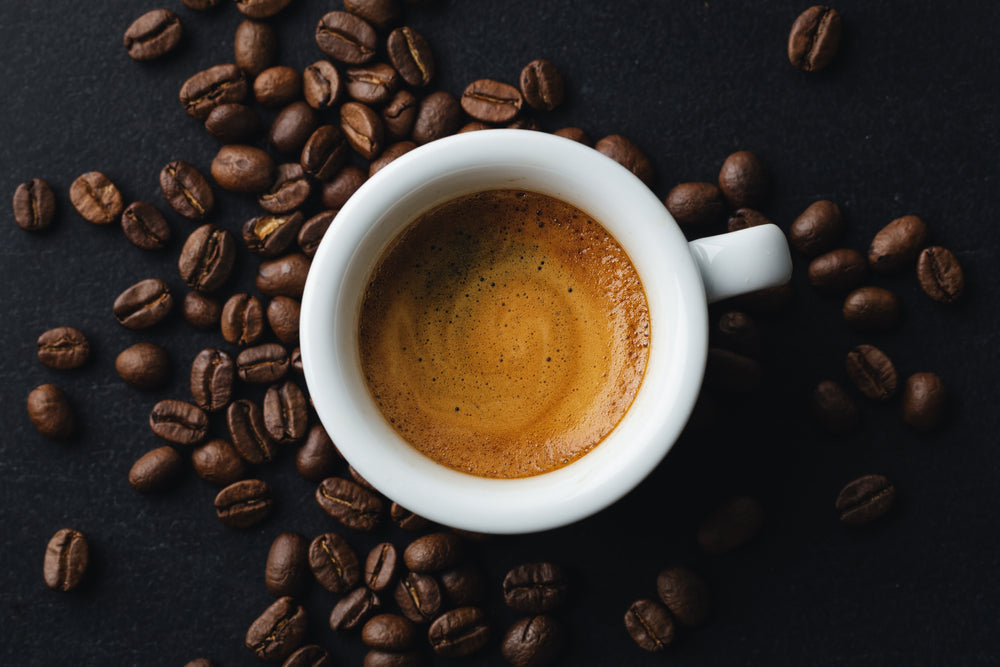
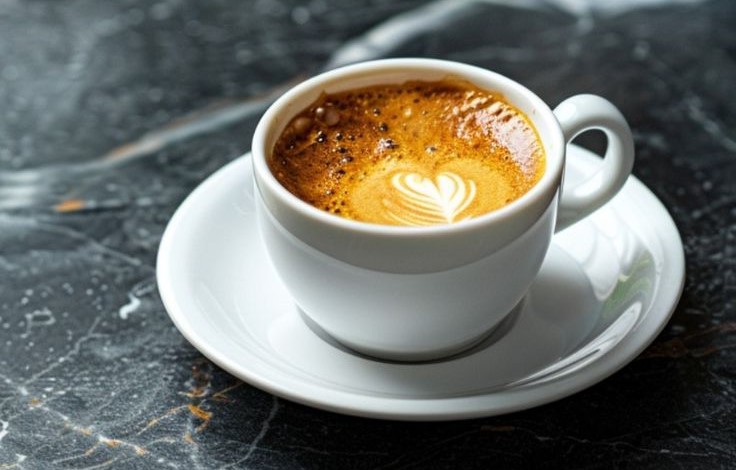
Crema is the light-colored foam that sits on top of a fresh espresso shot. It forms when carbon dioxide and coffee oils mix during brewing.
Freshly roasted coffee contains more trapped gas. As the coffee ages, it releases that gas. This can change the amount of crema produced.
Crema can provide clues about freshness and extraction, but it does not prove that an espresso tastes good. A shot may have thick crema and still taste bitter or unbalanced. Some dark roasts also create a large amount of crema without offering a complex flavor.
Taste matters more than appearance. A good espresso should suit the coffee and the drinker. It should not taste harsh, burnt, or sharply sour unless that flavor is intentional and balanced.
Why does espresso sometimes have no crema?
Little or no crema may result from:
- Old coffee
- A very light roast
- A grind that is too coarse
- A weak machine or poor pressure
- Uneven coffee preparation
- A coffee variety that produces less foam
Lack of crema does not always mean the shot is unsafe or undrinkable. It may simply mean that the coffee or brewing method produces less visible foam.
What drinks are made with espresso?
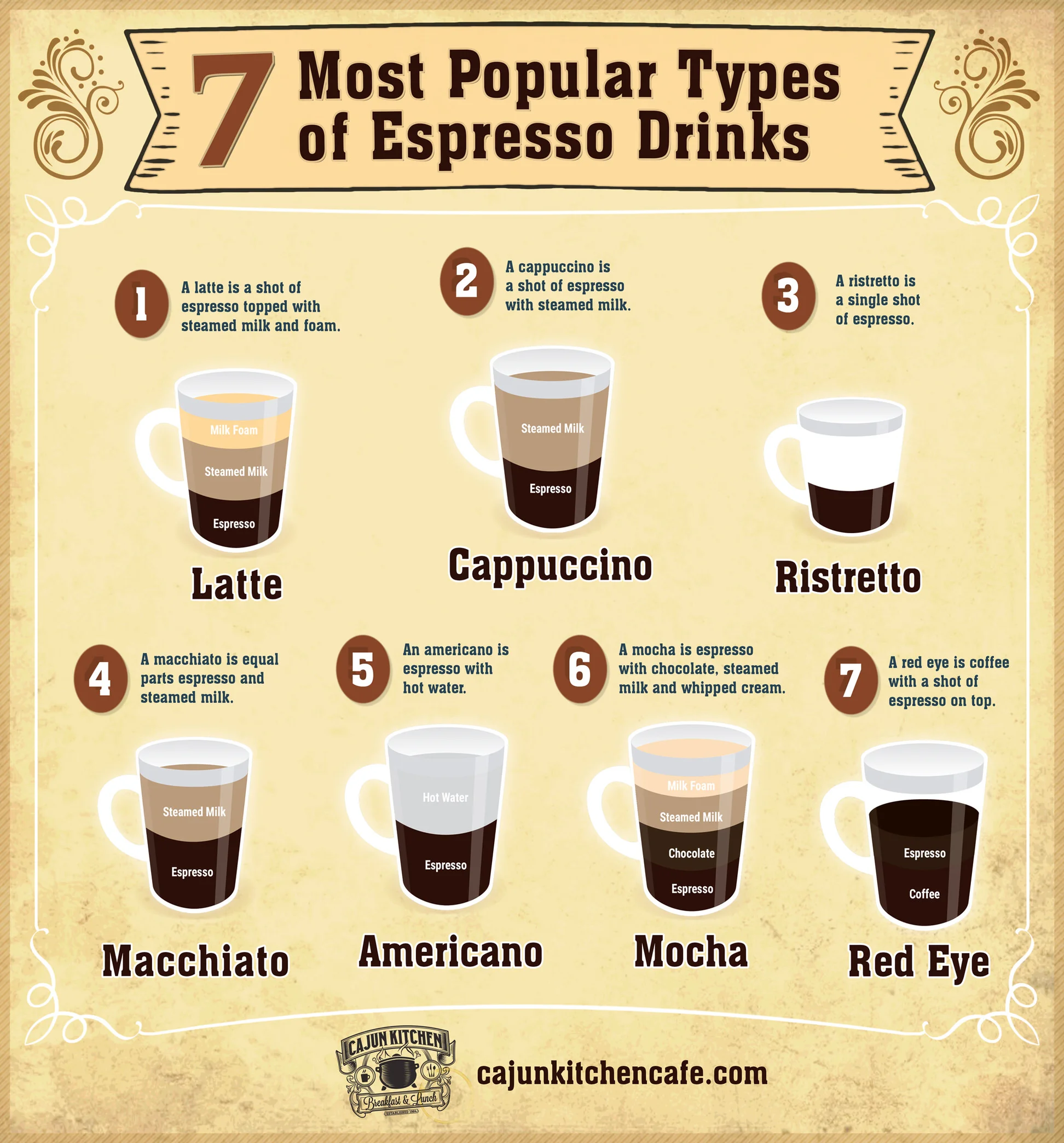
Many popular café drinks begin with one or more espresso shots. The main difference is the amount of milk, water, or foam added.
| Drink | Main ingredients |
|---|---|
| Espresso | Espresso alone |
| Americano | Espresso and hot water |
| Latte | Espresso and steamed milk with a thin layer of foam |
| Cappuccino | Espresso, steamed milk, and more foam |
| Macchiato | Espresso with a small amount of milk or foam |
| Mocha | Espresso, chocolate, and steamed milk |
| Cortado | Espresso with a similar amount of warm milk |
| Flat white | Espresso with steamed milk and fine microfoam |
Names and recipes can vary between coffee shops. For example, an American café may serve a larger latte than a café in another country. Ask about the number of shots and cup size if caffeine or strength matters to you.
What is the difference between a latte and a cappuccino?
Both drinks use espresso and steamed milk. A latte contains more milk and usually has a thin foam layer. A cappuccino is smaller and has a thicker layer of foam.
The flavor also changes with the milk ratio. A latte tastes smoother and milder. A cappuccino lets the espresso stand out more clearly.

How to make espresso at home
You need an espresso machine, a grinder that can make a fine and even grind, fresh coffee, a scale, and clean water.
Basic home espresso steps
-
Warm the machine.
Allow the machine and portafilter to heat fully. A cold setup can lower the brewing temperature. -
Weigh the coffee.
Start with about 18 grams for a double shot if your basket is designed for that amount. -
Grind the coffee.
Use a fine grind. The grounds should be fine enough to slow the water but not so fine that water cannot pass. -
Prepare the puck.
Distribute the grounds evenly. Tamp with firm, level pressure. An uneven puck can cause channeling, which happens when water finds weak paths through the coffee. -
Brew the shot.
Begin the extraction and stop near your target yield. A starting recipe is 36 grams of espresso from 18 grams of coffee. -
Taste the result.
Taste the espresso before changing the recipe. Flavor is the best guide. -
Adjust one variable at a time.
Change the grind first. Make it finer if the shot runs too fast and tastes sour. Make it coarser if the shot runs too slowly and tastes bitter.
Signs of a balanced shot
A balanced espresso may have:
- A steady flow
- A rich aroma
- A smooth body
- Some sweetness
- A pleasant finish
- No strong taste of ash, sharp sourness, or harsh bitterness
A shot does not need to look perfect to taste good. Time and appearance can guide adjustments, but they cannot replace tasting.
Common home espresso problems
| Problem | Possible cause | First adjustment |
|---|---|---|
| Shot runs very fast | Grind is too coarse or dose is too low | Grind finer |
| Shot runs very slowly | Grind is too fine or dose is too high | Grind coarser |
| Sour taste | Under-extraction | Grind finer or increase brew time |
| Bitter taste | Over-extraction | Grind coarser or reduce brew time |
| Uneven flow | Poor distribution or tamping | Distribute grounds more evenly |
| Weak taste | Too much water or too little coffee | Use a shorter yield or more coffee |
| Burnt taste | Very dark roast, stale coffee, or excessive heat | Try fresher coffee or lower heat |
Change only one thing at a time. If you change the dose, grind, water, and time together, you will not know which change helped.

How much caffeine is in espresso?
A 1-ounce serving of espresso often contains about 60–65 milligrams of caffeine. The actual amount can vary due to the coffee variety, dose, roast, extraction, and serving size.
A double shot may contain roughly 120 milligrams, but coffee shop recipes differ. Some cafés use a larger dose or serve a double shot as their standard.
The U.S. Food and Drug Administration says that up to 400 milligrams of caffeine per day is an amount not generally linked with dangerous negative effects for most healthy adults. Individual limits can be lower because of pregnancy, certain health conditions, medication interactions, or sensitivity to caffeine.
Possible signs of too much caffeine include:
- Restlessness
- Trouble sleeping
- Fast heartbeat
- Anxiety
- Shaking
- Headache
- Stomach upset
People who are pregnant or who have a medical condition should ask a qualified health professional about a suitable caffeine limit. Children and teenagers should also avoid using adult caffeine limits as a guide.
Is espresso healthy?
Espresso can fit into many diets. It contains very few calories when served plain. The calorie count rises when you add sugar, flavored syrup, cream, or sweetened milk.
Coffee also contains natural plant compounds. However, espresso is not a medicine, and it should not be used to treat a health condition.
The main concern for many people is caffeine. Too much caffeine can affect sleep, anxiety, heart rate, or digestion. Drinking espresso late in the day may make it harder to sleep, even if you do not feel highly stimulated.
Espresso may also cause discomfort for people with acid reflux or caffeine sensitivity. If a drink causes repeated symptoms, reduce the amount and discuss ongoing symptoms with a health professional.
Does espresso dehydrate you?
Normal coffee intake does not usually cause meaningful dehydration in healthy adults. Espresso contains caffeine, which can have a mild diuretic effect, but the fluid in the drink still contributes to hydration.
Water remains the best choice for regular hydration. You do not need to avoid espresso solely because it contains caffeine.
How should espresso be stored?
Store whole coffee beans in an airtight container in a cool, dry, dark place. Keep the container away from heat, sunlight, moisture, and strong odors.
Grinding coffee exposes more surface area to air. Ground coffee usually loses freshness faster than whole beans, so grind it close to brewing when possible.
Do not store coffee in the refrigerator unless the package and storage method prevent moisture and odor problems. Repeated temperature changes can cause condensation on the beans.
Clean the espresso machine often. Coffee oils can become stale and affect flavor. Follow the machine maker’s instructions for:
- Backflushing
- Cleaning the portafilter
- Washing the steam wand
- Replacing water filters
- Removing mineral scale
Use caution around hot water, steam, and metal parts. Steam wands can cause serious burns. Purge and wipe the wand according to the machine instructions, and keep hands away from the steam outlet.

Key takeaways
- Espresso is a brewing method, not a special type of coffee bean.
- An espresso machine forces hot water through finely ground coffee.
- A typical U.S. shot is about 1 ounce, but café recipes vary.
- Espresso has more caffeine per ounce than drip coffee, but a large drip coffee may contain more caffeine overall.
- Crema can show freshness and extraction clues, but it does not prove quality.
- Grind size, dose, water temperature, pressure, and brew time all affect flavor.
- Espresso can be served alone or used to make lattes, cappuccinos, Americanos, and other drinks.
- Most healthy adults should keep total caffeine intake at or below the FDA’s general daily guidance of 400 milligrams.
Frequently asked questions
Is espresso just strong coffee?
Espresso is concentrated coffee, but it is not simply regular coffee made stronger. It uses a different brewing method, finer grounds, and pressure. Its flavor is more concentrated, while drip coffee usually contains more water.
Can you make espresso without an espresso machine?
You can make a strong coffee concentrate with tools such as a moka pot, AeroPress, or manual espresso maker. These methods can produce a bold drink, but they do not all create true espresso because they may not use the same pressure and brewing conditions.
Is dark roast best for espresso?
No. Dark roast is common because it can produce a bold, low-acid flavor. Medium and light roasts can also work well and may show more fruit, floral, or sweet notes. The best roast depends on your taste and brewing setup.
Should espresso be bitter?
Espresso can have some bitterness, but a very bitter, burnt, or harsh taste often points to over-extraction, stale coffee, an overly dark roast, or water that is too hot. Balanced espresso usually includes sweetness and a pleasant finish.
Does espresso have more caffeine than coffee?
Espresso has more caffeine by volume. A typical 1-ounce shot may contain around 60–65 milligrams. A large cup of drip coffee can contain more total caffeine because it is a much larger serving.
How many espresso shots are safe to drink?
There is no single number that suits everyone. Count the caffeine in all drinks and foods, not just espresso. Most healthy adults should stay within the FDA’s general guidance of 400 milligrams of caffeine per day, while some people need less.
Conclusion
Espresso is a concentrated coffee made by forcing hot water through finely ground beans. Its small size, rich body, and strong aroma make it the base for many drinks served in U.S. cafés and homes.
To understand espresso, focus on the brewing method rather than the label on the bag. Start with fresh coffee, a suitable grinder, an even puck, and a simple recipe. Then adjust the grind and taste the result. Small changes can turn a sour or bitter shot into a balanced cup.

One Comment