Yes, you can use ground coffee in an espresso machine if the grind size, dose, and freshness suit espresso brewing.
Can you use ground coffee in an espresso machine? Absolutely, but the type of ground coffee matters. Espresso machines need a fine, even grind and enough pressure to create a balanced shot. This guide explains which coffee works, how to prepare it, what mistakes to avoid, and how to get better results at home.
Can You Use Ground Coffee in an Espresso Machine?
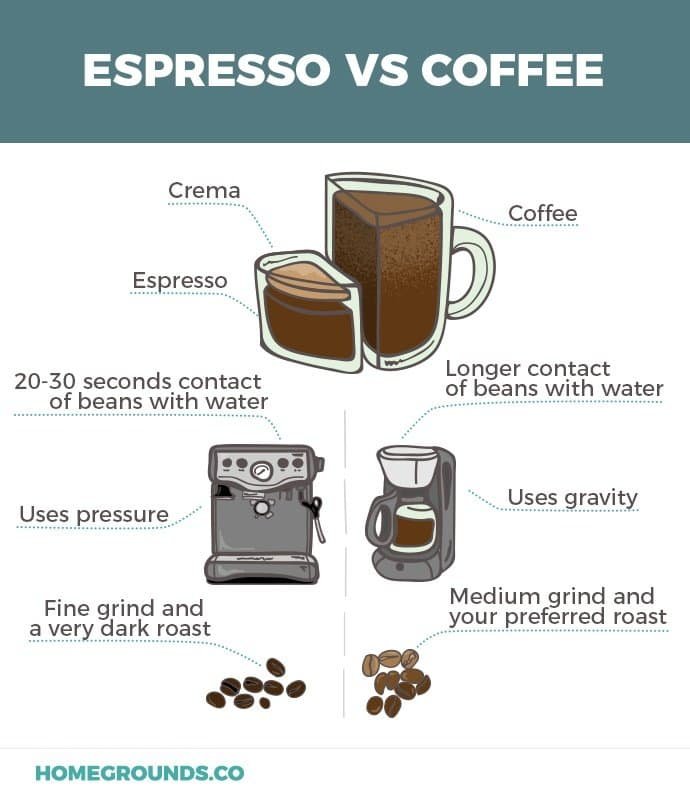
Yes, you can use ground coffee in an espresso machine. In fact, espresso is made with ground coffee by design. The key difference is that espresso machines need coffee ground much finer than coffee used in a drip machine or French press.
A standard espresso shot uses hot water forced through a compact bed of coffee at high pressure. The fine grind slows the water and helps extract flavor, aroma, oils, and body. If the grounds are too coarse, water may rush through them and produce a weak, sour shot.
You can use:
• Freshly ground coffee from whole beans
• Pre-ground coffee labeled for espresso
• Regular coffee grounds, if they have a fine enough texture
• Coffee used in a pressurized portafilter, which is more forgiving
You should avoid very coarse grounds. They are made for brewing methods that allow longer contact with water, such as French press coffee.

What Type of Ground Coffee Works Best?
The best ground coffee for an espresso machine is fine, fresh, and evenly ground. It should feel similar to fine sand or table salt, though the exact texture varies by coffee and machine.
Look for coffee labeled “espresso roast” or “espresso grind.” Espresso roast refers to the roast style, while espresso grind refers to the particle size. These are not the same thing. A dark roast can be ground for drip coffee, and a light roast can be ground for espresso.
Freshness also matters. Ground coffee loses aroma faster than whole beans because more surface area is exposed to air. For the best flavor, use ground coffee soon after opening the package and store it in an airtight container away from heat, light, and moisture.
A good espresso coffee usually has:
• A fine and even grind
• A fresh, pleasant aroma
• A roast level that matches your taste
• Low exposure to air and moisture
• No added flavor oils that could clog the machine
In my own testing, pre-ground espresso coffee often works well for convenience. However, freshly ground beans usually produce a richer crema and a sweeter taste. The difference is easy to notice once you compare the two side by side.
Espresso Grind Size Explained
Grind size controls how quickly water moves through the coffee puck. This is one of the most important parts of making espresso.
A fine grind creates more resistance. Water moves slowly through the grounds and extracts more flavor. A coarse grind creates less resistance, so water moves quickly and may fail to extract enough flavor.
Here is a simple guide:
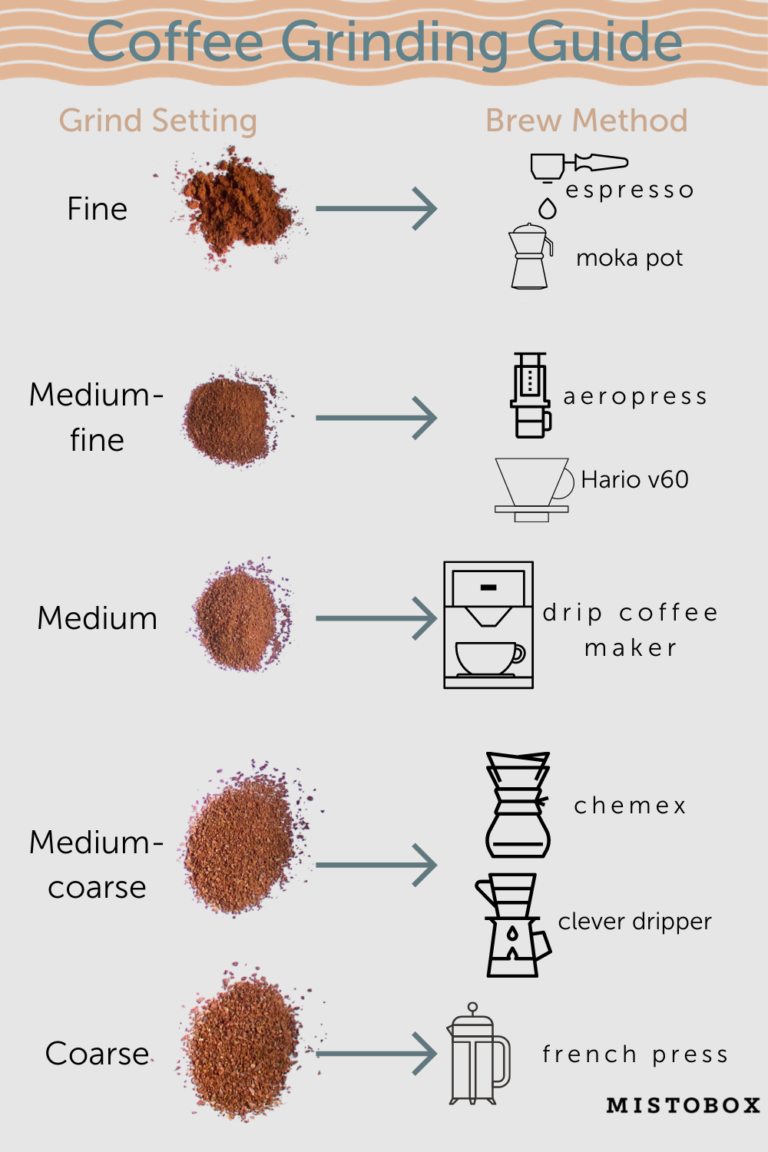
• Espresso grind: Fine and powdery, but still slightly grainy
• Drip grind: Medium, similar to sand
• Pour-over grind: Medium-fine to medium
• French press grind: Coarse and chunky
• Cold brew grind: Very coarse
If your espresso tastes sour, thin, or watery, the grind may be too coarse. If it tastes bitter, harsh, or burnt, the grind may be too fine, the dose may be too high, or the shot may be running too long.
Grind size is not the only factor. Coffee type, roast level, dose, water temperature, tamping pressure, and machine design all affect the final drink.

How to Use Ground Coffee in an Espresso Machine
Using ground coffee in an espresso machine is simple when you follow a consistent process. Small changes can make a big difference, so try to adjust one thing at a time.
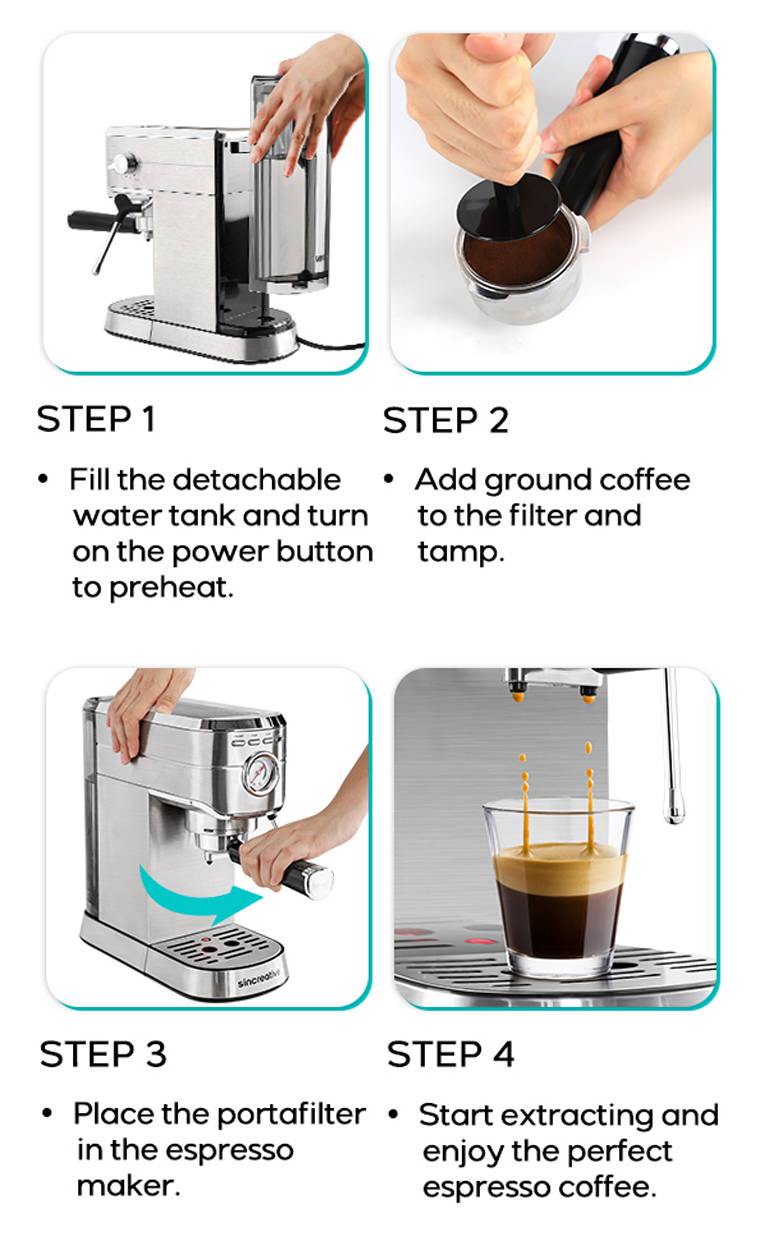
1. Choose the correct basket
Check whether your machine uses a single-wall or double-wall basket.
A single-wall basket works best with freshly ground coffee and gives you more control. A double-wall basket, also called a pressurized basket, can produce a decent shot with pre-ground coffee. It creates extra pressure and helps compensate for a less precise grind.
2. Add the right dose
Many home espresso machines use about 7 to 10 grams of coffee for a single shot and 14 to 20 grams for a double shot. Always check your machine’s instructions because basket size can vary.
Do not overfill the basket. The coffee puck needs room to expand when it becomes wet. An overfilled basket can touch the shower screen and restrict water flow.
3. Distribute the coffee
Spread the grounds across the basket before tamping. Uneven grounds can create weak spots, which allow water to pass through too quickly.
You can gently tap the portafilter or use a distribution tool. Even a quick, careful leveling step can improve the shot.
4. Tamp evenly
Press the coffee down with steady, level pressure. You do not need to use extreme force. A flat puck is more important than trying to reach a specific pressure number.
A tilted tamp can cause channeling. Channeling happens when water finds cracks or low spots in the coffee puck and flows through them instead of extracting the whole bed evenly.
5. Lock in the portafilter and brew
Start the shot soon after tamping. Letting the coffee sit in a warm group head for too long may affect the flavor.
Many baristas use a starting target of about 25 to 30 seconds for a double espresso. This is only a guide, not a strict rule. Taste matters more than the timer.

How Much Ground Coffee Should You Use?
The right coffee dose depends on your basket and the size of your drink. A common starting point is 18 grams of ground coffee for a double shot.
A basic espresso recipe may look like this:
- Use 18 grams of fine ground coffee.
- Aim for about 36 grams of liquid espresso.
- Brew for roughly 25 to 30 seconds.
- Taste the shot and adjust as needed.
This is close to a 1:2 brew ratio. It means the liquid espresso weighs about twice as much as the dry coffee dose.
For example, 18 grams of coffee may produce 36 grams of espresso. If the shot runs too fast, use a finer grind or add slightly more coffee. If it runs too slowly, use a slightly coarser grind or reduce the dose.
A kitchen scale helps greatly. Measuring by volume can be unreliable because different coffees have different densities.

What Happens If the Coffee Grind Is Too Coarse?
When coffee is too coarse for an espresso machine, water passes through the puck too quickly. The result is often a pale, thin shot with a sharp or sour flavor.
Common signs include:
• The espresso finishes in less than 20 seconds
• The crema looks thin or disappears quickly
• The drink tastes sour or watery
• The coffee puck looks muddy or loose
• The espresso has little body
The easiest fix is to use a finer grind. If you are using store-bought coffee that is too coarse, you may not be able to correct it fully without grinding it again.
Avoid putting coarse coffee through a small home grinder that is not designed for espresso. Some grinders cannot create a consistent fine grind, and the motor may struggle.
What Happens If the Coffee Grind Is Too Fine?
Coffee that is too fine can block water flow. The machine may take a long time to produce a small amount of espresso, or no coffee may come out at all.
The shot may taste:
• Bitter
• Burnt
• Dry
• Very strong
• Harsh or smoky
A very fine grind can also increase pressure. This may strain the pump or make it harder to remove the portafilter after brewing. If the machine seems blocked, stop the shot and release pressure according to the manufacturer’s instructions.
To fix the problem, use a slightly coarser grind, reduce the dose, or tamp with less force. Make one change at a time so you know what helped.

Can You Use Regular Ground Coffee Instead of Espresso Coffee?
You can use regular ground coffee in an espresso machine if it is fine enough. The label matters less than the grind size and freshness.
Regular coffee may be roasted lighter than traditional espresso blends. Lighter roasts can taste bright, fruity, or floral. Darker espresso roasts often taste bold, sweet, chocolatey, or smoky.
However, regular drip coffee is often ground too coarse for espresso. If you place it in a non-pressurized basket, the water may flow through too quickly. A pressurized basket can make regular coffee more workable, but the flavor may still be weaker than coffee prepared specifically for espresso.
Can you use ground coffee in an espresso machine when the coffee has flavor additives? It is better to be careful. Some flavored coffees contain oils that may build up inside the grinder, basket, or group head. If you use them, clean the machine well afterward.

Can You Use Store-Bought Pre-Ground Coffee?
Yes, store-bought pre-ground coffee can work in an espresso machine. Choose a sealed package marked for espresso and check the roast date when available.
Pre-ground coffee is convenient, especially if you do not own a burr grinder. It can also be a useful choice for beginners who want to learn tamping and dosing before investing in more equipment.
The main limitation is freshness. Once coffee is ground, it loses flavor faster than whole beans. If the package has been open for many weeks, the espresso may taste flat even when the grind size is correct.
For better results:
• Buy smaller bags
• Close the package tightly after each use
• Keep it in a cool, dry cabinet
• Avoid storing it in the refrigerator
• Use a scale for consistent dosing
• Select a pressurized basket if the grind is not precise
I once used an old bag of pre-ground coffee that looked fine but produced dull, lifeless shots. Changing the grind would not have solved the problem. Freshness was the real issue.

Ground Coffee for Different Espresso Machines
Not every espresso machine uses coffee in the same way. Understanding your machine can prevent frustration.
Manual espresso machines
Manual machines usually need carefully ground coffee, accurate dosing, and even tamping. They offer more control but also expose mistakes more clearly.
Semi-automatic espresso machines
Semi-automatic machines use a portafilter and pump. They work well with espresso-ground coffee and allow you to adjust the dose and brew time.
Super-automatic espresso machines
Super-automatic machines usually grind beans inside the machine. Some models accept a small amount of pre-ground coffee through a bypass chute. Use only the amount listed in the manual.
Never add loose coffee to a bean hopper unless the manufacturer says it is safe. Ground coffee can clog the grinder and damage internal parts.
Capsule and pod machines
Capsule machines generally do not accept loose ground coffee. Some reusable capsules are available, but they must match the machine and may produce different results from standard espresso pods.
Common Mistakes to Avoid
Can you use ground coffee in an espresso machine successfully? Yes, but several common mistakes can ruin the shot.
• Using drip coffee grind: It is often too coarse and creates a weak espresso.
• Filling the basket too much: Excess coffee can block water flow and make the portafilter difficult to lock.
• Tamping unevenly: A slanted puck encourages channeling.
• Changing several variables at once: You will not know which adjustment improved or harmed the shot.
• Ignoring machine warm-up time: Cold equipment can produce uneven results.
• Skipping cleaning: Old coffee oils create bitter flavors and may clog the machine.
• Using stale coffee: Even a perfect grind cannot bring old coffee back to life.
Clean the portafilter and basket after each use. Flush the group head briefly, wipe the gasket, and follow the machine’s instructions for descaling and backflushing.
How to Improve Espresso Flavor at Home
Start with one simple recipe and make small changes. This approach is easier than constantly changing coffee, dose, grind, and tamping pressure.
Try this process:
- Warm up the espresso machine.
- Use fresh fine ground coffee.
- Weigh the coffee before brewing.
- Distribute the grounds evenly.
- Tamp level and gently.
- Record the shot time and output.
- Taste the espresso.
- Adjust the grind slightly for the next shot.
Water quality also matters. Very hard water can create scale, while extremely soft or filtered water may produce flat flavor. Use clean water that is suitable for your machine and descale it on the schedule recommended by the manufacturer.
Coffee beans and water interact like ingredients in a recipe. Even excellent coffee can taste poor when the water, temperature, or extraction time is wrong.
Frequently Asked Questions About Can You Use Ground Coffee in an Espresso Machine
Can you use ground coffee in an espresso machine without grinding it again?
Yes, if the coffee is already ground finely enough for espresso. If it was ground for drip coffee or French press brewing, it may be too coarse and produce a weak shot.
Can you use normal coffee grounds in an espresso machine?
You can use normal coffee grounds if they have a fine texture and the flavor suits you. A pressurized portafilter is usually more forgiving when the grind is not perfect.
Is espresso coffee different from regular coffee?
Espresso coffee is not a separate type of coffee bean. The main difference is usually the roast style, grind size, and brewing method, although any coffee bean can be used to make espresso.
Can you use pre-ground coffee in an espresso machine?
Yes, pre-ground coffee is convenient and can produce good results when it is fresh and labeled for espresso. Store it in an airtight container and use the correct dose for your basket.
Why does my espresso taste sour?
Sour espresso is often under-extracted. Try a finer grind, a slightly longer brew time, or a modestly higher water output, while changing only one factor at a time.
Why does my espresso taste bitter?
Bitter espresso may be over-extracted or brewed too hot. Try a slightly coarser grind, a shorter shot, or a lower dose, then taste the result.
Can you use ground coffee in an espresso machine with a pressurized basket?
Yes, a pressurized basket can work well with pre-ground coffee. It creates additional pressure and may produce crema even when the grind is less consistent.
Conclusion
Can you use ground coffee in an espresso machine? Yes, and it can work very well when the coffee is fresh, finely ground, correctly dosed, and evenly tamped. The best results come from espresso-ground coffee, but a pressurized basket can make pre-ground coffee easier to use.
Start with a simple recipe, track your brew time, and adjust one variable at a time. With a little practice, you can turn ordinary ground coffee into a rich, balanced espresso at home. Try the steps above, compare different coffees, and share your favorite espresso tips in the comments.