For most coffee makers in the United States, a #2 coffee filter fits small 2- to 6-cup cone brewers, while a #4 coffee filter fits larger 8- to 12-cup cone brewers. The correct choice depends on the shape and size of your filter holder, not just how much coffee you want to make.
A #4 filter gives more room for coffee grounds and water. A #2 filter works better in a compact brewer. Using the wrong size can cause the filter to collapse, overflow, or produce weak and uneven coffee.
This guide explains the difference between #2 and #4 coffee filters, how to choose the right one, and what to do if your coffee maker does not clearly list its filter size.

What Is the Difference Between a #2 and a #4 Coffee Filter?
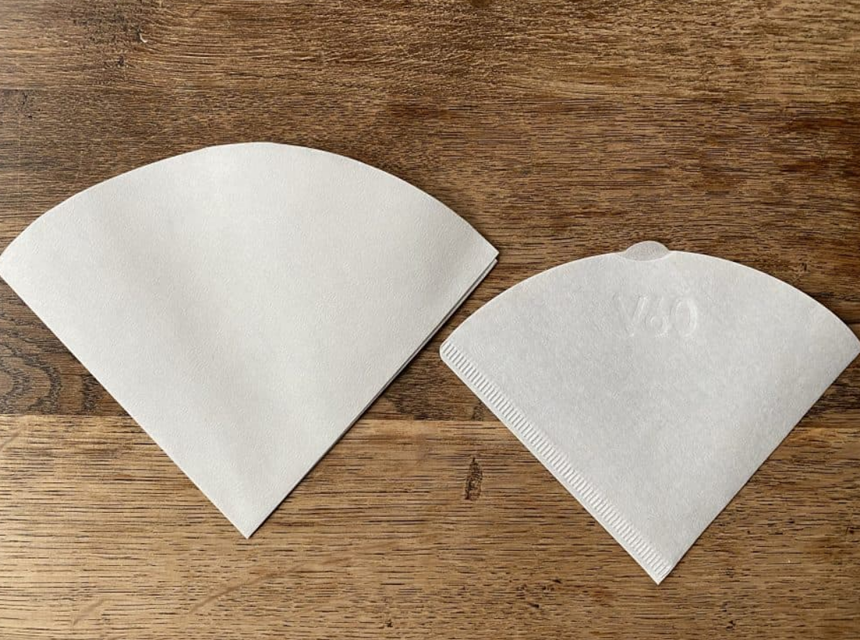
The main difference is physical size and brewing capacity. A #2 filter is smaller and usually serves a few cups. A #4 filter is taller, wider, and made for a larger cone-shaped filter basket.
| Feature | #2 Coffee Filter | #4 Coffee Filter |
|---|---|---|
| Common brewer size | 2–6 cups | 8–12 cups |
| Typical use | Small drip brewer or pour-over | Full-size drip brewer or large pour-over |
| Filter size | Smaller | Larger |
| Ground capacity | Less | More |
| Common U.S. use | 1–3 people | Families, offices, or larger batches |
| Main risk when misused | Overflow or poor fit | Collapse, poor fit, or weak extraction |
These cup ratings are general. Coffee maker manufacturers may use different cup measurements, and one brand’s filter holder may not match another brand’s holder exactly.
A #2 filter is not simply a thinner version of a #4 filter. It has a different shape and is designed to sit at a different height and width inside the cone.

#2 Coffee Filters: Best Uses and Limits
A #2 coffee filter is usually the right choice for a small cone-shaped coffee maker. It often works well for one to three servings, depending on the brewer and the amount of coffee you prepare.
Choose a #2 filter when:
- Your coffee maker says it uses a #2 filter.
- The filter cone is narrow and shallow.
- You usually brew a small batch.
- You use a small manual pour-over cone.
- You make coffee for one or two people.
A #2 filter may hold enough grounds for a small batch, but it has less space for water and coffee. If you fill it too high, the wet grounds can rise above the sides. This may slow the flow and cause water to spill over the edge.
How much coffee can a #2 filter hold?
There is no single safe maximum because paper thickness, grind size, and filter shape vary. As a practical guide, a #2 filter is commonly used for small batches of about two to six brewer-sized cups.
A U.S. coffee maker cup may be only 5 fluid ounces, not a full 8-ounce measuring cup. So a brewer labeled “6 cups” may produce about 30 fluid ounces before allowing for water held by the grounds and filter.
For a standard coffee ratio near 1 gram of coffee for every 16 grams of water:
- 12 fluid ounces of water may use about 21 grams of coffee.
- 20 fluid ounces of water may use about 35 grams of coffee.
- 30 fluid ounces of water may use about 53 grams of coffee.
These amounts are starting points, not strict rules. Change the amount based on taste.
#4 Coffee Filters: Best Uses and Limits
A #4 coffee filter is the common choice for many full-size automatic drip coffee makers in the United States. It is also used in larger manual pour-over cones.
Choose a #4 filter when:
- Your brewer lists #4 filters in its manual.
- The holder is tall and wide.
- You brew several cups at one time.
- You need room for a larger dose of coffee.
- You use an 8- to 12-cup drip machine.
The larger size gives water more room to pass through the grounds. It also reduces the chance that grounds will rise above the filter during brewing.
A #4 filter does not automatically make stronger coffee. Strength depends mainly on the coffee-to-water ratio, grind size, water temperature, and brew time. A larger filter only allows you to brew a larger batch with the correct fit.
How much coffee can a #4 filter hold?
A #4 filter is often suitable for a full 8- to 12-cup household brewer. The actual amount depends on the coffee maker’s water tank and the filter holder.
As a rough example, a 10-cup U.S. brewer may use around 50 to 60 grams of coffee at a 1:16 ratio. Some people prefer less coffee for a lighter cup, while others use more for a stronger brew.
Do not fill the filter to the rim. Ground coffee expands when wet. Leave enough space for the grounds to rise without touching the top edge.

Can You Use a #2 Filter in a #4 Coffee Maker?
You usually should not use a #2 filter in a #4 filter holder. The smaller filter may sit too low or fail to reach the sides of the holder.
This can cause several problems:
- The paper may fold inward.
- Coffee grounds may escape around the edges.
- Water may bypass the grounds.
- The filter may collapse into the outlet.
- The brewer may overflow.
- The coffee may taste weak or muddy.
Some people try to fold or stack a small filter to make it fit. This is not a dependable solution. The paper can tear, and the filter may not support the full water flow from the brewer.
If you only have #2 filters, brew a smaller amount only if the filter still sits firmly in the holder and the coffee maker manual allows smaller batches. Do not exceed the filter’s capacity.

Can You Use a #4 Filter in a #2 Coffee Maker?
A #4 filter is often too large for a #2 holder. It may bunch up at the bottom or rise above the rim.
A large filter in a small holder can:
- Prevent the filter from sitting flat.
- Block the water outlet.
- Fold into the coffee bed.
- Slow the flow.
- Cause water to spill over.
- Waste paper and coffee.
Some cone holders have flexible sides, so a #4 filter may appear to fit. Appearance alone is not enough. The filter should sit smoothly against the holder, with its top edge below or near the rim and no large folds blocking the opening.
For reliable brewing, use the size listed by the coffee maker or pour-over cone manufacturer.

How to Tell Which Coffee Filter Size You Need
The fastest method is to check the coffee maker manual or the markings on the filter basket. If those are not available, use the following steps.
1. Identify the filter holder shape
Look inside the coffee maker.
- Cone-shaped holder: It may use #2, #4, or another cone size.
- Flat-bottom basket: It usually needs a basket-shaped filter, not a #2 or #4 cone filter.
- Permanent mesh filter: It may not require paper filters at all.
A cone filter cannot replace a flat-bottom basket filter just because both hold coffee grounds.
2. Check the brewer label or manual
Look for terms such as:
- “#2 cone filter”
- “#4 cone filter”
- “8–12 cup basket filter”
- “No. 4 filter”
- “1×4 filter”
Use the exact size listed for your model. Product packaging may use similar names for filters with different shapes.
3. Compare the filter with the holder
Place a dry filter inside the empty holder. It should:
- Rest against the sides.
- Stand below the top rim.
- Cover the outlet without blocking it.
- Stay upright when you add coffee.
- Leave no large gaps around the edge.
Do not run the brewer during this test.
4. Check the old filter
If the old filter fit well, compare its height, base width, and top opening with the new filter. A package marked “cone” is not enough. The number and shape both matter.
5. Look up the exact model
If the manual is missing, search for the coffee maker’s brand and model number. Use the manufacturer’s instructions when possible. Retail listings may show a similar product but not the same filter holder.

#2 vs. #4 Coffee Filters for Pour-Over Brewing
For pour-over coffee, the filter must match the dripper. A #2 filter often fits small cone drippers, while a #4 filter usually fits larger cones designed for more coffee.
The best size depends on:
- The dripper manufacturer.
- The dripper opening.
- The number of servings.
- The amount of coffee grounds.
- The depth of the cone.
A filter that is too small can sit below the dripper rim and leave gaps. A filter that is too large can fold over the edge or create thick layers of paper.
Before brewing, shape the filter inside the dripper. Some brewers recommend folding the bottom seam and side seam before placing the filter in the cone. Rinsing the paper with hot water can help it hold its shape and reduce paper taste. Discard the rinse water before adding coffee.
For pour-over brewing, do not assume that a #4 filter is better because it is larger. A correct fit matters more than the number printed on the package.

Do #2 and #4 Filters Change Coffee Taste?
The filter number does not directly determine coffee strength or flavor. The main factors are:
- Coffee dose.
- Water volume.
- Grind size.
- Water temperature.
- Brew time.
- Paper thickness.
- Filter fit and shape.
A correctly fitted #2 and #4 filter made from the same paper may produce similar flavor when the coffee-to-water ratio and brewing method are adjusted.
The size can still affect taste indirectly. A filter that is too small may cause overflow or a deep, crowded coffee bed. A filter that is too large may spread the grounds too thinly or fit poorly. Both problems can change how water moves through the coffee.
If your coffee tastes weak after changing filter sizes, first check the coffee dose and water amount. Do not assume the larger or smaller filter caused the problem by itself.

Paper, Bleached, and Unbleached Coffee Filters
Filter size and filter color are separate issues. A #2 filter can be white or brown, and a #4 filter can also be white or brown.
Bleached filters
Bleached filters are usually white. The bleaching process removes the natural brown color from the paper. A properly manufactured paper filter is designed for food use.
Unbleached filters
Unbleached filters are usually brown. They may add a paper-like taste if you do not rinse them first, especially in pour-over brewing.
Does one type filter better?
Not necessarily. Filtration depends on the paper material, thickness, shape, and fit. The color alone does not prove that one filter produces cleaner coffee.
Rinse either type if you notice a paper taste. Use hot water, wet the full filter, and discard the rinse water before brewing.

Common Mistakes When Choosing Coffee Filters
Confusing cone and basket filters
A #2 or #4 cone filter is not the same as an 8- to 12-cup basket filter. Check the shape before buying.
Treating brewer “cups” as regular U.S. cups
Coffee maker cup ratings often use smaller servings than a standard 8-fluid-ounce cup. Read the brewer’s capacity in fluid ounces when available.
Buying by number only
Two filters with the same number may have different shapes or dimensions between brands. Confirm that the package says the filter fits your brewer type.
Overfilling the filter
Too many grounds can cause a slow brew or overflow. Leave room for the grounds to expand.
Using a damaged filter
A torn or crushed filter can allow grounds into the coffee. Throw away filters with holes, split seams, or heavy creases.
Ignoring the filter holder
A filter should sit securely before you add coffee. If it leans, folds, or leaves wide gaps, it is probably the wrong size or shape.

A Simple Choice Guide
Use this quick guide:
- Small cone brewer for one or two people: Start with a #2 filter.
- Full-size automatic drip machine: A #4 filter is common, but check the manual.
- Large manual pour-over cone: Use the size listed by the dripper maker.
- Flat-bottom coffee basket: Buy the correct basket filter instead.
- Unclear model or missing manual: Test the fit while the holder is dry, then confirm the model online.
- Filter collapses or overflows: Stop using that size and check the holder shape and filter capacity.
The correct filter should fit the holder without force. It should support the coffee bed and allow water to pass through without spilling over the sides.

Frequently Asked Questions
Is a #2 or #4 coffee filter better?
Neither is better for every brewer. A #2 filter is better for small cone brewers, while a #4 filter is better for larger cone brewers. The correct fit matters more than the filter number.
Can I cut a #4 coffee filter down to fit a #2 holder?
You can cut paper, but this is not a reliable method. Cutting may remove the seam or change the filter shape. It can also leave gaps that let grounds escape. A properly sized filter is the safer and more consistent choice.
Are #2 and #4 filters interchangeable?
Usually not. Their height, width, and capacity differ. Some holders may accept more than one size, but use only a size that sits securely and is approved for the brewer.
What is the difference between a #4 and a 1×4 filter?
Both labels may refer to a similar cone-filter category, but the exact shape can vary by brand and market. A 1×4 filter may not fit every U.S. coffee maker that calls for a #4 filter. Compare the manufacturer’s stated compatibility and dimensions.
How can I stop a coffee filter from collapsing?
Use the correct size, press the filter gently into the holder, and make sure the holder is seated properly in the coffee maker. For pour-over brewing, rinse the filter and pour water slowly at first. A grind that is too fine can also slow drainage and make the filter collapse.

Conclusion: Choose the Filter That Matches the Holder
For most U.S. cone-style brewers, choose a #2 coffee filter for small 2- to 6-cup machines and a #4 coffee filter for larger 8- to 12-cup machines. These ranges are common, but the manufacturer’s instructions are the final guide.
Do not choose a filter only by the amount of coffee you want to make. Check the holder shape, filter number, and physical fit. If the paper sits flat, stays below the rim, and does not collapse during brewing, you are likely using the right size.
For your next brew, inspect the filter basket and look for the model number or filter-size marking before buying a new pack.