
Introduction
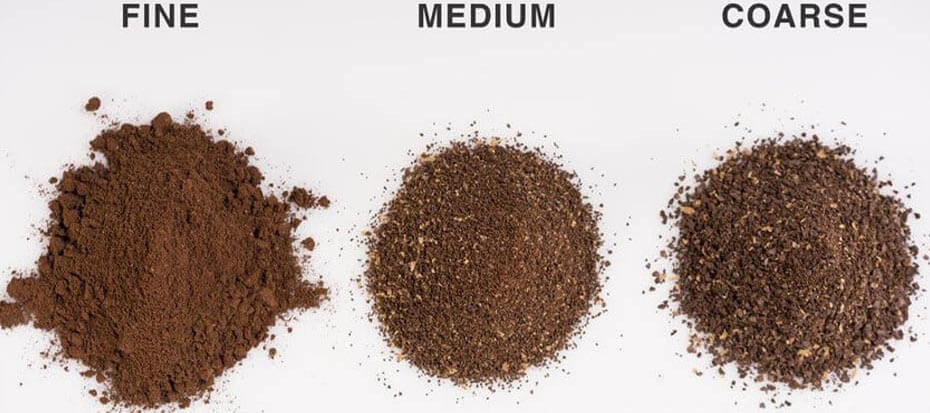
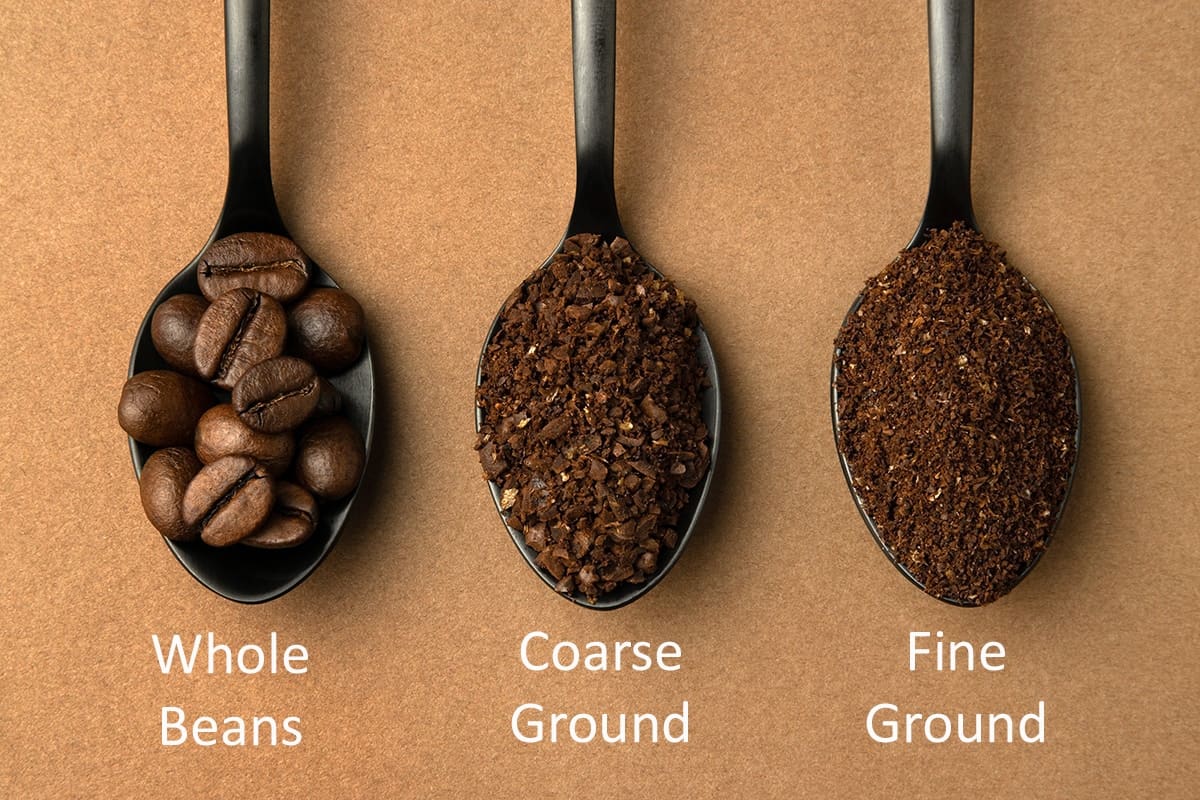
Coarse ground coffee is coffee beans crushed into large, rough pieces. The grains look a bit like sea salt or cracked pepper. This grind lets water move through the coffee more slowly, which makes it useful for French press, cold brew, and some other slow brewing methods popular in the United States.
The right grind size affects taste, brew time, and strength. If the grounds are too fine, your coffee may taste bitter or muddy. If they are too coarse, it may taste weak or sour. This guide explains what coarse coffee means, when to use it, and how to fix common brewing problems.

What Is Coarse Ground Coffee?
Coarse ground coffee has large particles with a rough, uneven texture. It is made by grinding roasted coffee beans for a shorter time than medium or fine coffee. A burr grinder usually makes more even coarse grounds than a blade grinder.
Coarse coffee does not mean low-quality coffee. It only describes the size of the coffee particles after grinding. The bean type, roast level, freshness, water, and brewing method still affect the final cup.
A coarse grind often looks like:
- Coarse sea salt
- Crushed peppercorns
- Small grains of sand, though usually larger and less even
- Small pieces of broken coffee bean
The exact size can vary. There is no single universal setting that every grinder calls “coarse.” A coarse setting on one grinder may look different from the same setting on another.
Why grind size matters
When coffee grounds touch water, the water pulls flavor compounds from the grounds. Smaller particles have more surface area, so they release flavor faster. Larger particles expose less surface area, so extraction takes more time.
This creates a useful match:
- Fine grounds: Fast extraction
- Medium grounds: Moderate extraction
- Coarse grounds: Slow extraction
A coarse grind helps prevent over-extraction during longer brewing. It can also make it easier to filter the coffee because larger particles are less likely to pass through a mesh filter.
The Specialty Coffee Association describes a common brewed coffee starting point of about 55 grams of coffee per liter of water. That equals roughly 1 gram of coffee for every 16 to 18 grams of water. This is a starting point, not a fixed rule, because taste and brewing equipment vary.
What Is Coarse Ground Coffee Used For?
Coarse coffee is most often used for brewing methods with long contact times or coarse filters. French press and cold brew are the clearest examples.
French press coffee
French press coffee usually works well with a coarse to medium-coarse grind. The grounds steep in hot water for several minutes before a metal plunger separates the coffee from the grounds.
A coarse grind can help by:
- Reducing fine sediment in the cup
- Making the plunger easier to press
- Lowering the chance of a bitter taste from over-extraction
- Producing a fuller, heavier mouthfeel
If the coffee tastes weak, grind slightly finer or steep for a little longer. If it tastes bitter, harsh, or gritty, use a coarser grind and check that you are not steeping too long.
Cold brew coffee
cold brew often uses coarse ground coffee because the grounds sit in cool water for many hours. Cold water extracts flavor more slowly than hot water.
A coarse grind can make cold brew easier to filter and may reduce a muddy texture. Very fine grounds can clog paper filters or leave more sediment in the finished drink.
Cold brew recipes vary widely. A practical starting point is about 1 part coffee to 8 parts water by weight for a ready-to-drink batch. Some people make a stronger concentrate and dilute it later. The best ratio depends on the desired strength and the filtering method.
Percolators
Some traditional stovetop and electric percolators can work with a medium-coarse grind. The correct setting depends on the model and its basket.
A grind that is too fine may move through the basket or produce a cloudy, bitter drink. Check the equipment instructions when available, then adjust based on taste.
Cowboy coffee and camp coffee
Unfiltered coffee made in a pot can use coarse grounds. The large particles settle more easily than fine grounds. Even so, some sediment will remain unless you pour carefully or use a filter.
Brewing methods that usually need a different grind
Coarse ground coffee is usually not the best choice for these methods:
- Espresso: Fine grind
- Moka pot: Fine to medium-fine grind
- Automatic drip coffee maker: Medium grind
- Pour-over: Medium to medium-fine grind, depending on the brewer
- AeroPress: Medium to fine, depending on the recipe
These are general starting points. Brewer design, filter type, dose, water temperature, and brew time can change the ideal grind.

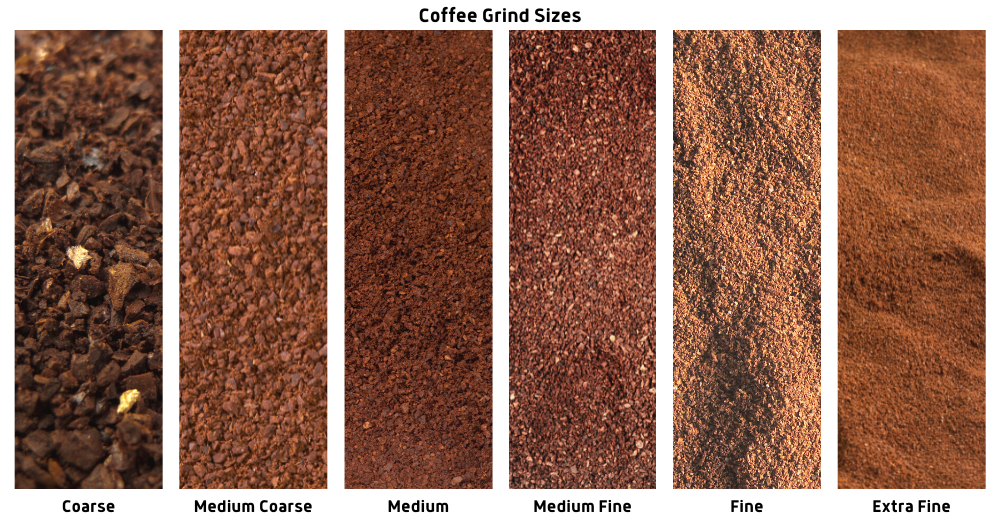
Coarse vs. Medium vs. Fine Coffee Grounds
The main difference between coarse, medium, and fine coffee is particle size. The best option depends on how long the water touches the grounds and how the coffee is filtered.
| Grind size | Texture | Common uses | Main risk |
|---|---|---|---|
| Coarse | Large, rough pieces | French press, cold brew, percolator | Weak or sour coffee if extraction is too low |
| Medium | Similar to table salt | Drip coffee, some pour-over brewers | May taste uneven if the brewer needs a different size |
| Fine | Powdery, like flour or fine sand | Espresso, some moka pot recipes | Bitter, harsh, or clogged coffee |
Coarse ground coffee vs. cracked coffee
Coarse ground coffee is not the same as whole beans that have been barely broken. Coarse grounds should still have enough small pieces to brew evenly. If the pieces are extremely large, water may pass around them without extracting enough flavor.
Coarse ground coffee vs. extra-coarse coffee
Some grinders include an extra-coarse setting. This grind is larger than standard coarse coffee and may suit certain cold brew recipes or steeping methods.
Extra-coarse coffee can taste weak if the brew time is short. It may work better when the coffee steeps for many hours or when the recipe uses more coffee.
Why grind labels are not exact
Grind names are useful, but they are not precise measurements. Grinder burr shape, calibration, bean size, roast level, and grinding speed all affect the result.
For better control, judge the grounds by both appearance and taste. Use the label as a starting point, not as a guarantee.

How to Make Coarse Ground Coffee at Home
You can make coarse coffee with a burr grinder, blade grinder, or store grinder. A burr grinder is usually the best choice because it crushes beans between two surfaces and creates a more even particle size.
Using a burr grinder
- Add the amount of coffee you need.
- Choose a coarse setting.
- Grind the beans.
- Check the texture under good light.
- Brew a small batch.
- Adjust the setting based on taste.
The grounds should look mostly large and even. A small amount of fine dust is normal, but a large amount of powder may lead to bitterness or excess sediment.
Using a blade grinder
A blade grinder chops coffee rather than crushing it evenly. It can create a mix of very large pieces and fine dust.
To improve the result:
- Add a small amount of beans.
- Use short pulses instead of holding the button down.
- Shake the grinder gently between pulses.
- Stop when most grounds look coarse.
- Remove obvious large pieces if needed.
This method will not produce the same consistency as a good burr grinder, but it can work for basic French press or cold brew.
Buying pre-ground coffee
Pre-ground coffee labeled “coarse ground” can save time. Choose a package with a roast date when possible, and store it in an airtight container away from heat, light, and moisture.
Ground coffee loses freshness faster than whole beans because more of its surface touches air. Buy an amount you can use while it still smells fresh and sweet.
How to Brew Coarse Ground Coffee in a French Press
A French press is one of the easiest ways to use coarse coffee. The following method is a starting point for an 8-ounce cup.
What you need
- 15 grams of coarse ground coffee
- About 240 grams, or 8 fluid ounces, of water
- Water heated to about 195–205°F
- A French press
- A timer
- A spoon
Steps
- Warm the French press with hot water, then discard that water.
- Add the coarse coffee grounds.
- Pour in the heated water.
- Stir gently to wet all the grounds.
- Place the lid on the press without pushing the plunger down.
- Steep for about 4 minutes.
- Press the plunger down slowly.
- Pour the coffee into a cup right away.
The coffee should taste balanced, clear enough to drink, and free from a strong burnt or sour note. A little sediment is normal with a metal French press filter.
If the coffee tastes weak
Try one change at a time:
- Use slightly more coffee.
- Grind a little finer.
- Extend the steep time by about 30 seconds.
- Use hotter water within the recommended range.
If the coffee tastes bitter
Try these changes:
- Grind slightly coarser.
- Shorten the steep time.
- Use water that is not boiling.
- Pour the coffee out of the press after plunging.
Leaving brewed coffee on the grounds continues extraction and can make the drink harsher.

How to Choose the Right Coarse Grind
Choose the grind by matching it to contact time, filter type, and flavor. Longer contact times generally need larger grounds, while short contact times often need smaller grounds.
Use this quick guide:
- French press: Coarse
- Cold brew: Coarse to extra-coarse
- Percolator: Medium-coarse
- Cowboy coffee: Coarse
- Drip coffee: Medium
- Pour-over: Medium to medium-fine
- Espresso: Fine
The best setting may still require small adjustments. For example, a French press with a very fine metal filter may need a slightly coarser grind to reduce sediment. A cold brew maker with a thick reusable filter may work well with coarse rather than extra-coarse grounds.
A simple adjustment rule
Change only one variable at a time:
- Sour, sharp, or weak taste: grind finer, use more coffee, or brew longer.
- Bitter, dry, or harsh taste: grind coarser, use less coffee, or brew for less time.
- Muddy or gritty texture: grind coarser and improve the filter.
- Uneven taste: use a more consistent grinder and check the water flow.
Taste is more useful than appearance alone. Two coffees with the same grind can taste different because of roast level, bean density, freshness, and processing method.
Common Mistakes With Coarse Coffee Grounds
Using coarse coffee in an espresso machine
Espresso machines force hot water through a compact coffee puck in a short time. Coarse grounds offer too little resistance and usually produce a fast, thin shot.
Use a fine espresso grind unless the machine manufacturer gives different instructions.
Assuming coarse means stronger
Coarse coffee is not automatically stronger or weaker. Strength depends mainly on the amount of coffee, amount of water, and extraction. A coarse grind can produce weak coffee if the brew does not extract enough flavor.
Grinding by time alone
The same timer setting can produce different results with different beans and grinders. Use the grinder setting and the appearance of the grounds as guides, then adjust by taste.
Using boiling water
Water at a full boil can make some coffee taste harsh, especially when the coffee is already over-extracted. Let boiling water cool briefly before brewing, or use a kettle with temperature control.
Leaving brewed coffee on the grounds
This is common with French press coffee. Once the coffee reaches the desired strength, pour it into a separate container. Otherwise, the grounds continue to release flavor.
Ignoring water quality
Coffee is mostly water, so water quality affects the cup. Very hard, soft, or strongly chlorinated water can change flavor. Filtered water is often a practical starting point, but avoid water that is completely mineral-free if the coffee tastes flat.

Frequently Asked Questions About Coarse Ground Coffee
Is coarse ground coffee the same as ground coffee?
No. “Ground coffee” describes coffee beans that have been crushed. “Coarse ground coffee” describes the size of those crushed particles. Ground coffee may be coarse, medium, fine, or another size.
Can I use coarse ground coffee in a drip coffee maker?
You can, but it may taste weak if the water passes through quickly. Most standard drip coffee makers work better with a medium grind. If you use coarse grounds, try a slightly larger dose or adjust the grind finer.
Is coarse ground coffee better for cold brew?
Coarse coffee is often a good starting point for cold brew because it is easier to filter and can produce less sediment. However, the best setting depends on the steep time, coffee-to-water ratio, and filter.
Can I use coarse ground coffee for espresso?
Usually, no. Espresso needs a fine grind to create enough resistance during its short brew time. Coarse grounds usually allow water to pass too quickly.
How long does coarse ground coffee stay fresh?
Ground coffee is best used soon after grinding. Keep it sealed in an airtight container in a cool, dry cabinet. Do not store it in the refrigerator, where moisture and food odors can affect the coffee.
Should coarse coffee be darker than fine coffee?
No. Grind size and roast level are separate traits. Coarse coffee can come from light, medium, or dark roasted beans.
Final Answer: What Is Coarse Ground Coffee?
Coarse ground coffee is coffee crushed into large, rough particles. It works best for longer brewing methods, especially French press and cold brew. The larger grounds slow extraction and can reduce fine sediment.
Start with a coarse setting, a balanced coffee-to-water ratio, and the recommended brew time for your method. If the coffee tastes weak, grind a little finer or brew longer. If it tastes bitter or gritty, grind coarser, shorten the brew, or improve the filter.
For most home brewers, the next useful step is simple: choose the brewing method first, then adjust the grind until the coffee tastes balanced.

2 Comments