For most Americans brewing coffee at home, the process takes about 3 to 8 minutes, depending on the method. A drip coffee maker typically needs 5 to 6 minutes, a pour-over takes 3 to 4 minutes, and a French press usually requires 4 to 5 minutes of steeping. Cold brew is the major exception, taking 12 to 24 hours.
The most useful way to measure coffee-making time is to separate:
- Preparation time: grinding beans, measuring coffee, and heating water
- Brew time: the period when water extracts flavor from coffee grounds
- Serving time: pouring, pressing, or removing the grounds
For example, a pour-over may take four minutes to brew but six or seven minutes from whole beans to finished cup.

Quick Answer: How Long Does Coffee Take to Brew?
The answer depends on the brewing method, coffee amount, grind size, and equipment. Use this table as a practical guide for typical home brewing in the United States.
| Brewing method | Typical brew or extraction time | Approximate total time |
|---|---|---|
| Instant coffee | 30 seconds to 1 minute | 1 to 2 minutes |
| Single-serve pod machine | 1 to 3 minutes | 2 to 5 minutes |
| Espresso | 25 to 35 seconds of extraction | 5 to 15 minutes, including machine warm-up |
| AeroPress | 1 to 2 minutes of steeping and pressing | 2 to 4 minutes |
| Pour-over | 3 to 4 minutes | 5 to 7 minutes |
| automatic drip coffee maker | 4 to 8 minutes | 5 to 10 minutes |
| French press | 4 minutes of steeping | 5 to 7 minutes |
| Moka pot | 4 to 8 minutes on the stove | 7 to 12 minutes |
| Turkish coffee | 3 to 5 minutes | 5 to 8 minutes |
| Cold brew | 12 to 24 hours | 12 to 24 hours |
These are normal ranges, not strict rules. A larger batch, a slower kettle, a cold kitchen, or a machine that requires warm-up can add several minutes.
The best target is not simply the fastest brew. Coffee should have enough contact time with water to extract desirable flavors without becoming weak, sour, harsh, or bitter.

What Determines Coffee Brewing Time?
Coffee brewing time is mainly controlled by the interaction between water, coffee grounds, temperature, and extraction. Extraction is the process in which water dissolves flavor compounds from ground coffee.
The main variables are:
- Brewing method
- Grind size
- Coffee-to-water ratio
- Water temperature
- Pouring or agitation
- Batch size and equipment
Brewing method
Each method exposes coffee grounds to water differently.
- Espresso forces hot water through a compact bed of finely ground coffee under pressure.
- Pour-over relies on gravity and a controlled stream of water.
- French press submerges the grounds in water.
- Automatic drip coffee sprays water over a filter basket.
- Cold brew uses cool or room-temperature water over many hours.
Because the mechanisms differ, a four-minute French press brew is not directly equivalent to a four-minute espresso extraction.
Grind size
Grind size strongly affects how quickly coffee extracts.
- Fine grounds expose more surface area and extract quickly.
- Medium grounds suit many automatic drip machines.
- Coarse grounds extract more slowly and are commonly used for French press and cold brew.
If the grind is too fine for the method, water may flow slowly and produce bitter or heavy coffee. If it is too coarse, water may pass through quickly and produce weak or sour coffee.
Coffee-to-water ratio
Using more coffee does not always mean the brew should take longer. A larger dose may require a larger volume of water, but the brewing time depends on the equipment and method.
A common starting point is approximately:
- 1 gram of coffee for every 15 to 18 grams of water
- About 55 to 65 grams of coffee per 1 liter of water
- Roughly 1 to 2 level tablespoons of ground coffee per 6 fluid ounces of water, depending on the coffee and desired strength
A kitchen scale is more consistent than using tablespoons because ground coffee density varies.
Water temperature
Hotter water generally extracts coffee more quickly than cooler water. For many hot-brew methods, water around 195°F to 205°F is a common starting range. This is consistent with Specialty Coffee Association brewing guidance.
Water that is too cool can create under-extracted coffee, which may taste sour, thin, or sharp. Water that is excessively hot or held on the grounds too long can contribute to harsh or bitter flavors.
Agitation and pouring
Stirring, swirling, or pouring aggressively increases contact between water and grounds. This can speed extraction, but too much agitation may also disturb the coffee bed and cause uneven flow.
In a pour-over, a steady pour and an evenly saturated coffee bed are usually more important than trying to finish as quickly as possible.
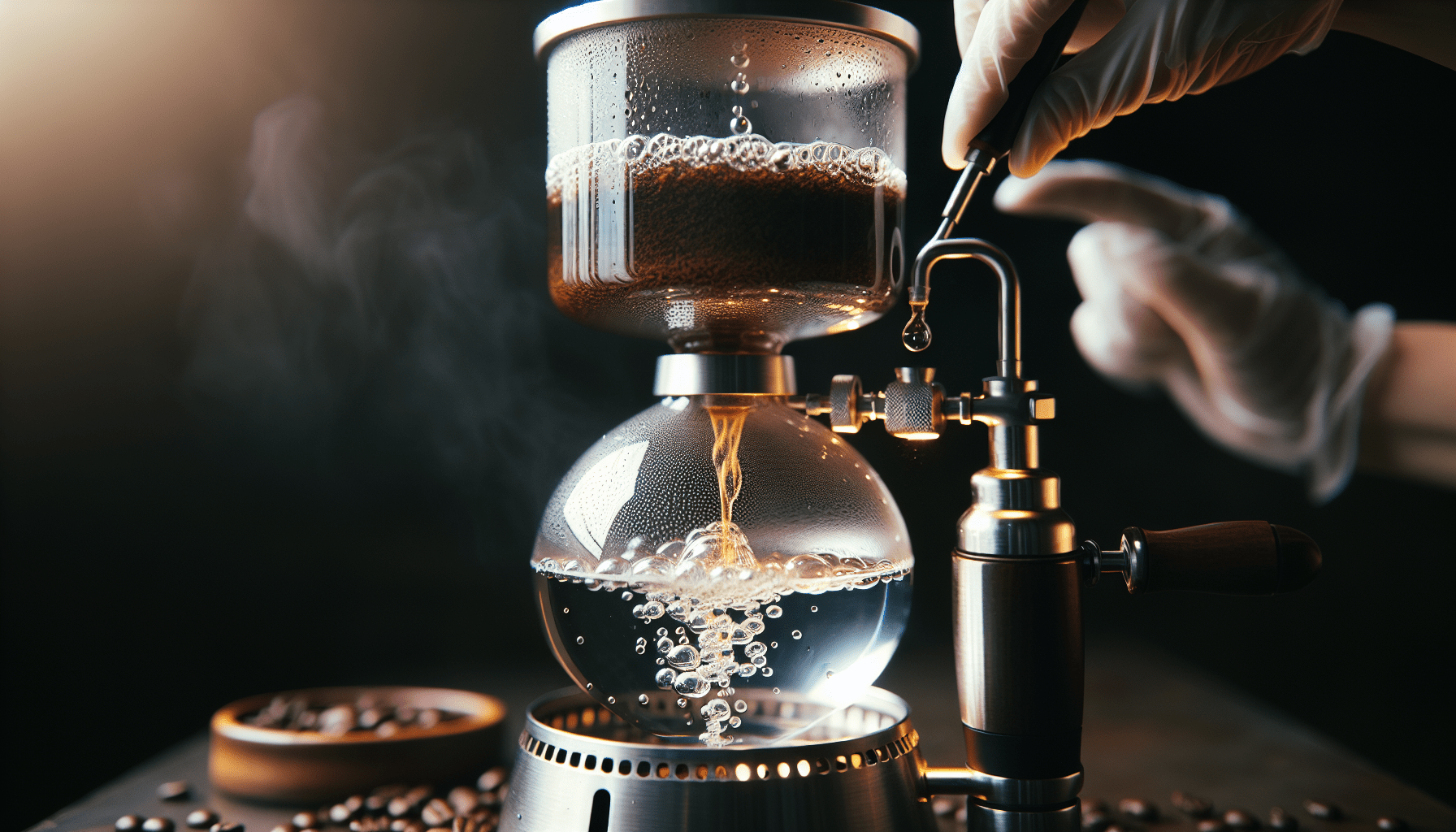
How Long Does Each Coffee Brewing Method Take?
Automatic drip coffee maker
A standard automatic drip coffee maker usually takes 4 to 8 minutes to brew a full pot, with many household machines finishing in approximately 5 to 6 minutes for a moderate batch.
Allow another minute or two for grinding, measuring, and pouring.
The brewing time can increase when:
- The machine makes a large 10- or 12-cup batch
- The water reservoir is filled to maximum capacity
- The filter basket is overloaded
- The machine has mineral buildup
- The heating element is weak or malfunctioning
The coffee is generally ready when water has stopped dripping and the machine indicates that the cycle is complete. Leaving coffee on a hot warming plate for a long time does not improve extraction; it mainly changes the flavor through continued heating and oxidation.
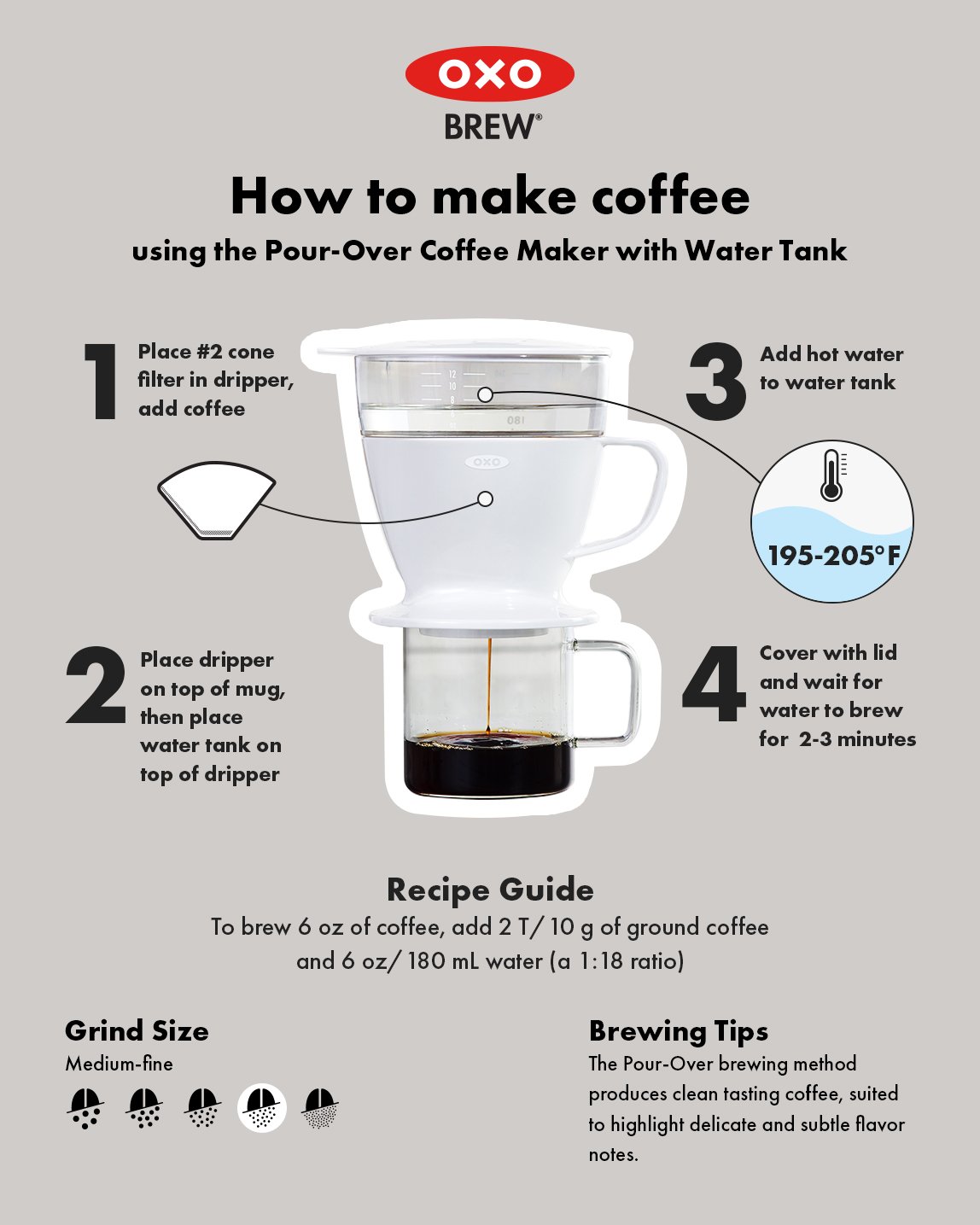
Pour-over coffee
A pour-over generally takes 3 to 4 minutes of brewing time for one or two cups. Total preparation usually takes 5 to 7 minutes, including grinding coffee and heating water.
A typical sequence is:
- Heat water.
- Place and rinse the paper filter.
- Add medium-fine ground coffee.
- Pour a small amount of water to wet the grounds.
- Wait about 30 to 45 seconds for the coffee to bloom.
- Continue pouring in controlled stages.
- Allow the water to drain before removing the filter.
For a common single-cup recipe, the total drawdown time—the time from the first pour until the last water drains—often falls near three minutes. The exact time varies by dripper, filter, grind size, and pouring technique.
If the coffee drains much faster than expected and tastes weak or sour, use a slightly finer grind. If it drains very slowly and tastes bitter or dry, use a slightly coarser grind or reduce agitation.
French press
A French press typically requires 4 minutes of steeping, followed by pressing and pouring. From start to finish, expect approximately 5 to 7 minutes.
A practical method is:
- Add coarse-ground coffee to the press.
- Pour in hot water.
- Stir gently to wet all the grounds.
- Place the lid on the press.
- Steep for about 4 minutes.
- Press the plunger slowly.
- Pour the coffee into a separate mug or carafe.
If coffee tastes weak, slightly increase the steeping time or use a finer grind. If it tastes bitter, dry, or overly heavy, reduce the steeping time, use a coarser grind, or avoid leaving the coffee in contact with the grounds after pressing.
Espresso
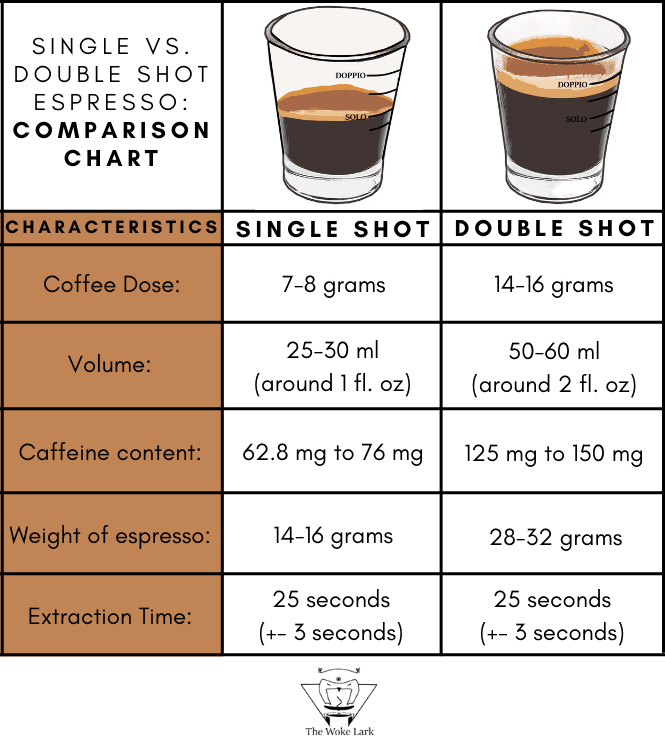
Espresso extraction usually takes about 25 to 35 seconds after the pump begins, although the appropriate time depends on the recipe, dose, grind, and desired beverage.
The complete process takes longer because an espresso machine may need 5 to 15 minutes or more to warm up. Grinding, dosing, tamping, locking in the portafilter, and cleaning add several minutes.
A slow espresso shot can result from coffee that is ground too finely, excessive coffee in the basket, or overly firm resistance in the puck. A fast shot can result from coffee that is too coarse, too little coffee, or uneven distribution.
Extraction time alone does not determine espresso quality. The amount of liquid produced relative to the dry coffee dose is also important. Many baristas begin with a brew ratio near 1:2—for example, 18 grams of coffee producing about 36 grams of espresso—and adjust from there.
AeroPress
An AeroPress usually takes 1 to 2 minutes of steeping and pressing, or about 2 to 4 minutes total when preparation is included.
A typical recipe involves:
- Heat water.
- Grind coffee.
- Add coffee and water.
- Stir briefly.
- Steep for approximately 60 to 120 seconds.
- Press slowly through the filter.
The AeroPress can be brewed faster than a French press because it uses a smaller dose, paper filtration, and pressure-assisted draining. Shorter recipes may produce a lighter cup, while longer steeping or a finer grind can create a stronger extraction.
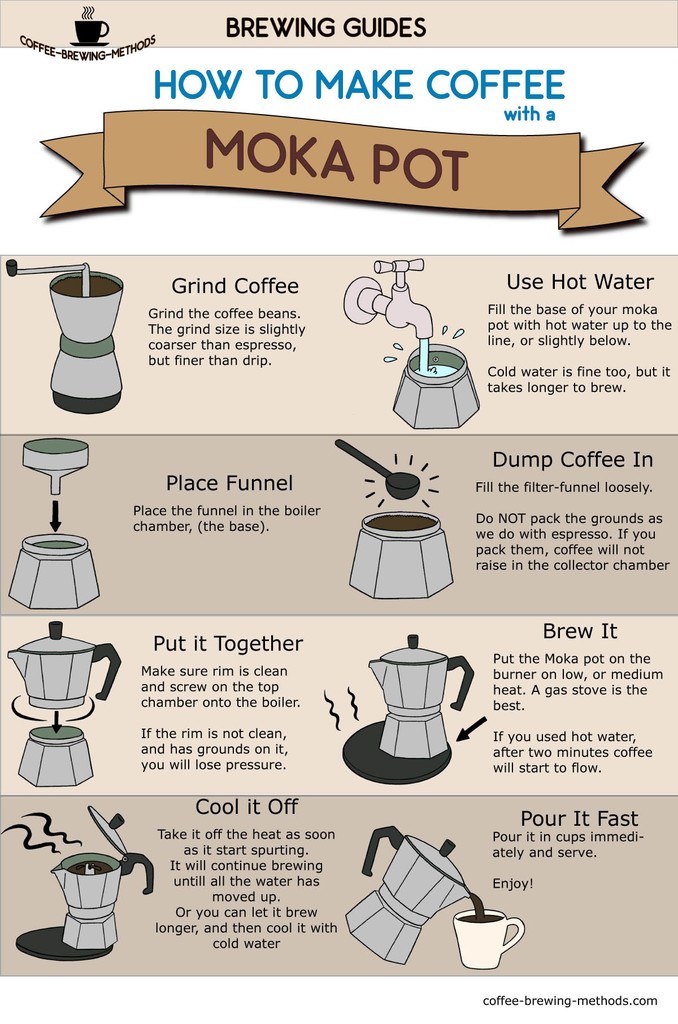
Moka pot
A moka pot usually takes 4 to 8 minutes on the stovetop, plus preparation and cleanup. Total time is often 7 to 12 minutes.
The exact time depends on the pot size, burner, amount of water, and heat level. Use moderate heat rather than maximum heat. Excessive heat can cause the coffee to rush through, taste burnt, or create unsafe pressure behavior.
Remove the moka pot from the heat when the upper chamber is nearly full and the flow begins to lighten or sputter. Follow the instructions for the specific pot, since designs and safety features differ.
Cold brew
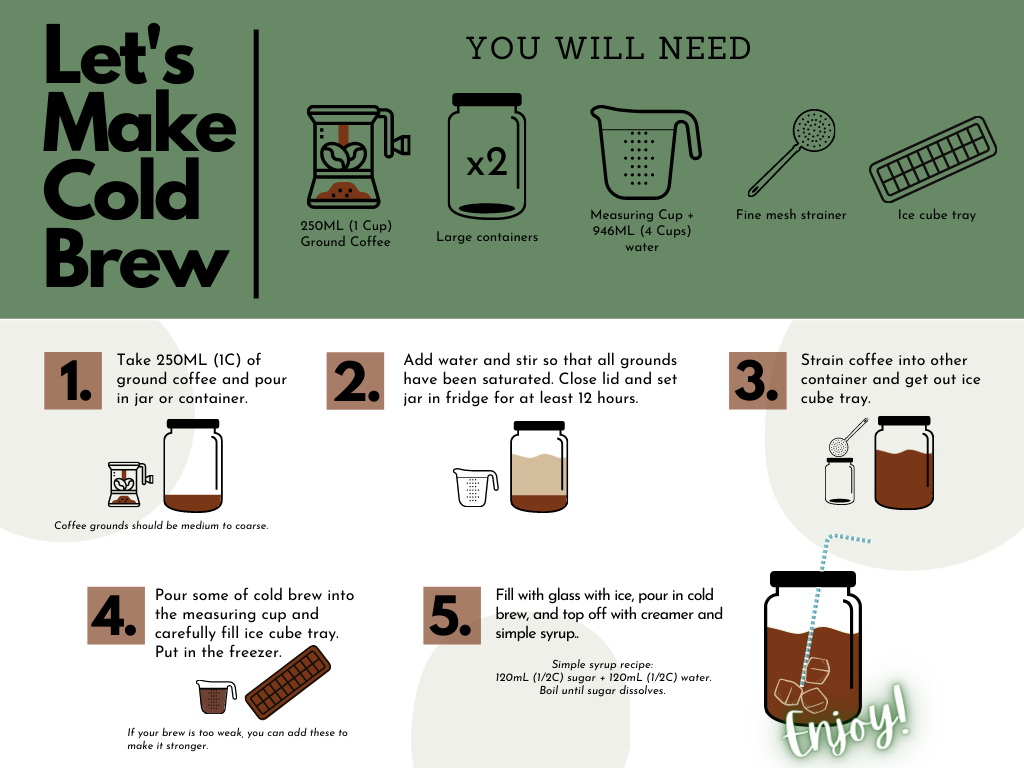
Cold brew takes 12 to 24 hours, making it the slowest common coffee preparation method.
Two common approaches are:
- Ready-to-drink cold brew: brewed at a lower coffee concentration and served directly over ice
- Cold-brew concentrate: brewed with more coffee and diluted with water or milk before serving
After steeping, filter the coffee thoroughly and refrigerate it. Because recipes vary widely in coffee dose, water volume, grind, and storage conditions, there is no single universal cold-brew time. A 12-hour steep may be enough for one recipe, while another may need 18 to 24 hours.
Longer steeping does not automatically produce better cold brew. It can increase body and strength but may also create woody, bitter, or overly intense flavors.
How Long Should Coffee Grounds Stay in Contact With Water?
The ideal contact time depends on the brewing method, but many hot-brew methods fall within a few minutes.
Contact time includes the period when water is actively touching the coffee grounds. For immersion methods such as French press, the time is easy to measure. For pour-over and drip coffee, it includes the time water passes through the coffee bed.
A useful starting range is:
- Espresso: approximately 25 to 35 seconds
- Pour-over: approximately 2.5 to 4 minutes
- Automatic drip: approximately 4 to 8 minutes
- French press: approximately 4 minutes
- AeroPress: approximately 1 to 2 minutes
- Cold brew: approximately 12 to 24 hours
These ranges are starting points rather than quality guarantees. Coffee origin, roast level, freshness, grind distribution, water chemistry, and recipe all affect the result.
Signs the brewing time is too short
Coffee may be under-extracted when it tastes:
- Sour or sharply acidic
- Thin or watery
- Salty
- Unbalanced
- Weak despite using enough coffee
Possible adjustments include using a finer grind, increasing contact time, increasing water temperature within the method’s safe range, or improving saturation.
Signs the brewing time is too long
Coffee may be over-extracted when it tastes:
- Bitter
- Dry or astringent
- Harsh
- Hollow after cooling
- Overly heavy
Possible adjustments include using a coarser grind, reducing steeping time, pouring more gently, or using slightly cooler water.
Taste is more useful than a stopwatch by itself. A brew that takes four minutes but tastes balanced is generally preferable to one that reaches an arbitrary time and tastes unpleasant.
Preparation Time vs. Brewing Time
When someone asks how long coffee takes, they may mean either the active brewing period or the entire process.
For example, a pour-over might look like this:
| Step | Approximate time |
|---|---|
| Heat water | 3 to 5 minutes |
| Grind and measure coffee | 1 minute |
| Rinse filter and prepare dripper | 30 seconds |
| Pour and allow coffee to drain | 3 to 4 minutes |
| Total | About 5 to 7 minutes |
A standard automatic coffee maker may take less hands-on effort but still require several minutes to heat water and complete the cycle. A pod machine may produce a cup quickly, but its total time depends on warm-up, rinsing, and the size of the beverage.
For planning purposes:
- Choose a pod machine or instant coffee when speed matters most.
- Choose an automatic drip maker for several cups with minimal effort.
- Choose a pour-over or AeroPress when you want more control over a single serving.
- Choose a French press when you prefer immersion brewing and a fuller body.
- Choose cold brew when you can prepare coffee in advance.

Why Is My Coffee Taking Too Long to Brew?
Coffee that takes longer than usual usually has a flow problem, an equipment problem, or a recipe problem.
Pour-over drains too slowly
Common causes include:
- Grind size is too fine
- Filter is clogged
- Coffee bed was disturbed too much
- Too much coffee was used
- Water was poured too aggressively
- Fine particles are blocking the filter
Start by using a slightly coarser grind and pouring more gently. If the problem continues, check whether the filter is seated correctly and whether the dripper is clean.
Drip coffee maker runs slowly
A slow automatic coffee maker may have mineral deposits in the water pathway or showerhead. Unplug the machine, allow it to cool, and follow the manufacturer’s cleaning instructions. Do not disassemble electrical equipment unless the manual specifically permits it and you understand the procedure.
If descaling does not restore normal operation, the heating or pumping system may need service or replacement.
Espresso takes too long
A shot that runs slowly is often caused by:
- Coffee ground too fine
- Too much coffee in the basket
- Uneven distribution
- A blocked basket or portafilter
- Excessive resistance in the coffee puck
Adjust one variable at a time. A slightly coarser grind is usually the first practical change.
French press remains difficult to press
A plunger that requires excessive force may indicate grounds that are too fine or a clogged filter screen. Stop pressing if the plunger becomes unusually difficult to move. Forcing it can cause hot coffee to splash or the glass vessel to break.
Use a coarser grind, clean the screen, and inspect the press for damage before using it again.
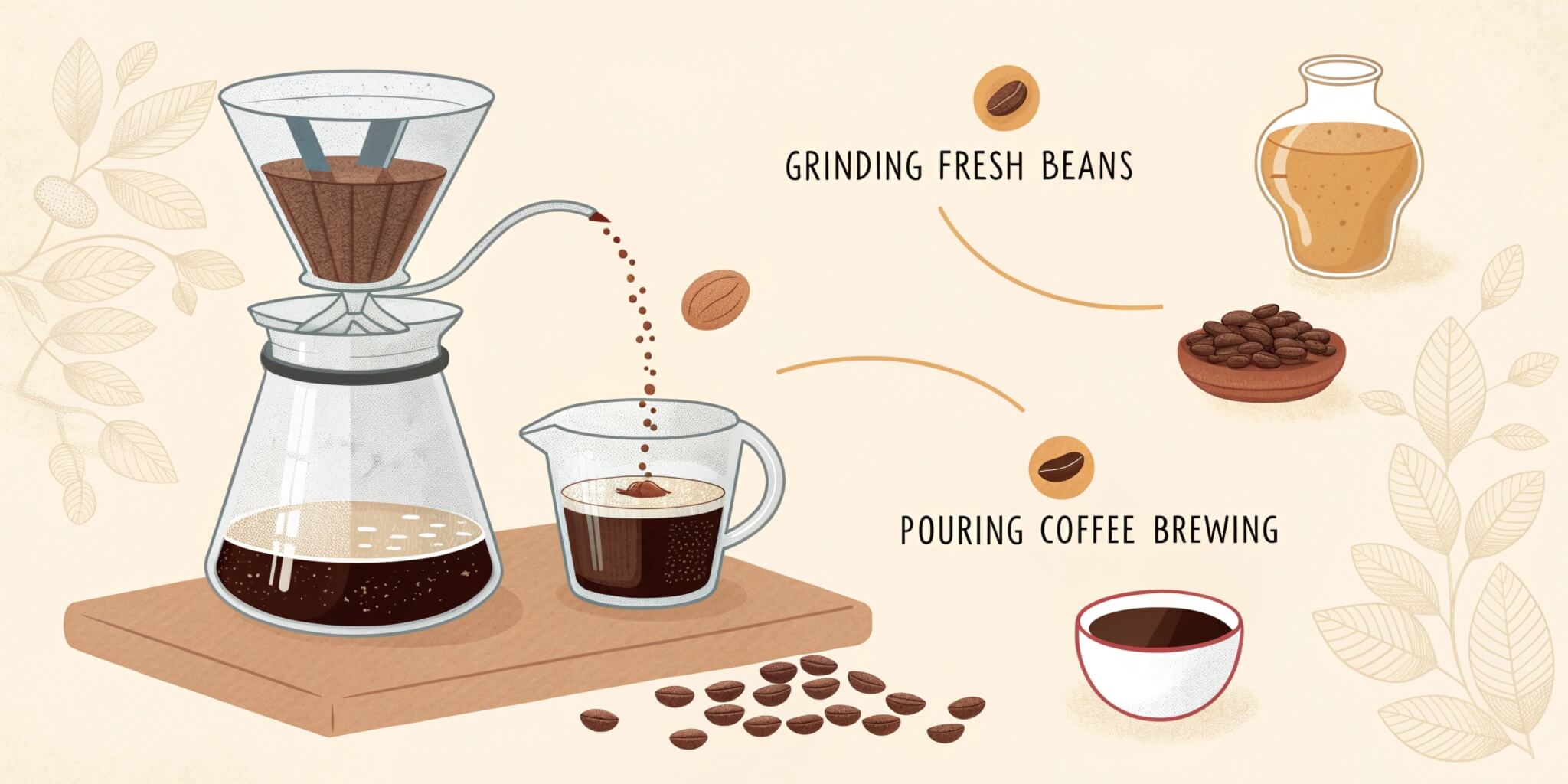
Common Mistakes That Change Brewing Time
Using boiling water directly on delicate equipment
Water just off the boil is common for many hot-brew methods, but follow the instructions for plastic brewers, glassware, kettles, and espresso equipment. Avoid exposing equipment to sudden temperature changes that could cause cracking.
Changing several variables at once
If you change grind size, coffee dose, water temperature, and steeping time simultaneously, you will not know which adjustment affected the result. Change one variable at a time whenever possible.
Treating the coffee maker’s “cup” as a standard U.S. cup
Many coffee makers define one cup as approximately 5 fluid ounces, not the 8-fluid-ounce U.S. customary cup used in general kitchen measurements. Check the markings on the machine before calculating coffee ratios.
Leaving coffee on the warming plate
A warming plate can keep coffee hot but may make it taste bitter or cooked over time. Transfer coffee to an insulated carafe if it will not be served soon.
Assuming longer always means stronger and better
Longer brewing generally increases extraction, but it does not automatically improve flavor. Strength can also be adjusted with the coffee-to-water ratio. If coffee tastes bitter, brewing it longer is unlikely to solve the problem.
Neglecting cleaning
Old coffee oils and mineral buildup can alter flow and flavor. Clean the brewer, carafe, filter basket, grinder, and reusable filters according to the equipment manufacturer’s instructions.

How to Make Coffee Faster Without Sacrificing Flavor
The fastest improvement is usually better preparation rather than dramatically shortening brew time.
- Heat water before grinding. This reduces idle time.
- Measure coffee in advance. A scale or pre-portioned dose makes repeat brewing faster.
- Use freshly ground coffee. A consistent grind helps water flow predictably.
- Choose the correct grind size. A grind that is too fine can slow the brew and create bitterness.
- Use the right batch size. Brewing one or two cups in a large machine may be less efficient than using a single-serve method.
- Keep equipment clean. Mineral buildup and coffee oils can slow flow.
- Use an insulated carafe. It keeps coffee warm without prolonged contact with a hot plate.
- Prepare cold brew in advance. It takes hours, but it reduces morning preparation time.
For a quick but controlled cup, an AeroPress or single-cup pour-over often offers a practical balance between speed and customization. For several people, an automatic drip machine is usually more efficient.

Frequently Asked Questions
Does coffee brew faster with hotter water?
Usually, yes. Hotter water generally extracts flavor compounds more quickly, but water that is excessively hot can contribute to harsh flavors and may damage some equipment. For many hot-brew methods, begin around 195°F to 205°F and adjust according to taste and the brewer’s instructions.
Is five minutes long enough to brew coffee?
Five minutes is enough for many methods, including a typical French press or a moderate automatic drip cycle. It may not be enough for cold brew, and it includes only the extraction period for some methods. The correct time depends on the brewing method, grind, dose, and water temperature.
Why does my coffee taste sour even when I brew it for a long time?
Sour coffee can be under-extracted even when the total brew takes a long time. Water may be channeling through the grounds, the grind may be too coarse, or the water may be too cool. Improve saturation and try a slightly finer grind before simply extending the brewing time.
Can I leave coffee grounds in the French press?
You can, but the coffee continues extracting while the grounds remain submerged. This often makes the later cups more bitter or dry. Press the coffee after the intended steeping time and pour it into a separate carafe or mug.
How long does brewed coffee stay fresh?
For best flavor, drink brewed coffee soon after preparation. Refrigerate leftover coffee in a covered container rather than leaving it at room temperature for an extended period. General food-safety guidance from the U.S. Department of Agriculture advises refrigerating perishable foods within two hours, or within one hour when temperatures exceed 90°F. Coffee quality may decline before it becomes a food-safety concern, especially if it remains on a warming plate.
Key Takeaways
- Most hot coffee methods take 3 to 8 minutes from brewing to serving.
- Automatic drip coffee usually takes about 4 to 8 minutes.
- Pour-over coffee commonly takes 3 to 4 minutes to brew and 5 to 7 minutes overall.
- French press coffee usually steeps for about 4 minutes.
- Espresso extraction takes roughly 25 to 35 seconds, excluding machine warm-up and preparation.
- Cold brew requires 12 to 24 hours.
- Grind size, water temperature, coffee dose, and agitation can change the result.
- Flavor is a better measure of success than a fixed time alone.
- If coffee is weak or sour, increase extraction gradually. If it is bitter or dry, reduce extraction.
Conclusion
For most home coffee drinkers in the United States, brewing coffee takes only a few minutes. Use 5 to 6 minutes as a reasonable expectation for automatic drip coffee, 3 to 4 minutes for a pour-over, and 4 minutes of steeping for a French press. Espresso is fast once the machine is ready, while cold brew requires advance planning.
Start with the recommended time for your method, then adjust grind size, dose, and contact time based on flavor. A balanced cup—not the shortest or longest brew—is the practical goal.