
Espresso is a small, strong coffee made by pushing hot water through finely ground coffee under pressure. In the United States, it is the base for popular drinks such as lattes, cappuccinos, Americanos, and macchiatos. Despite its bold taste, espresso is not a special type of coffee bean. It is a brewing method.
A well-made espresso has a rich body, deep flavor, and a layer of foam called crema. The drink is small because the coffee is highly concentrated, not because it has less coffee value.

What Is Espresso?
Espresso is coffee brewed by forcing hot water through a compact bed of finely ground coffee. The process takes about 20 to 30 seconds in many café recipes, though the exact time depends on the coffee, grinder, dose, and machine.
The result is a small drink with strong flavor and a thick texture. A single espresso often measures about 1 ounce, while a double espresso is commonly about 2 ounces. Café sizes and recipes vary, so these amounts are not universal rules.
Espresso has three parts:
- The liquid body: The dark coffee beneath the surface.
- Crema: The tan foam that forms from coffee oils, gases, and water.
- Aroma: The smell released when the coffee is brewed and served.
Espresso is often served on its own. It is also used in milk drinks and mixed coffee drinks.
Is espresso a type of coffee bean?
No. Espresso beans are not a separate species of coffee. Any coffee bean can be used to make espresso if it is ground and brewed in a suitable way.
Coffee companies may label a bag “espresso roast.” This usually means the beans were chosen or roasted with espresso brewing in mind. The label does not create a different kind of bean.
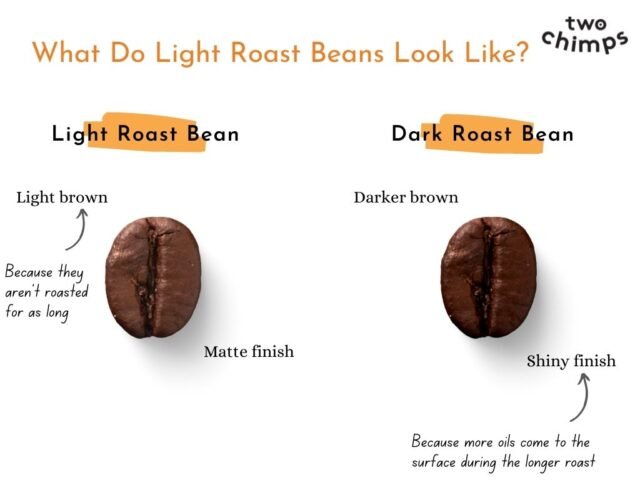
Espresso often uses a darker roast, but light and medium roasts can also work well. The roast level changes the taste, not the basic definition of espresso.
Why is espresso so strong?
Espresso tastes strong because it uses little water compared with the amount of coffee. A typical espresso recipe may use about 18 grams of ground coffee to produce about 36 grams of liquid coffee. This is close to a 1:2 coffee-to-drink ratio by weight.
That ratio is only a starting point. Some recipes use more or less water. The key point is that espresso is concentrated.
How Is Espresso Made?
Espresso is made by controlling four main factors: coffee dose, grind size, water, and pressure. A machine heats the water and sends it through the coffee puck, which is the firm bed of grounds held in the portafilter.
A basic espresso process looks like this:
- Grind coffee very finely.
- Place the grounds in the portafilter.
- Distribute the grounds evenly.
- Tamp the grounds into a level puck.
- Lock the portafilter into the machine.
- Start the shot.
- Stop the flow when the target yield is reached.
- Taste the espresso and adjust the next shot if needed.
Most espresso machines use a pump to create pressure. Many home and café machines are designed around about 9 bars of brewing pressure, but the machine’s displayed pressure may not match the pressure at the coffee puck.
A useful starting recipe
For a double espresso, try this starting point:
| Variable | Starting point |
|---|---|
| Ground coffee | 18 grams |
| Liquid espresso | 36 grams |
| Brew ratio | 1:2 |
| Brew time | About 25 to 30 seconds |
| Water temperature | Often about 195°F to 205°F |
These figures are guides, not strict laws. The best recipe depends on the coffee and the taste you want.
Use a scale when possible. Measuring only by volume is less reliable because coffee grounds differ in size and density.
What does tamping do?
Tamping presses the grounds into an even puck. This helps water pass through the coffee more evenly.
Tamping harder is not the main goal. A level surface and even coffee distribution matter more than extreme force. If the puck has weak spots, water may rush through those areas. This is called channeling.
Channeling can produce an espresso that tastes both bitter and sour. Some coffee is over-extracted, while other coffee is under-extracted.

What Does Espresso Taste Like?
Espresso can taste bold, sweet, bitter, fruity, nutty, chocolatey, floral, or smoky. The flavor depends on the coffee variety, growing region, processing method, roast, freshness, grinder, water, and brewing recipe.
A balanced espresso often has:
- Noticeable sweetness
- A pleasant level of bitterness
- Enough acidity to add brightness
- A thick but smooth texture
- A clean finish
“Strong” does not always mean “bitter.” Bitterness can come from dark roasting, over-extraction, very hot water, or a recipe that pulls too much from the grounds.
Why can espresso taste sour?
Sour espresso is often under-extracted. This means the water did not remove enough flavor from the coffee.
Possible causes include:
- The grind is too coarse.
- The shot runs too fast.
- The water is too cool.
- The coffee dose is too low.
- The coffee is a naturally bright light roast.
To correct it, make the grind slightly finer or allow the shot to run longer. Change one variable at a time.
Why can espresso taste bitter?
Bitter espresso is often over-extracted. The water may have removed too much from the coffee.
Possible causes include:
- The grind is too fine.
- The shot runs too slowly.
- The water is too hot.
- The coffee is very dark roasted.
- The brewing ratio is too large.
Try a slightly coarser grind or a shorter yield. A dark roast may also taste bitter even when the brewing process is sound.
What is crema?
Crema is the foam that sits on top of a fresh espresso shot. It forms when carbon dioxide and coffee compounds become part of the brewed liquid and then expand as the espresso leaves the machine.
Crema can show that the coffee is fresh and that the shot was brewed under pressure. However, a thick crema does not prove that the espresso tastes good. Taste and balance matter more than foam.
Espresso vs. Coffee: What Is the Difference?
Espresso and regular brewed coffee can use the same beans. The main difference is the brewing method.
| Feature | Espresso | Drip or pour-over coffee |
|---|---|---|
| Brewing method | Pressurized water through fine grounds | Water flows through grounds by gravity |
| Grind | Fine | Medium to coarse, depending on method |
| Brew time | Often about 20 to 30 seconds | Often several minutes |
| Drink size | Small and concentrated | Larger and less concentrated |
| Texture | Thick and intense | Lighter and more open |
| Common use | Shots, lattes, cappuccinos | Black coffee or coffee with milk |
Espresso has more caffeine per ounce because it is concentrated. Yet a full mug of brewed coffee may contain more total caffeine because it contains much more liquid.
Does espresso have more caffeine than coffee?
Not always. The answer depends on serving size, coffee dose, and recipe.
A 1-ounce espresso may contain roughly 60 to 75 milligrams of caffeine, though actual amounts vary. An 8-ounce cup of brewed coffee often contains about 80 to 100 milligrams, but it can be higher or lower.
The U.S. Food and Drug Administration says that up to 400 milligrams of caffeine per day is an amount not generally linked with dangerous negative effects for most healthy adults. Individual tolerance varies. Pregnant people, children, and people with certain health conditions may need different limits. Medical advice is the safest guide for personal concerns.

Popular Espresso Drinks in the United States
Espresso is the base for many café drinks. The names can vary by café, but these are common meanings.
Americano
An Americano combines espresso with hot water. It has a larger volume than a shot and a flavor closer to brewed coffee, while keeping espresso’s aroma and texture.
Latte
A latte combines espresso with steamed milk and a small layer of milk foam. It usually tastes smooth and mild because the milk softens the coffee’s intensity.
Cappuccino
A cappuccino combines espresso, steamed milk, and milk foam in more balanced proportions. It usually has more foam than a latte.
Macchiato
The word “macchiato” means marked or stained. A traditional espresso macchiato is espresso marked with a small amount of milk or foam.
In many American coffee shops, “caramel macchiato” refers to a larger, sweet milk drink. That drink is different from a traditional espresso macchiato.
Cortado
A cortado combines espresso with a similar amount of warm milk. It has less foam than a cappuccino and a stronger coffee taste than a latte.
Mocha
A mocha combines espresso, chocolate, and milk. It may also include whipped cream or other toppings.
How to Make Better Espresso at Home
Good espresso at home starts with a grinder. A machine alone cannot fix uneven or stale grounds.
Follow these steps:
- Use fresh coffee. Coffee gradually loses aroma after roasting and grinding. Store whole beans in an airtight container away from heat, light, and moisture.
- Grind just before brewing. Fresh grinding helps preserve flavor.
- Use a fine, even grind. Adjust the grinder if the shot flows too quickly or too slowly.
- Measure the dose. A scale gives more control than a scoop.
- Distribute the grounds. Break up clumps and spread the coffee evenly.
- Tamp level. Press the grounds into a flat puck.
- Watch the yield. Stop the shot by weight when possible.
- Taste before changing the recipe. Decide whether the espresso tastes sour, bitter, weak, dry, or balanced.
- Change one setting at a time. This makes it easier to learn what caused the change.
Signs of a well-brewed shot
A good shot often:
- Flows in a steady stream.
- Has a balanced taste.
- Smells sweet and fragrant.
- Has enough body without feeling harsh.
- Finishes cleanly.
These signs are not absolute. Some coffees taste excellent with a fast recipe, while others need a slower or longer extraction.
What to do if the shot runs too fast
If the espresso reaches its target yield much sooner than expected, the grind may be too coarse. Try grinding finer.
Other causes may include too little coffee, weak tamping, poor distribution, or a coffee puck that is not seated well.
What to do if the shot runs too slowly
If only a few drops come out, the grind may be too fine. Try grinding coarser.
Also check whether you used too much coffee or pressed the puck too hard. Clean the basket and group head if the problem continues.

Is Espresso Healthier Than Regular Coffee?
Espresso is not automatically healthier or less healthy than brewed coffee. Both can provide caffeine and coffee compounds, but the amount depends on the serving and preparation.
The largest practical difference is serving size. Espresso is concentrated, while brewed coffee is usually consumed in a larger amount.
Coffee can cause unwanted effects in some people, including:
- Trouble sleeping
- Jitters
- A fast heartbeat
- Anxiety
- Stomach discomfort
- Headaches when caffeine intake changes
Caffeine content varies by bean, roast, dose, and preparation. Read product labels when available, and track total caffeine from coffee, tea, energy drinks, soda, chocolate, and supplements.
Do not rely on crema, color, or taste to estimate caffeine. Darker-looking espresso is not always higher in caffeine.
Common Espresso Mistakes
Many espresso problems come from changing too many variables at once. A simple, measured process makes troubleshooting easier.
Mistake 1: Using a blade grinder
Blade grinders chop coffee unevenly. They can create both powder and large pieces. This makes extraction less even.
A burr grinder usually gives better control because it produces a more consistent grind.
Mistake 2: Treating brew time as the only goal
A 30-second shot is not automatically good. Time helps guide the process, but taste is the final test.
A shot that takes 28 seconds may taste harsh. Another that takes 22 seconds may taste sweet and balanced.
Mistake 3: Confusing dark roast with strong coffee
Dark roasting can create smoky and bitter flavors. It does not always mean more caffeine or better espresso.
Choose a roast based on taste. Dark roasts often suit people who enjoy bold, low-acid flavors. Light roasts may suit people who enjoy fruit and floral notes.
Mistake 4: Ignoring water quality
Water is most of the final drink. Very hard, very soft, or strongly flavored water can affect taste and may harm some machines over time.
Follow the machine maker’s instructions for water and descaling. Do not use unsafe water simply to change the flavor.
Mistake 5: Leaving coffee residue in the machine
Old grounds and oils can make new espresso taste stale or bitter. Clean the basket, portafilter, group head, and steam wand as directed by the machine maker.

Frequently Asked Questions About Espresso
Is espresso stronger than coffee?
Espresso is more concentrated than brewed coffee, so it tastes stronger per ounce. A full cup of brewed coffee may contain more total caffeine because it is much larger.
Can any coffee be used for espresso?
Yes. Any coffee can be brewed as espresso if the grind, dose, and recipe are adjusted for it. Coffee labeled for espresso is a suggestion, not a requirement.
Is espresso always bitter?
No. Espresso can taste sweet, fruity, nutty, floral, or chocolatey. Bitter flavor may result from the roast or from over-extraction.
Can you make espresso without an espresso machine?
You can make strong coffee with tools such as a moka pot, AeroPress, or manual brewer. These methods do not create traditional espresso unless they produce the pressure and extraction associated with espresso brewing.
Should you drink espresso with milk?
That depends on your taste. Drink it black to notice the coffee’s full flavor, or add milk to create a latte, cappuccino, cortado, or another milk drink.
Key Takeaways
- Espresso is a brewing method, not a special coffee bean.
- It uses pressure to push hot water through finely ground coffee.
- Espresso is small and concentrated, but it is not always higher in total caffeine than a full cup of brewed coffee.
- Crema is foam, not a guarantee of quality.
- Grind size, dose, water, pressure, and yield all affect the result.
- Taste matters more than a fixed brew time.
- Fresh coffee, an even grind, clean equipment, and measured recipes improve consistency.
Conclusion
Espresso is concentrated coffee made by forcing hot water through finely ground beans under pressure. Its small size, rich texture, and strong flavor make it the foundation of many American café drinks.
To understand espresso, focus on the method rather than the label on the bag. Start with fresh beans, an even grind, a measured dose, and a balanced recipe. Then adjust the grind and yield based on taste.
For a simple next step, brew a double shot with an 18-gram dose and a 36-gram yield. Taste it before making changes. That one habit will teach you more about espresso than chasing a single “perfect” number.

One Comment