To make ground coffee, start with whole coffee beans and grind them to the right texture for your brewing method. Use a burr grinder if possible, measure the beans, choose a grind size, and grind just before brewing for better flavor.
For most coffee makers, use a medium grind. Use a coarse grind for a French press, a medium-fine grind for pour-over coffee, and a fine grind for espresso. Freshly ground beans usually taste more aromatic than coffee that was ground long ago.
This guide explains how to make ground coffee in a typical U.S. kitchen, even if you do not own a coffee grinder.
What Is Ground Coffee?
Ground coffee is whole coffee beans that have been broken into small pieces. Those pieces are mixed with hot water during brewing. The water pulls flavor, aroma, oils, and other soluble compounds from the coffee.
The size of the coffee particles affects how fast this happens:
- Large particles let water pass more quickly and extract flavor slowly.
- Small particles expose more surface area and extract flavor faster.
- Very fine particles can make coffee taste bitter or muddy if the water stays in contact with them too long.
This is why the best grind depends on the brewing method. A French press needs larger particles because the coffee steeps for several minutes. Espresso needs very fine particles because water passes through the coffee under pressure in a short time.
Coffee freshness also matters. The National Coffee Association recommends storing coffee in an airtight container in a cool, dark place and grinding it just before brewing when possible. You can read its storage guidance at the National Coffee Association.

What You Need to Make Ground Coffee
You need only a few basic items:
- Whole coffee beans
- A coffee grinder
- A kitchen scale or measuring spoon
- An airtight storage container
- A brewing device, such as a drip coffee maker, French press, pour-over brewer, or espresso machine
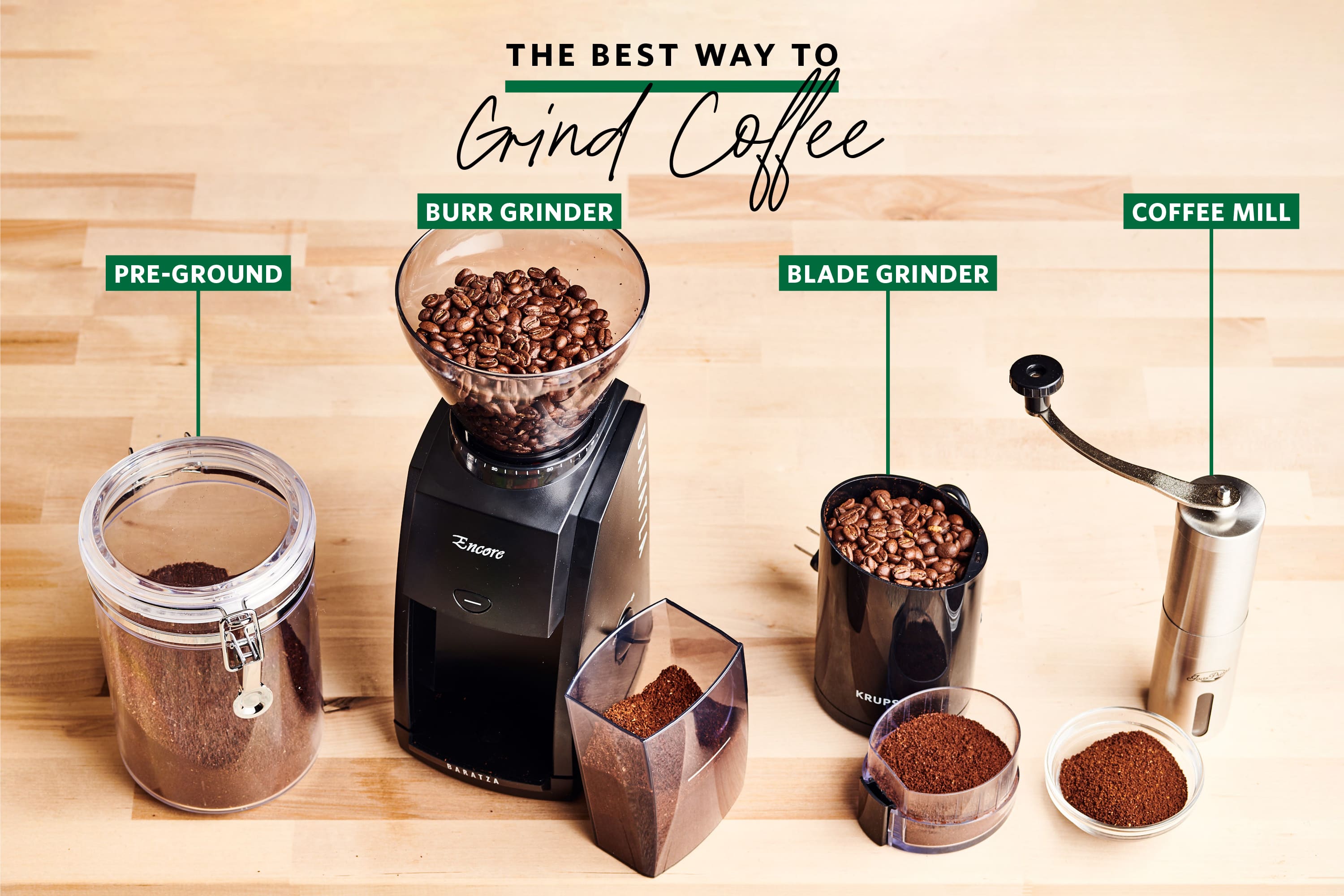
A burr grinder is the best general choice because it crushes beans between two surfaces and creates more even particles. An even grind helps water move through the coffee at a steadier rate.
A blade grinder chops beans with a spinning blade. It costs less and can work for basic coffee, but it often creates a mix of large pieces and fine dust. If you use one, short pulses work better than holding the button down.
You do not need an expensive grinder to begin. A simple hand burr grinder can make consistent coffee, but it takes more effort. An electric burr grinder is faster and easier for making several cups.
How much coffee should you grind?
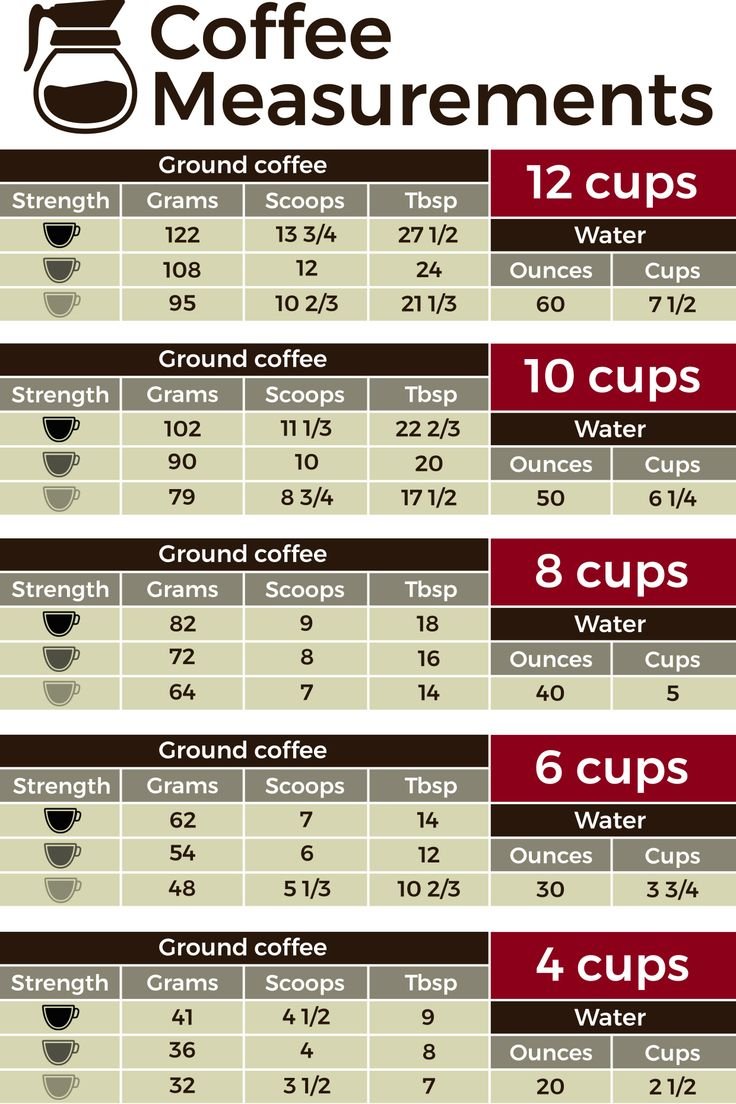
A useful starting point is about 1 to 2 level tablespoons of ground coffee for every 6 fluid ounces of water. For more control, weigh both ingredients.
A common starting ratio is:
- 60 grams of coffee per 1,000 grams of water
- About 15 grams of coffee for 250 grams, or milliliters, of water
These amounts are starting points, not fixed rules. Use more coffee for a stronger cup and less for a lighter cup.

How to Make Ground Coffee From Whole beans
follow these steps for fresh, even ground coffee.
1. Choose fresh whole beans
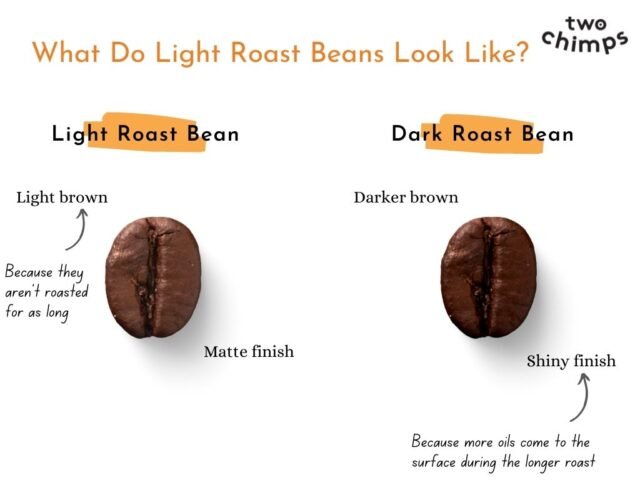
Pick beans that suit your taste. Light roasts often have bright or fruity notes. Medium roasts can taste balanced and sweet. Dark roasts often have deeper, roasted flavors.
Check the package for a roast date when available. Coffee does not become unusable immediately after roasting, but beans gradually lose aroma as they age. Buy an amount you can use within a reasonable period rather than storing a large supply for many months.
2. Measure the beans
Measure the beans before grinding. A digital scale gives the most repeatable results.
For one 8-ounce cup of brewed coffee, try:
- 15 grams of beans
- 250 grams, or milliliters, of water
If you use measuring spoons, begin with about 2 to 3 level tablespoons. Spoon size and bean density vary, so this method is less exact than weighing.
3. Set the grinder
Select the grind size that matches your brewer:
- French press: coarse
- Cold brew: coarse
- Automatic drip coffee maker: medium
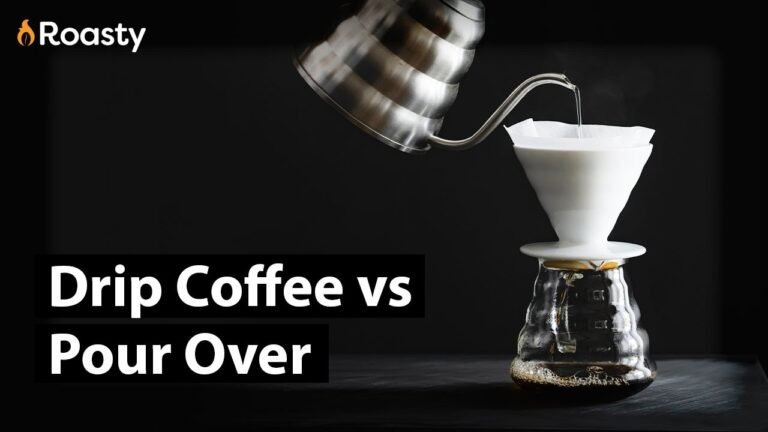
- Pour-over: medium-fine
- AeroPress: medium-fine to fine
- Espresso machine: fine
- Turkish coffee: extra fine
Start near the middle of the grinder’s range when you are unsure. You can adjust after tasting the brewed coffee.
4. Grind the beans
Add the measured beans to the grinder. Run the grinder until the beans reach the desired texture.
With a burr grinder, use the recommended setting from the grinder manual as a starting point. With a blade grinder, pulse in short bursts and shake the grinder gently between pulses. This helps prevent the beans at the bottom from becoming powder while larger pieces remain near the top.
Do not grind more coffee than you plan to use soon. Ground coffee has more exposed surface area than whole beans, so it loses aroma faster.
5. Check the texture
Look at the grounds under good light. They should be fairly similar in size for the brewing method.
A few small and large particles are normal, especially with a blade grinder. However, a large amount of powder can slow water flow and create bitter flavors. Very large bean pieces can cause weak, thin coffee because the water does not extract enough flavor from them.
6. Brew the coffee soon
Use the grounds right after grinding when possible. Add them to your coffee maker, pour-over cone, French press, or espresso basket.
Use clean water and the correct water temperature for your brewer. The Specialty Coffee Association lists a brewing water temperature range of about 195°F to 205°F for many brewing methods, although some brewers use different settings.
Signs that you made a good grind
Your grind is likely close when:
- The coffee has a clear aroma.
- The flavor tastes balanced rather than sharply sour or harshly bitter.
- Water flows through the grounds at a steady rate.
- The grounds are not mostly powder or large chunks.
- The coffee does not leave excessive grit in the cup.

Coffee Grind Size Chart
Use this chart as a practical starting point. Grinder settings are not universal, so the same number on two different grinders may produce different results.
| Brewing method | Recommended grind | What it should look like |
|---|---|---|
| Turkish coffee | Extra fine | Similar to flour or powdered sugar |
| Espresso | Fine | Similar to table salt, but finer and more compact |
| AeroPress | Medium-fine to fine | Fine sand |
| Pour-over | Medium-fine | Fine sand or table salt |
| Automatic drip | Medium | Regular sand |
| Siphon brewer | Medium | Slightly finer than coarse sand |
| French press | Coarse | Coarse sea salt |
| Cold brew | Coarse | Coarse sea salt or cracked pepper |
How to adjust the grind
Change only one variable at a time. Keep the coffee amount and water amount the same while you adjust the grind.
- If the coffee tastes sour, sharp, or thin, the grounds may be too coarse, the water may be too cool, or the brew time may be too short. Try a slightly finer grind.
- If the coffee tastes bitter, harsh, or dry, the grounds may be too fine, the water may be too hot, or the brew time may be too long. Try a slightly coarser grind.
- If the coffee tastes weak but not sour, use more coffee or less water.
- If it tastes strong but balanced, reduce the amount of coffee or add more water.
Taste is also affected by the bean, roast level, water quality, brew time, and equipment. Grind size is important, but it is not the only factor.

How to Make Ground Coffee Without a Grinder
You can make ground coffee without a dedicated grinder, but the result may be less even.
Use a blender
Add a small amount of beans to a clean, dry blender. Use short pulses rather than a long continuous blend. Stop often and shake the container carefully so the beans move around.
A blender usually produces an uneven mix of fine and coarse particles. It works best for a French press or another method that can handle a rougher grind.
Do not blend hot liquids with dry beans in the same container. Grind the beans first, clean the container, and follow the blender manufacturer’s instructions.
Use a food processor
A food processor works in a similar way. Pulse the beans in short bursts and avoid filling the bowl too much.
This method can create more heat and a wider range of particle sizes than a burr grinder. Use the grounds soon after processing.
Use a rolling pin or mallet
Place the beans in a strong, sealed bag or between sheets of parchment. Crush them with a rolling pin, meat mallet, or similar tool.
This method takes more effort and can make uneven pieces. It may be suitable for French press coffee, but it is not a good way to prepare espresso.
Buy beans ground at the store
Many U.S. grocery stores have grinders near the coffee aisle. Choose the setting that matches your brewing method. This is more consistent than crushing beans by hand, although the coffee will begin to lose aroma after grinding.

How to Store Ground Coffee
Store ground coffee in an airtight, opaque container. Keep it in a cool, dry cabinet away from sunlight, steam, heat, and strong odors.
Avoid storing coffee in the refrigerator. Coffee can absorb moisture and food odors, and repeated temperature changes may cause condensation inside the container.
Freezing coffee can be useful for long-term storage when the beans or grounds are sealed well and divided into small portions. Do not repeatedly thaw and refreeze the same container. For everyday use, buying smaller amounts and storing them at room temperature is simpler.
Do not leave a grinder full of old grounds. Coffee oils can build up and affect flavor. Follow the grinder manual for cleaning, and brush out loose particles when needed.
Common Problems When Making Ground Coffee
The coffee tastes sour
Sour coffee often means the water did not extract enough flavor. Try one of these changes:
- Grind the beans slightly finer.
- Increase the brew time if your method allows it.
- Use hotter water within the range recommended for your brewer.
- Add a small amount more coffee if the cup tastes weak.
Very light-roasted coffee can naturally have bright, acidic flavors. Sour does not always mean bad, but a sharp or unpleasant taste often points to under-extraction.
The coffee tastes bitter
Bitter or dry coffee may be over-extracted. Try:
- A slightly coarser grind.
- A shorter brew time.
- Slightly cooler water.
- Less coffee if the drink is overly strong.
Dark-roasted coffee may taste smoky or bitter by design. A different roast may help more than a major grind adjustment.
The coffee tastes weak
Weak coffee can result from too little coffee, too much water, a grind that is too coarse, or stale beans. First check the coffee-to-water ratio. Then try a slightly finer grind or fresher beans.
The coffee maker drains too slowly
Grounds that are too fine can restrict water flow. This is common with automatic drip machines and pour-over brewers. Use a coarser grind and avoid packing the grounds unless the brewing method requires it.
There is a lot of grit in the cup
The grind may be too fine for your filter. A French press naturally leaves some sediment, but excessive grit can come from very fine particles or a damaged filter. Use a coarser grind and inspect the filter.
The coffee tastes stale
Stale flavor can come from old beans, old grounds, air, heat, moisture, or odors from nearby foods. Grind only what you need and keep the rest in a tightly sealed container.

Blade Grinder vs. Burr Grinder
A burr grinder is usually the better choice when grind consistency matters. It gives you more control and is especially useful for pour-over coffee and espresso.
A blade grinder can still make drinkable coffee at a lower cost. It may suit someone who brews simple drip coffee and does not need precise control.
| Feature | Burr grinder | Blade grinder |
|---|---|---|
| Grind consistency | Usually more even | Often uneven |
| Price | Often higher | Usually lower |
| Control | Better adjustment | Limited adjustment |
| Best use | Pour-over, drip, French press, espresso | Basic drip and occasional use |
| Main drawback | Higher cost and more parts | More fine dust and large pieces |
For espresso, a grinder must produce a fine, consistent grind and allow small adjustments. Many basic blade grinders cannot provide that control.

Key Takeaways
- Grind whole beans just before brewing when possible.
- Match the grind size to the brewing method.
- Use a medium grind for most automatic drip coffee makers.
- Use coarse grounds for French press and cold brew.
- Use fine grounds for espresso.
- A burr grinder gives more even results than a blade grinder.
- Start with about 15 grams of coffee for 250 milliliters of water.
- Adjust the grind based on taste, brew time, and water flow.
- Store coffee in an airtight container in a cool, dark place.
FAQs About Making Ground Coffee
Can I grind coffee beans in a regular blender?
Yes. Use short pulses and a small amount of beans. A blender will usually create an uneven grind, so it works better for French press coffee than espresso.
Is it cheaper to grind your own coffee?
Grinding your own coffee does not always cost less because you need a grinder. However, buying whole beans can give you more control over freshness, grind size, and the amount you use.
How long does ground coffee stay fresh?
Ground coffee gradually loses aroma after grinding. For the best flavor, grind only what you plan to brew soon and store any extra in an airtight container away from heat, light, and moisture.
Can I use fine-ground coffee in a French press?
You can, but it may make the coffee bitter and leave more sediment in the cup. French press coffee usually works better with coarse grounds.
What is the best grind size for a regular coffee maker?
A medium grind is a good starting point for a standard automatic drip coffee maker. Adjust slightly finer if the coffee tastes weak or sour, and slightly coarser if it tastes bitter or the basket drains slowly.
Do I need a coffee scale?
No. A scale is not required, but it makes your results more consistent. Measuring by weight helps you repeat a recipe and adjust it with more control.
Conclusion
Making ground coffee at home is simple: measure whole beans, choose a grind size that fits your brewer, grind the beans evenly, and brew them soon after grinding. Start with a medium grind for drip coffee, then adjust based on taste.
For the best results, use fresh beans, clean equipment, consistent measurements, and an airtight container. Small changes in grind size can make a noticeable difference, so adjust one setting at a time until your coffee tastes balanced.