
Brew most coffee at 195–205°F (90–96°C) for sweet, balanced cups.
You want clear, field-tested advice on What Temp Should Coffee Be Brewed At. I have brewed thousands of cups in cafes and at home labs. In this guide, I break down the science, the gear, and the small steps that change your cup. If you care about flavor, clarity, and repeat wins, keep reading. You will learn What Temp Should Coffee Be Brewed At and how to dial it in for your beans and method.
 temperature matters”
style=”max-width: 100%; height: auto; border: 2px solid black; border-radius: 10px; display: block; margin: 0 auto;”
loading=”lazy”
/>
Why brew temperature matters
Temperature drives extraction. Hotter water pulls out flavors faster. Cooler water slows things down. The trick is to extract the sweet and bright parts without pulling too many bitter notes.
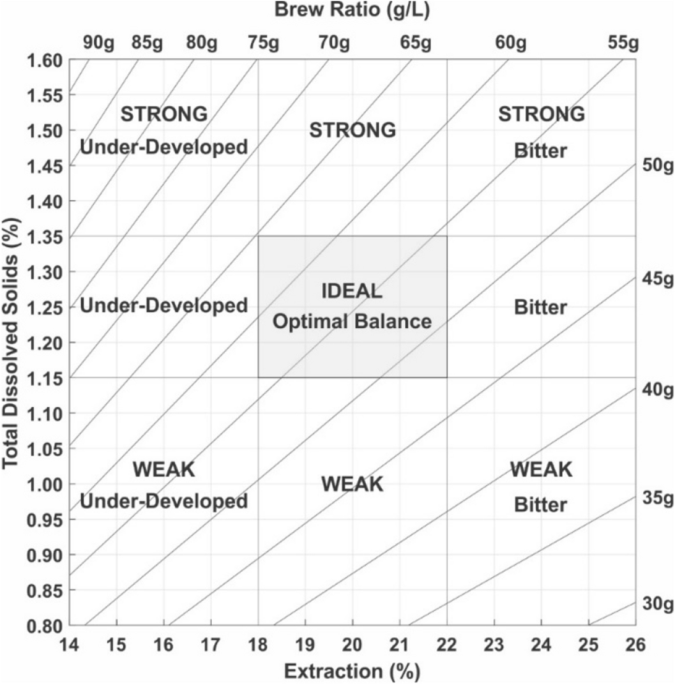
The first compounds to dissolve are acids and aromatics. Next come sugars and body. Last are the bitter and dry compounds. If you ask What Temp Should Coffee Be Brewed At to hit the sweet spot, the hot brew standard of 195–205°F (90–96°C) gives you a safe and proven range.
Industry standards back this range. It holds across most brew methods with minor tweaks. Lower temps risk sour, thin cups. Higher temps can taste harsh or muddy.
The ideal coffee brewing temperature range
For hot coffee, the accepted target is 195–205°F (90–96°C). This aligns with expert guidelines and lab testing of extraction yield and sensory scores. Keep the kettle a touch hotter than the target, since heat drops when water hits the grounds and brewer walls.
Use the low, middle, or high end of the range based on your beans:
- Light roasts: 200–205°F. They are dense and need heat to open up.
- Medium roasts: 198–202°F. Balanced, great clarity.
- Dark roasts: 195–200°F. Cooler water helps reduce bitterness.
Remember, What Temp Should Coffee Be Brewed At depends on taste goals and setup. Measure, taste, and adjust one variable at a time.

Method-by-method temperature guide
Brewers behave differently. Use these starting points, then adjust by taste and time.
Pour-over (V60, Kalita, Origami)
- Start at 200–205°F.
- Preheat the dripper and mug to reduce heat loss.
- If the cup is sour, raise temp 2–3°F or grind finer. If bitter, lower temp or grind coarser.
- If you wonder What Temp Should Coffee Be Brewed At for light pour-overs, 203–205°F is a strong start.
Automatic drip machines
- Aim for 195–205°F water at the grounds. Not all machines hit it.
- Use a machine certified for proper brew temp or run a small test with a probe.
- If the machine runs cool, use a finer grind or smaller batch size to boost extraction.
French press
- 198–203°F is forgiving and rich.
- Use a 4-minute steep. If you like a cleaner cup, break the crust at 4 minutes, skim, and wait 1 minute before plunging.
AeroPress
- 175–205°F works, based on recipe.
- Cooler water with longer time gives smooth, sweet cups. Hotter water with shorter time gives bright cups.
- For classic: 175–185°F, 60–90 seconds. For bold clarity: 195–205°F, 1:45–2:00.
Espresso
- 198–203°F at the group is common. Many machines show 90–96°C.
- Light roasts respond well near 201–203°F. Dark roasts often prefer 198–200°F.
- Small temp shifts (1–2°F) can flip a shot from sharp to sweet.
Stovetop moka pot
- Preheat water to ~190–200°F in the bottom chamber to avoid baked flavors.
- Remove from heat as soon as the stream blonds.
Iced pour-over and flash brew
- Brew at the same hot range, 200–205°F, over ice.
- Keep total water equal to your usual recipe (ice counts as water).
Cold brew (the exception)
- Brew at room temperature, 68–77°F, for 12–18 hours.
- Not a hot brew, so it sits outside the 195–205°F rule.
If you still ask What Temp Should Coffee Be Brewed At for a given method, start at the middle of the range, taste, and move in small steps.
Variables that change the ideal temperature
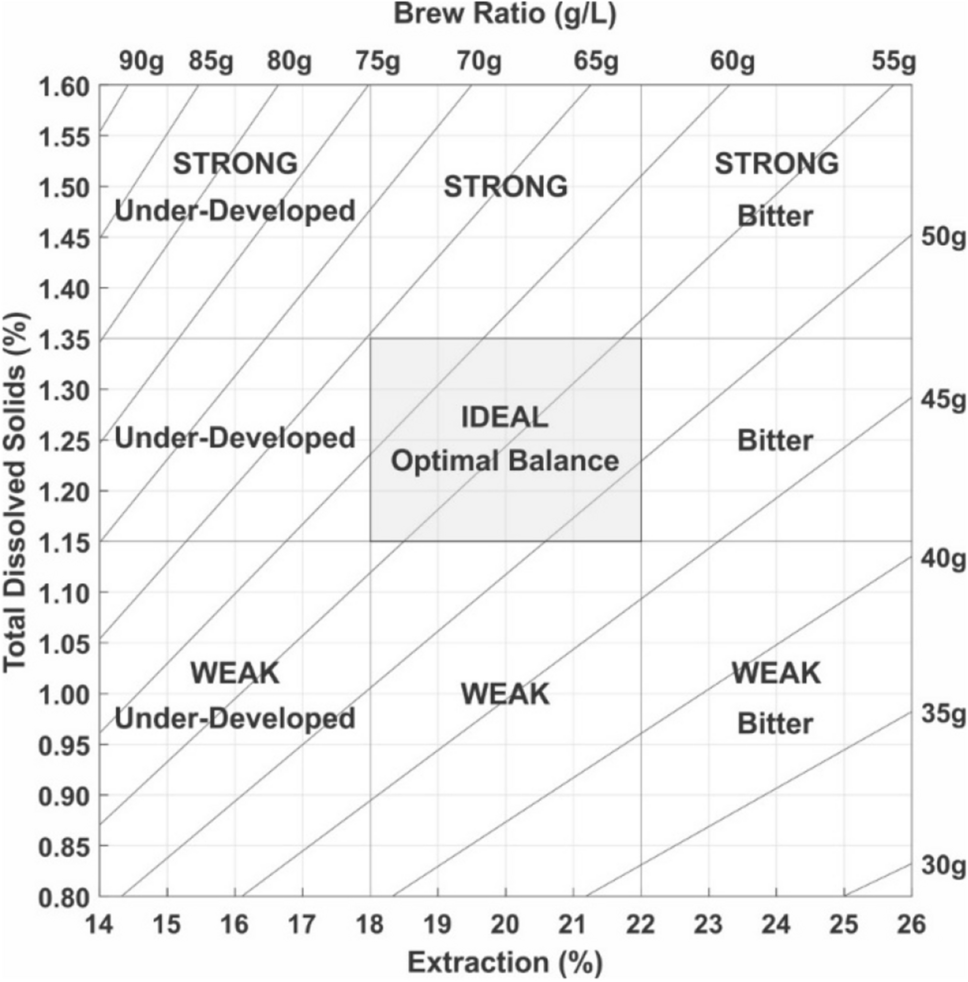
Your perfect number may shift with these factors:
- Roast level: Light needs more heat. Dark prefers less.
- Grind size: Finer grinds extract faster, so you may not need as much heat.
- Contact time: Longer brews need less heat. Shorter brews often need more.
- Water chemistry: Moderate hardness and alkalinity help balance acids and sweetness. Very soft or very hard water can change how temp feels in the cup.
- Altitude: Water boils at lower temps up high. Use boiling water for pour-over at altitude and extend time if needed.
- Dose and ratio: Higher dose can call for a touch more heat to move the water through.
- Gear heat loss: Thin kettles and cold brewers pull heat fast. Preheat to protect your target.
What Temp Should Coffee Be Brewed At is not one number. It is a range tuned by your beans, method, and room.

Tools and techniques to hit your target
You do not need a lab. A few tools help a lot.
- Variable-temperature kettle: Set your exact number. It is the simplest fix.
- Fast digital thermometer: Check slurry temp during bloom and mid-brew.
- PID espresso machine: Stable group head temp equals repeatable shots.
- Preheat everything: Kettle, brewer, filter, carafe, and cup. This cuts 5–10°F loss.
- Bloom smart: Use 2–3 times coffee weight in water for 30–45 seconds. Trapped gas can block flow and distort temp at the bed.
- Stabilize the kettle: Let it sit for 10–15 seconds after boiling to drop to target.
- Insulate: Use a lid or wrap a towel around the brewer in a cold room.
If you ask What Temp Should Coffee Be Brewed At with basic gear, use a boil-and-wait method. Boil water, wait 30–60 seconds, and you are often near 200°F.
Troubleshooting by taste and temperature
Use taste as your compass. Then adjust temp first, grind second.
If the cup tastes sour or thin
- Raise temp by 2–3°F.
- Or grind a bit finer.
- Lengthen contact time by 10–15 seconds.
If the cup tastes bitter or harsh
- Lower temp by 2–3°F.
- Or grind a bit coarser.
- Shorten contact time by 10–15 seconds.
If the cup is dull or flat
- Raise temp 1–2°F for more clarity.
- Stir or pour with more intent to even extraction.
When friends ask me What Temp Should Coffee Be Brewed At for tricky beans, I start with 200°F, then move in small steps until the cup sings.
A simple temperature playbook
Try this fast routine for repeatable wins.
- Weigh your coffee and water. Set a 1:16 ratio to start.
- Boil water. If no temp kettle, wait 45 seconds for ~200°F.
- Preheat brewer, filter, and cup. Discard rinse water.
- Use a 30–45 second bloom with 2–3x coffee weight.
- Finish the pour and aim for your target time.
- Taste. If sour, raise temp a touch. If bitter, lower it.
- Log your temp, time, and grind. Repeat and refine.
This answers What Temp Should Coffee Be Brewed At in daily practice, not just theory.
Safety, energy, and equipment care
Hot water can hurt. Treat it with respect.
- Keep the kettle cord tidy and away from edges.
- Do not overfill. Pour slow with a stable stance.
- Descale kettles on schedule. Scale buildup slows heating and shifts true temp.
- Store water in a clean container. Off flavors can show up as “weird temp notes.”
- Save energy by heating only what you need and using lids.
If you work in a busy home kitchen and ask What Temp Should Coffee Be Brewed At while juggling tasks, set smart alarms or use a kettle hold mode to avoid boil-overs.
Frequently Asked Questions of What Temp Should Coffee Be Brewed At
What Temp Should Coffee Be Brewed At for drip or pour-over?
Aim for 195–205°F. Start at 200°F and adjust 2–3°F based on taste and roast.
Is boiling water too hot for coffee?
Yes, at a full rolling boil you risk harsh notes. Let water rest 30–60 seconds after boiling before you brew.
Do light roasts need a higher temperature?
Often yes. Try 200–205°F to open up sweetness and florals, then adjust by taste.
How does altitude change What Temp Should Coffee Be Brewed At?
At higher elevations, water boils at a lower temp. Use water right off the boil and extend contact time slightly.
What Temp Should Coffee Be Brewed At for espresso?
Most machines do best at 198–203°F at the group. Light roasts favor the higher end; dark roasts like the lower end.
Can cooler water ever taste better?
It can. Cooler water with a finer grind or longer time can yield smooth, sweet cups, especially with AeroPress or dark roasts.
Does water quality affect the best temperature?
Yes. Balanced minerals help extraction feel right. Extreme softness or hardness may call for small temp and grind tweaks.
Conclusion
The sweet spot for hot coffee is simple: 195–205°F, then tune by beans, method, and taste. Small temperature moves make big flavor shifts, so change only one thing at a time and keep notes.
Ready to level up your mornings? Pick a method, set your target temp, and run the playbook this week. Share your favorite settings or questions in the comments, and subscribe for more brew guides and tested recipes.
One Comment