
Most watery coffee comes from weak ratios, coarse grind, low heat, or fast brews.
If you have ever asked, Why Does My Coffee Taste Watery, you are not alone. I have coached home brewers and café teams for years, and this guide distills what actually fixes thin cups. We will break down causes, share simple fixes, and show how small tweaks make bold, sweet, and full-bodied coffee every time.
 extraction”
style=”max-width: 100%; height: auto; border: 2px solid black; border-radius: 10px; display: block; margin: 0 auto;”
loading=”lazy”
/>
Why Does My Coffee Taste Watery? The science of strength and extraction
Watery coffee is almost always under-extracted or under-dosed. That means the water did not pull enough flavor, sugars, and oils from the grounds.
Two ideas matter most. Strength is how concentrated your cup is. Extraction is how much you dissolved from the beans. If either is low, the cup feels thin. This is the heart of Why Does My Coffee Taste Watery for most brewers.
Industry standards suggest brew water near 195 to 205°F. Ideal extraction sits around 18 to 22 percent for drip-style brews. You do not need to measure that number. But you can control grind, time, heat, and ratio. Those four levers fix 90 percent of “Why Does My Coffee Taste Watery” issues.
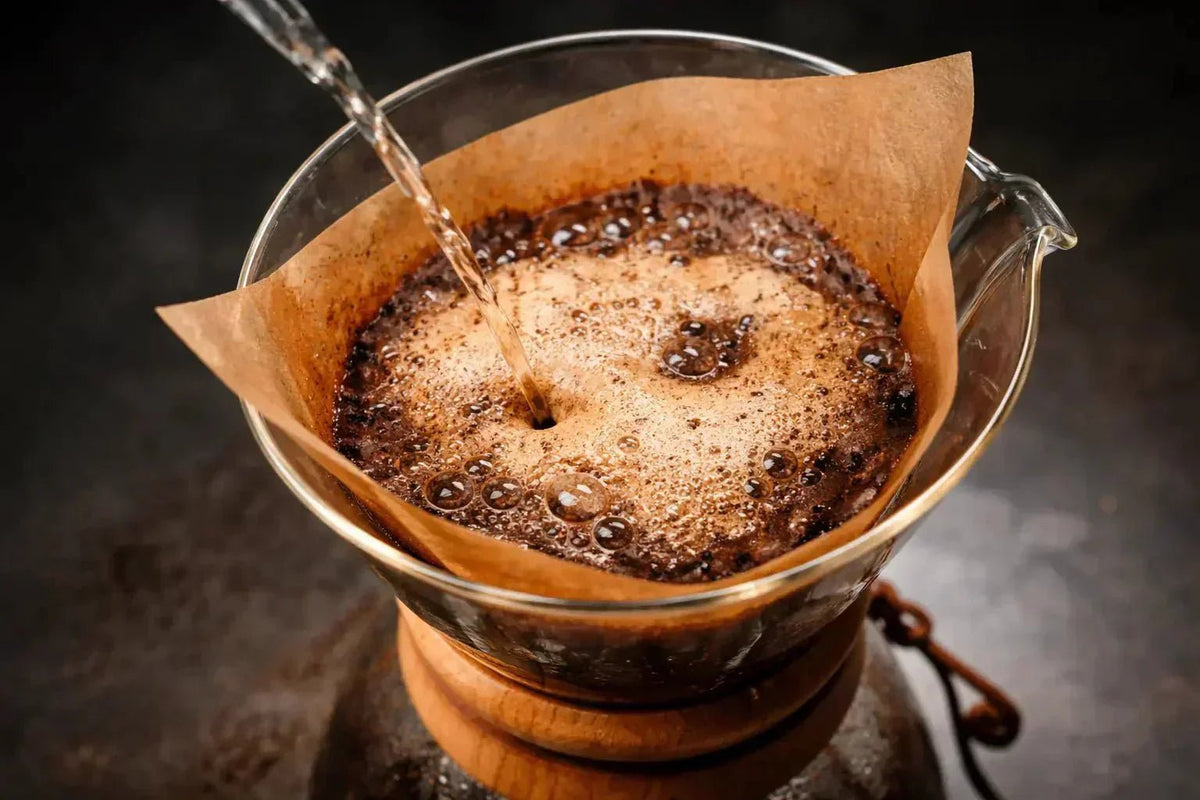
Common causes of watery coffee
These problems show up again and again when people ask Why Does My Coffee Taste Watery.
- Coffee-to-water ratio is too low. Not enough grounds for your brew size.
- Grind is too coarse. Water passes fast and pulls little flavor.
- Brew time is too short. The contact time is not enough.
- Water is too cool. Below 195°F weakens extraction.
- Channeling in pour-over or espresso. Water finds easy paths and skips some grounds.
- Beans are stale or very old. Fewer aromatics and oils make a thin cup.
- Roast level and solubility. Very light roasts can feel thin if not brewed hotter or longer.
- Dirty or scaled gear. Limescale drops temperature and flow. Oils can taste flat.
- Paper filter stacking. Filters stuck together block flow and cause uneven extraction.
If you fix these, you will likely stop asking, Why Does My Coffee Taste Watery.
Fix your ratio fast
The fastest path to body is the right ratio. Use a scale if you can. If not, use spoons as a backup.
Solid starting ratios:
- Drip or pour-over: 1 gram coffee to 15–16 grams water. Think 22 g coffee to 350 g water.
- French press: 1 to 12–15 for a rich body.
- AeroPress: 1 to 12–15, then adjust with a small bypass if needed.
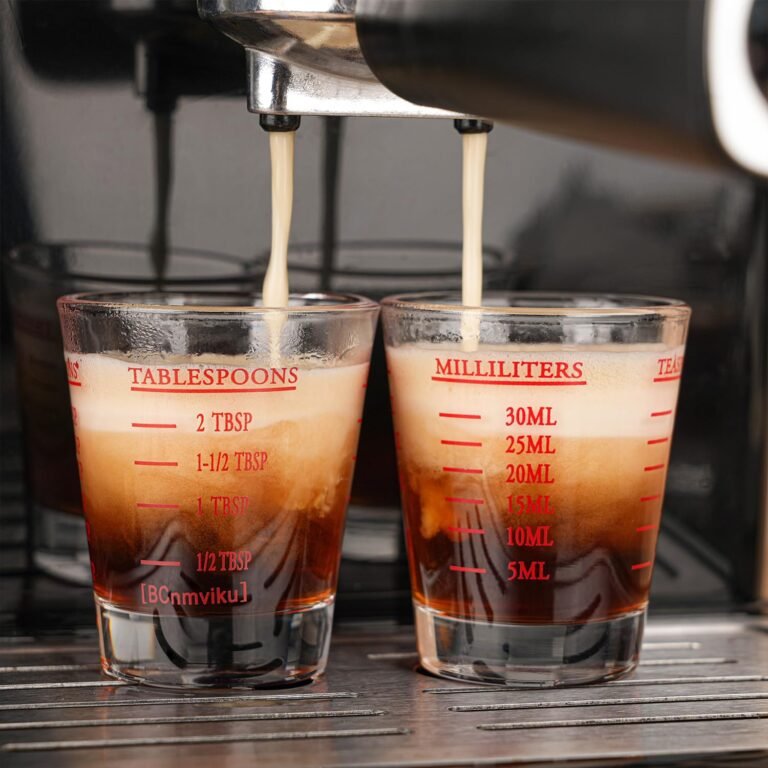
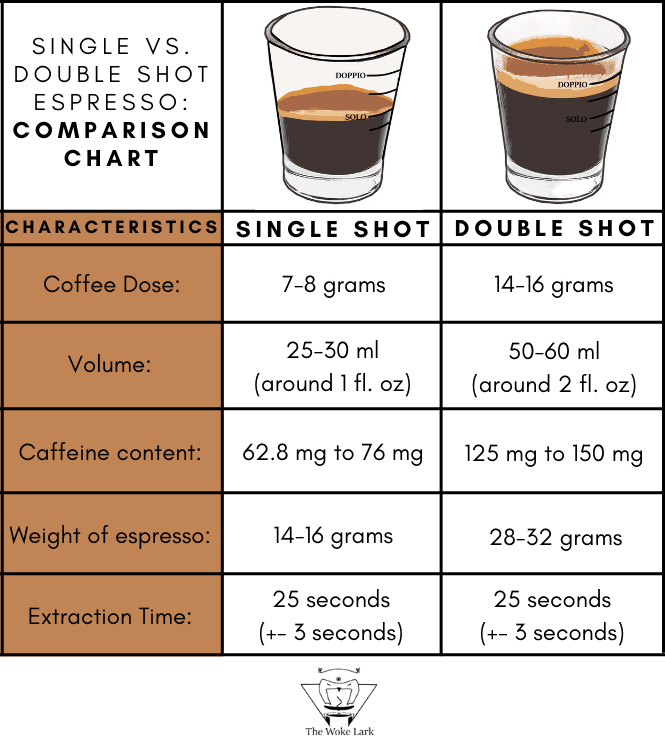
- Espresso: 1 to 2 by weight. For example, 18 g in, 36 g out in about 25–35 seconds.
- Cold brew concentrate: 1 to 4–5, then dilute to taste.
No scale handy? A rounded tablespoon of whole beans is about 7 to 8 grams. For a 12-ounce mug, use two rounded tablespoons for a regular cup, three for a stronger cup.
If you ever think, Why Does My Coffee Taste Watery, start here. Add 10 to 20 percent more coffee before changing other steps.

Dial in grind size and time
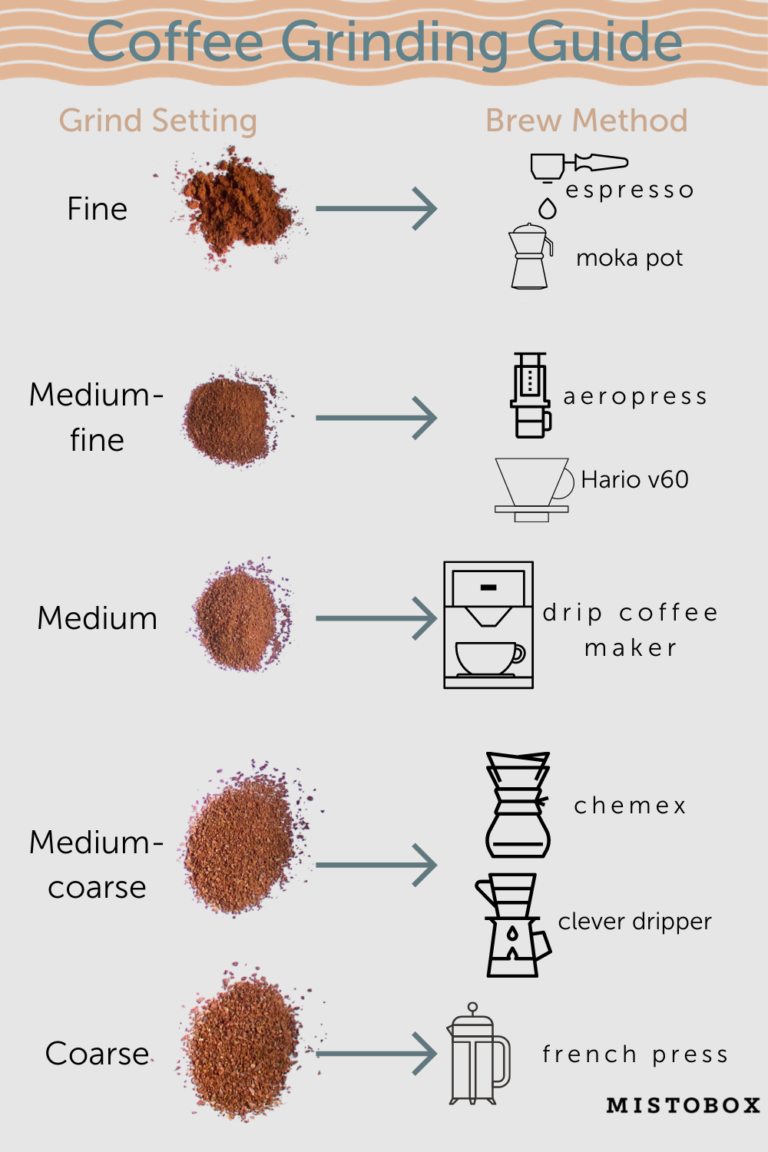
Grind controls how fast water can work. Finer grinds slow the flow and boost extraction. Coarser grinds speed it up.
Simple guide by method:
- Espresso: Very fine, like powdered sugar. Aim for 25–35 seconds for a 1 to 2 ratio.
- AeroPress: Fine-medium, like table salt. One minute steep is a safe start.
- Pour-over: Medium, like sand. Total brew 2:30–3:30 for a 12-ounce mug.
- Drip maker: Medium to medium-coarse, like rough sand.
- French press: Coarse, like flaky sea salt. Steep 4 minutes, then press.
If you wonder, Why Does My Coffee Taste Watery, grind one notch finer and extend brew time slightly. This small shift often fixes thin, sour cups without turning them bitter.
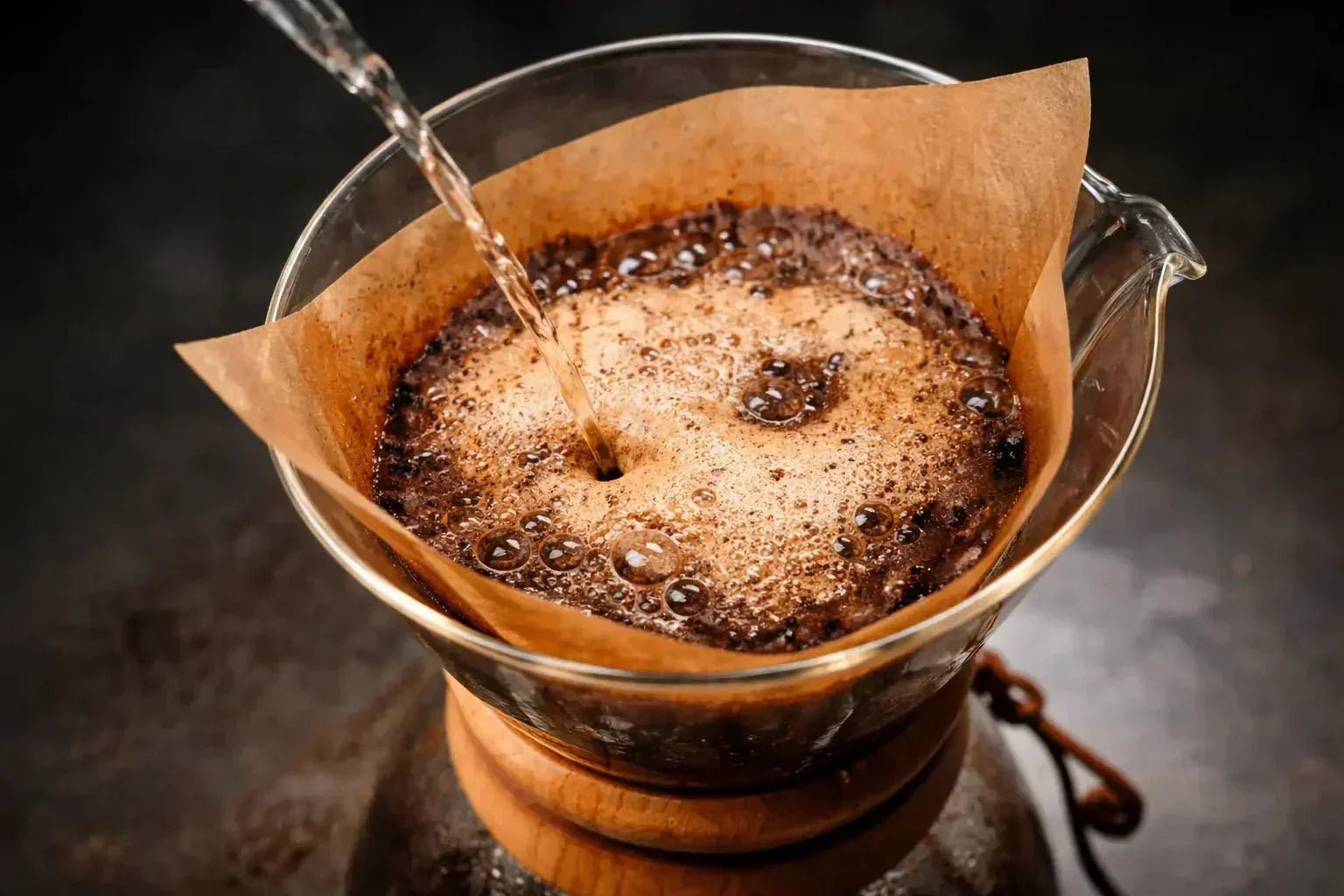
Water temperature and quality
Water is an ingredient. Bad water makes bad coffee. Cool water under-extracts and leads to watery results.
- Heat target: 195 to 205°F right after the boil. For kettles without control, wait 30 seconds after boiling.
- Quality: Use filtered water with moderate minerals. Total minerals around 75 to 150 ppm help flavor and body.
- Avoid distilled or ultra-soft water. It can taste flat and will not extract well.
- If your kettle drops heat fast, preheat your brewer and mug.
Asking Why Does My Coffee Taste Watery often points to heat loss. Keep things warm and your cup will gain weight and sweetness.
Beans, roast, and freshness
Fresh beans hold more aromatics and oils. That means more body and flavor.
- Freshness window: Use beans within two to four weeks of roast for filter. For espresso, rest seven to fourteen days.
- Storage: Keep beans in a sealed, opaque bag at room temp. Avoid sunlight and heat.
- Roast level: Light roasts can seem thinner if under-extracted. Use hotter water and a finer grind. Dark roasts feel fuller but can taste harsh if pushed too far.
- Pre-ground vs whole: Whole beans ground fresh always taste fuller. Pre-ground loses aroma fast.
If you think, Why Does My Coffee Taste Watery, check the roast date. Old beans are a common hidden cause.

Brew method fixes that add body
Small technique tweaks stop watery cups fast.
Pour-over
- Rinse the paper filter to remove paper taste and warm the dripper.
- Bloom with twice the coffee weight in water for 30–45 seconds.
- Pour in steady circles. Keep the bed flat. Do not let water cling to the sides.
Drip machine
- Use the right filter. Rinse it.
- Make sure the spray head wets the full bed. Stir the slurry once early if your machine allows.
- Clean the basket and descale the machine every one to three months.
French press
- Use a coarse grind. Stir once after you pour water.
- Steep 4 minutes. Skim foam, then press slowly.
- For a cleaner yet rich cup, pour through a paper filter into your mug.
Espresso
- Dose, distribute, and tamp evenly to avoid channeling.
- Target a 1 to 2 ratio in 25–35 seconds at around 9 bars.
- If it is thin, grind finer and aim for a slightly longer shot time.
AeroPress
- Try 15 g coffee and 200 g water at 200°F. Stir 10 seconds. Press at 1 minute.
- For more body, use a metal filter or the inverted method with a longer steep.
If you have been asking, Why Does My Coffee Taste Watery, these method tweaks often solve it without buying new gear.

Quick troubleshooting checklist
Run through this list the next time your cup is thin.
- Add 10 percent more coffee.
- Grind one step finer.
- Brew a bit longer by 15–30 seconds.
- Raise water temp to 200°F.
- Preheat kettle, brewer, and mug.
- Rinse paper filters, bloom properly, and stir once.
- Check for even bed and no channeling.
- Use fresh beans and grind right before brewing.
- Clean oils and descale equipment.
- Recheck your ratio with a scale.
Each step moves you away from asking, Why Does My Coffee Taste Watery, and closer to a balanced, full cup.

My experience and pro tips
When I trained new baristas, watery coffee almost always came from two things. The ratio was off, or the grind was too coarse. We fixed it by weighing doses and tightening the grind in small steps.
At home, my pour-over felt thin last winter. I realized my mug and dripper were cold. I preheated both, raised my kettle to 202°F, and bloomed longer. The cup came back to life. If you keep repeating Why Does My Coffee Taste Watery in your head, check heat loss first, then grind.
Pro tips you can try today:
- Use a simple 1 to 15 ratio as your anchor.
- Keep a brew log with dose, grind, time, and taste notes.
- Change one variable at a time.
- Taste side by side. Brew two cups with only one change.
These habits end the Why Does My Coffee Taste Watery cycle and teach your palate fast.
Frequently Asked Questions of Why Does My Coffee Taste Watery
Why is my coffee watery even with more grounds?
Your grind may be too coarse or your water too cool. Try a finer grind, hotter water, and a proper bloom to boost extraction.
Can water quality make coffee taste watery?
Yes. Very soft or distilled water extracts poorly and tastes flat. Use filtered water with moderate minerals for better body.
Why does my espresso taste thin and sour?
It is likely under-extracted from a coarse grind or channeling. Grind finer, improve distribution, and aim for a 1 to 2 ratio in 25–35 seconds.
Does a light roast always taste watery?
Not always. Light roasts need hotter water and a finer grind to unlock body. When brewed well, they taste sweet, bright, and layered.
Why is my cold brew weak?
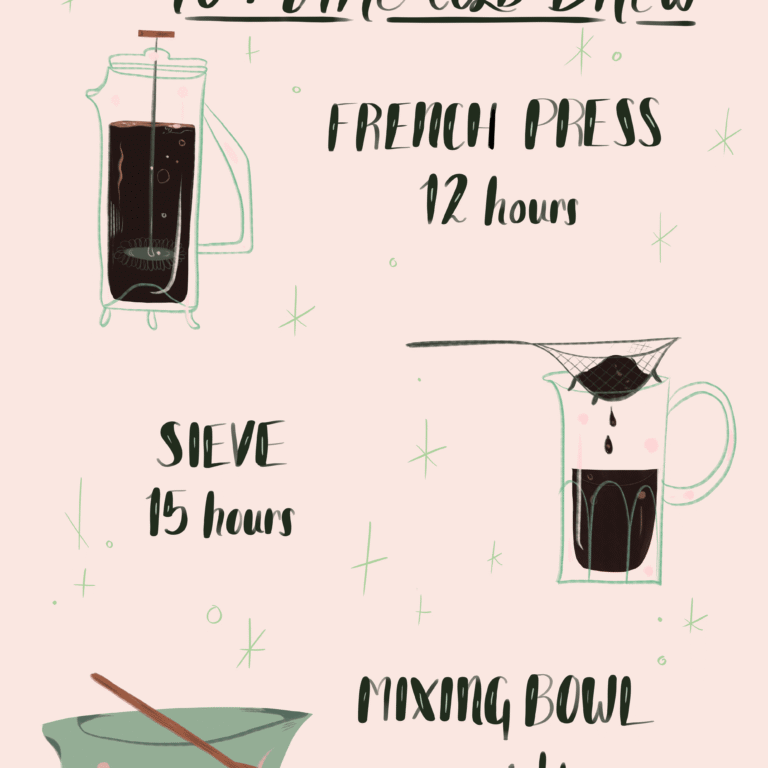
You may be using a high dilution or a short steep. Brew a stronger concentrate at 1 to 4–5 for 12–18 hours, then dilute to taste.
Will a metal filter make coffee less watery?
Often yes. Metal filters let more oils and fine particles through, which adds body. Expect a fuller mouthfeel compared to paper.
Conclusion
A thin cup comes from weak ratio, coarse grind, cool water, or short time. Fix those four and you fix the taste. Start with a 1 to 15 ratio, 200°F water, and a slightly finer grind, then adjust one step at a time.
You can brew rich, sweet coffee with the gear you already own. Try the checklist on your next cup and track your results. If this helped, subscribe for more guides, share your go-to recipe, or drop a question in the comments.

2 Comments