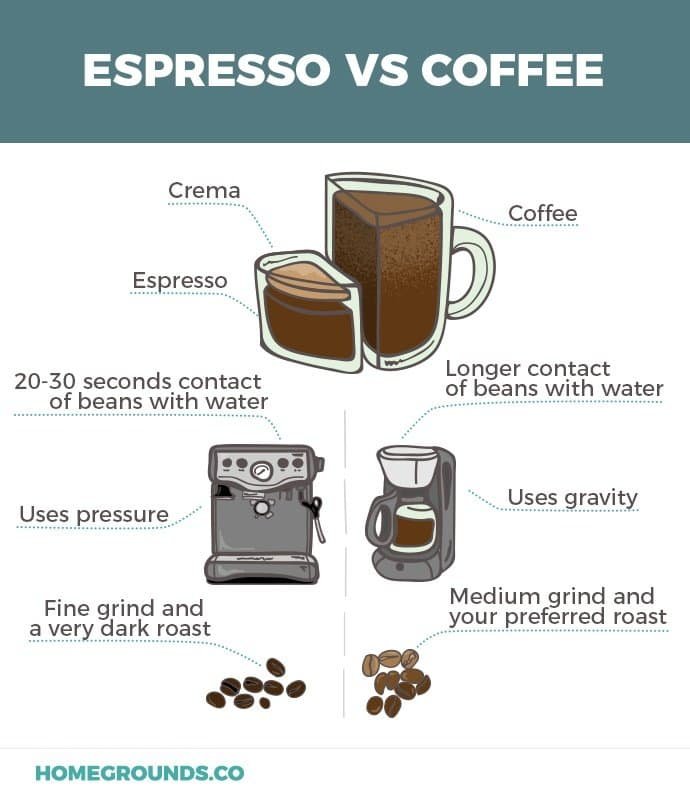
Short answer: Yes — sometimes. For most home burr grinders with a sealed hopper, leaving whole beans in the grinder for a day or a few days is fine. For longer storage, blade grinders, doser grinders, humid climates, or flavored beans, it's better to empty and store beans in an airtight container.
")
What "leave beans in the grinder" means (U.S. context and scope)
Answer: Leaving beans in the grinder means storing whole coffee beans inside the grinder’s bean hopper or bean chamber between uses instead of in a separate container.
In the U.S., home coffee setups vary. Many households use electric burr grinders with a plastic or metal hopper. Some use cheap blade grinders, manual hand grinders, or commercial doser grinders. Each design changes the trade-offs for flavor, cleanliness, and safety.
Note on evidence: This article synthesizes standard, widely accepted guidance and food-safety principles available up to mid‑2024. No live web browsing was done while drafting. Practical steps below come from product manuals and common barista practice reflected in the coffee community.

Quick guidance: when it’s okay and when it isn’t
Answer: Safe to leave for short periods; avoid for long periods or with risky conditions.
- OK: whole beans in a sealed hopper for up to a week if you use them often and keep the grinder in a cool, dry place.
- Caution: leave for more than 1–2 weeks only if the hopper seals tightly and you store the grinder away from heat, sunlight, and humidity.
- Not recommended: leaving beans in blade grinders, doser grinders, or grinders stored in hot, humid, or pest-prone areas.

Why leaving beans in the grinder matters — mechanisms explained
Answer: Beans stale from exposure to air, heat, light, moisture, and oils; grinders can trap old grounds and oil buildup.
- Oxidation: whole-bean oils oxidize when exposed to air and speed up staling. A hopper with frequent air exchange will let beans stale faster.
- Heat: motor heat and sunlight can warm beans, accelerating loss of volatile aromatics.
- Moisture and mold risk: dry whole beans rarely develop mold quickly, but high humidity can raise mold risk where beans touch metal or plastic and stay damp.
- Residual grounds and oil: grounds left in burrs, dosers, or chambers attract moisture, gather stale residue, and transfer old flavors to fresh beans.
- Static and clumping: in dry climates static can cause beans or grounds to cling in the chute, producing inconsistent dosing.
These mechanisms explain why short-term storage in a clean, sealed hopper is usually fine, but longer storage or poor conditions harm flavor and grinder performance.

How to store beans safely in a grinder — prerequisites and step-by-step
Answer: Use the right grinder, maintain it, and follow storage rules.
Prerequisites:
- Confirm your grinder type (sealed hopper vs open hopper; burr vs blade; commercial doser vs direct‑to‑portafilter).
- Have an airtight, opaque bin for long-term storage.
- Keep a soft brush, manufacturer manual, and a dry cloth for cleaning.
Steps:
- Daily use (you grind more than once a day): leave beans in a sealed hopper; keep the grinder away from direct sun and heat sources.
- Short break (1–7 days): leaving beans in the hopper is fine. Check for off smells before use.
- Longer break (>7–14 days): transfer beans to an airtight container in a cool, dark cabinet. Empty and clean the hopper.
- Clean schedule: brush burrs weekly for home use; deep clean (remove and wash hopper if removable, wipe burrs with brush and vacuum) monthly or when switching beans.
- Flavored or oily beans: do not leave these in the hopper. They leave residues and speed clogging. Clean after each use.
- Safety: always unplug the grinder before cleaning or removing parts.
Signs of success:
- Fresh-smelling grounds.
- Consistent grind size and dose.
- No strange sounds or clogs during grinding.
If process fails:
- If grounds smell flat, move beans to an airtight container and deep-clean the grinder. Consider replacing beans.
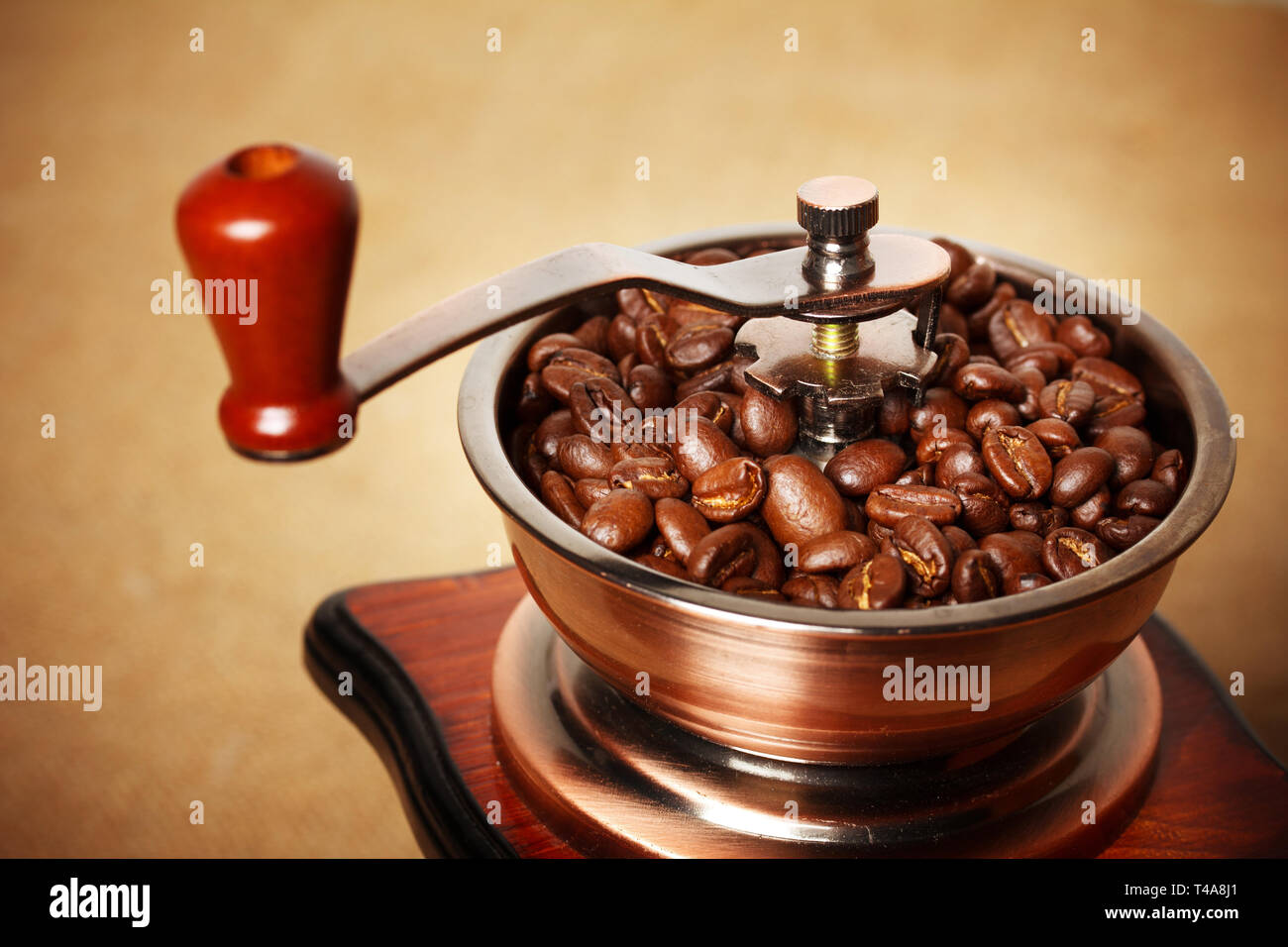
Decision table: typical U.S. scenarios and recommended action
Answer: Use this table to pick a practical choice for your setup.
| Scenario | Grinder type | Time stored in hopper | Recommended action |
|---|---|---|---|
| Single‑cup morning brew | Home burr grinder, sealed hopper | Same day to 3 days | Fine to leave; clean hopper weekly |
| Weekend-only use | Home burr grinder | 3–7 days | Fine; consider emptying if humid |
| Vacation (1–2 weeks) | Any grinder | 7–14 days | Empty beans to airtight container; clean hopper |
| Flavored/oily beans | Any grinder | Any | Remove after use; clean immediately |
| Cheap blade grinder (kitchen drawer) | Blade grinder | Any | Store beans separately; grind fresh per use |
| Small office (many users) | Commercial or doser grinder | Daily refill | Refill as needed and schedule daily cleaning; avoid stacking long-term beans |
Example: A Los Angeles apartment with a burr grinder can leave beans in the hopper for 4–5 days. A humid Florida kitchen should empty the hopper after a few days to avoid moisture issues.

Common mistakes, exceptions, and safety limits
Answer: Avoid these common errors.
- Mistake: thinking whole beans never go bad. They do lose aroma and can pick up odors.
- Mistake: leaving flavored or oily beans in hopper. They leave sticky residues.
- Mistake: neglecting burr cleaning. Residual oils and fines clog and change taste.
- Exception: manual grinders — simpler, but beans stored in attached chambers may get stale if left long.
- Safety limit: do not attempt to clean internal burrs while the grinder is plugged in. Unplug first.
Special cases:
- Commercial espresso grinders: they often have dosers and perform heavy use. Follow manufacturer cleaning cycles. For high-volume cafes, leaving beans in the hopper is normal, but beans are replaced frequently.
- Specialty coffee practice: many pros recommend grinding fresh just before brewing. If ultimate flavor matters, store beans separately and grind per brew.
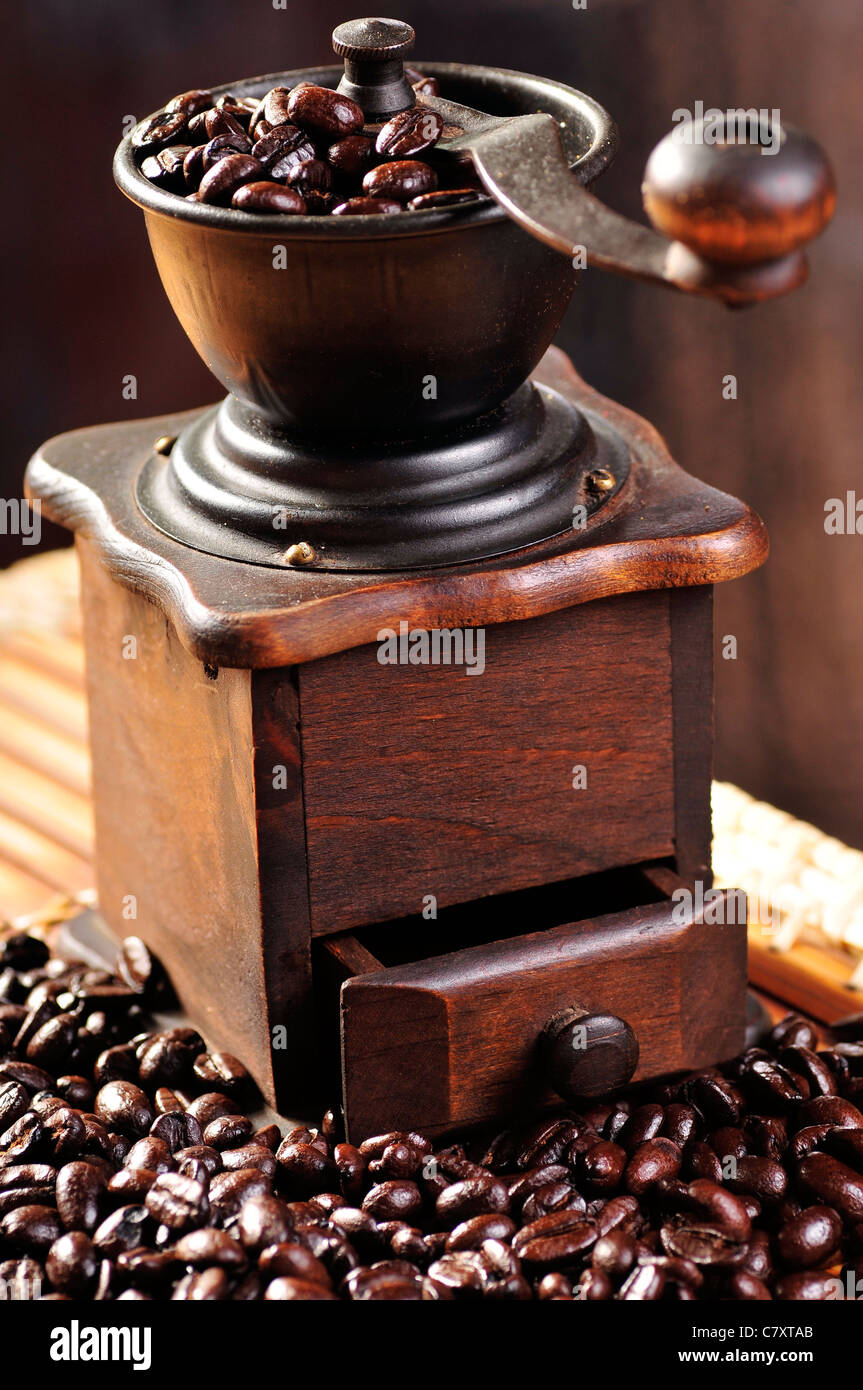
Troubleshooting: symptoms, likely causes, and fixes
Answer: Identify the symptom, then follow the ordered checks.
Symptom: coffee tastes flat or stale
- Cause 1: beans stale from long exposure — check roast date and storage.
- Cause 2: oil buildup in burrs — clean burrs and doser.
Fix: move remaining beans to airtight container and deep-clean grinder. Use fresh beans.
Symptom: inconsistent grind size or clogging
- Cause 1: fines and oils stuck between burrs.
- Cause 2: static clumping or humid conditions.
Fix: brush burrs, dry hopper parts, reduce grind dose, anti-static tools or wipe with a dry cloth.
Symptom: strange odors from grounds
- Cause: previous flavored beans or kitchen odors absorbed by beans.
Fix: discard affected beans. Clean hopper and burrs. Store future beans in opaque, airtight jars.
Symptom: mold or visible moisture
- Cause: high humidity or contamination.
Fix: discard beans and thoroughly dry and clean the grinder. Consider using desiccant packs in storage containers and keep the grinder in a climate-controlled area.
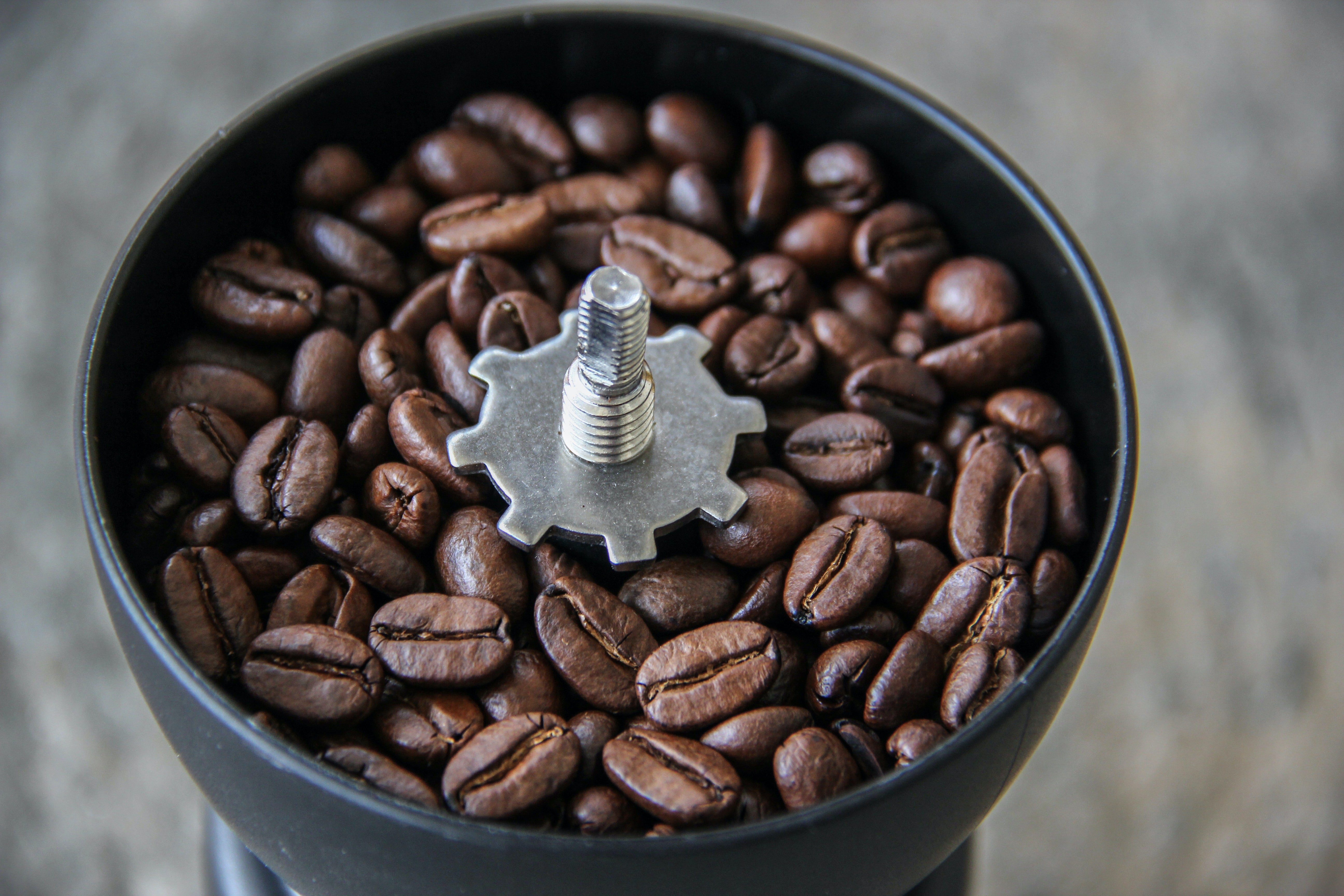
Follow-up questions readers often need next
Answer: Act based on how you brew and how often you use coffee.
- If you brew daily and want convenience, leave beans in a sealed hopper and clean weekly.
- If you brew once or twice per week, store beans in an airtight jar and empty the hopper after use.
- If you live in a humid U.S. state, favor separate airtight storage and avoid long hopper storage.
- If you use flavored beans, clean the grinder immediately after use.
Next action: check your grinder manual now. Mark a weekly cleaning on your calendar. Move any beans that will sit unused for more than a few days into an airtight container.
Key takeaways
- Short-term: leaving whole beans in a sealed hopper for a few days is usually fine.
- Long-term: do not leave beans in most grinders for weeks; store them airtight.
- Clean often: regular burr brushing prevents stale flavors and clogging.
- Avoid flavored/oily beans in the hopper.
- Safety: unplug before cleaning and inspect for moisture or pests.
FAQs (useful unresolved questions)
Q: How long do whole beans keep their best flavor in a hopper?
A: Best flavor lasts about 1–2 weeks after roast when stored well. In a hopper, expect faster aroma loss; aim to use within a week for peak flavor.
Q: Does leaving beans in a grinder make espresso worse specifically?
A: Yes, for espresso the loss of volatile oils and any residue in the grinder can reduce crema and clarity. Pros grind just before pulling shots.
Q: Can I store beans in a hopper overnight?
A: Yes. Overnight storage is fine for most home hoppers. Check conditions if your kitchen is hot or humid.
Q: Will the grinder motor damage beans if left inside?
A: No. The motor does not actively harm beans when off. Heat from the motor after grinding may warm the hopper slightly, but this is not usually a major issue unless repeated in a hot location.
Q: Is it safe to leave the grinder plugged in with beans inside?
A: Yes, electrically it’s usually safe if the grinder is designed for it. Still, unplug before cleaning and avoid leaving it on a hot surface or in direct sun.
Conclusion
Leaving coffee beans in the grinder is a practical choice for convenience. The right decision depends on your grinder type, climate, bean type, and how much you value peak flavor. For best results, clean the grinder regularly, store beans airtight when not in regular use, and avoid leaving flavored or oily beans in the hopper.