Introduction
Yes, you can grind coffee too fine. In an American drip coffee maker, French press, pour-over brewer, or AeroPress, an overly fine grind can slow water flow and pull too many bitter compounds from the grounds. The result may taste bitter, harsh, dry, muddy, or weak despite the strong flavor.
The right grind depends on your brewing method, coffee dose, water temperature, filter, and brew time. Fine grounds are useful for espresso and some stovetop brewers, but they can cause problems in methods that need faster water flow.

What Does “Too Fine” Coffee Grind Mean?
“Too fine” means the coffee particles are smaller than your brewing method can handle. The particles expose more surface area to water, so flavor compounds dissolve faster.
That is useful when water touches coffee for only a short time, as it does in espresso. It can be a problem when water stays with the grounds for several minutes, as it does in a French press.
Coffee grind size is best viewed as a range rather than one exact setting:
- Extra-fine: Powder-like. Often used for Turkish coffee.
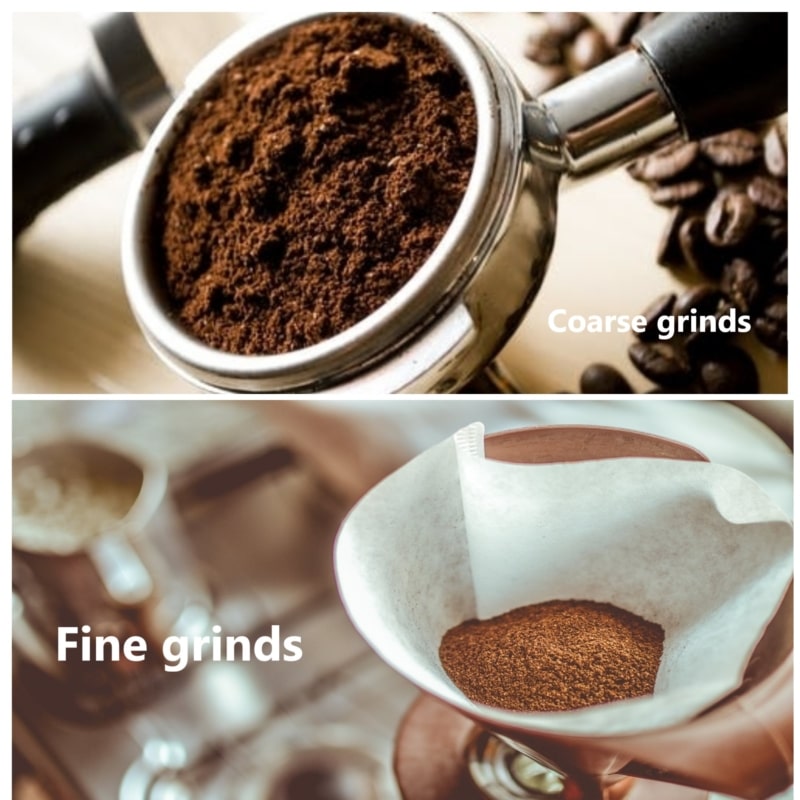
- Fine: Similar to table salt or fine sand. Often used for espresso.
- Medium-fine: Common for some pour-over brewers.
- Medium: Similar to sand. Often used for automatic drip coffee makers.
- Medium-coarse: Useful for some pour-over recipes and flat-bottom brewers.
- Coarse: Similar to coarse sea salt. Often used for French press and cold brew.
These comparisons are only rough guides. Grinders use different numbering systems, and the same setting on two grinders may produce different results.
The best grind is the one that gives balanced flavor within the correct brew time. Grind size is a control tool, not a fixed rule.
Signs Your Coffee Grounds Are Too Fine
The clearest sign is a slow, difficult brew that tastes unpleasant. Look for several signs rather than relying on one symptom.
1. The coffee tastes bitter or harsh
Overly fine coffee may extract too many bitter and drying compounds. This often creates a sharp taste that remains on your tongue after drinking.
However, bitterness does not always mean the grind is too fine. Water that is too hot, a long brew time, dark roasting, or too much agitation can cause a similar result.
2. Water drains too slowly
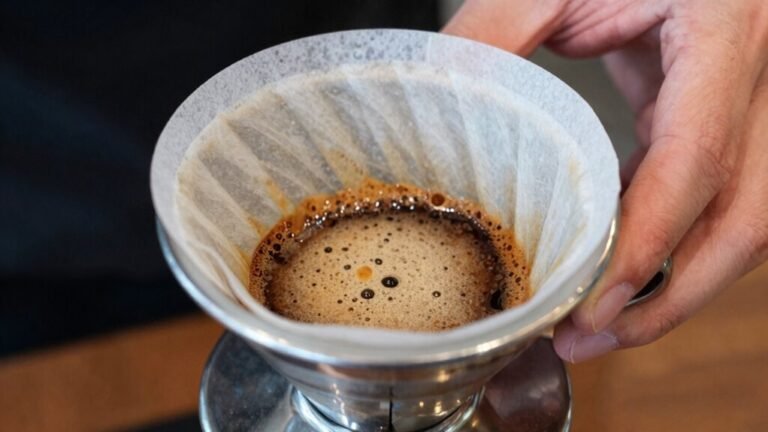
In a pour-over brewer, the water may sit above the coffee bed instead of flowing through it. In an automatic coffee maker, the brew cycle may take longer than usual.
Slow flow often means the coffee bed has become too dense. Fine particles can fill the spaces between larger particles and block water.
3. The filter clogs
Paper filters may drain very slowly when fine particles collect at the bottom. Metal filters may allow fine sediment into the cup.
A clogged filter is especially common when:
- The grind is too fine.
- The coffee contains many small particles, called fines.
- You pour too aggressively.
- You stir or swirl the coffee bed too much.
- The filter does not fit the brewer well.
4. The coffee bed looks muddy
After brewing, a muddy coffee bed can suggest that the grind is too fine or that the grinder produces too many fines. A small amount of fine material is normal, but heavy mud can slow drainage.
5. The cup feels dry or gritty
A dry, puckering sensation is called astringency. It can result from over-extraction, uneven extraction, or too much fine sediment in the cup.
Grit does not always mean the grind setting is too fine. It may also mean that the filter is damaged, the filter is too porous, or the brewer allows sediment through.
6. Espresso flows too slowly
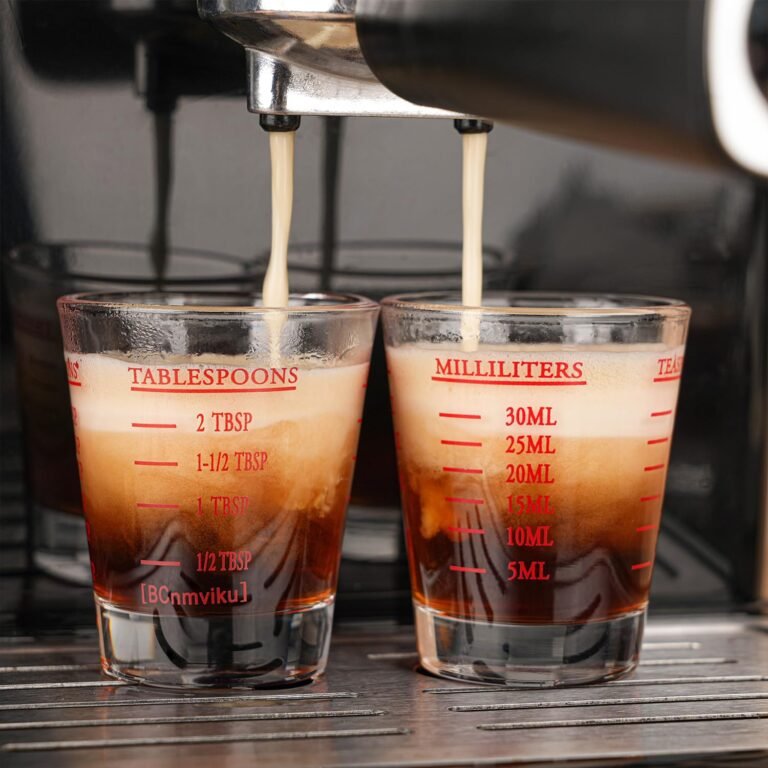
For espresso, a fine grind can restrict flow through the puck. The shot may drip slowly or fail to flow at all.
Still, espresso problems can also come from:
- Too much coffee in the basket.
- Excessive tamping force or an uneven tamp.
- A blocked basket.
- Old or clumped coffee.
- A machine pressure issue.
A fine grind is not automatically wrong for espresso. It becomes too fine when the shot runs too slowly or tastes over-extracted.
Why Does a Grind That Is Too Fine Cause Problems?
Fine grounds have more exposed surface area than coarse grounds. Water can reach more coffee at once, so extraction happens more quickly.
The problem is that fine particles also pack tightly. Water then has fewer open paths through the coffee bed. This creates two risks:
- The brew slows down. Water takes longer to pass through the grounds.
- Extraction becomes uneven. Water may find small channels through the bed while other areas receive less flow.
This can produce a cup that is both over-extracted and under-extracted in different places. Some coffee particles release too much flavor, while others contribute very little.
Coffee extraction is affected by several linked factors:
- Grind size
- Water temperature
- Brew time
- Coffee-to-water ratio
- Agitation
- Filter type
- Coffee freshness
- Roast level
- Grinder consistency
A finer grind usually increases extraction and slows flow. A coarser grind usually lowers extraction and speeds flow. These effects are connected, so changing one variable can change the whole brew.
The Specialty Coffee Association describes brewing variables such as time, temperature, water quality, and strength as important parts of coffee preparation. Its Coffee Standards provide a useful technical reference, although home brewers do not need to measure every variable precisely.
Can You Grind Coffee Too Fine for Different Brewing Methods?
Yes, but the warning point changes by method. A grind that is too fine for a French press may be suitable for espresso.
| Brewing method | Common starting grind | What too fine may cause |
|---|---|---|
| French press | Coarse | Muddy cup, heavy sediment, bitter flavor |
| Cold brew | Coarse to medium-coarse | Slow filtering, harsh flavor, cloudy concentrate |
| Automatic drip | Medium | Slow flow, bitterness, clogged filter |
| Pour-over | Medium-fine to medium | Long drawdown, bitterness, uneven extraction |
| AeroPress | Fine to medium-fine | Slow pressing, strong or bitter coffee |
| Moka pot | Fine to medium-fine | Choking, harsh coffee, pressure problems |
| Espresso | Fine | Slow shot, over-extraction, little or no flow |
| Turkish coffee | Extra-fine | Usually expected for this method |
These are starting points, not universal settings. A burr grinder, coffee bean, filter, and brewer can all change the result.
French press
French press coffee needs a fairly coarse grind because the coffee steeps in water for several minutes. Fine grounds can pass through the mesh filter and remain suspended in the cup.
If the coffee tastes bitter and gritty, move coarser. If it tastes thin and sour, the grind may be too coarse, the water may be too cool, or the steep time may be too short.
Pour-over
Pour-over brewing is sensitive to grind size because the water must pass through a coffee bed. A grind that is too fine can create a long drawdown and a bitter or dry cup.
Do not change the grind after one unusually slow brew without checking your pouring technique. A large pour, repeated stirring, or a clogged paper filter can also slow the flow.
Automatic drip coffee makers
Most home drip machines work well with a medium grind. Very fine grounds may pass through some filters or create a compact bed that drains slowly.
If the coffee maker uses a flat-bottom basket, a medium grind is often a reasonable starting point. The exact setting depends on the machine and filter.
AeroPress
AeroPress recipes vary widely. Some use a fine grind and short brew time, while others use a coarser grind and longer steep.
If the plunger becomes difficult to press, the grind may be too fine. A slow press can also force more sediment through the filter. Try grinding slightly coarser before applying more pressure.
Espresso
Espresso requires a fine grind because water passes through the coffee under pressure in a short time. Yet espresso still can be ground too fine.
If the espresso drips slowly, tastes bitter, or produces very little liquid, adjust slightly coarser. Make only one change at a time so you can see its effect.

How to Fix Coffee That Is Ground Too Fine
The simplest fix is to grind the next dose slightly coarser. Do not try to remove fine particles from already ground coffee unless you have no other option. Sifting can change the coffee dose and may create an uneven mix.
Use this troubleshooting sequence.
Step 1: Identify the brewing symptom
Ask what happened:
- Did the water drain slowly?
- Did the coffee taste bitter, dry, or harsh?
- Did the filter clog?
- Was the cup gritty?
- Did the espresso run too slowly?
- Was the coffee simply strong but pleasant?
A strong cup is not necessarily over-extracted. Flavor balance matters more than intensity alone.
Step 2: Change only the grind size
Move the grinder one small step coarser. On a stepped grinder, use one or two clicks. On a stepless grinder, make a small adjustment.
Avoid making a large change. A major adjustment can move the coffee from over-extracted to sour and thin.
Step 3: Keep the other variables the same
Use the same:
- Coffee dose
- Water amount
- Water temperature
- Brew method
- Brew time target
- Pour pattern
- Filter
This makes the result easier to judge.
Step 4: Brew again and record the result
Write down the grinder setting and brew time. Note the taste in simple terms:
- Sour or sharp
- Bitter or harsh
- Dry or puckering
- Thin or weak
- Balanced and sweet
- Heavy or muddy
A short record can help you find a repeatable setting.
Step 5: Adjust the next variable only if needed
If the grind is coarser but the brew is still bitter, check brew time and water temperature. If it is now sour or thin, go slightly finer or allow more contact time.
For espresso, change the grind in very small steps. Espresso reacts quickly to small changes.

A Simple Decision Table for Coffee Troubleshooting
Use this table as a starting guide. Taste should guide the final adjustment.
| Symptom | Likely cause | First adjustment |
|---|---|---|
| Bitter, harsh, and slow | Grind too fine or brew too long | Grind coarser |
| Sour, sharp, and fast | Grind too coarse or brew too short | Grind finer |
| Dry and puckering | Over-extraction or uneven flow | Grind slightly coarser; reduce agitation |
| Gritty or muddy | Too many fines or unsuitable filter | Use a coarser grind or better filter |
| Weak but not sour | Too little coffee or too much water | Adjust the ratio |
| Strong but balanced | No problem | Keep the setting |
| Espresso drips slowly | Grind too fine or dose too high | Grind slightly coarser |
| Pour-over stalls | Fine grind, clogged filter, or heavy agitation | Grind coarser and review pouring |
These are likely causes, not diagnoses. Coffee can show the same symptom for different reasons.
For example, sour coffee is often linked with under-extraction, but very light coffee roasted with unsuitable water can also taste sharp. Bitter coffee may come from over-extraction, dark roasting, stale beans, or overheated water.
Grind Size Is Not the Same as Grind Quality
A grinder can be set to medium and still produce too many fine particles. This is why two grinders at the same general setting may produce different cups.
Burr grinders usually provide more control than blade grinders because they crush beans between cutting surfaces. Blade grinders chop coffee unevenly. They can create a mix of powder, small pieces, and large chunks in the same batch.
An uneven grind creates uneven extraction:
- Powder extracts quickly.
- Large pieces extract slowly.
- The final cup may taste both bitter and sour.
If you use a blade grinder, short pulses and gentle shaking may improve consistency. They will not make the grind as even as a quality burr grinder, but they can reduce extreme particle differences.
Coffee freshness also matters. Older coffee may taste flat even when the grind is correct. Very fresh coffee can release more gas and may need a short rest after roasting before it brews smoothly.
How Fine Should Coffee Be for Espresso?
Espresso usually needs a fine grind, but there is no universal setting. The correct setting depends on the coffee, dose, basket, machine, and desired brew ratio.
A useful espresso adjustment process is:
- Keep the dose consistent.
- Use an even distribution of grounds.
- Tamp level and with steady pressure.
- Start with a fine setting.
- If the shot runs too fast and tastes sour, grind finer.
- If it runs too slowly and tastes bitter, grind coarser.
- Change only one setting at a time.
Do not force an espresso machine when the puck is choking. Excess pressure can make the extraction worse and may strain the machine. If water barely flows, stop the shot and make a small grind adjustment.
The phrase “too fine” in espresso should describe the result, not a specific number on the grinder. A setting that works for one coffee may fail with another.
Common Mistakes When Adjusting Coffee Grind
Changing too many variables at once
If you alter the grind, dose, water temperature, and brew time together, you will not know which change helped.
Assuming bitter always means too fine
Check whether the coffee sat in water too long. Also check the roast level and water temperature.
Using a French press grind for every method
A coarse grind is not automatically better. Pour-over and espresso need more surface contact because their water contact times differ.
Grinding coffee too far in advance
Ground coffee loses freshness faster than whole beans because more surface area is exposed to air. Grind close to brewing when possible.
Pressing an AeroPress too hard
Force does not solve a clogged coffee bed. It can push more sediment into the cup. Adjust the grind first.
Ignoring the filter
A paper filter that is folded, clogged, or poorly fitted can slow a brew even when the grind is correct.
Chasing brew time without tasting
Time helps you repeat a recipe, but flavor decides whether the result works. A brew can fall outside a target time and still taste good.

Key Takeaways
- Yes, coffee can be ground too fine.
- Fine grounds usually slow water flow and increase extraction.
- Bitter, harsh, dry, muddy, or slow coffee may point to an overly fine grind.
- Espresso needs a fine grind, but espresso can still be ground too fine.
- Change the grind in small steps.
- Keep other variables steady while troubleshooting.
- A clogged filter, heavy agitation, high water temperature, or uneven grinder can cause similar symptoms.
- The best grind is the one that produces balanced flavor for your method.
Frequently Asked Questions
Can you use coffee grounds that are too fine?
Yes, but the result may be less balanced. For a drip maker, pour-over, or French press, you can sometimes improve the brew by reducing contact time or using less agitation. Grinding the next batch coarser is usually the better fix.
Is finely ground coffee stronger?
Fine coffee can taste stronger because it may extract more quickly. However, “strong” can mean intensity, bitterness, or a high coffee-to-water ratio. Grind size alone does not determine caffeine content or strength.
Can coffee be too fine for a Keurig machine?
Yes. Very fine grounds can restrict water flow, clog the reusable pod filter, or leave sediment in the cup. Use a grind suited to the pod basket and follow the reusable filter maker’s instructions.
Can fine coffee grounds damage a coffee maker?
Fine grounds usually do not damage a standard coffee maker by themselves, but they can clog filters and slow water flow. A reusable filter may also allow more sediment into the machine or cup. Clean the basket and filter after use.
Why is my coffee bitter even after I grind it coarser?
The brew may still be over-extracting because of a long contact time, hot water, too much stirring, or a high coffee dose. Dark-roasted or stale beans may also taste bitter. Change one variable at a time.
Should French press coffee be finely ground?
Usually no. A coarse grind is a common starting point because it limits sediment and helps the filter work. If the coffee tastes weak, adjust steep time or the coffee-to-water ratio before making a large grind change.
Conclusion
You can grind coffee too fine, but the effect depends on the brewing method. Fine grounds may help espresso extract in a short time, while the same grind can clog a French press filter, stall a pour-over, or make drip coffee bitter.
Start with the symptom. If the brew is slow, harsh, dry, or muddy, move one small step coarser. Keep your dose, water, and method steady, then taste the result before making another change.