
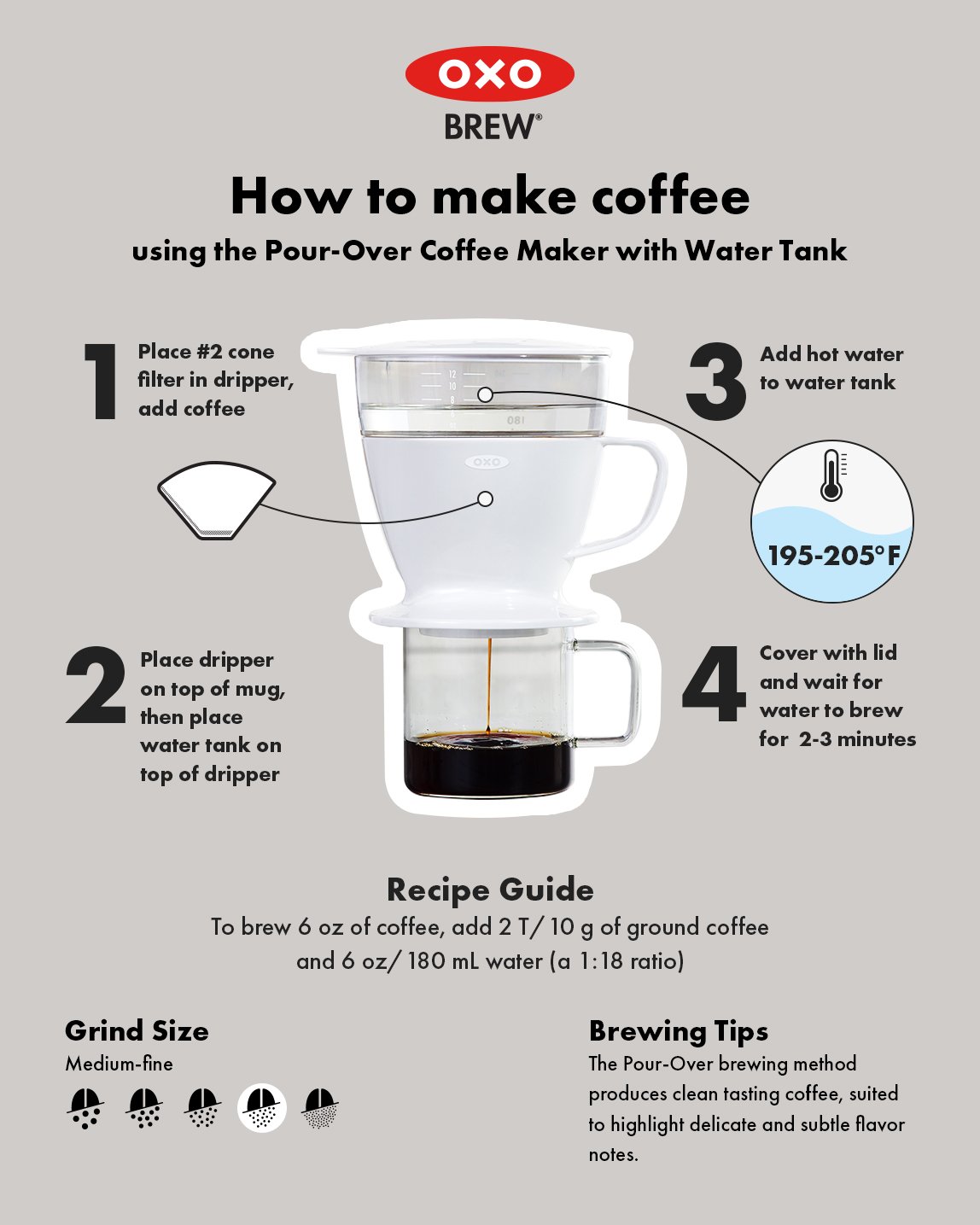
How hot should water be for pour over coffee? Use 195–205°F, ~200°F.
You care about flavor. So you want to know how hot should water be for pour over coffee. I have trained baristas and brewed thousands of cups. In this guide, I’ll show you the exact range, why it matters, and how to hit it every time. By the end, you’ll brew sweeter, clearer, and more balanced coffee, without guesswork.

The sweet spot: 195–205°F (90–96°C)
For most pour-overs, the ideal water temperature is 195–205°F. I often target 200°F. This range balances sweetness, clarity, and extraction speed. It is also the range backed by industry standards.
If you do not have a thermometer, bring water to a full boil. Let it sit for 30 to 45 seconds with the lid on. That puts you near 200°F at sea level. Preheat your brewer and mug so the water stays stable.
You asked how hot should water be for pour over coffee. Use the 195–205°F range as your north star. Then adjust by taste and roast level.
Tips you can trust:
- Lighter roasts often shine near 200–205°F.
- Medium roasts land well at 198–202°F.
- Dark roasts can taste smoother at 192–198°F.

Why temperature matters for extraction
Water heat controls how fast flavors dissolve. Hotter water boosts solubility and speeds up extraction. Cooler water slows it down.
Here is what that means in the cup:
- Too cool: sour, thin body, grassy notes. Under-extracted.
- Too hot: bitter, harsh, dry finish. Over-extracted.
- Just right: sweet, bright, round body, clean finish.
Time and grind also matter. But water temp is the first lever to set. When people ask how hot should water be for pour over coffee, they are really asking how to balance flavor. Start with the right heat, then tweak grind and flow.
Gear that helps you nail it
You can hit perfect temperature with simple tools. Here is what works.
- Electric kettle with temperature control. Set it to 200°F. Most models hold heat well.
- Gooseneck spout. It gives you slow, steady pours and less heat loss.
- Instant-read thermometer. Fast checks keep you honest.
- Preheated brewer and server. Rinse the filter with hot water to warm the setup.
Infrared guns read surfaces. They can misread moving water. If that is your only tool, stir and measure right above the stream.
If you worry about how hot should water be for pour over coffee in a cold kitchen, keep the kettle lid on between pours. Heat loss drops fast in winter.
A simple workflow you can repeat
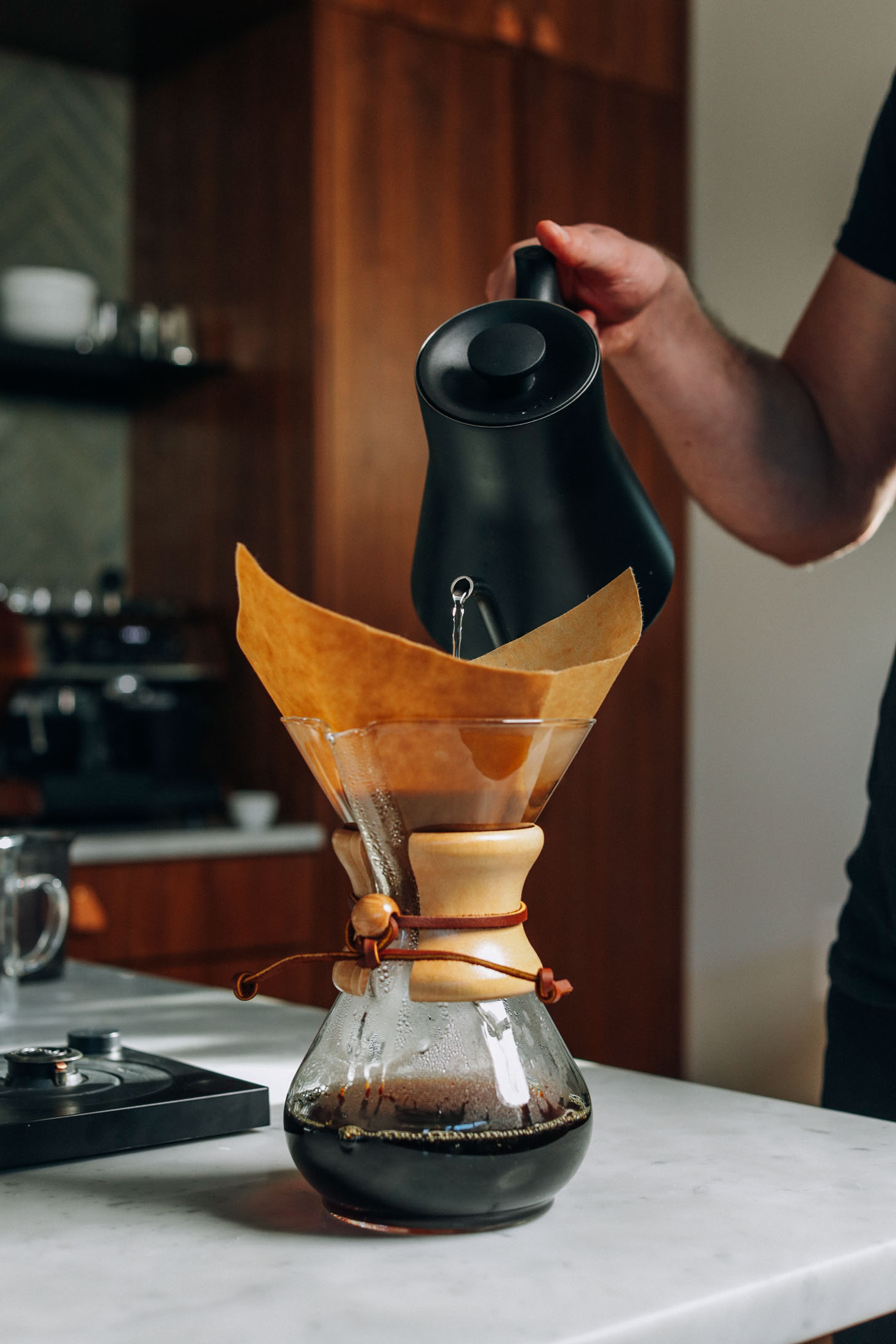
Use this step-by-step plan. It locks in water heat and flavor.
- Heat water to 200°F. Preheat brewer, filter, and mug.
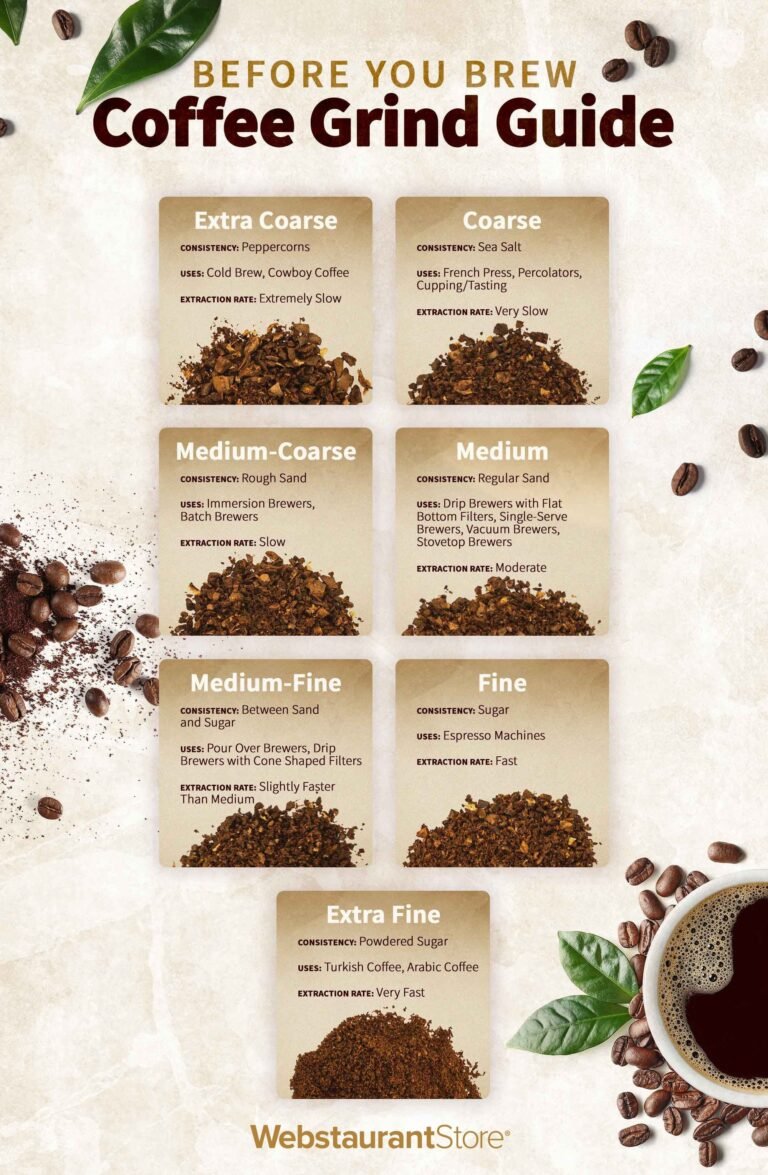
- Grind fresh coffee. Start medium-fine for most drippers.
- Add coffee and level the bed.
- Bloom with about two to three times the coffee weight in water at 198–202°F. Let it sit for 30 to 45 seconds.
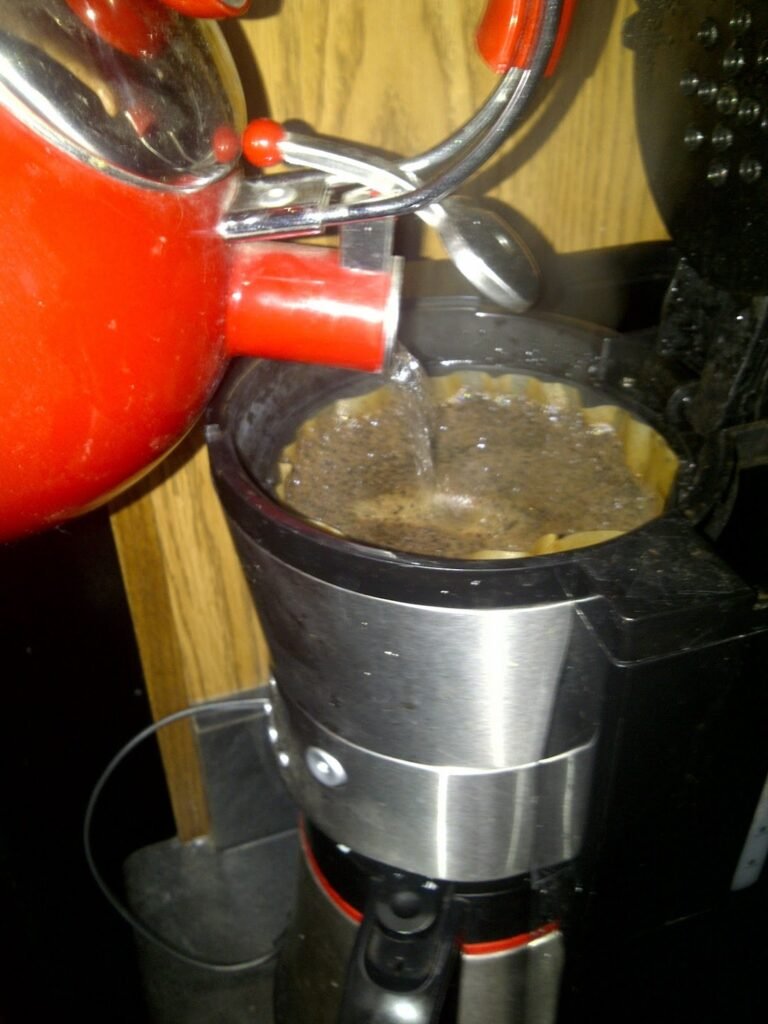
- Pour in slow pulses, keeping the stream close to the bed. Keep the kettle closed between pours.
- Total brew time should land around 2:30 to 3:30 for many devices.
- Taste and note results. Adjust grind or heat next time.
People ask how hot should water be for pour over coffee when they get sour cups. Often, the fix is simple. Raise the water temp a few degrees and slow the pour.
 altitude”
style=”max-width: 100%; height: auto; border: 2px solid black; border-radius: 10px; display: block; margin: 0 auto;”
loading=”lazy”
/>
Dialing in by roast, grind, origin, and altitude
not all beans act the same. Match your water heat to the coffee.
- Light roast. Use 200–205°F. It helps open up sweetness and florals.
- Medium roast. Use 198–202°F. Sweet and balanced.
- Dark roast. Use 192–198°F. Cuts harshness and keeps body smooth.
- Grind. Finer grind extracts faster. If you go finer, lower heat a touch or shorten time.
- Origin and process. Dense, high-grown, or washed coffees can like higher heat. Natural or very fresh beans may need a hair less.
Altitude changes boiling points. At higher elevations, water boils below 212°F. If you brew at altitude and wonder how hot should water be for pour over coffee, pour right off the boil. Keep the kettle covered. Move fast to reduce heat loss.
Water minerals matter too. Balanced minerals help extraction. Very soft water can taste flat. Very hard water can mute clarity.

Common mistakes and quick fixes
I see the same errors again and again. Here is how to avoid them.
- Using boiling water the whole time. Fix: aim for 195–205°F, not a rolling boil.
- Skipping preheat. Fix: rinse filter and warm your brewer first.
- Open kettle between pours. Fix: close the lid to hold heat.
- Slow, high pours that cool the stream. Fix: pour low and steady.
- Chasing time, not taste. Fix: if you ask how hot should water be for pour over coffee, taste first, then adjust heat 2–3°F.

Sample recipes and real-world notes
These are starting points I use at home and in training. Adjust to taste and grinder.
V60 02
- 18 g coffee, 300 g water, 1:16.7 ratio
- Water at 200°F
- Bloom 40 seconds with 40 g water
- Two or three steady pours to finish near 2:45–3:00
Kalita Wave 185
- 24 g coffee, 384 g water, 1:16
- Water at 198–200°F
- Bloom 45 seconds with 60 g water
- Gentle pulses to keep the bed flat, finish near 3:15
Chemex 6-cup
- 30 g coffee, 510 g water, 1:17
- Water at 202°F for lighter roasts, 198°F for darker
- Bloom 45 seconds with 60 g water
- Slow center-focused pours, finish near 4:00–4:30
When friends ask how hot should water be for pour over coffee, I hand them this playbook. One or two brews in, they find their own sweet spot.

Taste troubleshooting by temperature
Use this quick map to tune the heat.
- Sour, sharp, grassy. Raise water temp 2–4°F or grind finer.
- Bitter, dry, ashy. Lower water temp 2–4°F or grind coarser.
- Flat, dull, no sweetness. Increase temp and agitation slightly.
- Hollow body, fast drawdown. Grind finer and keep water near 200°F.
If you still wonder how hot should water be for pour over coffee after tweaks, change one variable at a time. Take notes. Small steps win.
Frequently Asked Questions of how hot should water be for pour over coffee
What is the best temperature for pour over coffee at home?
Aim for 195–205°F. If you lack a thermometer, boil the water and rest it for about 30 seconds.
Does water temperature change with light or dark roasts?
Yes. Light roasts like 200–205°F for better extraction. Dark roasts prefer 192–198°F to avoid harshness.
How hot should water be for pour over coffee if I’m at high altitude?
Use water right off the boil. Boiling is cooler at altitude, so move fast and keep the kettle covered.
Can I brew good coffee without a temperature-control kettle?
Yes. Boil the water, let it rest 30–45 seconds, and preheat your gear. Aim for steady, low pours.
How hot should water be for pour over coffee when my brew tastes sour?
Raise water heat by 2–4°F and try a slightly finer grind. Keep total brew time in a normal range.
Will hotter water always make stronger coffee?
Hotter water extracts faster, but it can add bitterness. Strength also depends on ratio and grind.
Should I change temperature between bloom and main pour?
You can keep it consistent. If you experiment, use slightly hotter water for bloom to kickstart extraction.
Conclusion
Great pour over comes from control, not luck. Start with 195–205°F water, aim near 200°F, and adjust by roast, grind, and taste. Use simple steps, take notes, and let your palate guide you.
Now brew a cup using today’s tips and log what you taste. Want more guides like this? Subscribe for new brew recipes, practical tests, and gear tips.
One Comment