
For coffee drinkers in the United States, pour-over coffee is not automatically better than automatic drip coffee. Pour-over brewing usually offers more control over water flow, contact time, and flavor clarity, while a quality drip coffee maker is faster, easier to repeat, and more practical for serving several people.
The better choice depends on what matters most to you: taste control, convenience, batch size, consistency, cleanup, or cost.
Quick Answer
Choose pour over if you enjoy a hands-on brewing process and want to adjust flavor precisely. Choose automatic drip if you want dependable coffee with minimal effort, especially for multiple cups.
Both methods can make excellent coffee when the brewer uses fresh beans, appropriate grind size, clean water, and a suitable coffee-to-water ratio.

Pour Over vs. Drip Coffee: What Is the Difference?
Pour-over and automatic drip coffee use the same basic principle: hot water passes through ground coffee and a filter before collecting in a cup or carafe. The main difference is who controls the brewing process.
Pour-over coffee
With pour-over brewing, the brewer manually adds hot water to coffee grounds in a cone-shaped device such as a V60, Kalita Wave, or Chemex. The water drains through the coffee bed and filter into a cup or server.
The brewer controls:
- Water temperature
- Pouring speed
- Pouring pattern
- Total brew time
- Coffee-to-water ratio
- Agitation of the grounds
- Grind size
That control can make pour-over coffee taste more distinct and transparent, but it also creates more opportunities for inconsistent results.
Automatic drip coffee
An automatic drip coffee maker heats water and distributes it over coffee grounds, usually through a showerhead. The brewed coffee then flows into a carafe or thermal vessel.
The machine controls most of the process, including:
- Water heating
- Water distribution
- Brew timing
- Contact time
- Flow rate
The user generally controls the coffee dose, grind size, water amount, and sometimes brew strength.
The central difference
Pour over gives you more control; automatic drip gives you more convenience and repeatability.
Neither method guarantees better flavor by itself. Coffee quality depends on the entire brewing system, including the beans, grinder, water, filter, temperature, and extraction.
Taste and Flavor: Which Method Makes Better Coffee?
Pour-over coffee often produces a cleaner, more nuanced cup, while automatic drip coffee can produce a fuller, more familiar pot of coffee. These are tendencies rather than universal rules.
Why pour over may taste cleaner
Most pour-over brewers use paper filters. Paper removes much of the coffee’s sediment and some of its oils, producing a lighter-bodied drink with pronounced acidity and aroma.
Manual pouring can also encourage even saturation of the grounds. When water reaches the coffee bed evenly, the brewer can reduce areas that are over-extracted or under-extracted.
A well-made pour over may emphasize:
- Floral aromas
- Fruit-like acidity
- Tea-like texture
- Subtle sweetness
- Differences between growing regions and roast styles
Why drip coffee may taste fuller
Automatic drip machines vary significantly. Some use water distribution and heating systems that brew evenly; others may wet the coffee bed unevenly or brew at temperatures that are less suitable for extraction.
A good drip machine can make coffee with:
- More body than a delicate pour over
- Consistent flavor from cup to cup
- A balanced taste suited to medium and dark roasts
- Enough volume for a household or office
A poorly designed or poorly maintained drip brewer may produce weak, bitter, flat, or uneven coffee. The issue may come from the machine rather than the drip method itself.
Is pour over more flavorful?
“More flavorful” depends on what you mean by flavor. Pour over may reveal more individual flavor notes, but some drinkers prefer the heavier body and straightforward taste of drip coffee.
A light-roast coffee may benefit from pour-over control. A medium or dark roast may taste satisfying through either method, especially when the grind and ratio are appropriate.
Control and Consistency
Pour over offers greater control, but automatic drip usually makes consistency easier for the average home brewer.
Pour-over control
A manual brewer can make small adjustments when coffee tastes wrong:
- Grind finer if the coffee tastes thin or sour
- Grind coarser if it tastes bitter or harsh
- Pour more slowly to increase contact time
- Pour more quickly to reduce contact time
- Change the water temperature
- Alter the coffee-to-water ratio
This makes pour over useful for people who enjoy refining their recipe.
Drip-machine consistency
Automatic drip brewing removes many variables. Once you measure the same amount of coffee and water, the machine can produce a similar result each time.
Consistency depends on machine quality and maintenance. A brewer may perform poorly if:
- Mineral scale blocks water pathways
- The showerhead distributes water unevenly
- The heating system does not reach an appropriate brewing temperature
- The carafe or warming plate overheats the coffee
- The filter basket is too small or poorly shaped
The Specialty Coffee Association’s home-brewing guidance emphasizes brewing variables such as water temperature, contact time, and coffee concentration rather than treating one brewing format as universally superior. See the Specialty Coffee Association’s coffee standards and research resources.

Convenience, Batch Size, and Daily Use
Automatic drip coffee is usually better for convenience, while pour over is better for a deliberate one- or two-cup routine.
| Factor | Pour over | Automatic drip |
|---|---|---|
| Typical capacity | One to several cups, depending on brewer | Several cups in one batch |
| Hands-on effort | High | Low |
| Brew-time control | High | Limited |
| Cleanup | Usually simple but manual | Simple, but includes machine maintenance |
| Repeatability | Depends on technique | Generally high |
| Portability | Often excellent | Limited |
| Best use | Intentional single-cup brewing | Daily convenience and group serving |
When pour over makes more sense
Pour over may suit you if you:
- Usually brew one or two cups
- Enjoy weighing coffee and water
- Like experimenting with beans
- Want a compact setup
- Do not mind heating water separately
- Prefer a clean cup with noticeable flavor detail
When drip makes more sense
Automatic drip may be the better option if you:
- Brew coffee for several people
- Need coffee ready while you do other tasks
- Want a programmable machine
- Prefer minimal manual work
- Drink coffee throughout the morning
- Value repeatability over experimentation
A thermal-carafe drip brewer is generally more suitable than a glass carafe left on a hot plate when coffee will sit for a while. Extended heating can make coffee taste flatter or more bitter, although the exact effect depends on the machine and holding temperature.
Cost and Equipment
Pour over typically has a lower entry cost, but a serious setup can become more expensive when you add a grinder, kettle, scale, and accessories.
Basic pour-over setup
A functional setup may include:
- Pour-over cone
- Paper filters
- Coffee grinder
- Kettle
- Mug or server
A gooseneck kettle can make pouring easier, but it is not essential. A standard kettle can work if you pour carefully.
Basic drip setup
An automatic drip setup requires:
- Drip coffee maker
- Paper or reusable filter
- Coffee grinder or pre-ground coffee
- Carafe or thermal vessel
The machine itself costs more than a basic pour-over cone, but it combines the water heating and dispensing functions.
Ongoing expenses
Both methods require coffee and filters. Pour-over paper filters are often inexpensive, while automatic drip machines may use larger filters but brew more coffee per cycle.
The biggest quality-related expense for either method is usually the grinder. Freshly ground coffee allows better control than stale pre-ground coffee because grind size and aroma degrade over time.
Which Method Extracts More Caffeine?
Neither pour over nor drip coffee automatically contains more caffeine. Caffeine depends mainly on:
- Coffee dose
- Serving size
- Bean variety
- Roast level
- Grind size
- Brewing time
- Extraction efficiency
A 12-ounce serving of drip coffee may contain more caffeine than an 8-ounce pour over simply because it contains more water and often more coffee. Conversely, a concentrated pour-over recipe can deliver a substantial amount of caffeine in a smaller serving.
The U.S. Food and Drug Administration says that up to 400 milligrams of caffeine per day is an amount not generally associated with dangerous negative effects for most healthy adults, although individual sensitivity, pregnancy, medications, and medical conditions can change what is appropriate. Read the FDA’s caffeine guidance.
Caffeine content varies widely, so treat estimates as approximate rather than exact.

How to Make Better Pour-Over Coffee
A dependable pour-over recipe starts with a controlled ratio and a medium grind. You can adjust the recipe after tasting the result.
Prerequisites
Use:
- Fresh coffee beans
- A burr grinder if available
- Fresh, clean water
- A scale
- A timer
- A pour-over brewer and compatible paper filter
A scale is helpful because volume measurements can vary significantly depending on grind size and how tightly coffee is packed.
Starting recipe
Use this hypothetical starting point:
- Coffee: 20 grams
- Water: 320 grams
- Ratio: 1:16
- Water temperature: about 195–205°F
- Grind: medium, adjusted to taste
The Specialty Coffee Association commonly discusses brewing water in this general temperature range for coffee extraction, but the best setting varies with roast level, equipment, and personal taste.
Steps
- Rinse the paper filter with hot water to reduce paper flavor and warm the brewer.
- Add the ground coffee and level the bed.
- Start the timer and pour enough water to wet all the grounds.
- Allow the coffee to bloom for roughly 30–45 seconds.
- Continue pouring slowly in controlled pulses.
- Stop when you reach the target water weight.
- Let the coffee drain fully, then remove the filter.
- Taste the coffee after it cools slightly before changing the recipe.
Signs of a successful brew
A balanced cup often tastes:
- Sweet rather than sharply sour
- Clear rather than muddy
- Smooth rather than harsh
- Flavorful without astringency
If the coffee tastes sour and thin, it may be under-extracted. Try a finer grind, slightly hotter water, or a slower brew. If it tastes bitter, dry, or harsh, try a coarser grind, cooler water, or a faster brew.
How to Make Better Automatic Drip Coffee
The easiest way to improve automatic drip coffee is to use better coffee, measure the dose, and maintain the machine.
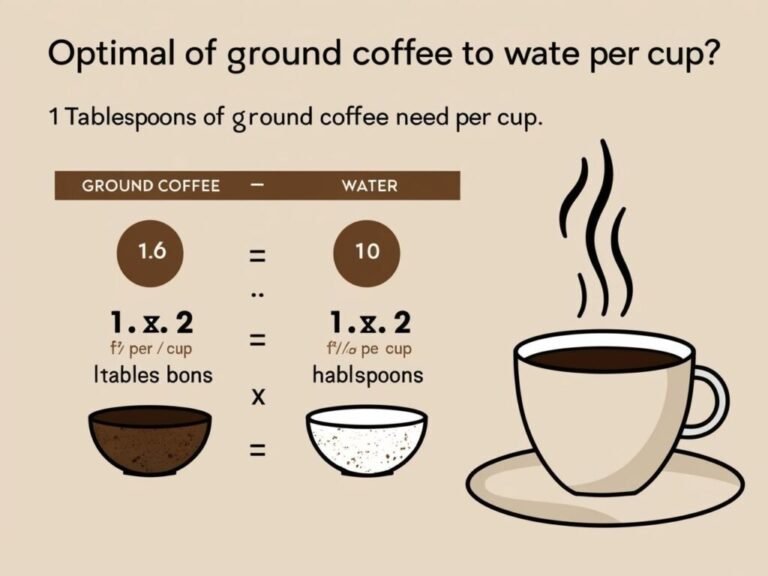
Start with a measured ratio
A practical starting point is approximately:
- 60 grams of coffee per 1,000 grams of water
- Or 30 grams of coffee per 500 grams of water
This is a starting ratio, not a fixed rule. Adjust the dose if the coffee tastes too weak or too strong.
Do not rely on the machine’s “cup” markings without checking their size. Many coffee makers define a cup as less than the standard 8-ounce U.S. measuring cup.
Use the correct grind
Automatic drip coffee usually works best with a medium grind. A fine grind may slow drainage and create bitterness. A coarse grind may produce weak or sour coffee.
Grind size depends on the machine, filter basket, and brew time, so use taste as the final guide.
Improve the machine’s performance
For better results:
- Use clean, fresh water.
- Clean the filter basket after each use.
- Remove mineral scale according to the manufacturer’s instructions.
- Avoid leaving old coffee oils in the basket or carafe.
- Use a thermal carafe if coffee will be held for more than a short period.
- Replace reusable filters when they become stained, damaged, or difficult to clean.
- Follow the manufacturer’s instructions for descaling products and frequency.
Mineral buildup is especially relevant in areas with hard water. It can affect flow and heating, but the correct maintenance schedule depends on the machine and local water conditions.

Common Brewing Problems and Fixes
The same taste problem can have several causes. Change one variable at a time so you can identify what helped.
| Symptom | Possible cause | First adjustment |
|---|---|---|
| Sour, sharp, or thin coffee | Under-extraction, coarse grind, short brew time | Grind finer or extend contact time |
| Bitter or dry coffee | Over-extraction, fine grind, excessive contact time | Grind coarser or shorten brew time |
| Weak coffee | Too little coffee, too much water, stale beans | Increase dose or use fresher coffee |
| Muddy coffee | Excess sediment, damaged filter, too-fine grind | Use a paper filter or coarser grind |
| Flat flavor | Stale coffee, poor water, dirty equipment | Use fresher beans and clean the brewer |
| Inconsistent results | Uneven pouring or changing measurements | Weigh coffee and water |
Why pour-over coffee can fail
Pour over often becomes inconsistent when the brewer pours too quickly in one area, fails to wet all the grounds, or changes the recipe from one cup to the next.
A very slow pour is not automatically better. Excessive agitation can move fine particles into the filter and slow drainage, potentially increasing bitterness.
Why drip coffee can fail
Automatic drip coffee may taste poor because the machine does not distribute water evenly, the basket is overloaded, or the brewer has not been cleaned.
If a drip machine consistently produces bad coffee despite fresh beans, a suitable grind, and correct measurements, the machine may be the limiting factor.
Environmental and Practical Considerations
Neither brewing method is universally more sustainable. The environmental effect depends on equipment lifespan, electricity use, coffee waste, filters, and how much coffee is brewed and discarded.
Pour over generally uses less complex equipment and can last for many years. However, it usually requires heating water separately, and each serving may use an individual paper filter.
Automatic drip machines can brew larger batches efficiently, but they consume electricity and contain more components that may eventually need repair or replacement.
To reduce waste with either method:
- Brew only the amount you expect to drink.
- Use a thermal carafe instead of prolonged hot-plate holding.
- Compost used coffee grounds where appropriate.
- Choose durable equipment rather than replacing inexpensive brewers frequently.
- Follow local rules for disposing of filters and coffee grounds.
Reusable metal filters reduce paper use but allow more oils and sediment into the cup. That changes flavor and texture; it is not simply an upgrade.

Which Is Healthier: Pour Over or Drip?
For most people, the main health-related difference is the type of filter and the amount consumed, not the brewing label.
Paper-filtered coffee removes more coffee oils than many metal-filtered methods. Those oils include diterpenes such as cafestol and kahweol, compounds associated with changes in blood cholesterol when consumed in substantial amounts. Paper filtration can therefore be relevant for people who have been advised to limit these compounds.
However, health outcomes depend on the overall diet, serving size, individual medical history, and coffee consumption pattern. People with concerns about cholesterol, caffeine sensitivity, pregnancy, heart rhythm symptoms, anxiety, or medication interactions should ask a qualified healthcare professional for personalized guidance.
Avoid drinking coffee at temperatures hot enough to burn your mouth. Letting coffee cool briefly can improve both flavor perception and comfort.
Pour Over or Drip: Decision Guide
Use this guide when choosing between the two methods.
Choose pour over if you value:
- Greater control over extraction
- A clean, detailed cup
- Single-cup brewing
- Manual preparation
- Recipe experimentation
- Compact equipment
Choose automatic drip if you value:
- Speed and convenience
- Brewing several cups
- A programmable schedule
- Repeatable results
- Minimal attention during brewing
- Coffee for a household or workplace
Choose either method if you prioritize:
- Freshly roasted beans
- A good grinder
- Proper measurements
- Clean equipment
- Appropriate water quality
- A brewing ratio adjusted to your taste
The brewer matters, but these fundamentals often matter more.
Key Takeaways
- Pour over is not inherently better than automatic drip coffee.
- Pour over provides more control and may produce greater flavor clarity.
- Automatic drip is usually faster, easier, and better for larger batches.
- Fresh beans, a suitable grind, clean water, and accurate measurements affect both methods.
- Use pour over for hands-on single-cup brewing and drip for convenience and consistency.
- A well-maintained drip machine can make coffee that is just as satisfying as pour over.
- If cholesterol is a concern, paper filtration may be relevant because it removes more coffee oils than many metal filters.
Frequently Asked Questions
Is pour-over coffee stronger than drip coffee?
Not necessarily. Strength depends on the coffee-to-water ratio and serving size. A pour over can be stronger or weaker than drip depending on how much coffee and water you use.
Is pour-over coffee healthier than automatic drip coffee?
Neither method is automatically healthier. Both can produce paper-filtered coffee. Health considerations depend on caffeine intake, coffee oils, serving size, and personal medical factors.
Why does pour-over coffee taste better to some people?
Pour over allows more control over grind size, water flow, temperature, and brew time. That control can highlight subtle flavors, especially in lighter-roasted coffee. Some people instead prefer the heavier body and convenience of drip coffee.
Can I use regular ground coffee in a pour-over brewer?
Yes, but the grind should usually be medium rather than the very fine grind used for espresso. Pre-ground coffee may work, although freshly ground beans generally provide more aroma and flavor.
Does a more expensive drip coffee maker make better coffee?
Price alone does not guarantee better coffee. A useful drip machine should heat water appropriately, distribute it evenly over the grounds, maintain a suitable brew time, and be easy to clean. Independent certification or documented brewing specifications can be more useful than price as a quality signal.
Conclusion: Is Pour Over Better Than Drip?
Pour-over coffee is better when you want control, clarity, and a hands-on brewing experience. Automatic drip coffee is better when you want convenience, repeatability, and multiple cups with little effort.
For most U.S. households, the practical answer is not to treat one method as universally superior. Start with the method that fits your routine, then improve the coffee using fresh beans, a consistent grind, measured water, and clean equipment. If you enjoy experimenting, choose pour over. If you need reliable coffee every morning, choose a good automatic drip brewer.

2 Comments