
Introduction
For most coffee, wait 3 to 7 days after roasting before grinding. This gives the beans time to release excess carbon dioxide while keeping much of their fresh flavor.
For espresso, wait about 7 to 14 days. Dark roasts often taste ready sooner, while light roasts may improve after a longer rest. After that rest, grind the beans right before brewing.
The best time depends on the roast level, brew method, bean, and your taste. Fresh coffee is not always coffee roasted today. It is coffee that has had enough time to rest but has not grown stale.

Why Coffee Needs to Rest After Roasting
Freshly roasted coffee contains trapped carbon dioxide. The roasting process creates this gas inside the bean. After roasting, the gas slowly escapes in a process called degassing.
Degassing matters because too much gas can disrupt brewing. It may push water away from the coffee grounds. This can lead to uneven extraction, weak flavor, sharp acidity, or a large layer of foam.
Grinding speeds up degassing. A whole bean has less exposed surface area than ground coffee. Once you grind it, gas escapes much faster. This is why you should avoid grinding a large batch several days before brewing.
Coffee also changes as it rests. Right after roasting, it may taste harsh, smoky, or overly sharp. After a few days, the flavor often becomes sweeter and more balanced.
The Specialty Coffee Association and coffee research commonly describe degassing as a key factor in brewing fresh coffee. The exact timing varies because no two coffees roast and age in exactly the same way.
The Best Resting Time by Brew Method
The following ranges are useful starting points, not strict rules.
| Brew method | Suggested rest after roasting | What to look for |
|---|---|---|
| Pour-over | 3–7 days | Sweet aroma and clear flavor |
| Drip coffee maker | 3–7 days | Balanced taste without harshness |
| French press | 3–7 days | Smooth body and low sharpness |
| AeroPress | 3–10 days | Good sweetness and easy extraction |
| Espresso | 7–14 days | Stable crema and balanced flow |
| Cold brew | 3–10 days | Clean flavor without roast bite |
| Dark roast | 2–5 days | Less smoke and bitterness |
| Light roast | 5–14 days | More sweetness and less sourness |
These ranges assume the coffee is stored well and has a clear roast date. Some coffees peak sooner. Others continue improving for several weeks.
Why espresso usually needs more time
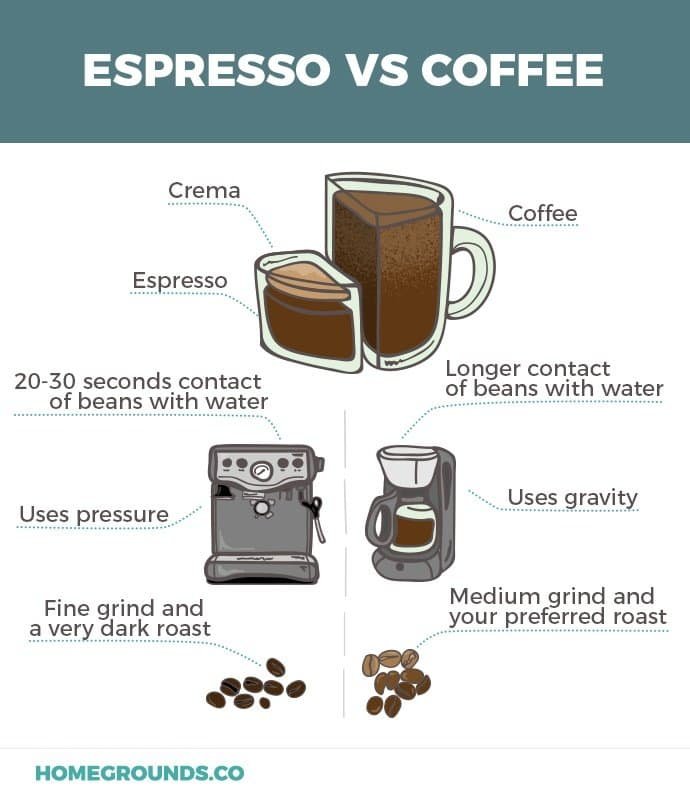
Espresso uses finely ground coffee and high pressure. Excess gas can cause the grounds to resist water. It can also make the shot flow too fast or create unstable crema.
A coffee roasted yesterday may produce a shot that looks lively but tastes sour, thin, or uneven. Waiting several more days often makes the shot easier to dial in.
Espresso timing is not universal. A dense light roast may need more rest than a porous dark roast. Start with 7 days, then adjust based on taste and shot flow.
Why filter coffee can be ready sooner
Pour-over and drip coffee use a coarser grind and lower pressure than espresso. These methods are usually more forgiving of gas.
Many filter coffees taste good after 3 to 5 days. A light roast may still benefit from more time, especially if it tastes sour or difficult to extract.

Does Roast Level Change the Waiting Time?
Yes. Roast level affects the bean’s structure and how quickly it releases gas.
Light roast coffee
Light roasts are usually denser and less porous. They may release gas more slowly. They can taste better after 5 to 14 days, especially when brewed as espresso.
Light roasts may taste sour, dry, or sharp when brewed too soon. This does not always mean the coffee is bad. It may simply need more rest or a finer grind.
Medium roast coffee
Medium roasts often work well after 3 to 7 days. They can offer a useful balance between sweetness, acidity, and body.
Use this range as a starting point for drip coffee, pour-over, and French press. For espresso, try waiting at least 7 days.
Dark roast coffee
Dark roasts often degas faster because roasting creates a more open bean structure. They may taste ready after 2 to 5 days.
Dark coffee can also taste smoky or bitter when it is too fresh. Resting helps soften these notes. If the coffee tastes flat or oily after a long wait, it may already be losing freshness.
Should You Grind Coffee Right After It Rests?
Yes. Grind the coffee as close to brewing as you can.
A practical routine is:
- Check the roast date.
- Let the whole beans rest for the recommended time.
- Weigh the beans for one brew.
- Grind them immediately before brewing.
- Store the remaining beans in a cool, dry, airtight container.
Ground coffee loses aroma faster than whole bean coffee because grinding creates many more surfaces exposed to air. Oxygen then reacts with the coffee oils and flavor compounds.
You do not need to grind the instant the beans reach their peak. Grinding 5 or 10 minutes before brewing is usually fine. The main goal is to avoid grinding days or weeks in advance.
A simple example
Suppose your coffee was roasted on March 1.
- For pour-over, try it on March 4.
- For drip coffee, compare March 4 with March 6.
- For espresso, start testing around March 8.
- If the coffee tastes sour or unstable, test again after a few more days.
This approach works better than following a fixed rule for every coffee.

How to Tell If Coffee Needs More Rest
Taste and brew behavior can help you decide.
Coffee may need more time if:
- Espresso flows too quickly even after sensible grind changes.
- The cup tastes sharply sour or fizzy.
- The coffee produces excessive foam or bubbling.
- The flavor seems thin and rough at the same time.
- Pour-over water stalls or the bed rises and bubbles heavily.
- The aroma smells strongly of smoke, grass, or fresh roast.
These signs do not prove that resting is the only problem. Grind size, water temperature, dose, water quality, and technique also affect flavor.
For espresso, wait another 2 to 3 days before making large changes if the coffee is very fresh. Changing the grind, dose, and temperature all at once can hide the real cause.
How to Tell If Coffee Is Too Old
Old coffee often loses aroma before it becomes unsafe. The main issue is quality, not food safety, when the beans are dry and stored properly.
Coffee may be past its best if:
- The smell is faint when you grind it.
- The brewed cup tastes flat or papery.
- Sweet flavors have faded.
- You need much more coffee to get the same strength.
- The beans have a stale, oily, or rancid smell.
The best-by date on a coffee bag is less useful than the roast date. Many bags show a date several months after roasting. For the freshest results, buy coffee with a clear roast date and use it while the aroma remains strong.
There is no single day when coffee suddenly becomes bad. Freshness declines over time. Some coffees taste enjoyable for several weeks, while others fade sooner.

How to Store Roasted Coffee While It Rests
Store coffee in an airtight, opaque container in a cool, dry cupboard. Keep it away from heat, sunlight, moisture, and strong odors.
Good storage habits include:
- Keep the beans whole until needed.
- Close the container after each use.
- Store only a small amount at room temperature.
- Avoid the refrigerator, where moisture and food odors can affect the beans.
- Freeze extra beans only when you can seal them well and avoid repeated thawing.
A one-way valve on a coffee bag lets carbon dioxide escape while limiting air entry. It does not stop aging. Once you open the bag, oxygen exposure increases.
For a large bag that you will not use soon, divide the beans into small airtight portions before freezing. Let one portion return to room temperature while sealed. This helps prevent condensation from forming on the beans.
A Simple Method for Finding Your Coffee’s Best Grind Time
Use the roast date as a guide, then test the coffee over several days.
Step 1: Start with the right rest period
Choose a starting point:
- Light roast filter coffee: 5 days
- Medium roast filter coffee: 3 to 5 days
- Dark roast filter coffee: 2 to 3 days
- Light or medium espresso: 7 to 10 days
- Dark roast espresso: 5 to 7 days
Step 2: Keep the recipe steady
Use the same coffee dose, water amount, grind setting, and brewing method. Changing several things at once makes the results hard to compare.
Step 3: Taste the coffee
Look for sweetness, clear flavor, pleasant aroma, and a balanced finish. Do not judge the coffee only by crema or bloom. A large bloom does not always mean better flavor.
Step 4: Test again after two days
If the coffee tastes harsh, sour, or gassy, wait another two days. If it tastes flat, the coffee may have passed its best point or may need a different recipe.
Step 5: Record what works
Write down the roast date, brew date, grind setting, recipe, and taste. A short note can reveal the best window for that coffee.

What to Change If the Coffee Tastes Wrong
Resting time is only one part of extraction. Use the symptom as a clue.
| Taste or problem | Possible cause | First adjustment |
|---|---|---|
| Sour and thin | Under-extraction or very fresh beans | Grind finer or wait longer |
| Bitter and dry | Over-extraction | Grind coarser or use cooler water |
| Weak and watery | Too little coffee or too coarse a grind | Add coffee or grind finer |
| Harsh and smoky | Dark roast or too much heat | Use cooler water and more rest |
| Flat and dull | Older coffee or poor storage | Use fresher beans |
| Espresso runs too fast | Very fresh coffee or coarse grind | Wait longer, then grind finer |
| Espresso runs too slowly | Fine grind or high dose | Grind coarser or reduce the dose |
Make one change at a time. If you change the grind, dose, water, and brew time together, you will not know which change helped.
A sour cup does not always mean the beans need more rest. It may also mean the grind is too coarse or the water is not extracting enough flavor.
Common Mistakes to Avoid
Grinding as soon as the beans arrive
Coffee roasted the same day is often too fresh for its best flavor. Let the whole beans rest first.
Waiting too long to grind after resting
Once the beans reach a good point, grind only the amount you need. Ground coffee ages much faster than whole beans.
Treating the roast date as an expiration date
The roast date helps you estimate freshness. It does not tell you the exact day the coffee will peak.
Using one rule for every roast
A dark roast and a light roast may need different rest times. Brew method matters, too.
Chasing crema instead of flavor
Fresh espresso can produce a large crema layer because of trapped gas. That crema may look impressive while the shot tastes sharp or thin.
Storing beans in the refrigerator
Coffee can absorb moisture and nearby food smells. A cool cabinet is usually better for a bag you plan to finish soon.

Key Takeaways
- Wait 3 to 7 days after roasting before grinding most coffee.
- Wait about 7 to 14 days for many espresso coffees.
- Dark roasts often need less rest than light roasts.
- Grind only what you need, right before brewing.
- Use taste and brew behavior to adjust the timing.
- Store beans in an airtight container away from heat, light, moisture, and odors.
- A roast date is more useful than a distant best-by date.
FAQs
Can I grind coffee immediately after roasting?
You can, but the coffee may taste sharp, smoky, or uneven. For most brew methods, waiting at least 2 to 3 days gives the beans time to release some excess gas.
Is coffee fresher if I grind it right after roasting?
Not always. Grinding fresh coffee does not remove the need for degassing. It only makes the gas escape faster. The coffee can still taste better after resting.
How long should coffee rest before espresso?
Start with 7 to 14 days after roasting. Dense light roasts may need longer, while dark roasts may work sooner. Use shot flow and taste as your guide.
Can I brew coffee one day after roasting?
Yes. It is safe to brew, but the flavor may not be fully balanced. Drip coffee and French press may be more forgiving than espresso at this stage.
Does freezing coffee stop freshness loss?
Freezing can slow freshness loss when the beans are sealed well. Divide coffee into small portions, keep air and moisture out, and avoid repeated thawing.
What is the best coffee storage method?
For coffee you will use within a few weeks, keep whole beans in an airtight container in a cool, dark, dry cupboard. For longer storage, sealed single-use portions in the freezer can help preserve quality.
Conclusion
The best general rule is simple: let roasted coffee rest for 3 to 7 days, then grind it just before brewing. Use a longer window for many espresso coffees and a shorter window for some dark roasts.
Start with the roast date, but let the cup make the final decision. If the coffee tastes sharp and gassy, wait longer. If it tastes flat and dull, use it sooner next time and improve storage. Small tests over several days will help you find the ideal grind time for your coffee.


One Comment