For most home coffee makers in the United States, grind moka pot coffee to a medium-fine texture. If you use a blade grinder, start with 10 to 15 seconds of short pulses. If you use a burr grinder, time matters less than the grind setting, but 15 to 25 seconds is a useful starting range for many electric models.
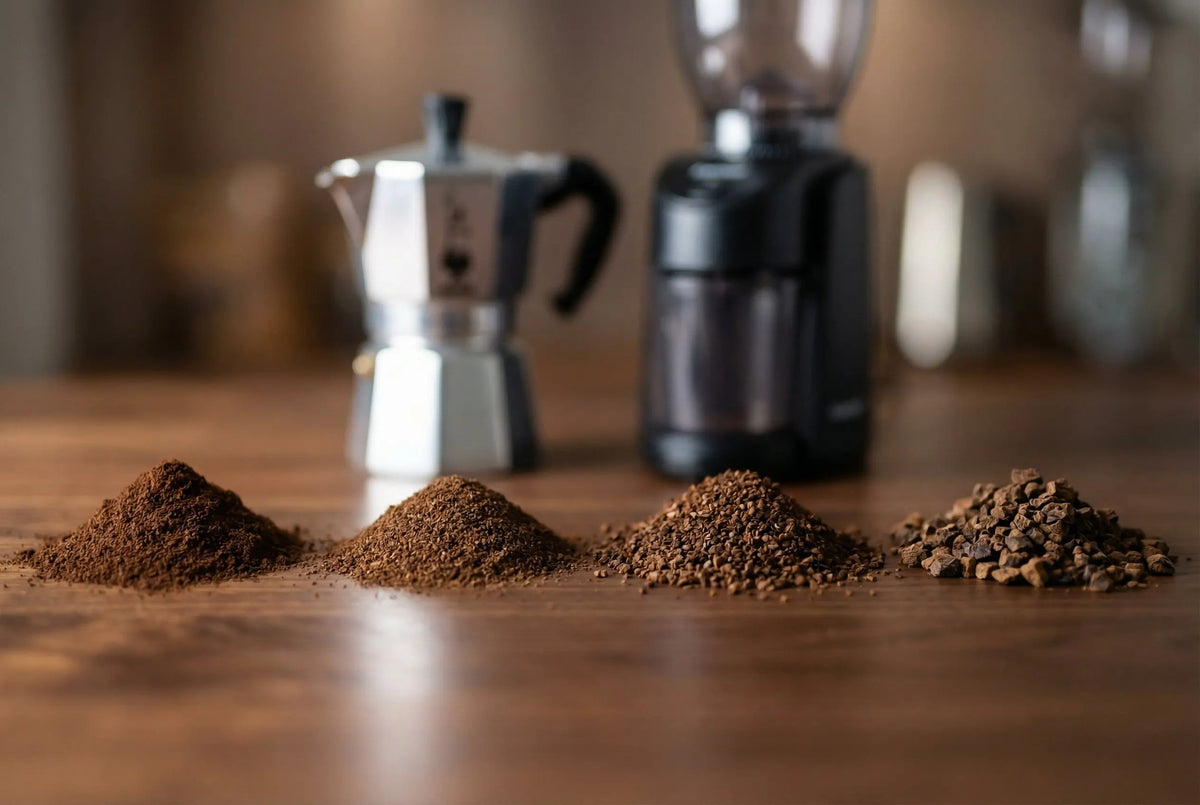
The grounds should look finer than drip coffee but not as fine as espresso. Aim for a texture close to fine sand. The exact time depends on your grinder, bean amount, motor speed, and the coffee beans themselves.
The Best Grind Size for a Moka Pot
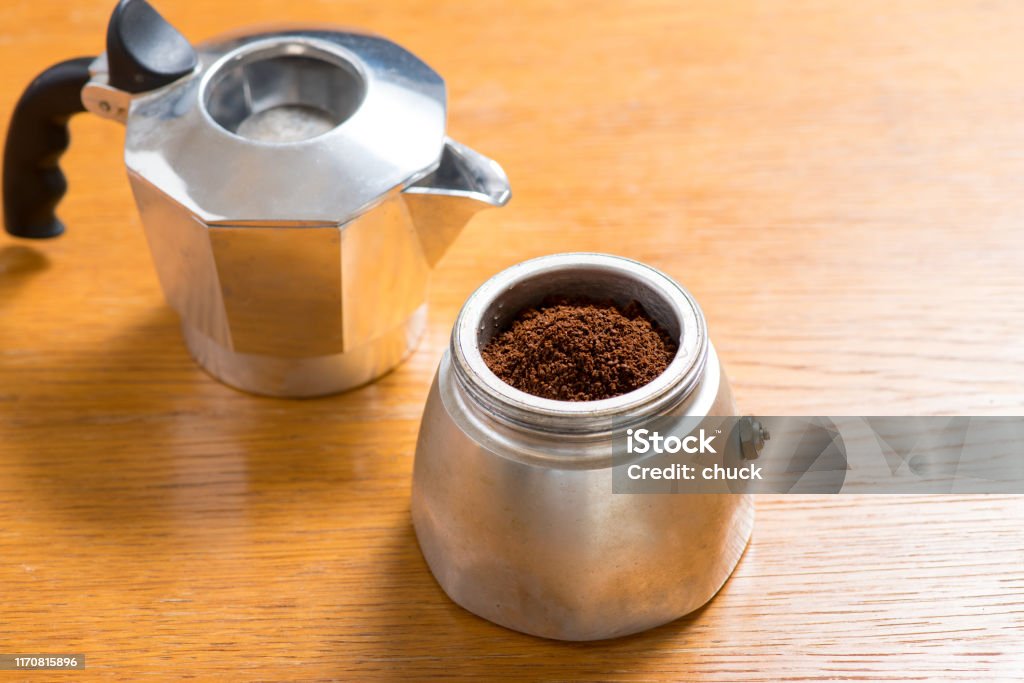
A moka pot works best with coffee that is medium-fine, not espresso-fine. The right grind lets hot water pass through the coffee at a steady rate.
Use this simple comparison:
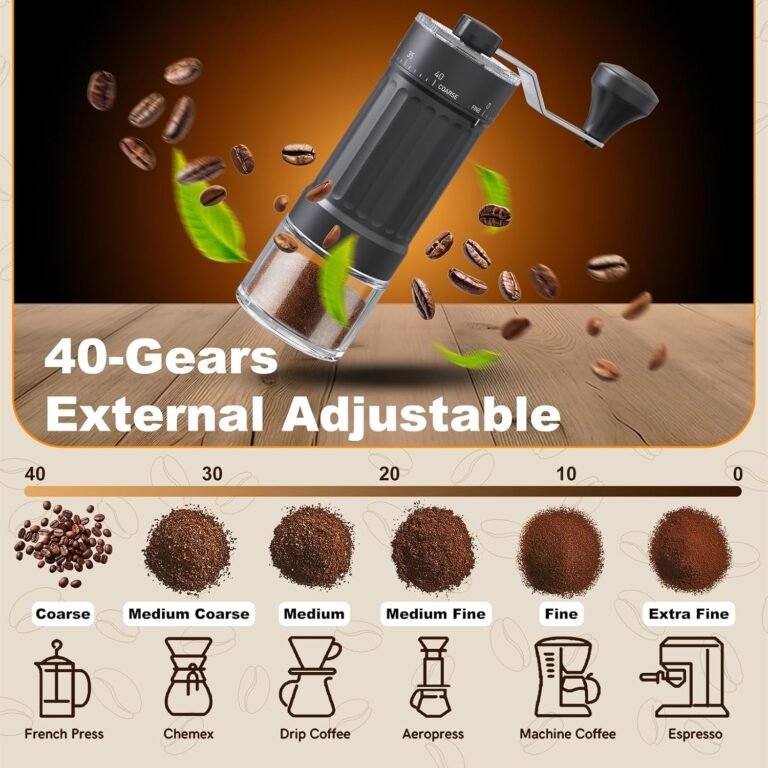
| Brewing method | Typical grind size |
|---|---|
| French press | Coarse |
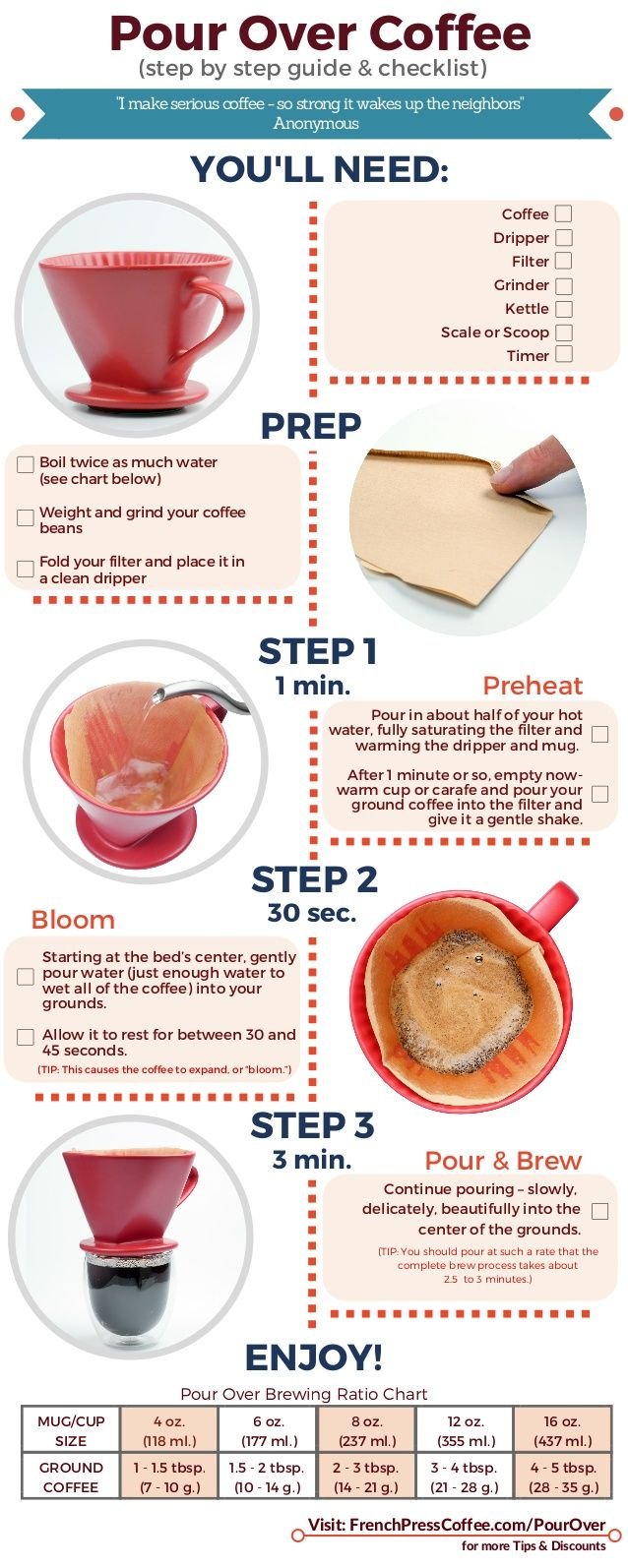
| Pour-over | Medium to medium-fine |
| Drip coffee maker | Medium |
| Moka pot | Medium-fine |
| Espresso machine | Fine |
Moka pot coffee needs more resistance than drip coffee. However, it does not need the very fine powder used for espresso.
If the grounds are too coarse, water moves through them too quickly. The coffee may taste weak, thin, or sour. If the grounds are too fine, water may struggle to pass through. The result can taste bitter, harsh, or burnt.
The best moka pot grind is usually:
- Finer than standard drip coffee
- Coarser than espresso
- Even in size
- Loose and powder-free
- Easy to level without pressing
A burr grinder usually gives better results because it creates more even particles. A blade grinder can work, but it often produces a mix of large pieces and fine dust.

How Long Should You Grind Coffee Beans?
Grinding time is only a starting point. Grinder design has a larger effect than the clock.
Blade grinder timing
For a blade grinder, try this method:
- Add the amount of beans needed for your moka pot.
- Grind for 2 to 3 seconds.
- Stop and shake the grinder gently.
- Repeat until the grounds look like fine sand.
- Check the grounds before brewing.
For most small batches, the total grinding time will be about 10 to 15 seconds. Some grinders may need 20 seconds or more.
Do not run a blade grinder continuously for a long time. Short pulses help reduce heat and create a more even grind.
Electric burr grinder timing
With an electric burr grinder, set the grind first. Use a medium-fine setting, then grind the correct dose.
A typical electric burr grinder may take 15 to 25 seconds for a small moka pot dose. The number can vary widely. Some models grind much faster, while others use a slower motor.
A timer is useful for repeatability, but it does not define the correct grind. For example, 18 seconds on one grinder may produce a coarse grind, while 18 seconds on another may produce a very fine grind.
Hand grinder timing
A hand grinder is better measured by grind setting or crank turns than by seconds. Start at a medium-fine setting, then adjust based on taste and brewing speed.
The number of turns depends on:
- Grinder burr size
- Gear ratio
- Bean dose
- Bean density
– Grind setting - Your turning speed
For this reason, there is no reliable universal hand-grinder time.
A practical starting guide
| Grinder type | Starting point | What to check |
|---|---|---|
| Blade grinder | 10–15 seconds in pulses | Fine sand-like texture |
| Electric burr grinder | 15–25 seconds | Medium-fine setting |
| Hand grinder | Use the medium-fine setting | Even, fine particles |
| Pre-ground coffee | No grinding needed | Confirm it is not espresso-fine |
These times are estimates, not fixed rules. The final grind should guide you more than the timer.
How Much Coffee Should You Grind?
Grind enough coffee to fill the moka pot’s filter basket. Do not use the grind time to measure the dose.
Moka pots are made in different sizes. A 1-cup model may use around 6 to 7 grams of coffee, while a 3-cup model may use about 15 to 18 grams. A 6-cup model often uses about 25 to 30 grams.
The exact dose depends on the basket design. The simplest method is to fill the basket with coffee until it is level with the rim.
Use these steps:
- Fill the lower chamber with water.
- Stop at or just below the safety valve.
- Fill the filter basket with ground coffee.
- Level the coffee with your finger or a straight edge.
- Do not tamp the grounds.
- Brush loose grounds from the basket rim.
- Assemble the moka pot firmly.
Moka pot baskets are designed for a set amount of coffee. Trying to use much less coffee can change the flow and make the brew uneven.
Do not press the coffee down like espresso. Tamping increases resistance and may slow the flow too much. It can also make the moka pot harder to brew safely.
A kitchen scale can help you repeat the same recipe. If you do not have one, fill the basket evenly and use the same bean level each time.

How to Grind Coffee Beans for a Moka Pot
Follow this process for a consistent starting recipe.
1. Choose fresh coffee beans
Use beans that still have a pleasant aroma. Very old beans may produce flat coffee, even with a good grind.
Medium and medium-dark roasts are common choices for moka pots. Dark roasts can taste bold and rich, but a very dark roast may become bitter because moka pot coffee is already intense.
2. Measure the beans
Measure the dose for your moka pot before grinding. Use the filter basket as your guide if you do not know the correct weight.
Grinding the beans after measuring helps you avoid waste. It also makes the recipe easier to repeat.
3. Set the grinder
Start with a medium-fine setting. The grounds should be smaller than drip coffee grounds.
Avoid an espresso setting at first. Espresso-fine coffee can restrict the flow and create a harsh taste.
4. Grind in short pulses if using a blade grinder
Pulse the grinder for 2 to 3 seconds at a time. Shake it between pulses.
This helps move the beans around the blade. It also reduces the chance of creating a large amount of fine powder in one area.
5. Inspect the coffee
Look for a fairly even texture. A few larger pieces are normal with a blade grinder, but the coffee should not contain many whole fragments.
The grounds should not look like flour. If they clump into a fine powder, the grind may be too fine.
6. Fill and level the basket
Add all the coffee to the filter basket. Level it gently.
Do not press it down. The coffee should remain loose enough for water to pass through.
7. Brew with controlled heat
Use water in the lower chamber up to the safety valve. Place the moka pot on the stove over low to medium heat.
Remove it from the heat when the coffee stream becomes pale or starts to sputter. Cooling the base under a little tap water can help stop extraction, but avoid wetting the handle or hot upper parts if the manufacturer warns against it.

How to Tell if the Grind Is Correct
Taste and flow provide the best clues.
If the coffee tastes weak or sour
The grind may be too coarse. Water may be moving through the grounds too quickly.
Try one small adjustment:
- Grind slightly finer.
- Use a steadier, lower heat.
- Check that the basket is filled evenly.
- Confirm that the coffee is fresh.
Do not make several changes at once. A small grind adjustment makes it easier to learn what helped.
If the coffee tastes bitter or burnt
The grind may be too fine, or the coffee may be exposed to too much heat.
Try:
- Grinding slightly coarser
- Lowering the stove heat
- Removing the pot before it sputters heavily
- Using a lighter roast
- Avoiding dark, oily beans if they taste harsh
Bitterness does not always mean the grind is too fine. Excess heat and over-extraction can cause a similar taste.
If the moka pot sputters early
A little sputtering at the end is common. Heavy sputtering from the start may point to a problem.
Check these items:
- The coffee may be too fine.
- The grounds may be tamped.
- The filter basket may be overfilled.
- The gasket or filter may need cleaning.
- The safety valve may be blocked.
- The heat may be too high.
Turn off the heat if the pot behaves unusually. Let it cool before opening or inspecting it.
If the coffee takes too long
The grind may be too fine, or the coffee may be packed too tightly. A blocked filter or dirty valve can also slow the flow.
Clean the moka pot, use a slightly coarser grind, and avoid tamping. Never force open a hot moka pot.

Moka Pot Grind Time by Grinder Type
Different grinders need different methods. Use this table as a quick guide.
| Grinder | Main issue | Best approach |
|---|---|---|
| Blade grinder | Uneven particles | Pulse, shake, and inspect |
| Entry-level burr grinder | Limited settings | Choose medium-fine and adjust by taste |
| High-end burr grinder | Fast and even grinding | Use the setting and dose, not a fixed time |
| Hand grinder | Slower workflow | Record the setting and number of turns |
| Store-bought pre-ground coffee | Unknown freshness or size | Choose coffee labeled for moka pot or stovetop |
A blade grinder can produce good moka pot coffee with care. The key is not to chase an exact number of seconds. Pulse until the grounds reach the right texture.
A burr grinder offers more control. If the coffee tastes sour, move one or two steps finer. If it tastes bitter or the pot struggles to flow, move one or two steps coarser.
Write down your grind setting, dose, heat level, and result. This turns trial and error into a simple process.

Common Mistakes When Grinding for a Moka Pot
Using espresso-fine coffee
Espresso coffee is often finer than moka pot coffee needs. It can slow the flow and make the brew taste sharp or burnt.
Use a grind that is visibly coarser than espresso powder.
Using regular drip grind
Standard drip coffee may be too coarse for some moka pots. The result can taste weak or watery.
Move a little finer than your usual drip setting.
Measuring by time alone
Two grinders can take the same amount of time and produce different results. Bean size and motor speed also affect the dose.
Measure beans by weight or fill the basket consistently.
Tamping the basket
Moka pot coffee should be leveled, not compressed. Tamping can restrict water flow.
If the basket is full, remove extra coffee rather than pressing the grounds down.
Using too much heat
High heat does not make moka pot coffee better. It can cause bitter flavors and sudden sputtering.
Low to medium heat usually gives you more control.
Letting the pot sputter for too long
A loud, bubbling stream often means the water is nearly gone. Continued heating can create harsh flavors.
Remove the pot when the coffee turns pale or the flow becomes uneven.
Ignoring cleaning
Old coffee oils can create bitter or stale flavors. Rinse the pot after each use and dry the parts fully.
Follow the manufacturer’s instructions for the gasket, filter, and safety valve. Do not use abrasive tools that may damage the aluminum or finish.

The Best Starting Recipe
Use this simple recipe for your first brew:
- Coffee: Fresh beans
- Grind: Medium-fine
- Dose: Fill the filter basket level
- Water: Fill to just below the safety valve
- Heat: Low to medium
- Grinding time: About 10 to 15 seconds for a blade grinder, or use the medium-fine setting on a burr grinder
- Tamping: None
- Stopping point: Remove from heat when the stream turns pale or begins to sputter
Taste the coffee after it cools for a minute. If it is weak, grind slightly finer. If it is bitter or harsh, grind slightly coarser or lower the heat.
Change only one variable at a time. This makes it easier to find the setting that suits your beans and moka pot.

Key takeaways
- Start with a medium-fine grind.
- Use 10 to 15 seconds of pulses with a blade grinder.
- Use the grinder setting, not time alone, with a burr grinder.
- Fill the basket level and never tamp it.
- Grind finer for weak coffee and coarser for bitter, slow coffee.
- Use low to medium heat and stop before heavy sputtering.
Frequently Asked Questions
Is moka pot coffee ground finer than drip coffee?
Usually, yes. Moka pot coffee is commonly ground medium-fine. It should be finer than drip coffee but coarser than espresso.
Can I use pre-ground coffee in a moka pot?
Yes. Choose coffee labeled for moka pot or stovetop use. If the coffee is made for espresso, check that it is not extremely fine.
How many seconds should I grind coffee in a blade grinder?
Start with 10 to 15 seconds total, using short pulses. Stop sooner if the grounds already look like fine sand. The correct texture matters more than the exact time.
Why does my moka pot coffee taste bitter?
Possible causes include a grind that is too fine, high heat, very dark beans, over-brewing, or leaving the pot on the stove too long. Try a slightly coarser grind and lower heat first.
Can I tamp coffee in a moka pot?
No. Level the grounds without pressing them. Tamping can restrict water flow and may create an overly strong or harsh brew.
Final Answer
For a moka pot, grind coffee beans for about 10 to 15 seconds in short pulses with a blade grinder. With a burr grinder, begin with a medium-fine setting and use the time needed to grind your dose, often around 15 to 25 seconds.
Treat these numbers as starting points. The best result comes from matching the grind to the coffee flow and taste. Aim for fine sand, fill the basket level, avoid tamping, and adjust one step at a time.