
Cold brew often has more caffeine than iced coffee, but serving size, coffee ratio, and dilution decide the final amount.
Does cold brew have more caffeine than iced coffee? The honest answer is: often, but not always. Cold brew is usually made with more coffee and served as a strong concentrate, while iced coffee is hot brewed and then cooled over ice. That difference can make cold brew feel stronger, yet the cup size and recipe matter just as much.
This guide explains the caffeine in cold brew and iced coffee, how brewing changes caffeine levels, and how to choose the right drink for your needs. It also includes practical tips, research-based limits, and simple ways to enjoy coffee without an unwanted energy crash.

Does Cold Brew Have More Caffeine Than Iced Coffee?
In many cases, cold brew has more caffeine than iced coffee. This is mainly because cold brew recipes often use a higher coffee-to-water ratio. Many cafés also serve cold brew in larger cups or use a concentrated batch that is diluted only slightly.
Iced coffee is usually made by brewing hot coffee and pouring it over ice. The coffee may taste bold, but the ice melts and adds water. A typical iced coffee can contain about 80 to 150 milligrams of caffeine, depending on its size and recipe.
Cold brew can contain about 100 to Pinterest? 200 milligrams or more in a similar serving. Some large cold brew drinks can go well above 200 milligrams. Still, these numbers are estimates. There is no single caffeine level for either drink.
The main factors include:
- The amount of ground coffee used
- The type and roast of the beans
- The brewing time
- The serving size
- The amount of water or milk added
- Whether the drink uses cold brew concentrate
So, does cold brew have more caffeine than iced coffee? Usually, yes, but a small iced coffee may contain less caffeine than a large cold brew, while a strong iced coffee may contain more.

What Is Cold Brew Coffee?
Cold brew coffee is made by steeping coarse coffee grounds in cool or room-temperature water. The process often takes 12 to 24 hours. After steeping, the grounds are filtered out, leaving a smooth coffee drink or a strong concentrate.
Cold water extracts coffee compounds more slowly than hot water. This creates a different flavor. Cold brew often tastes smooth, rich, and less sharp than hot brewed coffee. It may also seem less bitter, even when it contains a lot of caffeine.
Many cafés make cold brew concentrate first. They then mix it with water, milk, or ice before serving. If the concentrate is diluted less, the final drink will contain more caffeine per ounce.
A common cold brew recipe uses a ratio of 1 part coffee to 4 or 5 parts water for concentrate. A ready-to-drink version may use more water. This is why two cold brew drinks can taste and affect you very differently.
Cold brew is not automatically stronger because it is cold. Its caffeine content comes from the amount of coffee extracted and served in the cup.

What Is Iced Coffee?
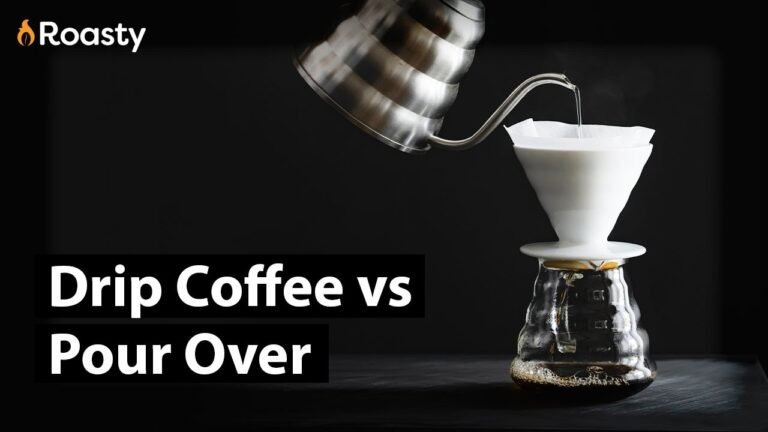
Iced coffee is regular hot brewed coffee that is chilled and served over ice. A café may brew it with a drip machine, pour-over method, or commercial coffee brewer. Some shops brew a stronger batch so the melting ice does not weaken the taste.
Iced coffee is different from cold brew because heat is used during brewing. Hot water extracts coffee compounds quickly. The finished coffee is then cooled with ice or refrigeration.
A basic iced coffee may include:
- Hot brewed coffee
- Ice
- Milk or cream
- Sweetener or flavored syrup
The ice does not remove caffeine. It only adds water as it melts. However, if a drink contains a lot of ice, the same amount of coffee may be spread across a larger volume.
For example, eight ounces of brewed coffee may contain around 80 to 120 milligrams of caffeine. Once poured over a full cup of ice, the drink may taste lighter, but the total caffeine remains close to the amount in the original coffee.

Why Cold Brew Can Have More Caffeine
The biggest reason cold brew can have more caffeine is the brewing formula. Cold brew often starts with more coffee grounds than a standard cup of hot brewed coffee.
A café may use a concentrated cold brew base. One part concentrate may be combined with one part water or milk. If the drink is large, you may receive several ounces of concentrate in one serving.
Cold brew also tends to be served in 16-ounce or larger cups. A larger cup does not always mean more caffeine, but it often means more coffee concentrate. This can increase the total amount of caffeine.
Here are the most important reasons cold brew may be stronger:
- A higher coffee-to-water ratio
- A larger serving size
- Less dilution
- A strong concentrate
- Extra shots added to the drink
Cold brew extraction is sometimes described as more caffeinated because it steeps for a long time. Time does matter, but it is only one part of the picture. The coffee-to-water ratio and final dilution usually have a greater effect on the caffeine in your cup.

Why Iced Coffee Can Still Have High Caffeine
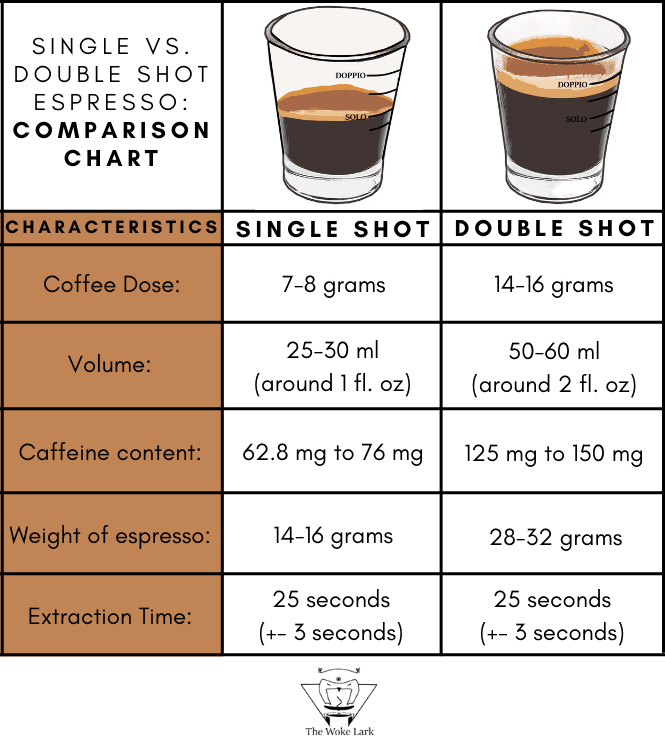
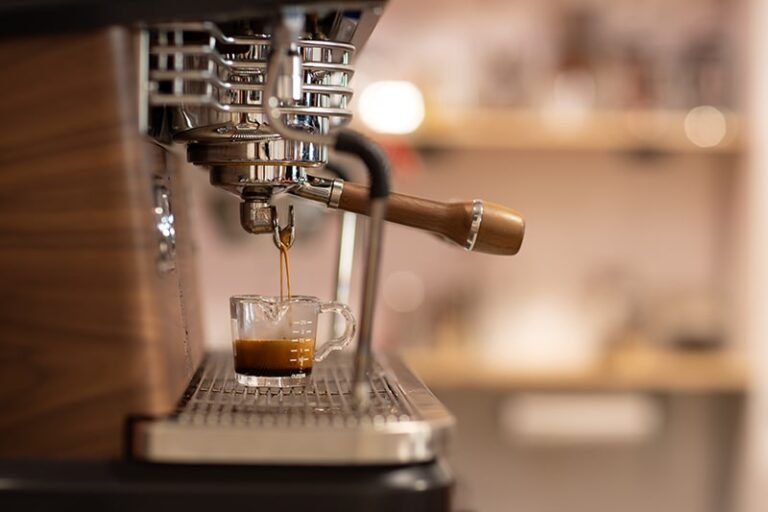
Iced coffee is not always low in caffeine. A large iced coffee made with a strong hot brew can contain a significant amount. Some coffee shops also add espresso shots to iced coffee drinks, which can raise the caffeine level quickly.
A 16-ounce iced coffee may use more than one standard serving of brewed coffee. If the drink includes two espresso shots, it may contain another 120 to 150 milligrams of caffeine, depending on the coffee and shot size.
Dark roast and light roast coffee can also affect your expectations. Light roast beans often contain slightly more caffeine by weight because they are denser. Dark roast beans may taste stronger, but a bold flavor does not always mean more caffeine.
This is an important lesson: taste is not a reliable caffeine guide. A smooth cold brew may be highly caffeinated, while a bitter iced coffee may have less caffeine.

Cold Brew vs. Iced Coffee: Caffeine Comparison
The following ranges can help you compare common servings. These are general estimates, not guaranteed values.
| Drink | Common serving size | Approximate caffeine |
|---|---|---|
| Iced coffee | 12 ounces | 100 to 150 milligrams |
| Iced coffee | 16 ounces | 120 to 200 milligrams |
| Cold brew | 12 ounces | 120 to 200 milligrams |
| Cold brew | 16 ounces | 150 to 250 milligrams |
| Cold brew concentrate | 8 ounces | 200 milligrams or more |
| Iced coffee with espresso | 16 ounces | 180 to 300 milligrams |
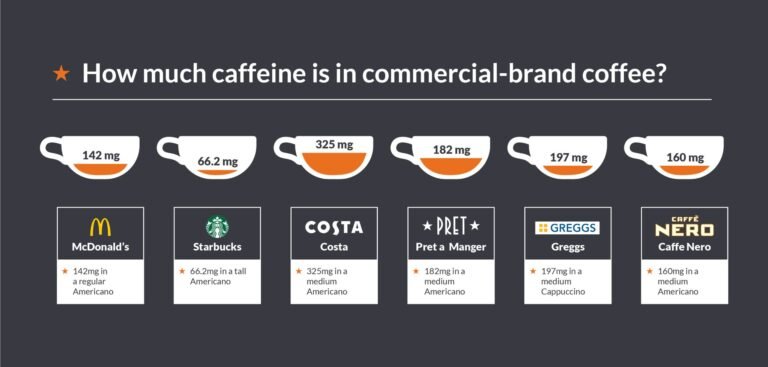
Brand recipes vary widely. A bottled cold brew may have less caffeine than a café drink. A coffee shop may use a strong concentrate, while another shop may serve a lighter batch.
The best way to know the amount is to check the nutrition label or ask the café. If no information is available, assume that a large cold brew may have more caffeine than a similar iced coffee.
Does Brewing Temperature Change Caffeine?
Brewing temperature affects how quickly caffeine moves from coffee grounds into water. Hot water extracts caffeine efficiently and quickly. Cold water extracts it more slowly, which is why cold brew needs many hours of steeping.
Cold brewing does not prevent caffeine extraction. Given enough time, cold water can pull a large amount of caffeine from the grounds. A strong cold brew concentrate may therefore contain a high caffeine level.
The idea that cold brew always has more caffeine because it brews longer is too simple. Brewing time matters, but the recipe matters more. A weak cold brew may contain less caffeine than a strong iced coffee.
Think of caffeine like salt in soup. A long cooking time can help the flavor develop, but the total salt also depends on how much salt you add. Coffee works in a similar way: the starting amount and final dilution shape the result.

Which Drink Gives Longer-Lasting Energy?
Both cold brew and iced coffee can provide similar effects because both contain caffeine. The difference often comes from the total dose, not the drink temperature.
A higher-caffeine cold brew may feel stronger and last longer. It may also cause shakiness, a fast heartbeat, or trouble sleeping if you drink it late in the day. A lower-caffeine iced coffee may offer a gentler lift.
Caffeine usually reaches its highest blood level within about 30 to 60 minutes after drinking. Its effects can remain for several hours. The exact timing depends on your body, food intake, sleep, medication, and caffeine habits.
In my own coffee comparisons, the biggest mistake was judging strength by flavor. A smooth cold brew felt easy to drink, so it was tempting to finish it quickly. The result was more caffeine than expected. Drinking it slowly and choosing a smaller size made a clear difference.

Health Considerations and Daily Caffeine Limits
For most healthy adults, up to 400 milligrams of caffeine per day is generally considered a moderate upper limit. This amount is not a goal, and some people need much less.
Caffeine affects people in different ways. You may be more sensitive if you rarely drink coffee, have certain health conditions, take specific medicines, or consume caffeine late in the day.
Too much caffeine may cause:
- Restlessness
- Anxiety
- Shaking
- Headaches
- Stomach upset
- A fast heartbeat
- Poor sleep
- An energy crash
Pregnant people are often advised to limit caffeine to about 200 milligrams per day. Children and teenagers should also avoid high-caffeine drinks. If you have heart concerns, anxiety, pregnancy-related questions, or medication concerns, speak with a qualified health professional.
Remember to count all caffeine sources. Tea, soda, energy drinks, chocolate, pre-workout products, and some medicines can add to your daily total.
How to Order Lower-Caffeine Cold Brew or Iced Coffee
You do not have to give up cold coffee if you want less caffeine. Small changes can reduce the dose while keeping the drink enjoyable.
Try these simple options:
- Choose a small size.
- Ask for extra water or milk.
- Request half regular cold brew and half decaf coffee.
- Skip added espresso shots.
- Choose a bottled drink with a listed caffeine amount.
- Drink the coffee with food.
- Avoid refilling your cup without checking the total caffeine.
- Stop drinking caffeine at least six to eight hours before bed if sleep is affected.
You can also make a lighter cold brew at home. Use less concentrate and add more water or milk. Store the rest in the refrigerator and label the container so you know whether it is concentrate or ready-to-drink coffee.
One useful habit is to start with half a serving. You can always add more later, but you cannot remove caffeine once it is in the cup.
How to Make Cold Brew and Iced Coffee at Home
Simple cold brew method
Use coarse coffee grounds and cold, filtered water. A practical starting ratio is 1 part coffee to 8 parts water for ready-to-drink cold brew.
- Add the coffee grounds and water to a clean jar.
- Stir gently until all grounds are wet.
- Cover and steep in the refrigerator for 12 to 18 hours.
- Strain through a coffee filter.
- Serve over ice with water, milk, or both.
For concentrate, use more coffee and dilute it before drinking. Keep the concentrate refrigerated and use it within about one week for the best taste.
Simple iced coffee method
Brew hot coffee at normal strength. Let it cool for a few minutes, then pour it over a glass filled with ice. You can also brew coffee directly over ice, using less water during brewing to account for melting ice.
For better flavor, use coffee that was brewed recently. Old coffee can taste flat or stale, even when it contains the same caffeine.
At home, measuring your coffee grounds and water gives you more control than ordering a large drink with an unknown recipe. It also makes it easier to repeat the caffeine level that works for you.
Common Mistakes When Comparing Cold Brew and Iced Coffee
Many caffeine comparisons fail because they compare different serving sizes. A 12-ounce iced coffee and a 24-ounce cold brew are not equal tests.
Other common mistakes include:
- Assuming smooth flavor means low caffeine
- Treating all cold brew recipes as the same
- Ignoring espresso shots
- Forgetting caffeine from other drinks
- Confusing coffee concentrate with ready-to-drink coffee
- Assuming dark roast always has more caffeine
- Drinking quickly because cold coffee feels refreshing
Another mistake is relying on color. A light-colored iced coffee with milk may contain more caffeine than a dark black coffee. Color, bitterness, and sweetness do not show the true caffeine content.
When comparing drinks, check the same four details: serving size, coffee amount, concentrate ratio, and added espresso. These details give a much clearer answer to “Does cold brew have more caffeine than iced coffee?”
Frequently Asked Questions About Does Cold Brew Have More Caffeine Than Iced Coffee
Does cold brew have more caffeine than iced coffee every time?
No. Cold brew often has more caffeine, but the recipe and serving size decide the final amount. A strong iced coffee or iced coffee with espresso can contain more caffeine than a weak cold brew.
Is cold brew stronger than iced coffee?
Cold brew often tastes smoother and may be more concentrated, but taste does not prove caffeine strength. The amount of coffee used and the final dilution are better measures.
How much caffeine is in a cup of cold brew?
A 12-ounce cold brew may contain about 120 to 200 milligrams of caffeine. Some concentrates and large café servings contain much more, so check the label or ask the café when possible.
How much caffeine is in iced coffee?
A 12-ounce iced coffee often contains about 100 to 150 milligrams of caffeine. Large servings or drinks with added espresso can reach 200 milligrams or more.
Is cold brew better for you than iced coffee?
Neither drink is automatically healthier. Plain versions of both can fit into a balanced diet, but sugar, cream, syrups, and very high caffeine levels can change the nutritional impact.
Can I drink cold brew every day?
Many adults can enjoy cold brew daily if they stay within a caffeine amount that suits their body. Pay attention to sleep, anxiety, heart symptoms, and total caffeine from all sources.
Conclusion
So, does cold brew have more caffeine than iced coffee? In many cases, yes. Cold brew often uses more coffee, comes in larger servings, and may contain a concentrated base. However, iced coffee can also be highly caffeinated, especially when it is large or includes espresso.
The smartest choice is to compare serving size, coffee ratio, dilution, and added shots rather than judging by taste. Start with a smaller drink, track how your body responds, and choose a lower-caffeine option when needed. Explore your café’s nutrition information, try a measured recipe at home, and share your favorite cold coffee choice in the comments.

One Comment