
Introduction
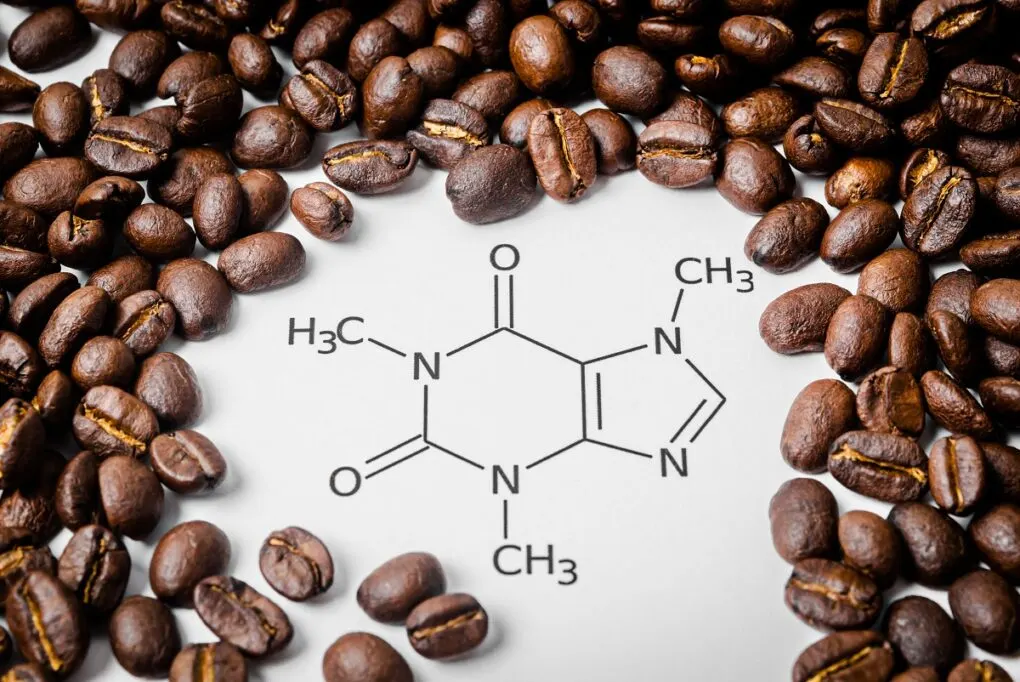
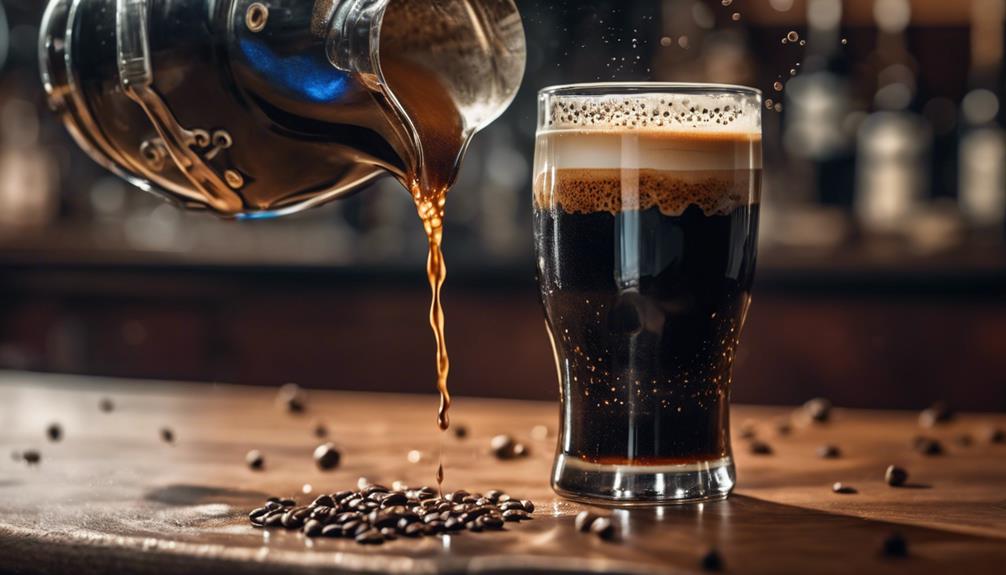
Yes, coffee stouts can contain caffeine, but the amount varies widely and is usually much lower than a regular cup of coffee. Caffeine remains in the beer when brewers add roasted coffee beans, cold brew, espresso, coffee extract, or other coffee ingredients during production.
For people in the United States, the practical answer depends on the specific beer, serving size, coffee method, and how much coffee the brewer used. A 12-ounce coffee stout might contain a small amount of caffeine, but there is no universal caffeine level for the style. Unless the brewery provides laboratory results or a precise ingredient calculation, the exact amount is difficult to know.
Coffee stout also contains alcohol, so it should not be treated as a substitute for coffee or as a reliable source of energy. Alcohol can make you feel drowsy even when caffeine is present.

How Much Caffeine Is in a Coffee Stout?
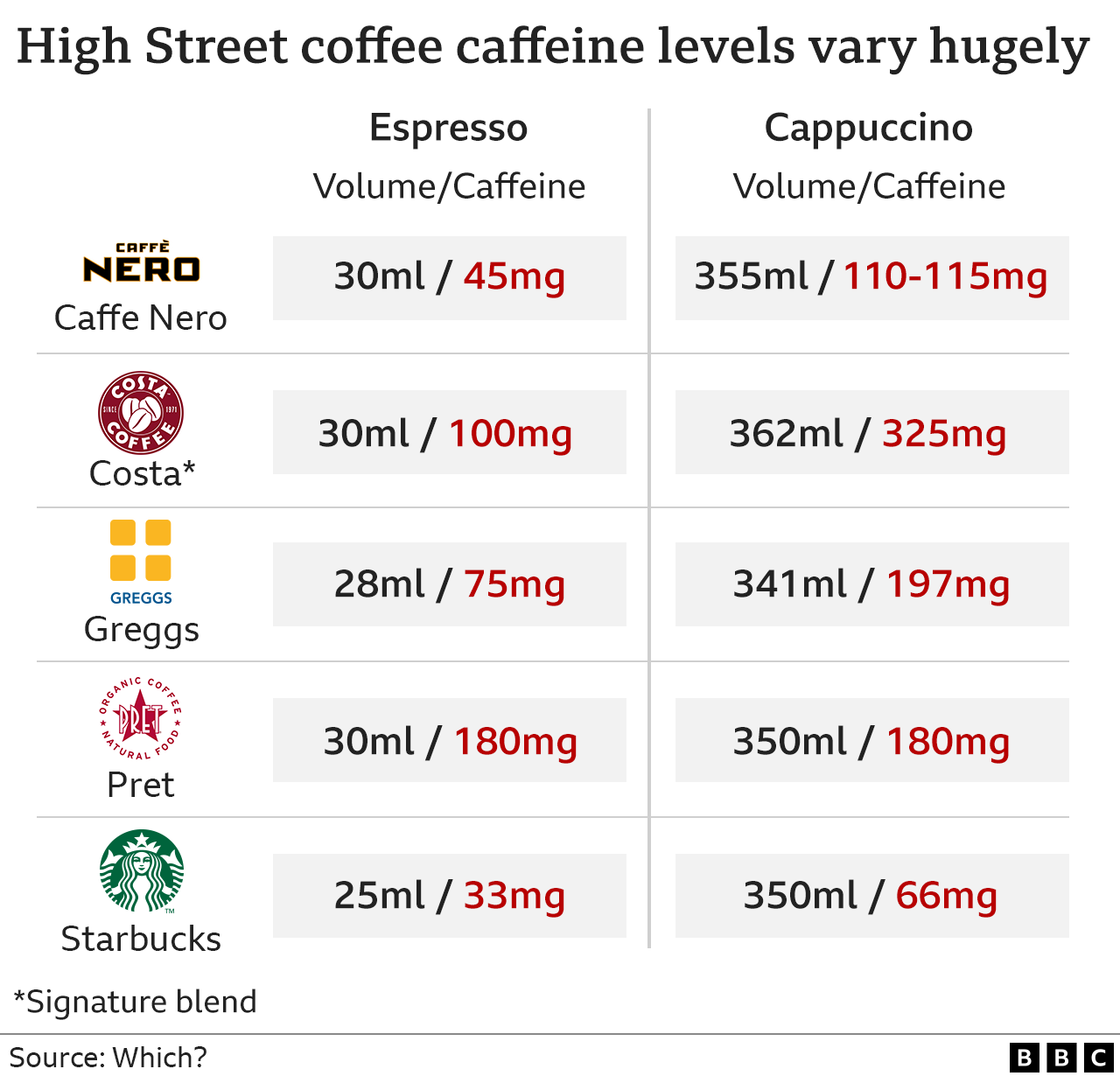
A coffee stout may contain anywhere from a negligible amount to several dozen milligrams of caffeine per serving. In some heavily coffee-infused beers, the amount could be higher, but most breweries do not publish caffeine measurements on the label.
A reasonable way to think about the range is:
| Beverage or serving | Approximate caffeine context |
|---|---|
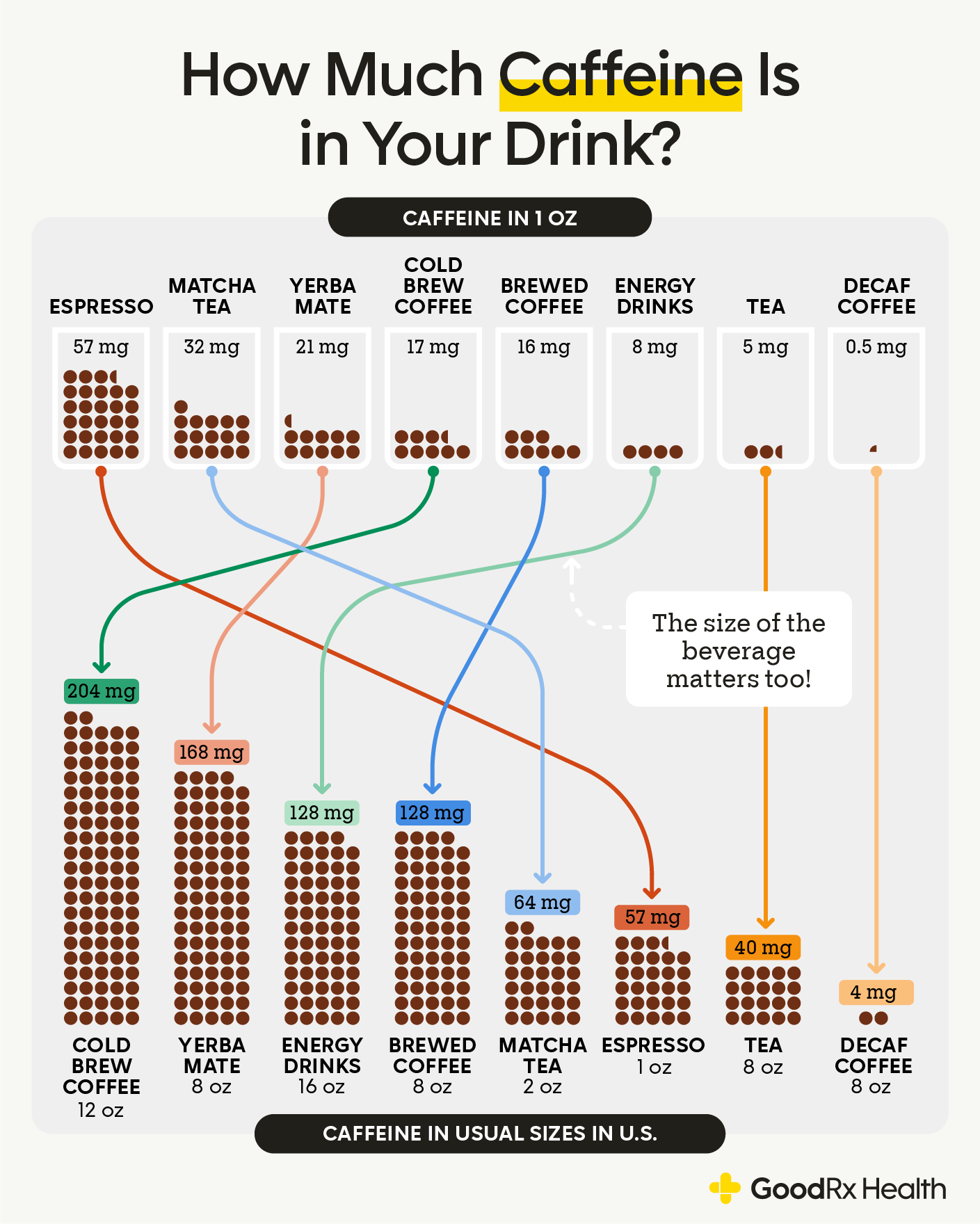
| 12-ounce regular coffee | Often about 100–200 mg, depending on preparation |
| 8-ounce brewed coffee | Commonly around 80–100 mg, but highly variable |
| 12-ounce coffee stout | Often likely below a regular coffee, but no standard amount exists |
| 12-ounce non-coffee stout | Usually little to no intentional caffeine |
| Decaffeinated coffee stout | May still contain trace caffeine |
These comparisons are estimates, not guaranteed values. Coffee type, roast, grind, extraction time, concentration, and serving size all affect caffeine. The beer’s recipe adds another layer of variation.
Why there is no standard caffeine amount
Beer styles are defined by characteristics such as flavor, color, alcohol content, bitterness, and ingredients—not by a fixed caffeine level. A coffee stout could be made with:
- A small amount of coffee added during fermentation
- Cold brew concentrate
- Espresso
- Whole coffee beans
- Ground coffee
- Coffee extract or natural flavor
- Decaffeinated coffee
- A blend of several coffee products
Two beers labeled “coffee stout” may therefore have very different caffeine levels.
A practical hypothetical calculation
Suppose a brewer uses coffee containing an estimated 800 mg of caffeine in a 5-gallon batch. If all of that caffeine transferred into the beer, a 12-ounce serving would contain approximately:
- 5 gallons = 640 fluid ounces
- 640 ÷ 12 = about 53 servings
- 800 mg ÷ 53 = about 15 mg per serving
This is only a hypothetical calculation. It assumes the coffee’s caffeine content is known and that all caffeine enters the beer evenly. Actual transfer and distribution may differ.
The calculation illustrates why a coffee stout can taste strongly like coffee without containing as much caffeine as a typical cup of brewed coffee.
Why Coffee Stouts Contain Caffeine
Coffee stouts contain caffeine because coffee naturally contains caffeine, and some of that caffeine can dissolve into the beer during brewing or aging.
Coffee added to the beer
brewers may add coffee at different stages:
- During fermentation
- After fermentation
- In a conditioning tank
- During barrel aging
- As a coffee concentrate or extract before packaging
The timing affects flavor and may affect how much coffee compounds transfer into the beer. However, a label alone usually does not reveal the final caffeine concentration.
Coffee beans still contain caffeine after roasting
Roasting changes coffee’s aroma, color, acidity, and flavor, but it does not eliminate caffeine. Dark-roasted coffee is not automatically caffeine-free. In some comparisons, lighter-roasted coffee may contain slightly more caffeine by volume or mass, but the final amount depends more heavily on the quantity and preparation method.
That means a dark, chocolate-like coffee stout can still contain caffeine if it was made with caffeinated coffee.
Alcohol does not cancel out caffeine
Caffeine remains chemically present when combined with alcohol. The alcohol in a stout does not neutralize it, and the caffeine does not remove the alcohol.
This combination can be misleading. Caffeine may make someone feel more alert, while alcohol continues to impair judgment, coordination, and reaction time. The Centers for Disease Control and Prevention warns that caffeine does not reduce alcohol’s effects on the body, even if a person feels less tired.
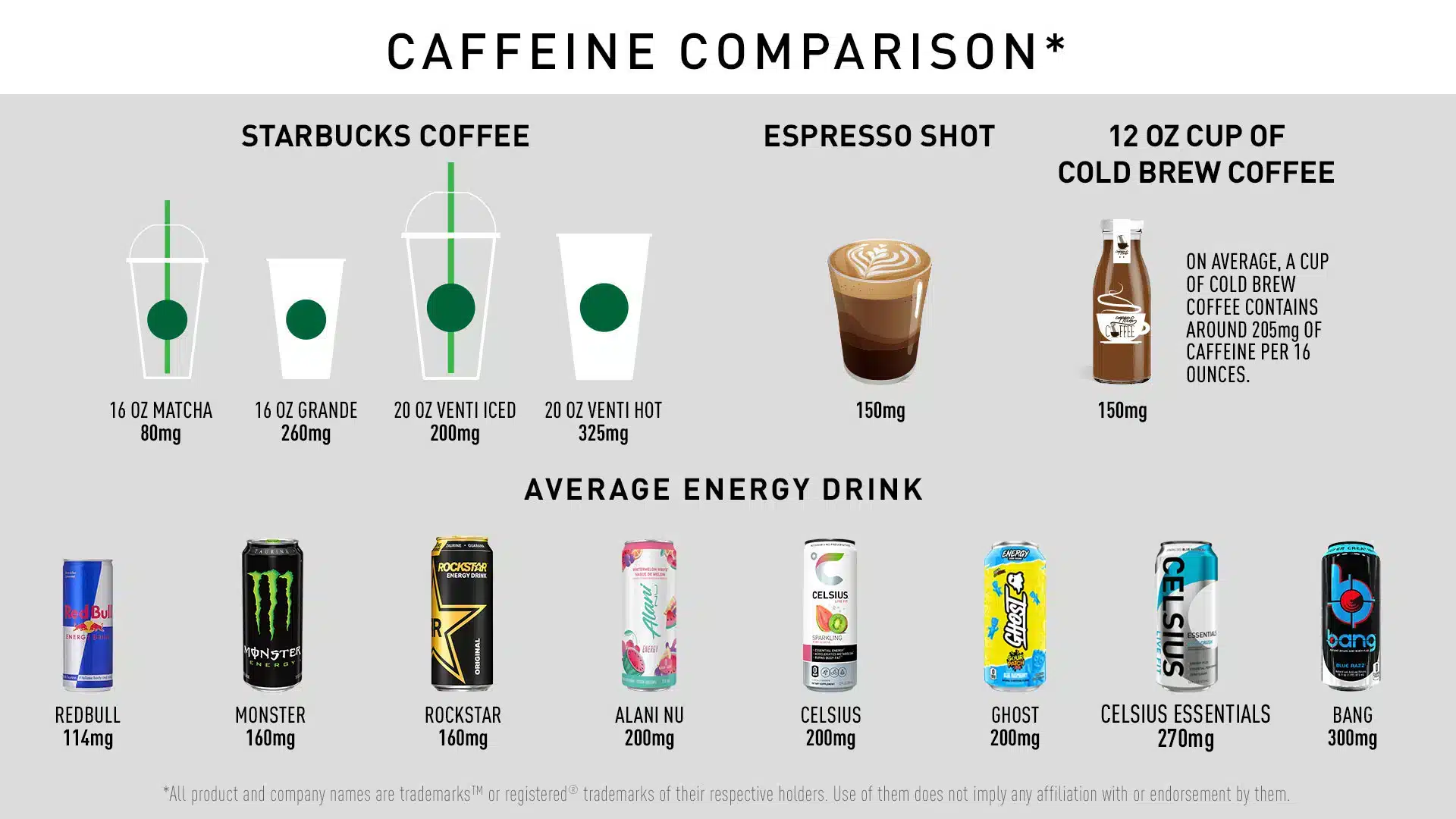
What Affects the Caffeine Content of a Coffee Stout?
The most important factors are the coffee ingredient, the amount used, the extraction method, the beer volume, and the brewer’s recipe.
1. Type of coffee ingredient
Caffeinated cold brew, espresso, whole beans, and coffee extracts can contribute different amounts of caffeine. A beer made with a concentrated extract may contain more caffeine than one flavored with a small quantity of beans.
“Coffee flavor” does not always mean the same thing as brewed coffee. Some products use natural coffee flavoring, which may contain little caffeine, while others use actual coffee.
2. Quantity of coffee used
More coffee does not always produce a directly proportional increase in caffeine because extraction efficiency can vary. Nevertheless, a stout made with a large coffee dose will generally have more potential caffeine than one made with a small dose.
Breweries may keep the exact coffee quantity confidential as part of their recipe.
3. Brewing and extraction method
Caffeine dissolves into water during extraction. Factors that can influence extraction include:
- Contact time
- Temperature
- Grind size
- Coffee-to-water ratio
- Agitation
- Acidity
- Whether the coffee is extracted separately or directly in the beer
Cold brew often uses a long steeping period and a concentrated coffee-to-water ratio. Espresso uses pressure and finely ground coffee. Neither method guarantees a particular caffeine level in the finished stout.
4. Serving size
A 4-ounce tasting pour contains one-third as much beer as a 12-ounce serving, assuming the caffeine is evenly distributed. A 16-ounce draft pour contains more total caffeine and alcohol than a 12-ounce serving of the same beer.
Use the actual pour size when estimating intake rather than relying only on the brewery’s standard serving description.
5. Blending and packaging
A brewery may blend coffee stout with another beer, dilute a coffee concentrate, or adjust the recipe between batches. Seasonal and limited releases can also vary. A caffeine estimate from one batch should not automatically be treated as a laboratory result for every future batch.
Does the Alcohol in Coffee Stout Make Caffeine Stronger?
Alcohol does not increase the amount of caffeine in the beer, but the combination can change how the drink feels and how a person behaves.
Caffeine is a stimulant that can reduce the sensation of tiredness. Alcohol is a depressant that can impair motor skills, judgment, balance, and reaction time. Feeling more awake does not mean a person is less impaired.
This matters because people may underestimate their intoxication after consuming caffeinated alcoholic beverages. Coffee stout is usually less caffeinated than many commercial energy drinks, but the same principle applies: caffeine cannot sober someone up or make driving safe.
Practical safety steps include:
- Do not drive after drinking coffee stout.
- Do not use caffeine to decide whether you are fit to drive.
- Avoid combining coffee stout with energy drinks or caffeine supplements.
- Keep track of both alcohol servings and caffeinated products.
- Drink water, eat appropriately, and stop drinking if you feel unwell.
- Seek medical help for severe confusion, repeated vomiting, trouble breathing, seizures, or inability to wake someone.
The alcohol content of a stout may also be higher than the drink’s dark color suggests. Check the beer’s alcohol by volume, or ABV, and the serving size.
How Coffee Stout Compares With Coffee and Other Drinks
Coffee stout is not a predictable caffeine replacement because its caffeine content is usually unknown and its alcohol content affects the body in the opposite direction from a typical caffeinated drink.
| Drink | Main caffeine consideration | Main additional consideration |
|---|---|---|
| Brewed coffee | Usually a measurable but variable caffeine source | No alcohol unless added separately |
| Espresso | Small volume but concentrated caffeine | Often consumed quickly |
| Coffee stout | Caffeine varies by recipe and is often undisclosed | Contains alcohol |
| Decaf coffee | Lower caffeine, not always zero | No alcohol by itself |
| Energy drink | Caffeine is often listed on the label | May contain substantial sugar and other stimulants |
| Non-coffee stout | Usually no intentional coffee caffeine | Contains alcohol |
A person who wants caffeine should choose a labeled, nonalcoholic source rather than relying on coffee stout. A person who wants to avoid caffeine should look for a stout made without coffee or ask the brewery whether the product uses decaffeinated coffee.
Can coffee stout keep you awake?
It might, especially if the beer contains a meaningful amount of caffeine or you are sensitive to caffeine. However, the alcohol may make you sleepy, and the effects can vary from person to person.
Caffeine’s effects can last for several hours. Consuming coffee stout late in the evening may affect sleep even if you do not feel stimulated immediately. Alcohol can also reduce sleep quality, so coffee stout may disrupt sleep through both ingredients.
How to Tell Whether a Coffee Stout Has Caffeine
The most reliable answer comes from the brewery, but even breweries may not have a laboratory-tested caffeine value.
Use this process:
- Read the ingredient list and product description. Look for coffee, cold brew, espresso, coffee extract, or decaffeinated coffee.
- Check the brewery’s technical information. A product page, fact sheet, or packaging may identify the coffee ingredient.
- Ask whether the coffee is caffeinated. “Coffee flavor” and “coffee” are not necessarily equivalent.
- Ask for a measured caffeine value if you need precision. A brewer’s estimate is different from an independently tested laboratory result.
- Treat an unknown amount as caffeinated. This is the safest assumption for people who are highly sensitive to caffeine or avoiding it for medical reasons.
- Calculate intake from the serving size. A large draft pour may contain more caffeine and alcohol than a tasting pour.
A brewery that says “we use decaf coffee” may still produce a beer with trace caffeine because decaffeination does not remove every molecule. If complete avoidance is necessary, choose a beer made without coffee ingredients and confirm the recipe with the producer.
Is Caffeine in Coffee Stout Safe?
For most healthy adults, the caffeine in a typical coffee stout is unlikely to be the primary concern, but the exact amount may be unknown. The U.S. Food and Drug Administration cites 400 milligrams of caffeine per day as an amount not generally associated with dangerous negative effects for most healthy adults. Individual sensitivity varies, and that figure applies to total daily caffeine from all sources—not just coffee stout.
People who may need extra caution include those who:
- Are pregnant or trying to become pregnant
- Have heart rhythm concerns
- Have anxiety or panic symptoms worsened by caffeine
- Take medications that interact with caffeine or alcohol
- Are adolescents
- Have sleep problems
- Are sensitive to stimulants
- Are recovering from alcohol use disorder
The American College of Obstetricians and Gynecologists commonly advises limiting caffeine during pregnancy to less than 200 mg per day. Alcohol should be avoided during pregnancy because no safe amount has been established. A coffee stout therefore is not an appropriate way to obtain caffeine during pregnancy.
If you have a medical condition or take medication, ask a qualified clinician or pharmacist about your specific situation. Avoid assuming that a small caffeine amount makes an alcoholic drink safe for a particular health condition.
Common Misconceptions About Coffee Stout Caffeine
“Every coffee stout has as much caffeine as coffee.”
Not necessarily. A coffee stout may contain much less caffeine than a cup of brewed coffee, but the amount cannot be determined from the beer style alone.
“Dark roast means no caffeine.”
Dark roasting does not make coffee caffeine-free. The coffee used in the stout may still contribute caffeine.
“The alcohol cancels out the caffeine.”
Alcohol does not cancel caffeine. A person can feel tired, alert, impaired, or restless depending on dose, timing, tolerance, and individual response.
“Decaf means zero caffeine.”
Decaffeinated coffee generally contains much less caffeine than regular coffee, but it is not always completely caffeine-free.
“If the beer tastes strongly of coffee, it must have a lot of caffeine.”
Flavor intensity and caffeine content are not the same measurement. Roasting, blending, acidity, bitterness, sweetness, and aroma compounds all influence how strongly a beer tastes like coffee.
“Caffeine helps you sober up.”
It does not. Only time allows the body to metabolize alcohol. Coffee, cold showers, food, and exercise cannot reliably reverse alcohol impairment.

Frequently Asked Questions
Do all coffee stouts have caffeine?
No. Some use decaffeinated coffee, coffee flavoring, or ingredients that contribute little caffeine. However, most coffee stouts made with regular coffee can contain at least some caffeine.
How much caffeine is in a 12-ounce coffee stout?
There is no standard amount. It may be very low, comparable to a small fraction of a cup of coffee, or higher in a heavily coffee-infused beer. Ask the brewery for a measured value if the amount matters to you.
Can you drink coffee stout before bed?
You can, but it may interfere with sleep because of both caffeine and alcohol. The effects vary, and the absence of a strong stimulating sensation does not mean sleep will be unaffected.
Is coffee stout stronger than regular stout?
“Stronger” can refer to different things. Coffee stout may have more coffee flavor and caffeine than a regular stout, but its alcohol content depends on the specific recipe. Check the ABV rather than judging strength by taste or color.
Does coffee stout count toward your daily caffeine limit?
Yes. If it contains caffeine, include it in your total daily intake along with coffee, tea, soda, chocolate, energy drinks, supplements, and medications that contain caffeine. If the amount is unknown, ask the brewery or use a cautious estimate.
Conclusion
Coffee stouts can contain caffeine because they are made with coffee or coffee-derived ingredients, but the amount varies substantially. Most do not have a standardized caffeine level, and many labels do not provide a precise measurement.
The best practical approach is to check the brewery’s ingredient information, ask whether the coffee is caffeinated, and account for both caffeine and alcohol. Do not use caffeine to judge sobriety, and avoid combining coffee stout with energy drinks or other stimulant products.
If you need to avoid caffeine completely, choose a stout made without coffee and confirm the recipe with the brewery.

One Comment