
Use 15 grams of coarse coffee, 250 milliliters of hot water, steep for four minutes, then press slowly.
Learning how to make French press coffee for one is simple, but small changes in grind size, water temperature, and timing can greatly change the cup. This guide shares tested ratios, clear steps, common mistakes, and easy ways to adjust your brew until it tastes smooth and balanced.
What You Need to Make French Press Coffee for One
A French press is a full-immersion brewer. Ground coffee sits in hot water, then a metal filter separates the liquid from the grounds. Because the coffee stays in contact with the water for several minutes, the method creates a rich body and bold flavor.
For one serving, use a small French press that holds about 12 ounces, or 350 milliliters. A larger press also works, but it can be harder to brew a small amount evenly.
Gather these items:
• 15 grams of freshly roasted coffee beans, or about 2 level tablespoons of ground coffee
• 250 milliliters of filtered water, or about 8.5 fluid ounces
• A French press
• A burr grinder, if you use whole beans
• A kettle
• A timer
• A kitchen scale, if available
• A spoon with a long handle
The most reliable method for how to make French press coffee for one uses weight instead of spoons. Coffee beans vary in size, so two tablespoons may not always equal the same amount.

The Best Coffee-to-Water Ratio
The starting ratio for how to make French press coffee for one is 1 gram of coffee to 16 or 17 grams of water. That gives you a full cup without making it too strong.
A useful starting recipe is:
• 15 grams of coffee
• 250 grams or milliliters of water
• Four minutes of steeping time
If you prefer a stronger cup, use 17 grams of coffee with 250 milliliters of water. For a lighter cup, use 14 grams. Change only one part of the recipe at a time so you can tell what made the difference.
The ratio also depends on how much coffee you want to drink. A 250 milliliter brew may produce about 200 to 220 milliliters of coffee after some water remains in the grounds. This is close to one standard mug.
My most common beginner mistake was using too much coffee in a small press. The result tasted thick and bitter instead of rich. Reducing the dose by just 2 grams made the cup much cleaner.
Choosing Coffee Beans and Grind Size
Fresh coffee beans can make a noticeable difference in French press coffee. Look for beans with a roast date when possible, and use them within a few weeks of roasting for the best aroma.
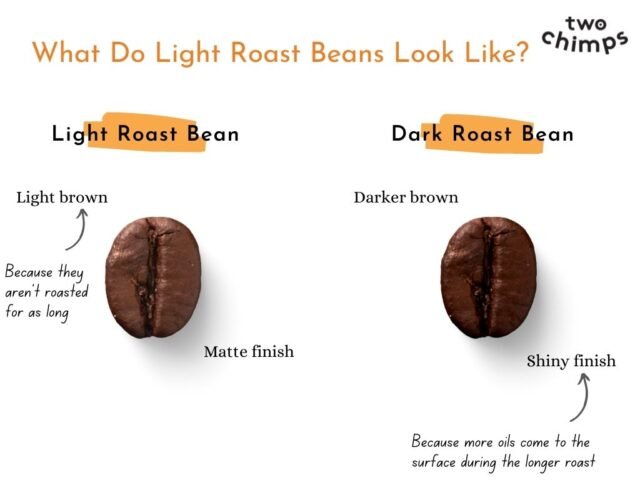
Medium or medium-dark roast beans are easy choices for a French press. Light roasts can taste bright and fruity, while dark roasts often taste smoky, nutty, or chocolate-like.
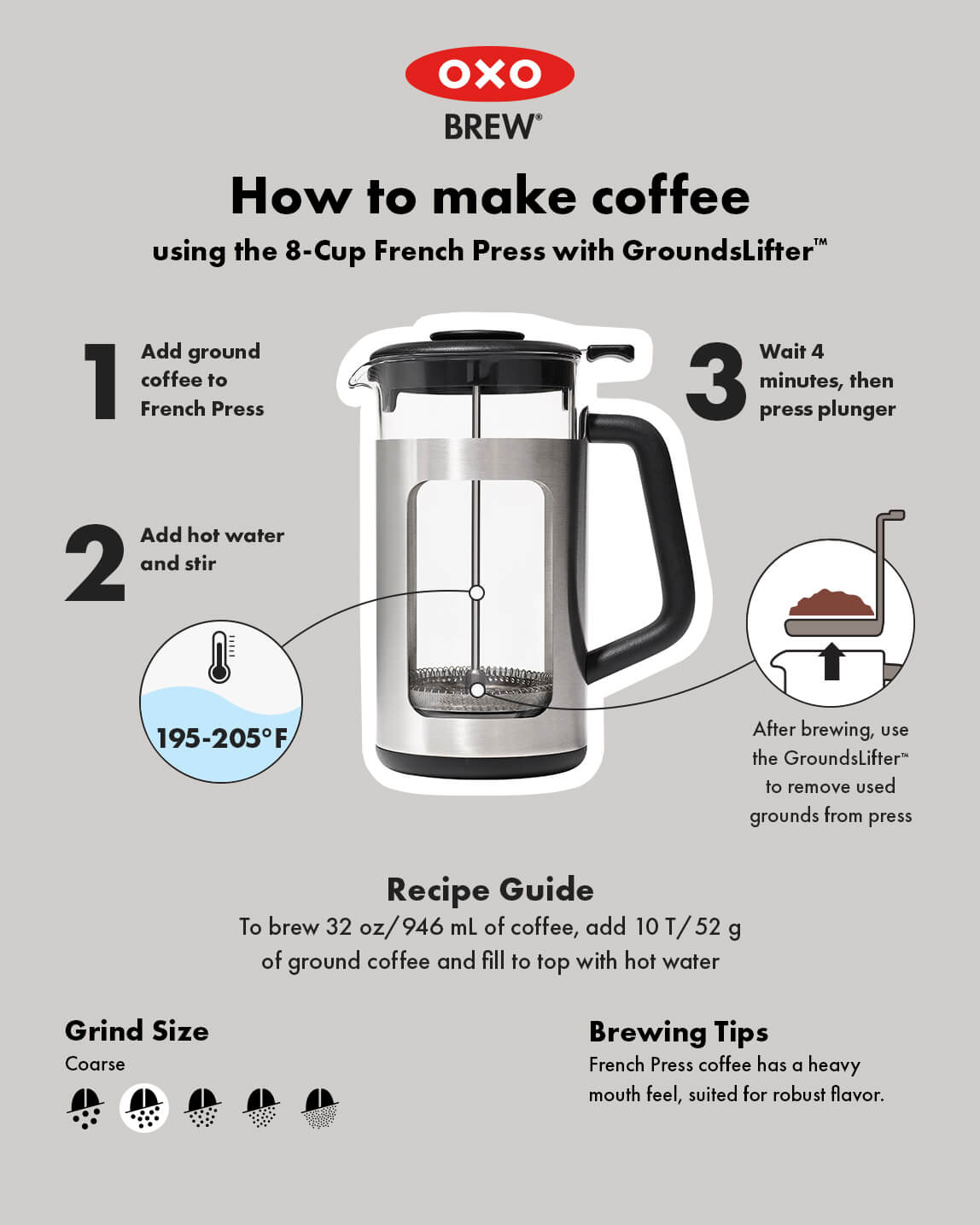
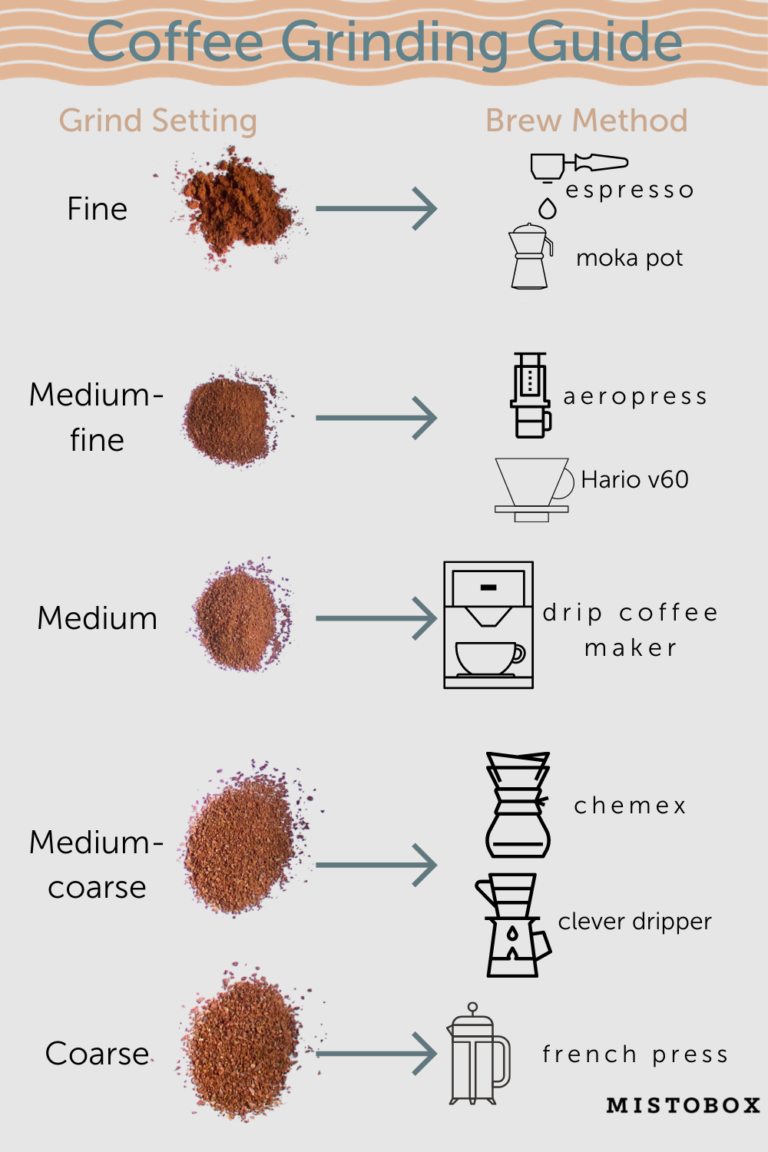
Grind the beans coarse. The grounds should look similar to coarse sea salt. A fine grind can pass through the metal filter and make the coffee muddy, bitter, or difficult to press.
Use a burr grinder if you can. It creates more even particles than a blade grinder. Uneven grounds create both under-extracted and over-extracted coffee at the same time.
If your French press is hard to push down, the grind may be too fine. If the coffee tastes weak and sour, the grind may be too coarse, the water may be too cool, or the steep may be too short.
How To Make French Press Coffee For One: Step-by-Step
Follow these steps for a balanced single serving.
1. Heat the water
Heat 250 milliliters of water to about 200°F, or 93°C. If you do not have a thermometer, bring the water to a boil and let it rest for about 30 seconds.
Water that is too hot can bring out harsh flavors, especially in dark roasts. Water that is too cool may leave the coffee thin and sour.
2. Warm the French press
Pour a little hot water into the empty press. Swirl it for a few seconds, then discard the water.
This step is optional, but it helps keep the brewing temperature steady. It also warms the glass, which is useful in a cool kitchen.
3. Add the coffee grounds
Add 15 grams of coarse coffee to the press. Gently shake the press so the grounds form an even bed.
An even bed helps the hot water reach all the coffee at the same rate. This small step can improve consistency.
4. Add the hot water
Pour the water slowly over the grounds. Start in the center and move outward in small circles. Make sure all the grounds become wet.
Pour until you reach 250 milliliters. If you do not use a scale, fill the press to a level that leaves enough room for the plunger.
5. Stir and start the timer
Use a spoon to stir gently once or twice. Put the lid on the press, but do not push the plunger down yet.
Start a timer for four minutes. A timer matters because even a one-minute difference can change the flavor.
6. Press slowly
After four minutes, press the plunger down with gentle, steady pressure. Take about 20 to 30 seconds to reach the bottom.
If the plunger feels very hard to push, stop. Do not force it. Fine grounds may be blocking the filter, and extra pressure can send hot coffee upward.
7. Pour the coffee right away
Pour the coffee into your mug as soon as you finish pressing. Do not let it sit on the grounds in the French press.
Leaving brewed coffee in the press allows extraction to continue. This often makes the last cup taste more bitter than the first.
This process shows how to make French press coffee for one without complex equipment. The key is to keep the ratio, grind, water, and time steady.

How Long Should French Press Coffee Steep?
Four minutes is a dependable starting point for French press coffee for one. It gives the water enough time to draw flavor from coarse grounds without making most coffees overly harsh.
You can adjust the time based on taste:
• Steep for three minutes for a lighter and brighter cup
• Steep for four minutes for a balanced cup
• Steep for five minutes for a heavier and stronger cup
Steeping longer does not always create better coffee. It can increase bitterness and dryness, especially if the coffee is already finely ground or dark roasted.
If your cup tastes sour, increase the time by 30 seconds. If it tastes bitter or dry, decrease the time by 30 seconds or use a slightly coarser grind.
When I adjust a French press recipe, I change only one variable at a time. This makes it easier to learn what your coffee needs instead of guessing.

Water Temperature and Water Quality
Water makes up most of your coffee, so its quality matters. Filtered water often produces a cleaner taste than strongly chlorinated tap water.
The ideal brewing range is commonly around 195°F to 205°F, or 90°C to 96°C. This range is widely used in coffee brewing because it extracts flavor without relying on boiling water.
You do not need expensive bottled water. A simple carbon filter can help if your tap water has a strong smell or taste.
Avoid distilled water for regular brewing. It lacks minerals that help pull flavor from the coffee. Very hard water can also create a dull or chalky taste and may leave mineral buildup inside the press.
For how to make French press coffee for one, water temperature is especially important because a small brew can cool faster than a large batch. Preheating the press helps protect the brewing temperature.

Common French Press Mistakes
Small errors can make a good coffee recipe taste disappointing. These are the most common problems to watch for.
Using a fine grind
Fine grounds can slip through the filter and over-extract quickly. They also make the plunger difficult to press.
Use a coarse grind with visible particles. If your grinder has settings, start near the coarse end and adjust from there.
Measuring coffee by volume only
A spoonful of coffee can hold different amounts depending on the roast and grind. A scale gives you a more repeatable recipe.
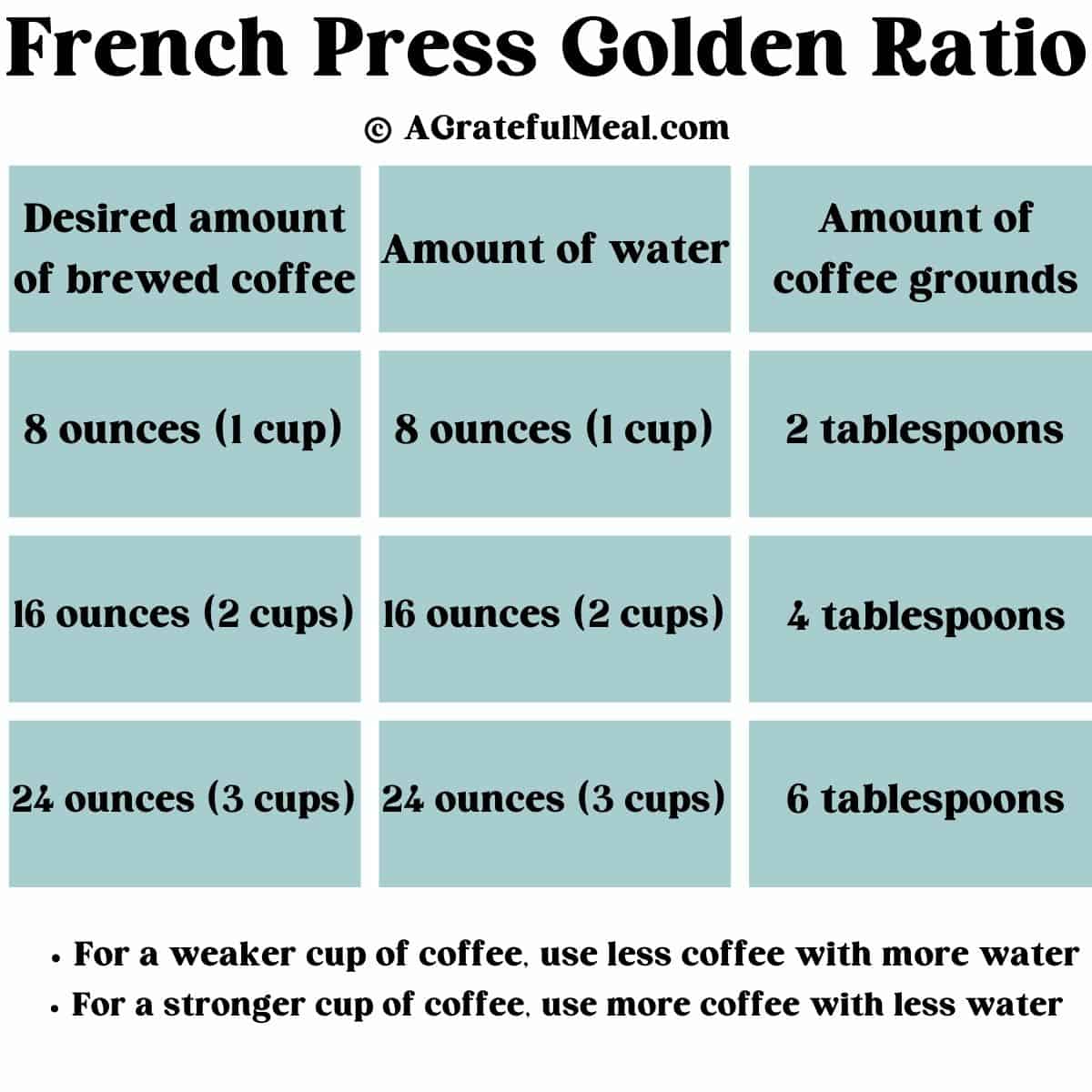
If you do not own a scale, use 2 level tablespoons as a starting point. Then adjust based on taste.
Pressing too soon
A short steep can produce weak coffee with a sharp, sour taste. Give the grounds enough time to release their flavor.
Four minutes is a good baseline for most medium-ground coffee.
Leaving coffee in the press
The grounds continue touching the coffee after pressing. Pour the full serving into a mug or small carafe right away.
Pressing too fast
A fast plunge can stir the grounds and force sediment into the cup. Press slowly and stop if you meet strong resistance.
Ignoring the coffee’s roast level
Dark roast coffee often needs less time or a slightly lower dose. Light roast coffee may taste better with a longer steep or a slightly finer coarse grind.

How To Adjust the Flavor
Once you know how to make French press coffee for one, you can tune the recipe to your taste.
If the coffee tastes weak
Try one of these changes:
• Add 1 or 2 grams more coffee
• Steep for 30 seconds longer
• Use a slightly finer coarse grind
• Check that the water is hot enough
If the coffee tastes bitter
Try these changes:
• Use 1 or 2 grams less coffee
• Steep for less time
• Use a coarser grind
• Let freshly boiled water cool briefly before brewing
If the coffee tastes sour
Sourness often means under-extraction. Try a longer steep, a slightly finer grind, or hotter water.
If the coffee tastes muddy
Muddy coffee usually comes from very fine grounds or too much agitation. Use a coarser grind and stir only once at the start.
If there is too much sediment
Some sediment is normal with a French press. For a cleaner cup, let the coffee rest for a minute before drinking, or pour it through a paper coffee filter after pressing.
Paper filtration removes some oils and body, so the flavor may feel lighter.
French Press for One Without a Scale
You can still make good French press coffee without a scale. Use about 2 level tablespoons of coarse coffee and 8 ounces of hot water.
The spoon method is less exact, but it works well when you keep the spoon size and coffee grind consistent. Fill the spoon level, not heaping.
A helpful routine is to mark the water level on your kettle or use a measuring cup. After a few brews, you will learn how much water fills your press for one serving.
If the coffee changes from day to day, the amount of coffee is likely changing too. A small digital scale is one of the most useful upgrades for anyone who brews coffee often.

Cleaning and Caring for Your French Press
Cleaning your French press after every use protects flavor and extends its life. Old coffee oils can become rancid and make fresh coffee taste stale.
Use this simple routine:
• Remove the plunger
• Scoop the grounds into the trash or compost
• Rinse the glass and plunger with warm water
• Wash with mild dish soap
• Clean the filter mesh carefully
• Let all parts dry fully
Do not pour coffee grounds down the sink. They can collect inside pipes and contribute to clogs.
Check the filter from time to time. If the mesh is bent or damaged, more grounds may enter your cup. Replace worn parts when needed, especially if the plunger no longer moves smoothly.
Glass presses can break with sudden temperature changes. Do not pour boiling water into a cold glass press. Warming it first is safer and helps maintain brewing heat.
Health, Caffeine, and Serving Size
French press coffee contains caffeine, though the exact amount varies by bean type, roast, dose, and brewing time. A single serving made with 15 grams of coffee often contains less caffeine than a large coffeehouse drink, but the amount can differ widely.
French press coffee is not paper-filtered, so it retains more natural coffee oils and fine particles. Some people enjoy this fuller body, while others prefer the cleaner taste of filtered coffee.
People who are sensitive to caffeine may want to use a smaller serving, choose decaf beans, or avoid coffee later in the day. Pregnant individuals and anyone with a medical condition should follow guidance from a qualified health professional.
The safest approach is to notice how your body responds. If one cup causes jitters, heart pounding, or poor sleep, reduce the amount or choose a lower-caffeine option.
Frequently Asked Questions About How To Make French Press Coffee For One
How much coffee do I use for one cup in a French press?
Use about 15 grams of coarse coffee for 250 milliliters of water. Without a scale, start with 2 level tablespoons and adjust the strength to your taste.
How long should I let French press coffee sit?
Let the coffee steep for about four minutes before pressing. You can shorten or extend the time by 30 seconds based on whether the cup tastes too weak or too strong.
Can I use regular ground coffee in a French press?
You can, but regular pre-ground coffee may be too fine for a French press. A coarse grind is better because it reduces sediment and helps prevent bitter flavors.
What temperature should the water be for French press coffee?
Use water between 195°F and 205°F, or 90°C to 96°C. If you do not have a thermometer, let boiling water cool for about 30 seconds before pouring.
Why is my French press coffee bitter?
Bitter coffee may come from a fine grind, a long steep, very hot water, or too much coffee. Try a coarser grind and reduce the steep time by 30 seconds.
Should I stir French press coffee?
A gentle stir at the start helps wet all the grounds. Avoid vigorous stirring because it can increase sediment and make the coffee taste harsh.
Can I make iced coffee with a French press for one?
Yes. Brew a stronger batch with about 18 grams of coffee and 200 milliliters of hot water, then pour it over ice. The extra coffee helps prevent the ice from making the drink taste weak.
Conclusion
Making French press coffee for one takes only a few simple tools and a steady routine. Start with 15 grams of coarse coffee, 250 milliliters of hot water, and a four-minute steep. Pour the coffee right away, then adjust the grind, time, or dose to suit your taste.
The best recipe is not always the strongest one. It is the cup you can repeat and enjoy each morning. Try this method tomorrow, keep a short note about your results, and share your favorite French press tips in the comments.
One Comment