
Introduction
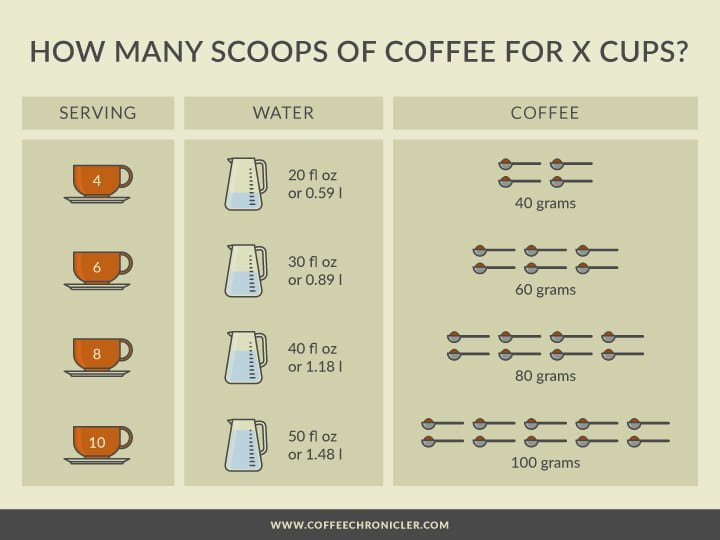
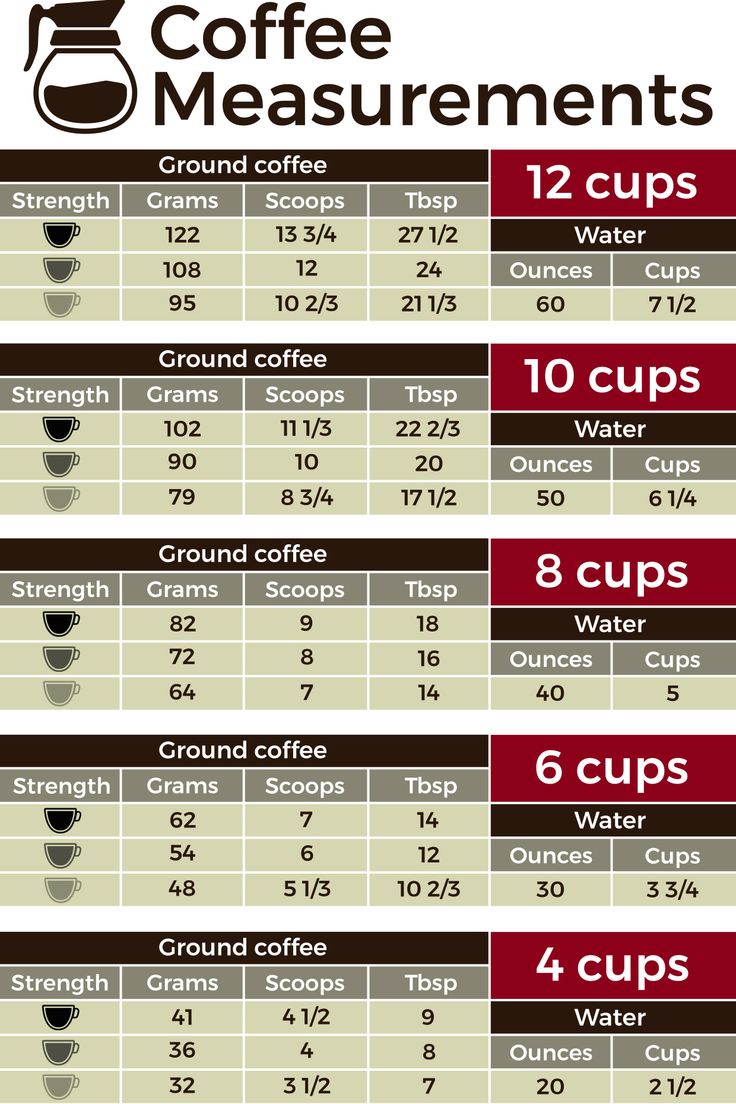
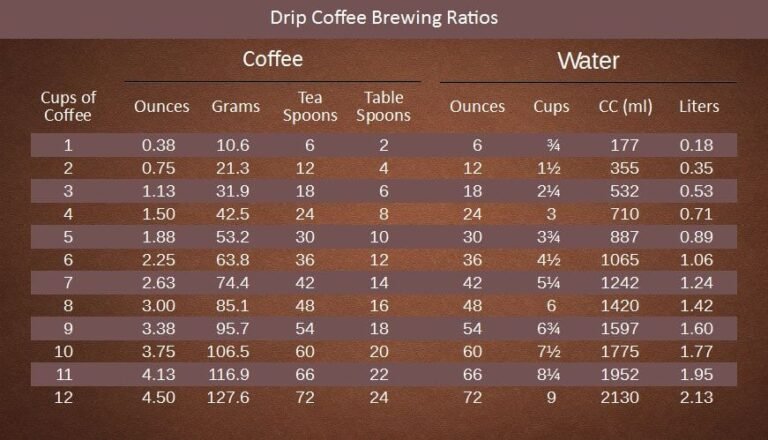
For a typical coffee maker in the United States, use 8 to 10 level tablespoons of ground coffee for 5 cups. This assumes that one machine “cup” holds about 5 fluid ounces, not the 8-ounce size used on many measuring cups.
For a more exact measure, use 40 to 50 grams of ground coffee with about 25 fluid ounces of water. Start with 8 tablespoons for a lighter cup and move toward 10 tablespoons for stronger coffee.

Quick Answer: Coffee for 5 Cups
Use the table below as a starting point:
| Coffee strength | Ground coffee | Approximate weight |
|---|---|---|
| Light | 8 level tablespoons | 40 grams |
| Medium | 9 level tablespoons | 45 grams |
| Strong | 10 level tablespoons | 50 grams |
These amounts work well for a standard drip coffee maker with a 5-ounce cup setting. Coffee makers often count a “cup” as 5 ounces, so a 5-cup machine may brew about 25 fluid ounces, or roughly 3 cups of coffee by the usual 8-ounce kitchen measure.
The Specialty Coffee Association uses a brew ratio near 55 grams of coffee per liter of water, with some room for personal taste. Applying that ratio to 25 fluid ounces of water gives about 41 grams of coffee, which is close to 8 level tablespoons.
Best starting point: Use 8 tablespoons, or about 40 grams, of medium-ground coffee for 5 coffee-maker cups.
If your coffee maker uses 6-ounce cups
Some machines and brewing charts use a 6-ounce cup instead of a 5-ounce cup. Five 6-ounce cups equal 30 fluid ounces of water. For that amount, use about:
- 10 tablespoons of ground coffee
- 50 grams of coffee
- More coffee for a stronger brew
- Less coffee for a lighter brew
Check the marks on the water tank or carafe when possible. The markings tell you how much water your machine calls one cup.
How to Measure Coffee for 5 Cups
The simplest method is to measure the water first, then match the coffee to it.
- Fill the coffee maker to the 5-cup line.
- Add 8 level tablespoons of ground coffee to the filter.
- Use medium-ground coffee for a standard drip machine.
- Brew the coffee.
- Taste it after it cools for a minute or two.
- Add or remove 1 tablespoon the next time you brew.
If the coffee tastes weak, use 9 or 10 tablespoons. If it tastes bitter or too heavy, try 7 or 8 tablespoons. Keep the water amount the same while adjusting the coffee. This makes it easier to tell which change improved the flavor.
Tablespoons versus grams
Tablespoons are convenient, but grams are more precise. Ground coffee can vary in size and density, so two tablespoons from different beans may not weigh the same.
As a useful estimate:
- 1 level tablespoon of ground coffee weighs about 5 grams
- 8 tablespoons weigh about 40 grams
- 9 tablespoons weigh about 45 grams
- 10 tablespoons weigh about 50 grams
A coffee scale gives the most repeatable result. If you do not have one, level each spoon rather than using a large, rounded scoop.
The Best Coffee-to-Water Ratio for 5 Cups
A coffee-to-water ratio describes how much dry coffee to use for a given amount of water. For drip coffee, a ratio between 1:15 and 1:18 is a useful home-brewing range.
This means:
- 1 gram of coffee for every 15 grams of water creates a stronger brew
- 1 gram of coffee for every 16 grams of water creates a balanced brew
- 1 gram of coffee for every 17 or 18 grams of water creates a lighter brew
For 5 US coffee-maker cups, the calculation looks like this:
- 5 cups × 5 fluid ounces = 25 fluid ounces
- 25 fluid ounces of water weighs about 739 grams
- 739 ÷ 16 = about 46 grams of coffee
That calculation supports a starting point of roughly 45 grams, or about 9 level tablespoons.
Why different guides give different amounts
Coffee guides may disagree because they use different meanings for “cup.” A recipe may treat a cup as:
- 5 fluid ounces, common on many US coffee makers
- 6 fluid ounces, used by some brewing charts
- 8 fluid ounces, common on US measuring cups and mugs
- 12 ounces or more, common for a large travel mug
The coffee amount must match the water volume. Five 8-ounce cups require much more coffee than five 5-ounce machine cups.
A simple ratio formula
Use this formula when you know the amount of water:
Coffee in grams = water in grams ÷ brew ratio
For a balanced starting point, divide the water weight by 16.
Example:
- 25 fluid ounces of water weighs about 739 grams
- 739 ÷ 16 = 46 grams of coffee
This is a hypothetical calculation for a standard 5-ounce-per-cup coffee maker. Your machine may use a different cup size.

How Much Coffee for 5 Cups by Brewing Method?
The right amount depends on the brewing device. A drip coffee maker, French press, pour-over, and espresso machine do not use the same coffee-to-water process.
| Brewing method | Water for 5 typical servings | Starting coffee amount |
|---|---|---|
| Automatic drip coffee maker | 25 fl oz | 40–50 g |
| French press | 25–30 fl oz | 45–55 g |
| Pour-over | 25–30 fl oz | 45–55 g |
| Cold brew concentrate | 25 fl oz | 125–170 g |
| Espresso | Not measured as brewed cups | Use the machine’s basket size |
Automatic drip coffee maker
Use 8 to 10 tablespoons, or about 40 to 50 grams, for the 5-cup line. Medium-ground coffee usually works best.
Drip machines may lose some water to steam and coffee grounds. The amount in the carafe may be lower than the amount poured into the tank. The machine’s cup markings are therefore more useful than a general kitchen conversion.
French press
For a French press, start with about 50 grams of coarse-ground coffee for 25 to 30 fluid ounces of water. Steep for about four minutes, then press slowly.
A French press needs coarse grounds because fine grounds can pass through the filter and create a muddy cup. If the coffee tastes harsh, reduce the steep time or use a slightly coarser grind before cutting the coffee dose.
Pour-over
For a large pour-over, use about 45 to 50 grams of medium or medium-fine coffee for 25 to 30 fluid ounces of water. Pour the water in stages rather than all at once.
A large pour-over can be difficult to brew evenly. If the dripper is too full, split the batch into two brews. This often gives better extraction than forcing a large amount of water through a small filter.
Cold brew
Cold brew uses a much stronger coffee concentrate than hot drip coffee. For a concentrate, use about 125 to 170 grams of coarse coffee for 25 fluid ounces of water, depending on the recipe.
After steeping, dilute the concentrate with water or milk. Do not use the cold-brew amount in a standard drip machine. It will produce an extremely strong and wasteful brew.
How Strong Should Coffee for 5 Cups Be?
Choose the amount based on taste, not only on the label printed on the bag.
- Use 8 tablespoons for a lighter brew.
- Use 9 tablespoons for a balanced starting point.
- Use 10 tablespoons for a stronger brew.
A stronger taste does not always mean more caffeine per sip. Brew time, bean type, grind size, serving size, and the amount of coffee extracted all affect caffeine. The US Food and Drug Administration says that up to 400 milligrams of caffeine per day is an amount not generally linked with dangerous negative effects for most healthy adults, though sensitivity varies.
People who are pregnant, sensitive to caffeine, taking certain medicines, or managing a health condition should follow advice from a qualified health professional. Coffee labels and café servings can vary widely, so a general tablespoon rule cannot predict the exact caffeine content.
Adjust the coffee in small steps
Change the dose by one tablespoon at a time. Large changes make it hard to know what caused the flavor difference.
If the coffee is:
- Weak or watery: Add 1 tablespoon next time.
- Bitter or harsh: Reduce the coffee slightly, use a coarser grind, or check the brew time.
- Sour or sharp: Use a finer grind or check whether the water is too cool.
- Strong but clean: Keep the dose if you like the flavor.
- Strong and muddy: Use a coarser grind and clean the filter or press screen.
Coffee flavor problems can come from both the dose and the brewing process. Adding more coffee is not always the best fix.

Does the Coffee Grind Change the Amount?
Yes. Grind size changes how quickly water moves through the coffee and how much flavor it extracts.
For most automatic drip machines, use medium-ground coffee. Fine grounds can slow the flow and create a bitter taste. Coarse grounds can allow water to pass too quickly and may produce a thin or sour cup.
The dose also changes when you measure by volume. A spoonful of coarse coffee may contain less mass than a spoonful of fine coffee. This is why weighing coffee is more accurate than relying on tablespoons.
Use these general grind settings:
- Drip coffee maker: Medium
- French press: Coarse
- Pour-over: Medium to medium-fine
- Cold brew: Coarse
- Espresso: Fine
These are starting points, not fixed rules. Different grinders produce different particle sizes, and each machine may need small adjustments.

Common Mistakes When Brewing 5 Cups
The most common mistake is treating a coffee-maker cup as an 8-ounce cup. That can lead to too much coffee or too little coffee, depending on the recipe.
Avoid these errors:
Using a heaping tablespoon
A heaping spoon can hold much more coffee than a level spoon. Use level tablespoons for consistent results.
Measuring the carafe as a kitchen cup
A 5-cup coffee maker may not produce five full mugs. Check the machine’s cup size before calculating the dose.
Changing coffee and water at the same time
If you add more coffee and more water together, you may not know which change affected the taste. Adjust one variable at a time.
Using stale coffee
Old coffee may taste flat even when the ratio is correct. Store beans or grounds in an airtight container away from heat, light, and moisture. Grind whole beans shortly before brewing when possible.
Using a dirty machine
Old oils and mineral buildup can make fresh coffee taste bitter or stale. Follow the machine maker’s cleaning instructions. Rinse the carafe and filter basket after each use, and descale the machine when mineral buildup appears or the manual recommends it.
Leaving coffee on a hot plate too long
Heat can make brewed coffee taste bitter over time. Pour coffee into a thermal carafe if you plan to drink it slowly.

How to Make Better Coffee for 5 Cups
Start with the right water, coffee, and equipment.
- Use fresh water. Water with a clean taste usually produces better coffee.
- Measure the water. Use the machine’s 5-cup line or measure about 25 fluid ounces if the machine uses 5-ounce cups.
- Measure 40 to 50 grams of coffee. Use 45 grams as a balanced starting point.
- Choose the correct grind. Medium grind suits most drip machines.
- Use a clean filter and basket. Old residue affects flavor.
- Brew soon after grinding. Ground coffee loses aroma faster than whole beans.
- Taste before changing the recipe. Let the coffee cool slightly so the flavor is easier to judge.
- Record the dose you like. Write down the coffee weight, water amount, grind, and brew time.
The best recipe is the one that produces a cup you enjoy with repeatable results. A scale helps, but a level tablespoon and the same coffee each time can also work well.

Key Takeaways
- Use 8 to 10 level tablespoons of ground coffee for 5 standard coffee-maker cups.
- A good middle point is 9 tablespoons, or about 45 grams.
- Confirm whether your machine uses 5-ounce or 6-ounce cups.
- For a 5-ounce cup setting, use about 25 fluid ounces of water.
- Use medium-ground coffee for most drip machines.
- Adjust the coffee by 1 tablespoon at a time.
- Measure by grams when you want the most consistent result.
Frequently Asked Questions
Is 5 tablespoons of coffee enough for 5 cups?
Usually, no. Five tablespoons may produce weak coffee in a standard US drip machine. Start with 8 tablespoons for 5 machine cups, then adjust to taste.
How many scoops of coffee do I need for 5 cups?
If one coffee scoop holds about 2 tablespoons, use 4 to 5 scoops. Four scoops provide about 8 tablespoons, while five provide about 10 tablespoons. Scoop sizes vary, so check the scoop capacity when possible.
How much coffee do I need for five 8-ounce cups?
Five 8-ounce cups equal 40 fluid ounces of water. At a ratio near 1:16, use about 74 grams of coffee, or approximately 15 tablespoons. This is much more than the amount for five cups on a typical coffee maker.
Can I use whole coffee beans instead of ground coffee?
Yes. Grind the beans before brewing. For 5 standard coffee-maker cups, weigh about 40 to 50 grams of whole beans, then grind them to a medium setting.
Why does my 5-cup coffee taste weak?
The coffee may be under-dosed, ground too coarsely, stale, or brewed with too much water. Try adding 1 tablespoon, using fresher coffee, or choosing a slightly finer grind. Change only one factor at a time.
Why does my 5-cup coffee taste bitter?
Bitter coffee may result from too much coffee, a grind that is too fine, overlong brewing, very hot water, or residue in the machine. Reduce the dose slightly, use a coarser grind, and clean the brewer.
Final Recommendation
For most US 5-cup coffee makers, begin with 9 level tablespoons, or about 45 grams, of medium-ground coffee and water filled to the 5-cup line. Use 8 tablespoons for a lighter brew or 10 tablespoons for a stronger one.
If your machine defines a cup as 6 ounces rather than 5 ounces, use closer to 10 tablespoons or 50 grams. Once you find the flavor you like, record the coffee amount and water level so you can brew the same cup each time.
Research Basis
This guide uses the coffee-to-water approach described by the Specialty Coffee Association and practical coffee measurement guidance from the National Coffee Association. The caffeine safety information refers to the US Food and Drug Administration’s caffeine guidance.


One Comment