
For most coffee drinkers in the United States, whole coffee beans taste best within 1 to 3 weeks after roasting. After opening, aim to use them within 2 to 4 weeks for the best flavor. They may remain drinkable longer, but their aroma and taste will slowly fade.
Ground coffee loses freshness faster. It often tastes best within days to 2 weeks after grinding. The exact time depends on the roast date, package, storage method, and how often you open the container.

How Long Do Whole Coffee Beans Stay Fresh?
Whole coffee beans usually stay fresh longer than ground coffee because less of their surface is exposed to air.
Use this table as a practical guide:
| Coffee condition | Best flavor window | Still usually usable |
|---|---|---|
| Freshly roasted whole beans | About 7–21 days after roasting | About 1–3 months |
| Opened whole beans | About 2–4 weeks | Several months, with less flavor |
| Sealed commercial bag | Check the roast or best-by date | Often months, if stored well |
| Freshly ground coffee | Minutes to several days | About 1–2 weeks |
| Green, unroasted coffee beans | Several months to over a year | Depends on storage and quality |
These are quality guidelines, not strict safety limits. Dry coffee beans do not usually become unsafe just because they are old. Instead, they lose the bright smells and flavors that make coffee enjoyable.
Roast date matters more than the best-by date
The roast date tells you when the beans were roasted. It helps you judge freshness.
A best-by date is usually a quality estimate from the coffee company. It does not tell you exactly when the beans were roasted. Two bags with the same best-by date may have very different freshness levels.
For the best results, buy beans with a clear roast date. Many coffee roasters suggest waiting a few days after roasting before brewing. Freshly roasted beans release carbon dioxide. This process is called degassing.
Coffee may taste sharp or uneven if brewed right after roasting. Many beans work well after about 3 to 10 days of rest, though the ideal time varies by roast and brewing method.
A simple freshness rule
Use this rule when you are unsure:
- Less than 2 weeks after roasting: Usually very fresh.
- 2 to 4 weeks: Often excellent if stored well.
- 1 to 3 months: Usually drinkable, but less aromatic.
- More than 3 months: May taste flat or stale.
- More than 6 months: Flavor is often noticeably faded.
Light-roasted beans may keep their distinct notes for longer than dark-roasted beans, but they may also need more time to degas. Dark-roasted beans often lose their best flavor sooner because roasting creates more porous beans and more exposed oils.

What Makes Coffee Beans Go Stale?
Coffee beans go stale mainly because of oxygen, moisture, heat, light, and time. These factors change the oils and aroma compounds in the beans.
The main enemy is oxygen. When air reaches roasted coffee, it causes oxidation. This slowly removes delicate aromas and can create a flat, papery, or dull taste.
oxygen
every time you open a coffee bag or storage jar, fresh air enters. A container that is only partly full also holds more air around the beans.
A one-way valve on a coffee bag lets carbon dioxide escape after roasting. It helps prevent the bag from swelling. However, the valve does not stop all oxygen from reaching the beans after the bag is opened.
Moisture
Coffee beans can absorb moisture and odors from the air. Moisture may make the beans taste dull. It can also damage their texture and encourage mold if the beans become damp.
Keep coffee away from sinks, dishwashers, steam, and humid areas. Do not store beans in a container that is wet inside.
Heat
Heat speeds up chemical changes. A warm kitchen cabinet near an oven or stove is not a good storage spot.
You do not need to refrigerate normal daily-use coffee. The refrigerator has moisture and food odors, and temperature changes may cause condensation on the beans.
Light
Sunlight and strong indoor light can damage coffee quality over time. Clear jars placed near a window may look attractive, but they offer poor protection.
An opaque container works better. A dark cabinet is also useful.
Grinding
Grinding exposes much more coffee surface to air. This is why whole beans stay fresh longer than pre-ground coffee.
For the best flavor, grind only what you need for each brew. If you must buy ground coffee, choose a small bag and close it tightly after each use.

How Should You Store Coffee Beans?
Store coffee beans in an airtight, opaque container in a cool, dry cabinet. Keep the container away from heat, sunlight, water, and strong odors.
Follow these steps:
- Keep the beans in their original bag if it has a strong seal and a one-way valve.
- Squeeze out excess air before resealing the bag.
- Move the beans to an airtight container if the bag does not seal well.
- Use an opaque container or place a clear container in a dark cabinet.
- Keep the container away from the stove, oven, sink, and window.
- Open the container only when needed.
- Buy an amount you can use within a few weeks.
A small container is often better than a large one. A large container leaves more empty air above the beans as you use them.
Is an airtight coffee canister worth using?
An airtight canister can help if your coffee bag is hard to reseal. It protects the beans from air, moisture, and kitchen odors.
A vacuum canister may remove some air, but it is not magic. The most important habits are still buying fresh beans, keeping them cool and dry, and avoiding repeated opening.
Do not place a warm container in a cold area. Temperature changes can cause condensation. If you use a canister, make sure it is clean and fully dry before adding coffee.
Should you store coffee beans in the refrigerator?
Usually, no. A refrigerator is not the best place for everyday coffee storage.
Coffee can absorb odors from foods such as onions, cheese, and leftovers. Condensation may also form when cold beans meet warm, humid air.
If you remove coffee from the refrigerator, wait until the sealed container reaches room temperature before opening it. This reduces the chance of moisture forming on the beans.
Can you freeze coffee beans?
Yes, freezing can preserve coffee quality when done carefully. It works best for coffee that you will not use soon.
For freezing:
- Divide the beans into small portions.
- Use airtight, moisture-resistant packaging.
- Remove as much air as practical.
- Freeze the portions once.
- Thaw a sealed portion fully before opening it.
- Do not repeatedly freeze and thaw the same beans.
Freezing a whole, frequently opened bag is less useful. Each opening can expose the beans to warm air and moisture.
For daily coffee, a cool, dry cabinet is simpler. For expensive beans or long-term storage, carefully sealed portions in a freezer may be reasonable.

How Can You Tell If Coffee Beans Are Stale?
Stale coffee beans usually show a change in smell and taste, not an obvious change in appearance.
Check these signs:
- The beans have little or no aroma.
- The brewed coffee tastes flat or papery.
- Bright fruit or chocolate notes have disappeared.
- The coffee tastes harsh even when your recipe has not changed.
- The beans look unusually oily or dry compared with when they were fresh.
- The grounds produce little aroma during brewing.
A stale smell does not always mean the beans are unsafe. It usually means the coffee will not taste as good.
When should you throw coffee beans away?
Discard coffee if you see or smell signs of contamination. These include:
- Visible mold
- Damp or wet beans
- A musty smell
- Insect activity
- A damaged package with signs of water entry
- Unusual growth or residue
Do not taste coffee to test whether moldy or contaminated beans are safe. When in doubt, throw them out.
Oily beans are not automatically spoiled. Dark roasts often have more visible oil on the surface. However, rancid or paint-like odors suggest that the coffee has degraded and should not be used.
Why can old coffee taste bitter?
Age alone does not create one single flavor. Old coffee may taste bitter, flat, woody, papery, or sour.
Brewing problems can create similar flavors. Before blaming the beans, check:
- Water temperature
- Grind size
- Brew time
- Coffee-to-water ratio
- Filter cleanliness
- Water quality
- Grinder residue
If the coffee tastes bad across more than one brewing method, stale beans become a more likely cause.

Does the Roast Level Change Coffee Freshness?
Yes. Roast level affects how quickly coffee changes and how it should be stored.
Light roast
Light-roasted coffee often has dense beans and bright flavors. It may need more time to release gas after roasting. Its fruit and floral notes can become less clear as the coffee ages.
Medium roast
Medium roasts often offer a balance of sweetness, acidity, and body. They are commonly enjoyable from about one to four weeks after roasting.
Dark roast
Dark-roasted beans are more porous and may show surface oil. They can degas quickly and may lose delicate flavor sooner. Store them carefully and avoid heat.
These are general patterns, not fixed rules. Bean origin, processing method, roast profile, packaging, and grind size also affect freshness.
How Long Does Ground Coffee Stay Fresh?
Ground coffee loses freshness faster because grinding creates many new surfaces that contact oxygen.
For the best taste:
- Grind immediately before brewing when possible.
- Store ground coffee in an airtight, opaque container.
- Use it within a few days for the clearest flavor.
- Try to finish an opened package within 1 to 2 weeks.
- Avoid storing it in the original paper bag unless the bag seals tightly.
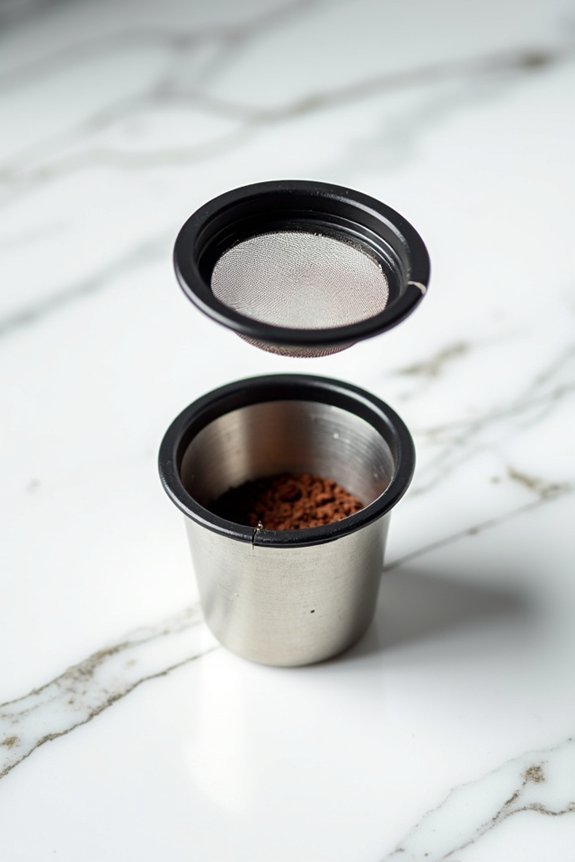
Single-serve pods can last longer while sealed because the package limits air exposure. Check the package date and inspect the pod for damage. A punctured, swollen, or leaking pod should not be used.
Pre-ground coffee is still convenient and can taste good. The trade-off is speed and ease versus a shorter freshness window.

Can Old Coffee Beans Be Used for Cold Brew?
Yes. Older beans can work well for cold brew, but the drink may taste less vivid.
Cold brew uses a long steep time and often produces a smooth drink with lower perceived acidity. This can hide some of the flaws of aging coffee. It cannot restore lost aroma, though.
Use older beans for:
- Cold brew
- Iced coffee with milk
- Flavored coffee drinks
- Baking
- Coffee rubs and desserts
For a simple cold brew, use a coarse grind and clean water. Keep the finished drink refrigerated and follow a safe handling routine. Do not leave prepared coffee at room temperature for long periods.

Freshness Problems and the Best Fix
Use the symptom below to find the most likely cause.
| Symptom | Likely cause | What to try |
|---|---|---|
| Flat aroma | Old beans or too much air exposure | Buy smaller bags and seal them well |
| Sour, sharp cup | Under-extraction or very fresh beans | Grind finer, brew longer, or let beans rest |
| Bitter, dry cup | Over-extraction or dark, old beans | Grind coarser or shorten brew time |
| Musty smell | Moisture or contamination | Discard the beans |
| Weak coffee | Too little coffee, coarse grind, or stale beans | Check the recipe and grind fresh beans |
| Oily surface | Dark roast, not always spoilage | Smell the beans and inspect for contamination |
| Inconsistent flavor | Uneven grind or changing water temperature | Clean the grinder and keep the recipe steady |
Change one variable at a time. This makes it easier to find the real problem.
If fresh beans still taste wrong, clean the grinder and brewing equipment. Old coffee oils can become rancid and affect the next batch.

How Much Coffee Should You Buy?
Buy enough coffee for about 2 to 4 weeks, based on how much you drink.
A simple estimate can help:
Coffee needed = grams per brew × brews per day × number of days
For example, a person using 20 grams of coffee per day for 21 days needs:
20 grams × 21 days = 420 grams
That is about 15 ounces, or just under 1 pound.
If you use 40 grams per day, a 12-ounce bag will last about 8 to 9 days. If you brew only on weekends, a 12-ounce bag may last much longer.
Smaller bags often protect flavor better because you open them less often over a shorter period. Larger bags may cost less per ounce, but only if you can finish them before the flavor fades.

Common Mistakes That Make Coffee Go Stale Faster
Avoid these storage mistakes:
- Keeping beans above the refrigerator
- Leaving the bag open on the counter
- Storing coffee in direct sunlight
- Using a damp spoon or container
- Buying a large supply without checking the roast date
- Grinding the whole bag at once
- Storing coffee beside spices or cleaning products
- Repeatedly moving beans between the freezer and kitchen
- Mixing fresh beans with old beans in one container
The best storage plan is simple: buy a reasonable amount, keep it sealed, and grind only what you need.

Frequently Asked Questions
Does coffee expire?
Coffee can lose quality over time, but dry beans do not usually have a strict expiration date. A best-by date mainly relates to flavor. Discard coffee if it is wet, moldy, contaminated, or smells strongly rancid.
How long do unopened coffee beans last?
Unopened beans may remain usable for several months, especially in a sealed, protective package. For the best flavor, use the roast date rather than relying only on the best-by date. Freshly roasted beans are usually at their best within the first few weeks after their rest period.
Is it better to store coffee beans or ground coffee?
Whole beans are better for freshness. They expose less surface area to oxygen. Grind them just before brewing when possible.
Can you drink coffee made from two-year-old beans?
You can, if the beans stayed dry and show no signs of mold or contamination. The coffee will likely taste flat and lack aroma. For better flavor, replace them with fresher beans.
Should coffee beans be stored in glass?
Glass is acceptable if the container is airtight and kept in a dark cabinet. Clear glass near a window is not ideal because light can speed quality loss. An opaque container is easier to use.
Final Takeaway
Coffee beans stay fresh longest when they remain whole, dry, cool, dark, and protected from air. For most homes, buy a small amount and use it within 2 to 4 weeks of opening. Start brewing beans about 3 to 10 days after roasting, then adjust based on taste.
If the beans smell clean and the coffee tastes good, they are still useful. If they smell musty, show mold, or have been exposed to moisture, throw them away.


One Comment