The right coffee grind depends on how you brew. Use a fine grind for espresso, a medium grind for drip coffee, and a coarse grind for a French press or cold brew. Start with the setting below, then adjust it based on taste and brew time.
For most coffee drinkers in the United States, a medium grind is the best starting point for a standard automatic drip machine. A medium-fine grind often works well for pour-over brewers, while a coarse grind suits French press coffee.
Grind size controls how fast water moves through coffee. It also controls how much flavor water pulls from the beans. The goal is a balanced cup that is sweet, clear, and pleasant—not weak, sour, bitter, or harsh.

Coffee Grind Size Chart
Use this chart as a starting point. Your grinder, coffee, filter, water, and recipe can change the best setting.
| Brewing method | Suggested grind size | Texture | Main reason |
|---|---|---|---|
| Turkish coffee | Extra-fine | Powder-like | The grounds remain in the cup |
| Espresso | Fine | Fine sand | Short brew time needs more surface area |
| Moka pot | Fine to medium-fine | Fine sand | Pressurized steam needs a fairly fine grind |
| AeroPress | Fine to medium | Fine to table salt | The recipe and steep time vary |
| Pour-over | Medium-fine to medium | Table salt | Helps control flow through the filter |
| Automatic drip | Medium | Regular sand | Fits most flat-bottom and cone filters |
| Chemex | Medium-coarse | Coarse sand | Thick paper filters slow the flow |
| Siphon | Medium-fine to medium | Table salt | Works with a filter and immersion time |
| French press | Coarse | Sea salt | Reduces sludge during steeping |
| Percolator | Medium-coarse | Coarse sand | Helps prevent over-extraction |
| Cold brew | Coarse | Cracked peppercorns | Long steep time needs slower extraction |
These labels are not exact industry measurements. “Medium” on one grinder may be finer or coarser than “medium” on another. Treat the chart as a starting point, not a fixed rule.
The Specialty Coffee Association provides brewing guidance based on factors such as coffee dose, water, time, and extraction. Grind size is one part of that system. It cannot fix every brewing problem by itself.
Why Grind Size Changes Coffee Flavor
A finer grind exposes more coffee surface to water. This usually makes extraction happen faster. A coarse grind exposes less surface, so extraction tends to happen more slowly.
Coffee that tastes sour, sharp, thin, or salty may be under-extracted. The water did not remove enough flavor from the grounds. A finer grind, longer brew time, or hotter water may help.
Coffee that tastes bitter, dry, burnt, or rough may be over-extracted. The water removed too much, or it stayed in contact with the grounds for too long. A coarser grind or shorter brew time may help.
Grind size also affects flow. Fine grounds can slow water and may clog a filter. Coarse grounds let water pass more quickly. This is why the same grind does not work equally well for espresso, drip coffee, and French press.
A simple way to remember the relationship is:
- Finer grind: faster extraction and slower water flow
- Coarser grind: slower extraction and faster water flow
This is a useful rule, but it is not the only factor. Coffee freshness, roast level, water temperature, filter type, dose, and agitation also affect the cup.

What Grind Size Should I Use for Each Brewing Method?
Choose the grind based on your brewing method first. Then use flavor and brew time to make small changes.
Espresso: Fine Grind
Use a fine grind for espresso. It should feel close to fine sand or table salt, not powder.
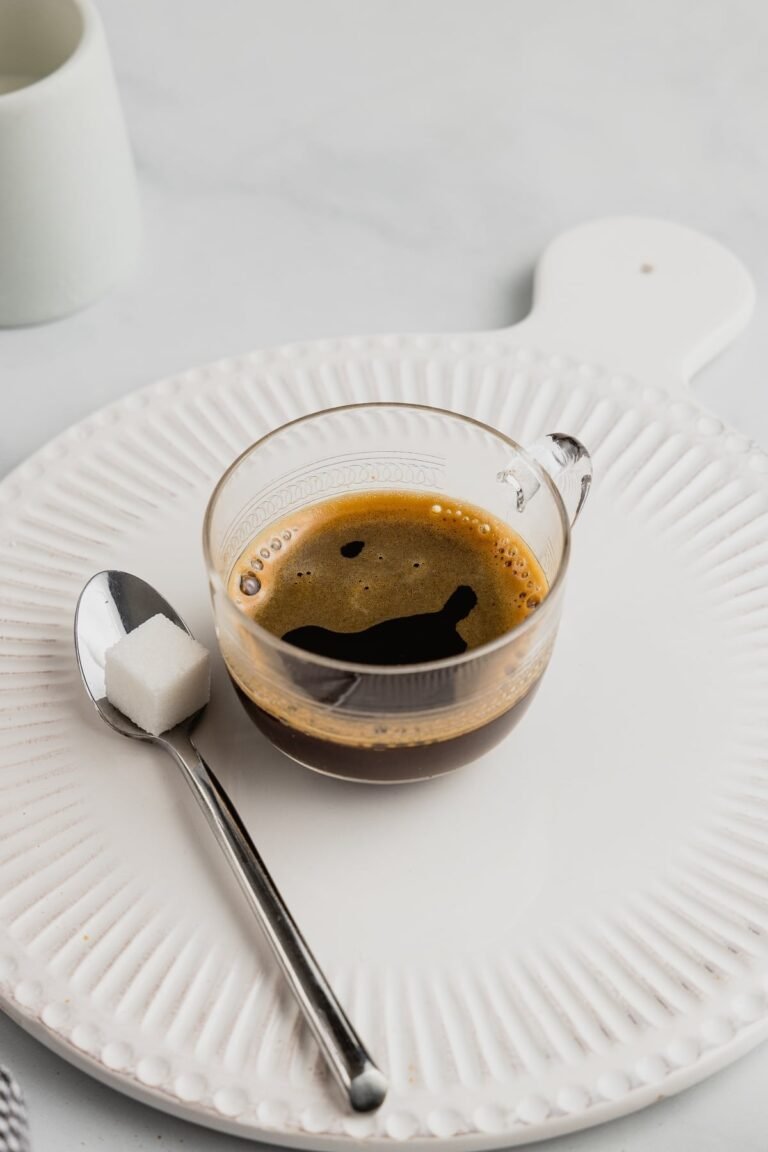
Espresso uses a short brew time and pressure. A fine grind gives the water enough surface area to extract flavor during that short window. If the grind is too coarse, water may pass through too fast and produce a weak, sour shot.
If espresso flows too fast, make the grind slightly finer. If the shot drips very slowly or tastes bitter, make the grind slightly coarser.
Do not use an extremely fine setting unless your grinder and espresso machine support it. A powder-like grind may clog the basket or create uneven flow.
Moka Pot: Fine to Medium-Fine Grind
A moka pot usually works with a grind finer than drip coffee but slightly coarser than espresso. The grounds should look like fine sand.
Avoid packing the coffee tightly. Fill the basket evenly and let the moka pot create its own pressure. A grind that is too fine can slow flow and increase the risk of harsh coffee.
Pour-Over: Medium-Fine to Medium Grind
Start with a medium-fine grind for a cone-shaped pour-over brewer. A medium grind may work better for a flat-bottom brewer or a fast-flow recipe.
Pour-over coffee depends on water flow through a paper filter. If water drains too fast, use a finer grind. If the bed drains very slowly or the coffee tastes dry and bitter, use a coarser grind.
The correct setting also depends on the filter. Thick paper, such as a Chemex filter, often needs a coarser grind than a standard V-shaped paper filter.
Automatic Drip Coffee: Medium Grind
Use a medium grind for most automatic drip coffee makers. It should look like regular sand.
This setting works well because automatic drip machines use a steady flow of water and a paper filter. If the coffee tastes weak, try a slightly finer grind before adding more coffee. If it tastes bitter or drains slowly, try a slightly coarser grind.
Some machines use a cone filter, while others use a flat-bottom basket. The difference can change the best grind by a small amount.
French Press: Coarse Grind
Use a coarse grind for French press coffee. The grounds should look similar to coarse sea salt.
French press coffee steeps in water for several minutes. A coarse grind slows extraction and makes it easier to press the filter. Fine grounds can pass through the mesh and leave heavy sludge in the cup.
If the coffee tastes weak, try a slightly finer grind or a longer steep. If it tastes bitter or muddy, use a coarser grind and avoid stirring too much.
Cold Brew: Coarse Grind
Use a coarse grind for cold brew. Cold brew often steeps for 12 to 24 hours, depending on the recipe and storage plan.
A coarse grind helps reduce sediment and makes filtering easier. A fine grind can create a thick, muddy drink and may make the coffee taste harsh.
Cold brew recipes vary widely. Adjust the grind along with the coffee-to-water ratio and steep time. Do not assume that a coarse grind alone will produce a smooth drink.
AeroPress: Fine to Medium Grind
The AeroPress can use many grind sizes because it supports short brews, longer steeps, and different recipes.
Start with a medium-fine grind for a short brew. Use a coarser grind if you steep for longer. The best setting depends on the recipe, water temperature, pressure, and filter.
The AeroPress official instructions show that the brewer can support more than one style. For that reason, there is no single “correct” AeroPress grind.

How to Adjust Your Coffee Grinder
Make small changes instead of moving several settings at once. A small adjustment makes it easier to learn what changed.
- Start with the suggested grind. Use the chart for your brewer.
- Keep the recipe steady. Use the same coffee dose, water amount, and brew method.
- Taste the coffee. Look for sourness, bitterness, weakness, dryness, or heavy sediment.
- Change one variable. Adjust the grind first.
- Move one or two steps. Use a finer setting for weak or sour coffee. Use a coarser setting for bitter or dry coffee.
- Brew again. Compare the new cup with the first cup.
- Record the setting. Write down the grind, dose, brew time, and result.
On most grinders, a smaller number does not always mean finer. Grinder scales differ. Check the markings or manual for your model.
Some grinders use stepped settings. Others use a smooth, stepless dial. Stepless grinders allow very small changes, which can help with espresso. Stepped grinders are often easier to repeat.
Always adjust a grinder as the manufacturer directs. On some models, changing the setting while the burrs are still may cause problems. Burrs are the cutting parts inside a burr grinder.

How to Choose a Grind by Taste
Taste is the best final test because coffee beans and equipment vary.
If Your Coffee Tastes Sour
Sour coffee often points to under-extraction. Try one of these changes:
- Grind the beans slightly finer.
- Increase the brew time.
- Use slightly hotter water if your method allows it.
- Stir or pour more evenly when using a manual brewer.
- Check that the filter is not causing water to rush through one area.
Sourness is not always a flaw. Some light-roasted coffees have a bright, fruity taste by design. The issue is a sharp, unpleasant sour taste with little sweetness.
If Your Coffee Tastes Bitter
Bitter coffee often points to over-extraction. Try these changes:
- Grind the beans slightly coarser.
- Reduce the brew time.
- Use slightly cooler water if your method allows it.
- Avoid excessive stirring.
- Check that the coffee is not sitting on a warming plate for too long.
Dark-roasted coffee can taste smoky or bitter even when the grind is correct. A lighter roast or shorter contact time may suit your taste better.
If Your Coffee Tastes Weak
Weak coffee may come from a grind that is too coarse, too little coffee, too much water, or an overly short brew.
First, check the recipe and coffee dose. If those are stable, try a slightly finer grind. Adding more coffee can increase strength, but it does not always fix under-extraction.
Strength and extraction are different:
- Strength means how much coffee material is dissolved in the drink.
- Extraction means how much flavor has been removed from the grounds.
A cup can be strong and sour, or weak and bitter. Adjust the right variable.
If Your Coffee Tastes Dry or Harsh
A dry mouthfeel can indicate over-extraction, too much agitation, or fines in the cup. Fines are very small coffee particles that can extract quickly.
Try a coarser grind, gentler stirring, or a better filter. If you use a French press, pour slowly and stop before the last layer of sediment enters the cup.

Whole Bean or Pre-Ground Coffee?
Whole beans usually give you more control because you can grind them for each brewing method. Coffee begins to lose aroma after grinding because more surface area meets air.
That does not mean pre-ground coffee is always poor. It can be a practical choice if you use it soon, store it well, and buy it for the correct brewer.
For better results:
- Store coffee in an airtight container.
- Keep it away from heat, light, moisture, and strong odors.
- Grind only what you need when possible.
- Do not store coffee in the refrigerator, where moisture and odors can cause problems.
- Use a clean, dry grinder.
A burr grinder usually produces a more even grind than a basic blade grinder. An even grind contains fewer very large pieces and very small particles. This can make extraction more consistent.
A blade grinder chops coffee unevenly. You can still make drinkable coffee with one, but the result may vary from cup to cup. Short pulses and gentle shaking can help distribute the pieces, but they cannot create the same control as a burr grinder.

What Else Affects Coffee Besides Grind Size?
Grind size matters, but it works with several other variables.
Coffee-to-Water Ratio
More coffee makes a stronger drink. More water makes a weaker drink. Keep the ratio steady while you adjust grind size.
A kitchen scale can help. It gives more consistent results than scoops because whole beans have different sizes and densities.
Water Temperature
Hotter water can speed extraction. Cooler water can slow it. Many brewing guides use water well below boiling, but the best range depends on the method and coffee.
Do not change temperature and grind at the same time. If you do, you may not know which change improved or harmed the cup.
Brew Time
Longer contact usually allows more extraction. Shorter contact allows less.
A fine grind can slow the flow and lengthen contact. A coarse grind can speed the flow and shorten contact. This is why grind size and time must be considered together.
Roast Level
Dark-roasted beans often extract more easily than light-roasted beans. They may taste harsh if brewed too long or too fine.
Light-roasted beans can need more heat, more time, or a finer grind to taste balanced. This is not a strict rule, so use taste as the guide.
Filter and Equipment
Paper, metal, and cloth filters hold back different amounts of coffee particles and oils. A paper filter gives a cleaner cup. A metal filter allows more oils and fine particles through.
The grinder also matters. Two grinders set to “medium” may produce different particle sizes. Use the setting name only as a rough reference.

Common Coffee-Grinding Mistakes
Avoid these common errors when dialing in your coffee.
Using One Grind for Every Brewer
Espresso and French press need different starting points. A single setting may produce acceptable coffee in one brewer and poor coffee in another.
Changing Several Variables at Once
If you change the grind, water temperature, dose, and brew time together, you lose the ability to identify the cause. Change one factor at a time.
Grinding Too Fine for a French Press
Fine grounds can make French press coffee muddy and hard to filter. Start coarse and move finer only if the coffee tastes weak or thin.
Grinding Too Coarse for Espresso
A coarse espresso grind often causes fast flow and a weak shot. Espresso needs a fine starting point and careful adjustment.
Trusting the Timer Alone
Brew time is useful, but it does not prove that the coffee is balanced. Taste, flow, and texture matter too.
Ignoring Grinder Cleanliness
Old coffee particles can add stale flavors and affect the next grind. Follow the grinder maker’s cleaning instructions. Unplug electric equipment before cleaning it, and never put water into a grinder unless the manual says it is safe.
Packing Grounds in the Wrong Brewer
Do not tamp coffee in a moka pot or automatic drip basket unless the equipment instructions specifically require it. Packed grounds can restrict water flow.

Key Takeaways
- Use fine coffee grounds for espresso.
- Use medium-fine to medium grounds for pour-over coffee.
- Use medium grounds for most automatic drip machines.
- Use coarse grounds for French press and cold brew.
- Go finer when coffee tastes weak or sour.
- Go coarser when coffee tastes bitter, dry, or harsh.
- Change one variable at a time.
- Keep your coffee dose, water, and brew method steady while adjusting.
- Treat grind labels as starting points because grinder settings vary.
Frequently Asked Questions
Is a finer grind better for coffee?
No. A finer grind is not always better. It extracts faster and suits short methods such as espresso. In a French press or cold brew recipe, it may create bitter coffee and excess sediment.
What is the best grind size for a regular coffee maker?
A medium grind is the best starting point for most automatic drip coffee makers. Use a slightly finer grind if the coffee tastes weak or sour. Use a slightly coarser grind if it tastes bitter or drains too slowly.
Can I use espresso-ground coffee in a drip coffee maker?
You can, but the result may be too bitter or the filter may clog. Espresso grounds are usually much finer than drip coffee grounds. A medium grind is usually a better choice for an automatic coffee maker.
Why does my coffee taste bitter even with a coarse grind?
Grind size is only one possible cause. The coffee may be over-roasted, brewed for too long, held on a hot plate, made with too much agitation, or brewed with water that extracts too quickly. Check one factor at a time.
Should I grind coffee finer for dark roast beans?
Not usually. Dark-roasted beans often extract readily, so an overly fine grind may create bitter or harsh flavors. Start with the normal setting for your brewer, then adjust based on taste.
Do I need a burr grinder?
You do not need one to make coffee, but a burr grinder usually gives more even results and better control. A blade grinder can work for basic brewing, but its grind may contain a mix of large pieces and fine dust.
How often should I adjust my grind?
Adjust the grind when you change brewing methods, coffee beans, roast levels, or equipment. You may also need small changes as beans age. Make a small adjustment when the coffee flavor or brew flow changes.
Conclusion
The best coffee grind size is the one that matches your brewer and produces a balanced cup. Start with fine for espresso, medium for drip, medium-fine for pour-over, and coarse for French press or cold brew.
Then use taste as your guide. Make the grind finer when coffee is weak or sour. Make it coarser when coffee is bitter, dry, or harsh. Keep the rest of the recipe steady, change one factor at a time, and record the setting that works.