
Yes. You can pull espresso with any coffee beans if you dial in well.
If you have asked yourself Can You Use Coffee Beans For Espresso, you are not alone. I have pulled thousands of shots in cafes and at home. The truth is simple. Beans are beans. What changes is how you grind, dose, and brew. Stick with me. I will show you how to pick the right roast, set your grinder, and solve common shot issues. You will learn how to make smooth, rich espresso with the beans you already have.

What Makes Espresso Different From Regular Coffee?
Espresso is a method, not a bean. It uses hot water, high pressure, and a fine grind. A standard shot pulls about 25 to 30 seconds at around 9 bars of pressure.
Compared to drip, espresso uses a very fine grind and a short brew time. The brew ratio is tight. Many home baristas use 18 grams in and 36 grams out for a double. Water heat matters too. Aim for 195 to 205°F.
This mix creates a thick, syrupy cup with crema. Flavor is bold and clear. Any bean can work if you set the variables well.

Can You Use Coffee Beans For Espresso?
Yes. Can You Use Coffee Beans For Espresso at home with great results? You can. Espresso beans in stores are just coffee beans picked or roasted with espresso in mind. But there is no rule that says you must use a bag marked espresso.
Here is the key. Can You Use Coffee Beans For Espresso and get sweet, balanced shots? Yes, if you grind fine, set your dose, and tune the time. Light roasts need a finer grind and often a bit more heat. Dark roasts can taste bold and bitter if you extract too long. Adjust and taste.
In my work behind the bar, I have pulled tasty shots with light Ethiopia, classic Brazil, and even decaf. The bag label matters less than your technique.
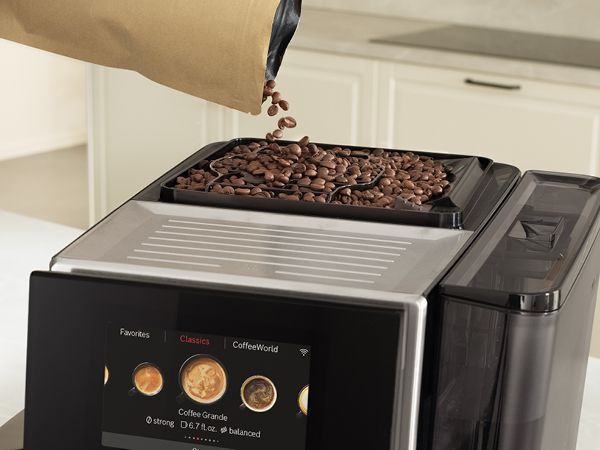
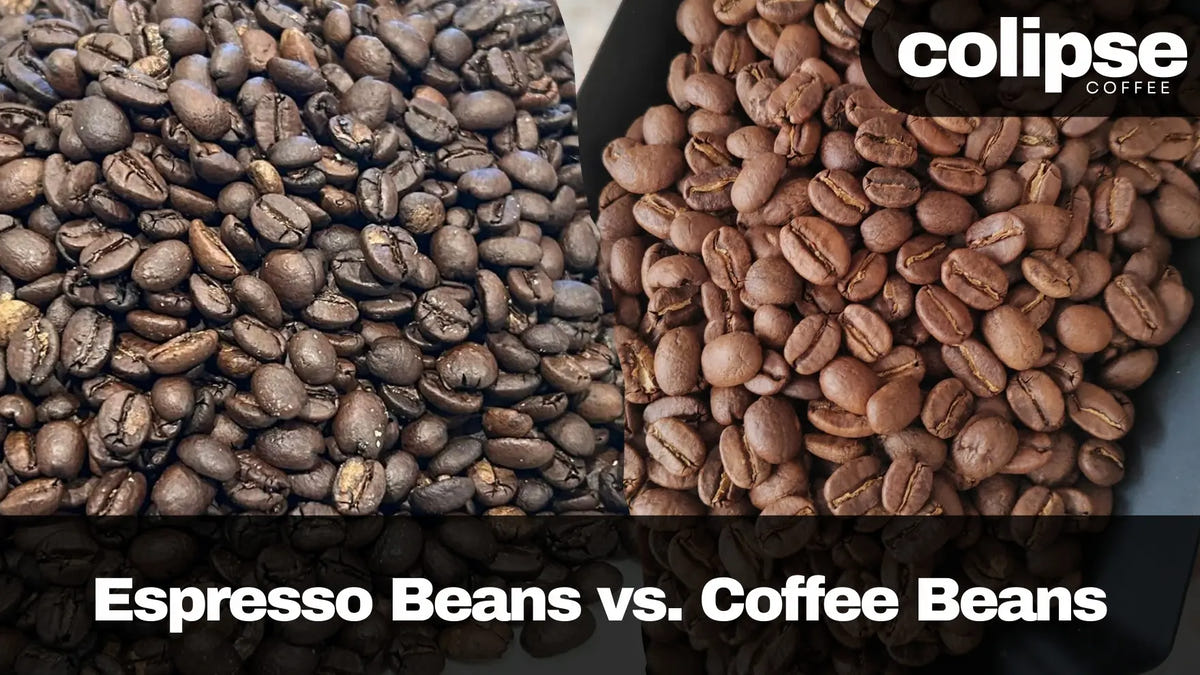
Espresso Beans vs Coffee Beans: What’s the Difference?
Many brands mark some bags as espresso. That label signals how the beans may taste in a short, high-pressure brew.
What that often means:
- Roast level Many espresso bags are medium to dark. This boosts solubility and lowers sharp acid notes.
- Blend design Espresso blends aim for balance. They may mix origins for body, sweetness, and crema.
- Target use The beans are tuned for milk drinks and straight shots.
But you can still use any beans. Can You Use Coffee Beans For Espresso even if they say drip? Yes. You will just need to dial in more.
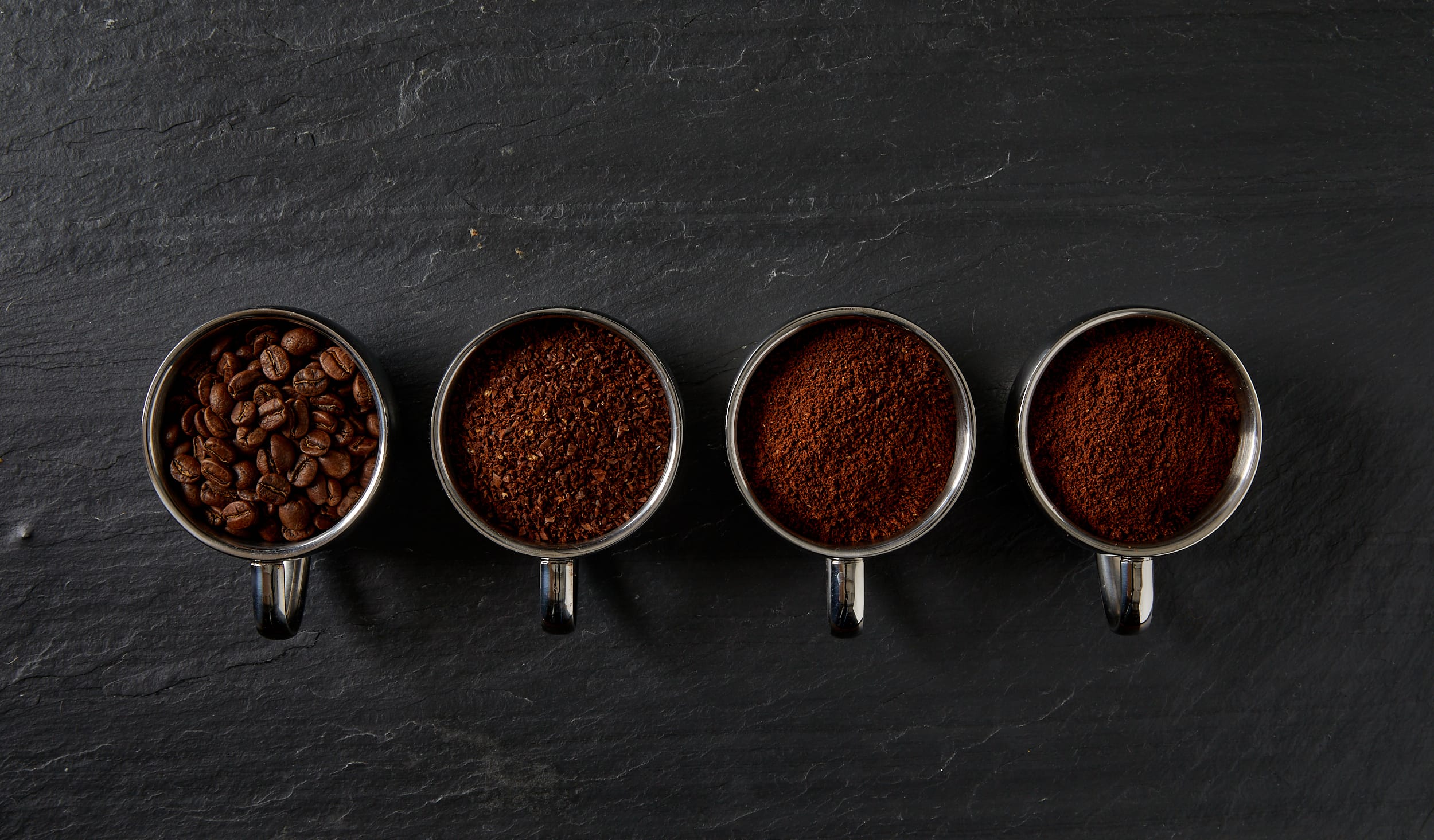
Roast Levels and How They Affect Your Shot
Roast shapes flavor, body, and ease of extraction.
- Light roast Bright, clear, and floral. Needs a finer grind, maybe a longer shot, and often a hotter brew. Can taste sharp if under.
- Medium roast Balanced and sweet. Great for new home baristas. Easy to dial in and kind to milk.
- Dark roast Bold and smoky. Extracts fast. Can taste ashy if you grind too fine or run too long.
Practical tip I learned the hard way. My first light-roast shot was sour. I fixed it by grinding finer, raising temp to 203°F, and pulling a 1:2.5 ratio over 32 seconds. It turned sweet and juicy.

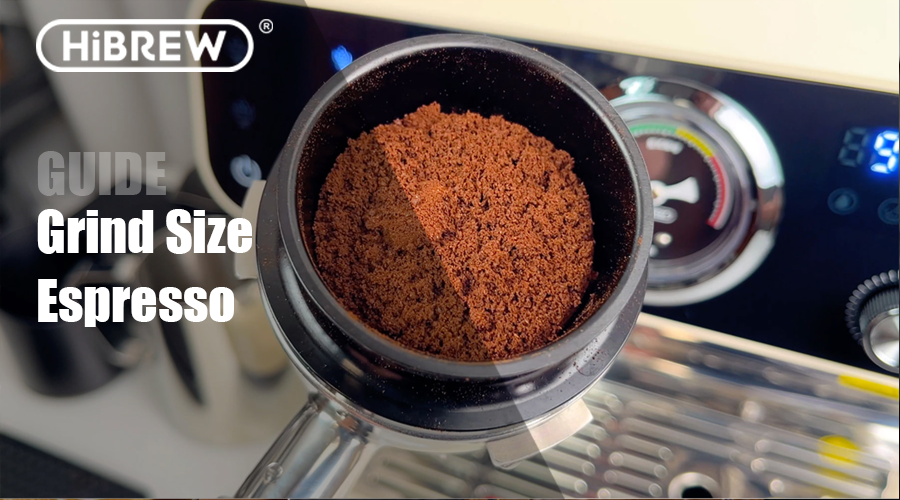
Grind Size, Dose, and Brew Ratios That Work
Your grinder is the heart of espresso. A good burr grinder lets you make tiny changes.
Start points that work well:
- Dose 18 grams in a double basket.
- Yield 36 to 40 grams out.
- Time 25 to 30 seconds from first drip.
- Grind Fine. Adjust one click at a time.
Tune like this:
- Sour and thin Grind finer, raise temp, or extend time.
- Bitter and harsh Grind coarser, lower temp, or shorten time.
- Channeling Improve distribution, tamp level, and aim for an even flow.
Can You Use Coffee Beans For Espresso with a basic grinder? Yes, but steps must be small. Stepless burrs help a lot.

Freshness, Storage, and Degassing
Fresh beans matter. Too fresh and they gush gas. Too old and they taste flat.
- Rest time For espresso, many beans shine 5 to 21 days after roast.
- Storage Keep beans in an airtight container, cool, dark, and dry.
- Freezing For long holds, freeze in small portions. Warm to room temp sealed before opening.
When I use a new roast, I track dose, yield, and time for a week. I see crema settle and flavor grow as beans degas. This helps me know when the bag is at its peak.

Choosing Beans: Single Origin vs Blend, Arabica vs Robusta
- Single origin Clear, unique notes. Great for straight shots. Light roasts can be tricky but rewarding.
- Blends Balanced and forgiving. Built for milk drinks. Often smoother to dial.
- Arabica Sweet, floral, complex. Most specialty coffee uses arabica.
- Robusta More crema and caffeine. Adds bite and body. A small percent in blends can boost texture.
Can You Use Coffee Beans For Espresso if they are single origin? Yes. Expect more clarity. With blends, expect more balance. Pick based on how you drink your coffee.
Gear and Technique Tips for Better Espresso
Small steps make a big change in the cup. Here is a checklist I use every day.
- Burr grinder Use a quality burr grinder. Keep the burrs clean.
- Distribution Use a simple WDT tool or tap to break clumps. Aim for an even bed.
- Tamping Level and firm, about 30 pounds of pressure. Consistency matters more than force.
- Water Heat Set to 195 to 205°F. Light roasts like the high end.
- Machine Care Backflush and clean often. Old oils ruin taste.
Can You Use Coffee Beans For Espresso on entry gear? Yes. Get your prep right and you can pour sweet shots on budget machines.
Troubleshooting Shots When Using Non‑Espresso Beans
Not every bag will behave the same. Here is how I fix common issues.
- Shot runs fast Use a finer grind, raise dose, or tamp better. Check for channeling.
- Shot tastes sour Extend the shot. Try a 1:2.3 ratio. Raise temp a bit.
- Shot tastes bitter Shorten the shot. Use a coarser grind. Lower temp slightly.
- Little crema Try fresher beans. A blend with a touch of robusta can help crema too.
- Milk tastes flat Choose a medium roast blend for lattes. It cuts through milk better than some light roasts.
Can You Use Coffee Beans For Espresso if they are very light and dense? Yes, but expect more effort. Finer grind and higher heat help a lot.
Frequently Asked Questions of Can You Use Coffee Beans For Espresso
Can You Use Coffee Beans For Espresso if the bag says drip only?
Yes. The label is a suggestion, not a rule. Adjust your grind, dose, and time to fit espresso.
Do I need dark roast to make espresso?
No. Medium roasts are a safe start. Light roasts can be great once you learn to dial them in.
Will pre-ground coffee work for espresso?
It can, but results vary. Espresso needs a very fine grind, so fresh grinding is best.
What grind should I use when I Can You Use Coffee Beans For Espresso?
Use a fine grind that feels like table salt or finer. Adjust in small steps until your shot time and taste match.
Can You Use Coffee Beans For Espresso on a budget machine?
Yes. Focus on a good burr grinder, even puck prep, and steady temps. These matter more than price alone.
How long should I rest beans before espresso?
Many beans work best 5 to 21 days after roast. Test day by day to find the sweet spot.
Is robusta bad for espresso?
Not at all. A little robusta can add crema and punch. Taste and choose what you enjoy.
Conclusion
You came here asking Can You Use Coffee Beans For Espresso. The answer is yes, and now you know how to make it taste great. Match your grind to the roast, set a clear dose and ratio, and tune time and heat. Keep beans fresh and prep your puck with care.
Try this today. Pull a shot with the beans you have. Log dose, yield, time, and taste. Make one small change and try again. Share your results, subscribe for more guides, and ask your next espresso question in the comments.

2 Comments