Grind fresh whole beans, measure accurately, and brew with hot water for balanced, flavorful coffee.
Learning how to brew whole bean coffee starts with three simple ideas: fresh beans, the right grind, and good water. As a coffee writer and home-brewing guide, I have found that small changes in these areas can turn a flat cup into a rich, sweet, and smooth one. This guide explains each step so you can make café-quality coffee with the tools you already have.
Why Brew Whole Bean Coffee?
Whole bean coffee keeps its flavor longer than pre-ground coffee because the beans have less contact with air. Once coffee is ground, its oils and aroma escape much faster. Grinding just before brewing helps preserve the taste created during roasting.
Whole beans also give you control over the grind size. You can use a coarse grind for a French press, a medium grind for a drip coffee maker, or a fine grind for espresso. This control makes it easier to match your coffee to your brewing method.
How to brew whole bean coffee well is not about buying the most costly equipment. It is about making repeatable choices. Fresh beans, a reliable grinder, clean water, and the correct brew time matter more than a fancy coffee bar.
What You Need to Brew Whole Bean Coffee
Before you begin, gather a few basic tools. You can brew excellent coffee with simple equipment, but each item plays a useful role.
• Whole coffee beans: Choose beans roasted within the past few weeks for the best flavor.
• Burr grinder: A burr grinder creates a more even grind than a blade grinder.
• Digital scale: A scale helps you measure coffee and water with accuracy.
• Fresh water: Use clean, filtered water if your tap water tastes heavily chlorinated or metallic.
• Brewing device: Use a drip machine, French press, pour-over cone, AeroPress, or espresso machine.
• Kettle: A gooseneck kettle gives you better control for pour-over brewing.
• Timer: A phone timer works well if you do not own a coffee timer.
• Mug or carafe: Preheating it can help keep the coffee hot.
A burr grinder is one of the best upgrades for home coffee. Blade grinders chop beans into uneven pieces. That creates a mix of fine dust and large chunks, which can lead to bitter and weak flavors in the same cup.
You do not need a high-end scale at first. A basic kitchen scale that measures grams is enough. The goal is to repeat the same recipe and adjust one factor at a time.
Choose Fresh Whole Bean Coffee
Freshness has a major effect on brewed coffee. Coffee beans release carbon dioxide after roasting, a process called degassing. The beans need time to rest, but they also lose aroma as they age.
For most brewing methods, beans are often at their best between about one and four weeks after the roast date. This range can vary by roast level, bean origin, and packaging. A roast date is more useful than a vague “best by” date.
Look for these details on the bag:
• Roast date: This helps you judge freshness.
• Origin: The country or region can offer clues about flavor.
• Roast level: Light, medium, and dark roasts behave differently.
• processing method: Washed, natural, and honey-processed beans can taste distinct.
• Storage instructions: Good packaging can slow flavor loss.
Store beans in an airtight, opaque container at room temperature. Keep the container away from heat, sunlight, moisture, and strong odors. The freezer can work for long-term storage when beans are sealed in small, airtight portions, but repeated thawing and exposure to moisture can cause problems.
Avoid storing coffee in the refrigerator. Coffee can absorb food smells, and temperature changes may create condensation inside the container.

Measure the Coffee and Water
A basic coffee-to-water ratio gives you a reliable starting point. For many brewing methods, use 1 gram of coffee for every 15 to 17 grams of water.
A simple starting recipe is:
• 20 grams of whole beans
• 300 grams of water
• A ratio of 1:15
This makes about two small cups, depending on your serving size and brewing method. If the coffee tastes too strong, use more water or less coffee. If it tastes too weak, use more coffee or less water.
Measuring by volume is less reliable. One scoop of beans may weigh more or less than another because bean size and density vary. A scale removes much of this guesswork.
Water temperature also matters. A useful range for most coffee is about 195°F to 205°F. If you do not have a thermometer, boil the water and let it sit for about 30 seconds before brewing.
Water quality can change the cup as much as the beans. Coffee is mostly water, so unpleasant tap water will usually create unpleasant coffee. Filtered water with moderate mineral content often gives a cleaner and sweeter result.
Grind Whole Beans Correctly
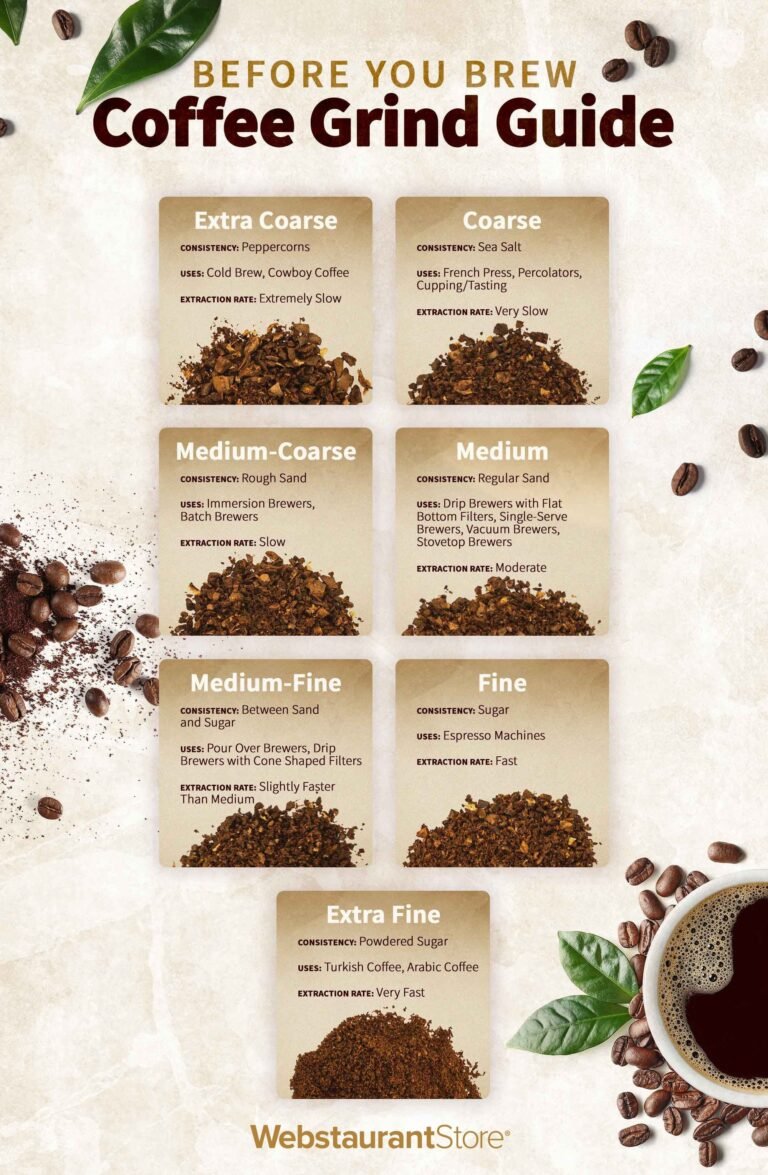
Grinding is one of the most important steps in learning how to brew whole bean coffee. Grind size controls how quickly water extracts flavor from the coffee.
Use these general settings as a starting point:
• Coarse grind: French press and cold brew
• Medium-coarse grind: Chemex and some flat-bottom brewers
• Medium grind: Drip coffee makers
• Medium-fine grind: AeroPress and some pour-over recipes
• Fine grind: Espresso
The correct grind may change with the grinder. A “medium” setting on one grinder may look finer than a medium setting on another. Use the texture as a guide, but rely on taste and brew time for the final adjustment.
If your coffee tastes sour, sharp, or thin, the grind may be too coarse. Water may be passing through too quickly, leaving some flavor behind. Try grinding slightly finer.
If your coffee tastes bitter, dry, or harsh, the grind may be too fine. Water may be extracting too much from the beans. Try a slightly coarser grind or shorten the brew time.
A common beginner mistake is changing the grind, water amount, and brew time at once. Make one change at a time. This turns coffee brewing into a simple experiment rather than a guessing game.

How to Brew Whole Bean Coffee With a Drip Coffee Maker
A drip coffee maker is one of the easiest ways to brew whole bean coffee. It can also produce a very consistent cup when you use fresh beans and the right ratio.
Follow these steps:
-
Fill the reservoir with fresh, clean water.
-
Weigh the beans. Start with 60 grams of coffee per 1,000 grams of water, or about 20 grams for 300 grams of water.
-
Grind the beans to a medium texture.
-
Place the filter in the basket and rinse it if you use a paper filter.
-
Add the ground coffee to the filter.
-
Start the brew cycle.
-
Gently swirl the carafe when brewing ends to mix the coffee evenly.
-
Serve the coffee soon after brewing.
Rinsing a paper filter removes some paper taste and warms the brewer. Not every machine needs this step, but it takes only a few seconds.
Clean the coffee maker often. Old coffee oils can become rancid and add a stale taste. Wash the carafe and filter basket after each use, and follow the machine’s cleaning instructions for mineral buildup.
How to brew whole bean coffee in a drip machine becomes easier when you keep the recipe steady. Write down the bean, grind setting, coffee weight, water weight, and result. This small habit helps you repeat your best cups.

How to Brew Whole Bean Coffee With a French Press
The French press uses immersion brewing. The coffee grounds sit in water for several minutes before you press the filter down. This method creates a full body and rich mouthfeel.
Use this starting recipe:
• 30 grams of coarse-ground coffee
• 500 grams of water
• Water at about 200°F
• A brew time of about four minutes
To brew:
-
Add the coffee grounds to the French press.
-
Pour in enough water to wet all the grounds.
-
Wait about 30 seconds.
-
Add the remaining water and stir gently.
-
Place the lid on the press without pushing the plunger.
-
Brew for about four minutes.
-
Press the plunger slowly and evenly.
-
Pour the coffee into a separate mug or carafe.
Do not leave the coffee sitting on the grounds after pressing. The coffee may continue to extract and develop a bitter, dry taste. Pouring it into another container stops most of that contact.
If your French press coffee contains too much sediment, use a slightly coarser grind or press more slowly. Some sediment is normal with this method, especially when using a metal mesh filter.

How to Brew Whole Bean Coffee With a Pour-Over
Pour-over brewing gives you control over water flow, contact time, and extraction. It can produce a clear and bright cup, but it requires a little practice.
Try this recipe:
• 20 grams of medium-fine coffee
• 320 grams of water
• Water at about 200°F
• A total brew time of about three to four minutes
Use these steps:
-
Place the paper filter in the cone.
-
Rinse the filter with hot water.
-
Add the ground coffee and level the bed.
-
Start the timer.
-
Pour about 40 grams of water over the grounds.
-
Wait 30 to 45 seconds for the coffee to bloom.
-
Pour the remaining water in slow, gentle circles.
-
Let the water drain through the coffee.
-
Remove the brewer and serve.
The bloom allows trapped gas to escape. Fresh coffee may bubble more than older coffee. If the grounds swell and release bubbles, that is a normal part of the process.
Pour slowly enough to keep the grounds covered, but do not stir them aggressively. A deep hole in the coffee bed can cause uneven extraction. The water may rush through one area while leaving another area dry.
When learning how to brew whole bean coffee with a pour-over, focus on consistency. Use the same pouring pattern each time. Once the recipe tastes good, change only the grind or ratio when you want to refine it.

How to Brew Whole Bean Coffee With an AeroPress
An AeroPress is compact, quick, and flexible. It can make a clean cup similar to pour-over coffee or a stronger cup closer to espresso-style coffee.
For a simple recipe, use:
• 15 grams of medium-fine coffee
• spoons? No, use 240 grams of water
• Water at about 195°F to 205°F
• A brew time of one to two minutes
Steps:
-
Insert the paper filter into the cap.
-
Rinse the filter and attach the cap.
-
Add the ground coffee.
-
Pour in the hot water.
-
Stir gently for about 10 seconds.
-
Place the filter cap on the brewer.
-
Wait about one minute.
-
Press slowly into a mug.
-
Stop pressing when you hear air escaping.
The AeroPress is forgiving because it combines immersion and pressure. If the cup tastes too strong, add more water after brewing. If it tastes thin, use more coffee or grind a little finer.
The inverted method can change the process, but it also increases the risk of spills. Beginners may find the standard method safer and easier to control.
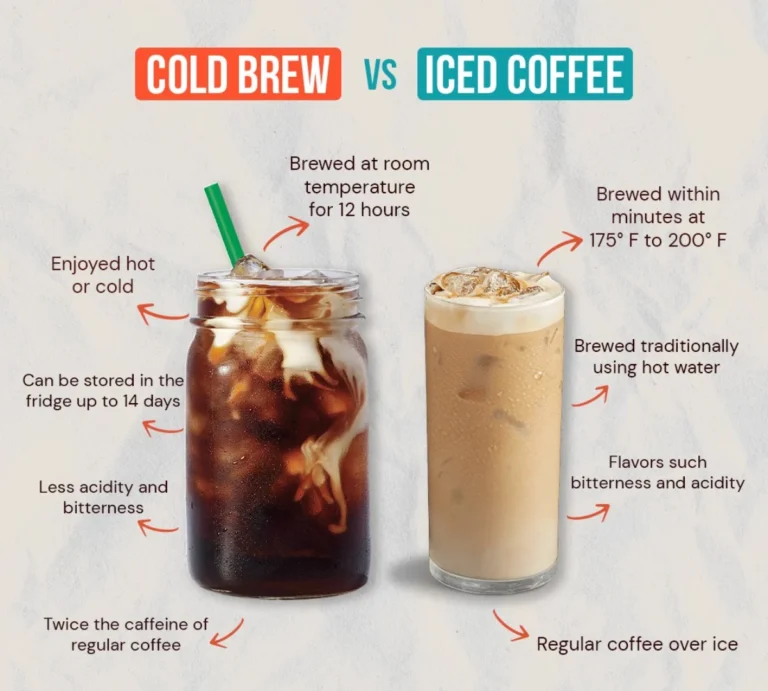
How to Brew Whole Bean Coffee for Cold Brew
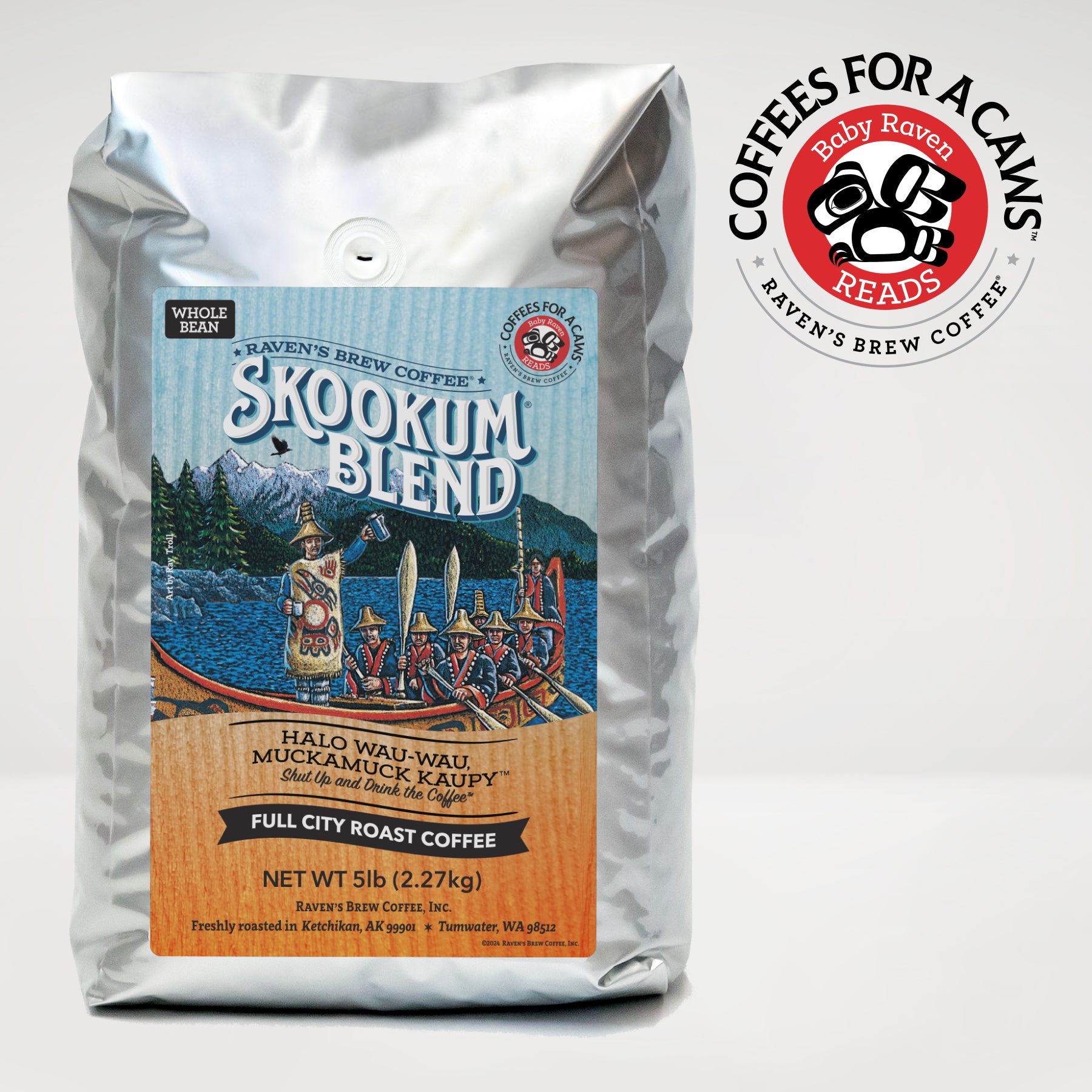
Cold brew uses cool water and a long steep time. It creates a smooth, low-acid-style drink, though it is not completely acid-free.
For a concentrate, try:
• 100 grams of coarse-ground coffee
• 700 grams of cold water
• A steep time of 12 to 18 hours
Combine the coffee and water in a jar or cold brew brewer. Stir gently to wet the grounds. Cover the container and place it in the refrigerator or leave it at room temperature, depending on your recipe.
After steeping, filter the coffee through a paper filter or fine mesh strainer. Dilute the concentrate with water or milk before serving. A common starting point is one part concentrate to one part water.
Cold brew can taste strong because it is often served as a concentrate. Start with a smaller serving and adjust the dilution. Store prepared cold brew in the refrigerator and use it within several days for the best flavor.
How to Taste and Adjust Your Coffee
Taste is your best guide when learning how to brew whole bean coffee. Brew time and grind settings are useful, but they do not replace your palate.
Use this simple adjustment chart:
• Sour or sharp: Grind finer, use hotter water, or brew longer.
• Bitter or dry: Grind coarser, use cooler water, or brew for less time.
• Weak or watery: Add more coffee, use less water, or grind slightly finer.
• Strong or heavy: Add more water, use less coffee, or grind slightly coarser.
• Flat or dull: Try fresher beans, cleaner water, or a better storage container.
• Uneven flavor: Improve your pouring, stir gently, or use a more even grind.
Let the coffee cool for a few minutes before judging it. Very hot coffee can hide sweetness and make bitterness seem less clear. As it cools, you may notice fruit, chocolate, nuts, flowers, or spice.
A useful tasting method is to compare two cups side by side. Keep the water and coffee amount the same, then change only the grind size. This makes the difference easier to notice.
One practical lesson many home brewers learn is that “strong” and “bitter” are not the same thing. Strong coffee has more flavor or concentration. Bitter coffee has an unpleasant taste caused by over-extraction, very dark roasting, stale beans, or a combination of factors.
Common Mistakes to Avoid
Even a good recipe can fail when basic details are overlooked. These mistakes are common, but each one is easy to fix.
• Using stale beans: Check the roast date and store beans in an airtight container.
• Grinding too early: Grind just before brewing whenever possible.
• Using a blade grinder: Upgrade to a burr grinder for a more even grind.
• Guessing measurements: Use a scale instead of relying only on scoops.
• Using poor water: Try filtered water if your tap water tastes unpleasant.
• Brewing with lukewarm water: Use water in the recommended temperature range.
• Ignoring the timer: Brew time affects extraction and flavor.
• Leaving coffee on a hot plate: Extended heat can make coffee taste burnt.
• Failing to clean equipment: Old oils and mineral deposits can damage flavor.
• Changing too many things at once: Adjust one variable, then taste again.
A simple routine prevents most problems. Weigh the beans, grind them just before brewing, use clean water, and record what you did. These steps provide a steady base for improvement.
Coffee Grinder and Equipment Care
Clean equipment protects the flavor of your beans. Coffee oils cling to grinders, baskets, carafes, and French presses. Over time, these oils can become stale.
Brush loose grounds from your grinder on a regular basis. Follow the grinder maker’s instructions before removing parts or using cleaning pellets. Do not wash electric grinder parts unless the instructions say they are safe to wash.
For brewers:
• Rinse the basket and carafe after each use.
• Wash removable parts with mild dish soap.
• Rinse away soap well.
• Descale machines when mineral buildup appears.
• Replace paper filters after every brew.
• Dry parts fully before storing them.
Hard water can create scale inside coffee makers and kettles. Scale may slow heating and affect water flow. A manufacturer-approved descaling product can help, but always follow the equipment instructions.
Clean gear is not just a matter of taste. It also supports safe food handling. Do not leave milk, cream, or sweetened coffee at room temperature for long periods.
A Simple Daily Recipe
If you want one dependable method, use this basic approach with a drip brewer or pour-over cone.
-
Choose fresh whole beans.
-
Measure 20 grams of beans.
-
Grind them to a medium or medium-fine texture.
-
Heat 300 to 340 grams of clean water.
-
Brew with water around 195°F to 205°F.
-
Aim for a brew time of about three to four minutes.
-
Taste the coffee after it cools slightly.
-
Adjust the grind before changing the coffee-to-water ratio.
This recipe is only a starting point. Dark roasts may taste better with slightly cooler water or a shorter brew time. Light roasts may need a finer grind, hotter water, or more contact time to bring out their sweetness.
The best method is the one that fits your morning. A perfect recipe that takes too long may not serve you well on a busy day. Choose a process you can repeat without stress.
Frequently Asked Questions
How fresh should whole bean coffee be?
Whole bean coffee is often most enjoyable between one and four weeks after roasting. It may still be drinkable beyond that period, but its aroma and flavor can fade over time.
Is it better to grind coffee beans right before brewing?
Yes. Grinding just before brewing helps protect aroma and flavor from air exposure. For the best result, grind only the amount you plan to use.
What is the best grind size for whole bean coffee?
The best grind size depends on the brewing method. Use coarse grounds for a French press, medium grounds for drip coffee, medium-fine grounds for pour-over, and fine grounds for espresso.
How much coffee should I use for one cup?
Start with about 15 to 18 grams of coffee for 250 to 300 grams of water. Adjust the amount to match your taste and the size of your cup.
Why does my coffee taste bitter?
Bitter coffee may be over-extracted because the grind is too fine, the brew time is too long, or the water is too hot. Try a coarser grind, a shorter brew, or slightly cooler water.
Why does my coffee taste sour?
Sour coffee often means under-extraction. Try grinding finer, using hotter water, or allowing more brewing time.
Can I brew whole bean coffee without a grinder?
You need to grind the beans before brewing, so a grinder is normally required. A local coffee shop may grind beans for you, but the coffee will lose freshness faster than beans ground at home.
Conclusion
Learning how to brew whole bean coffee is simple when you control the key variables. Start with fresh beans, grind them just before brewing, measure your coffee and water, and use clean water at the right temperature. Then adjust the grind based on taste.
You do not need perfect equipment to make a great cup. Begin with one method, keep your recipe steady, and make small changes over time. Try this guide with your favorite beans, explore new brewing methods, and share your results in the comments.